










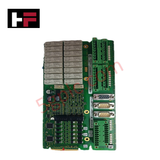
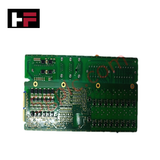
Product Details
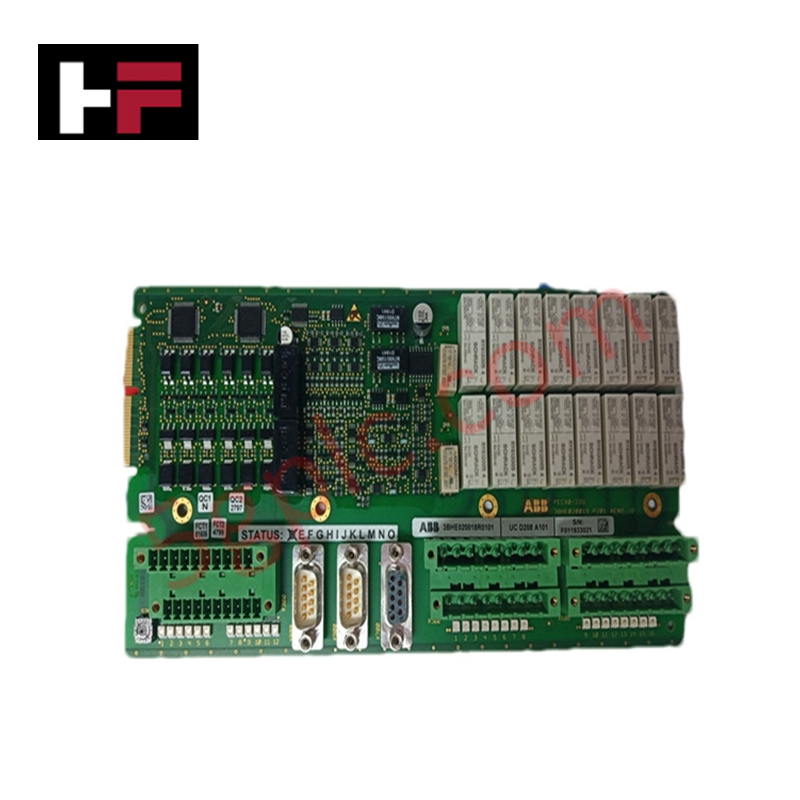
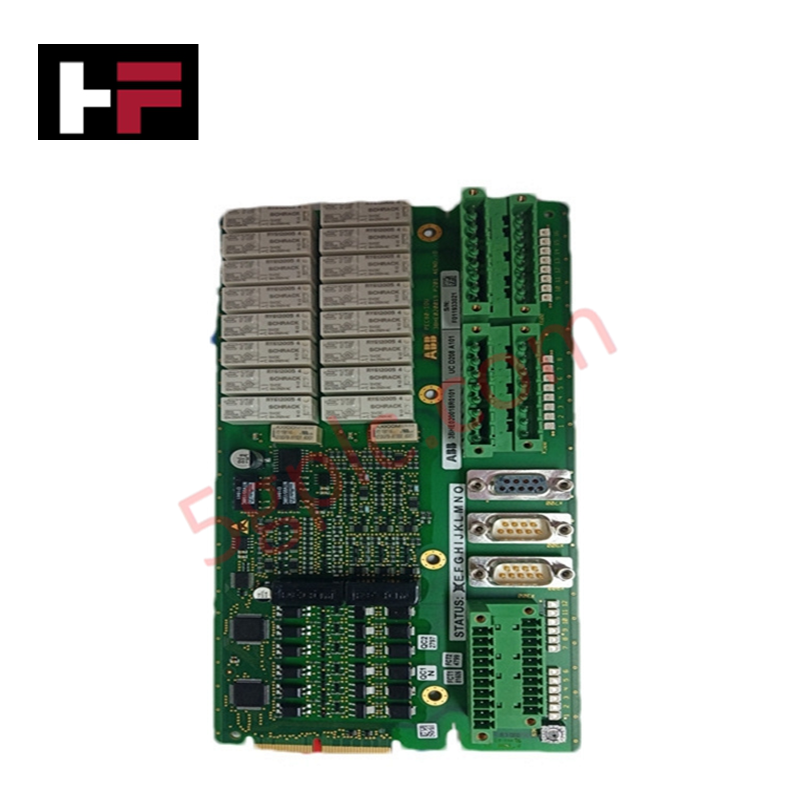
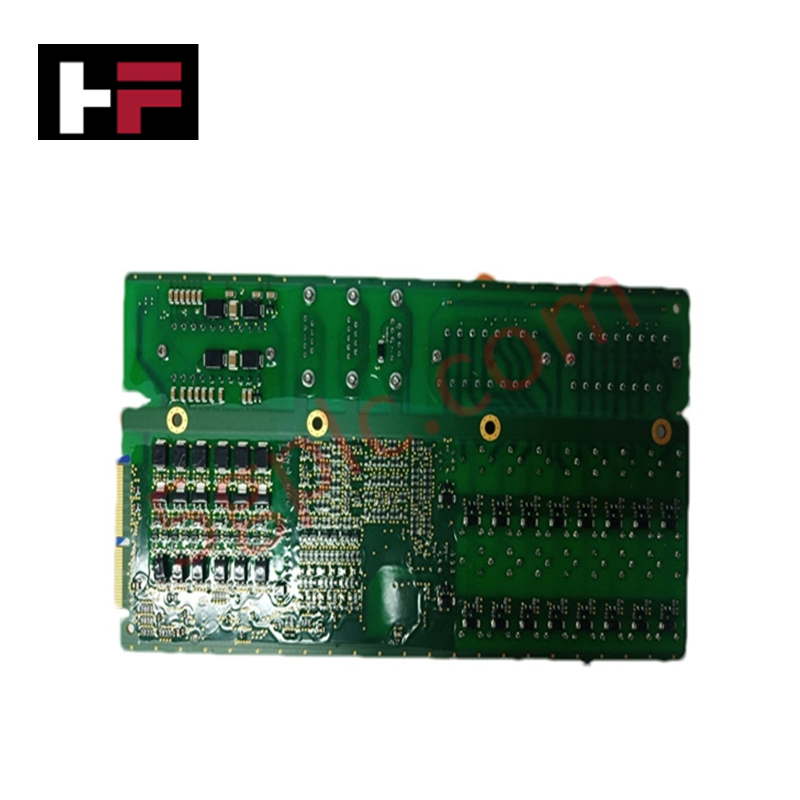
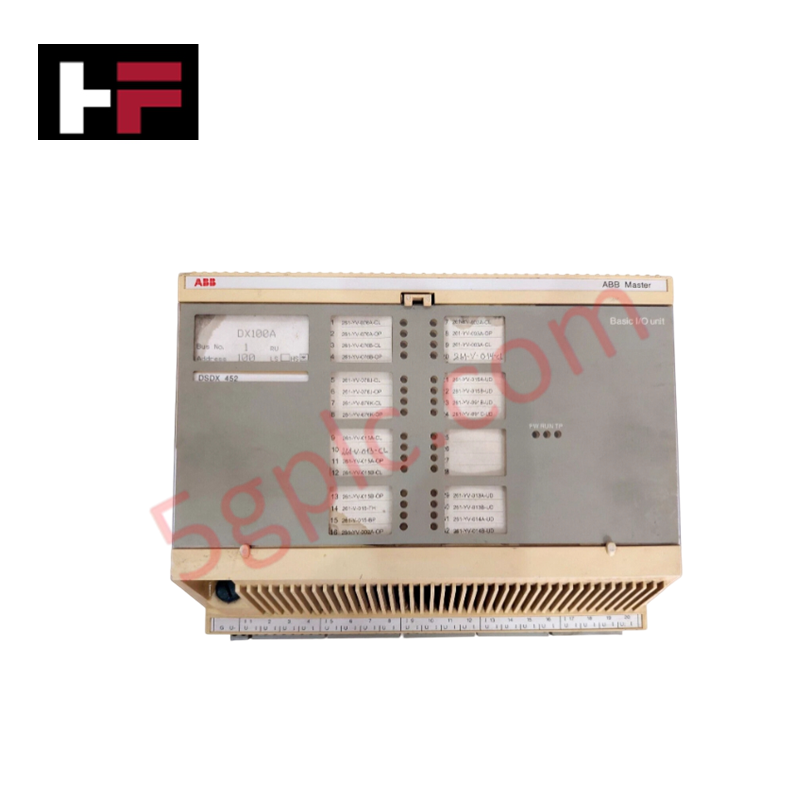
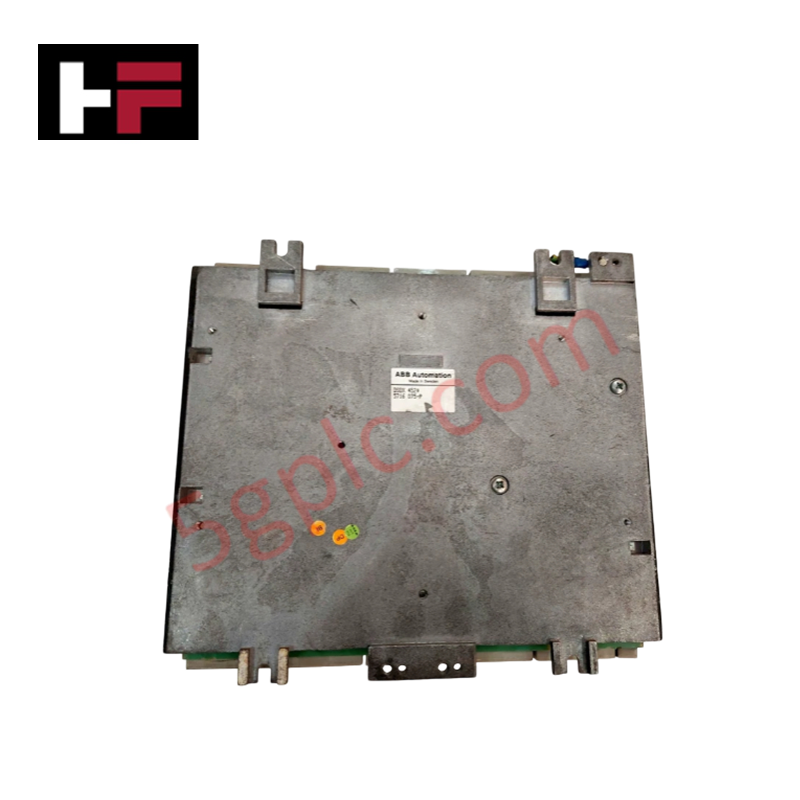
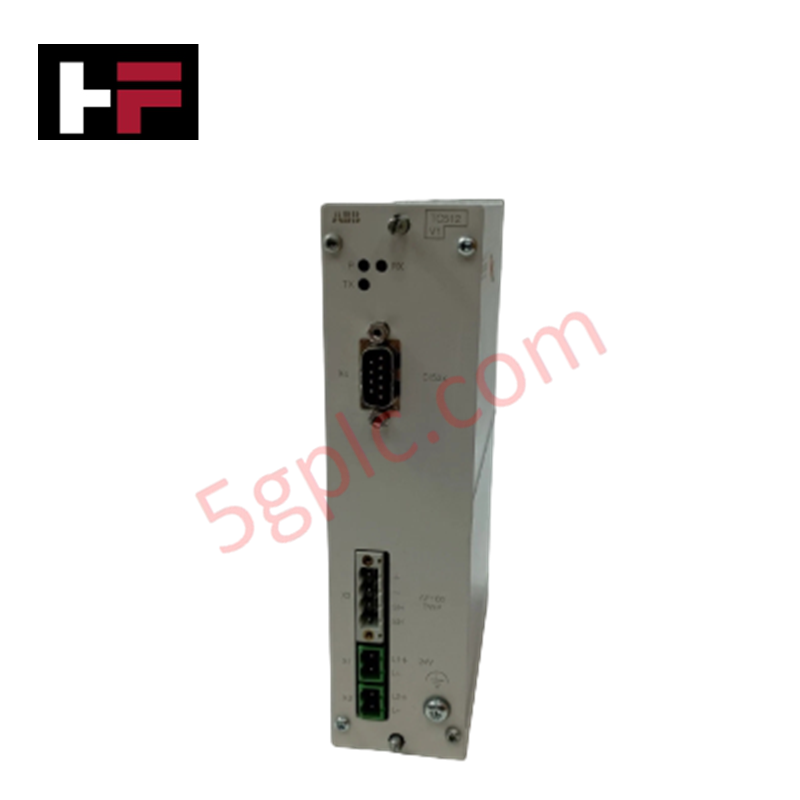
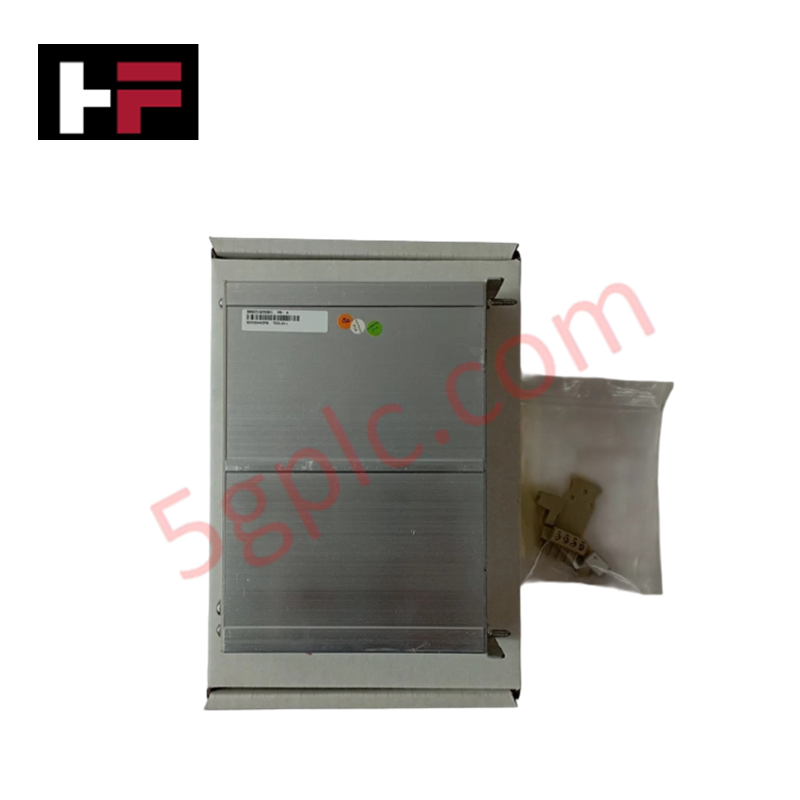
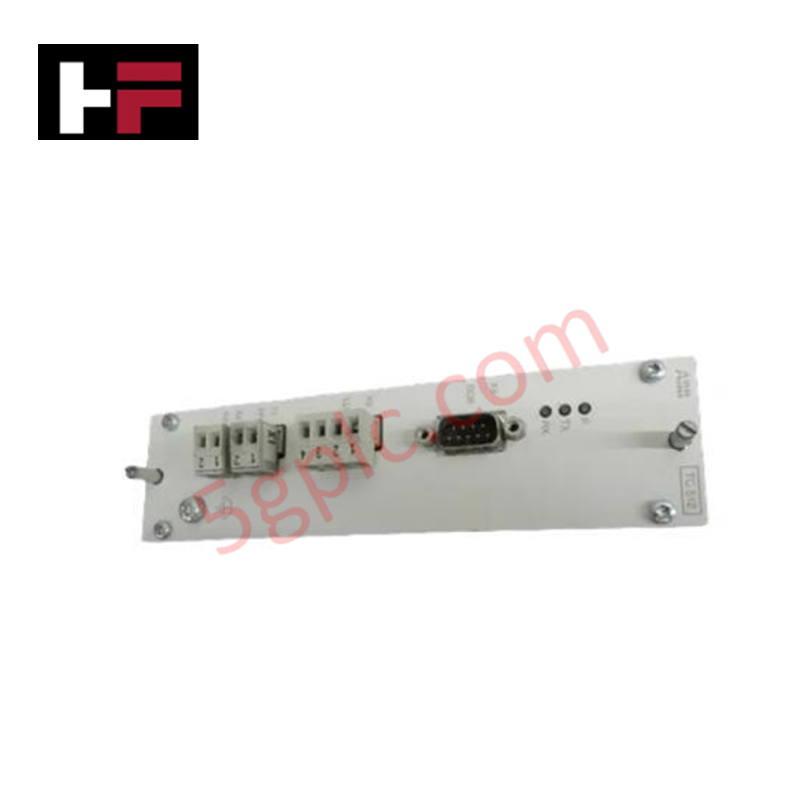
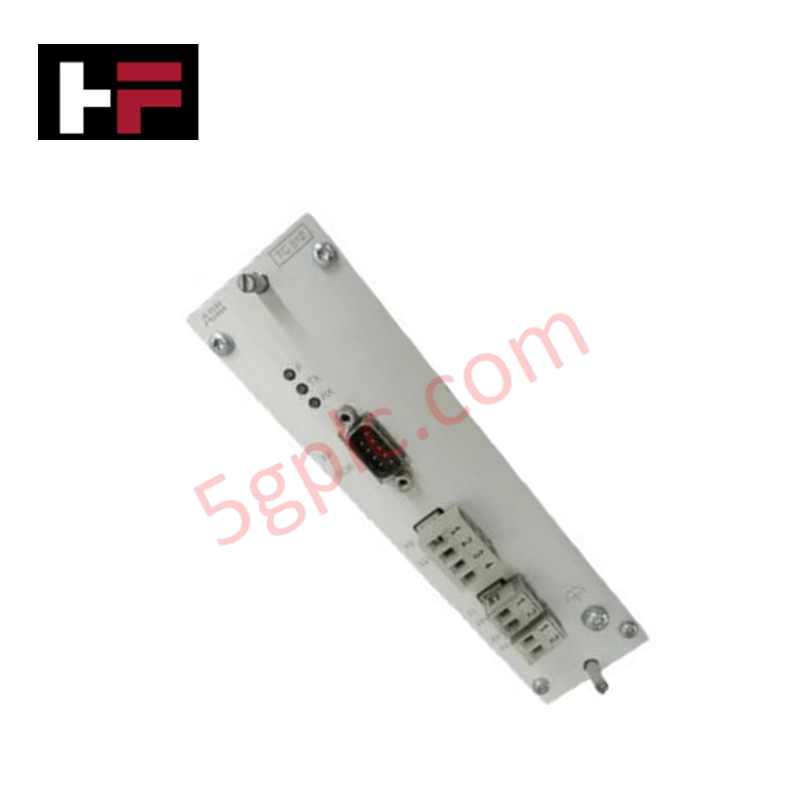
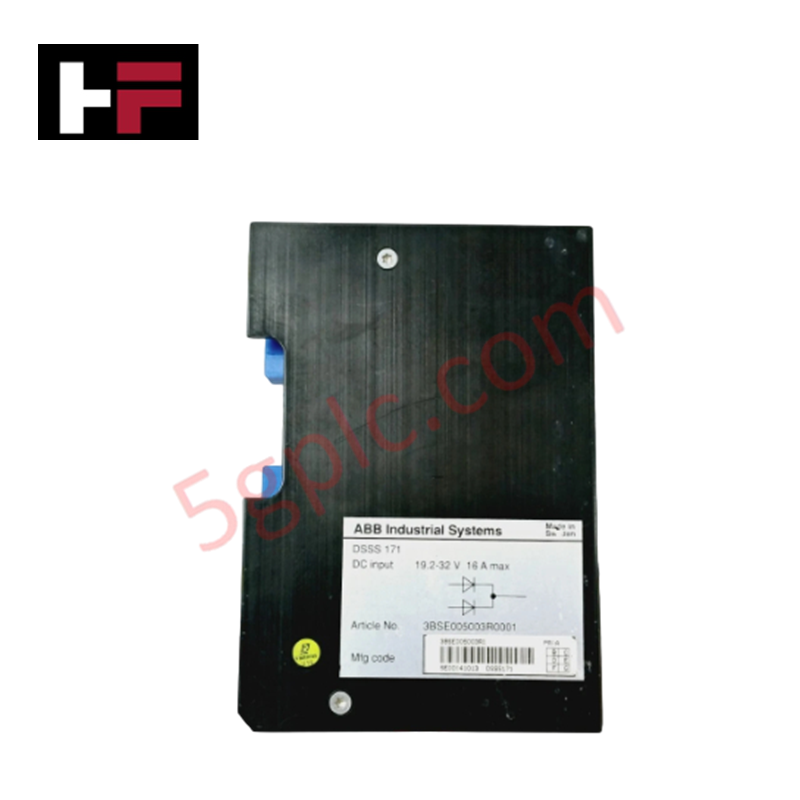
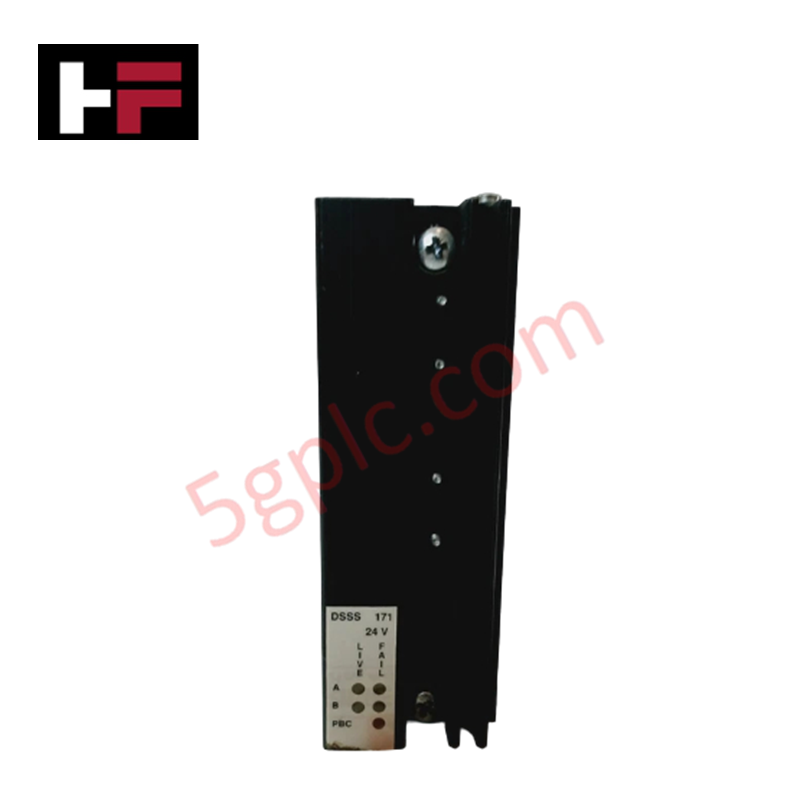
The ABB GJR5143700R1, also cataloged as the GJR5143700R1 DCS Control Module, operates as a dedicated hardware component for control logic processing and I/O signal routing within ABB DCS networks. Powered by a 24 VDC supply, the module processes 16 digital inputs and 16 digital outputs using 256 KB of internal memory for sequence execution. Integrated Ethernet and RS-485 interfaces support communication with supervisory networks and field networks. The module measures 70 x 70 x 120 mm, weighs 1.0 kg, and operates across ambient temperatures from -40 deg C to +70 deg C.
Hardware Specifications
| Parameter | Specification |
|---|---|
| Model | GJR5143700R1 |
| Base Model | GJR5143700R1 |
| Brand | ABB |
| Origin | Switzerland |
| Weight | 1.0 kg |
| Dimensions | 70 x 70 x 120 mm |
| Operating Temp | -40 deg C to +70 deg C |
| Power Consumption | Low-power industrial grade design (24 VDC) |
| Digital Inputs | 16 channels |
| Digital Outputs | 16 channels |
| Internal Memory | 256 KB |
| Communication Interfaces | Ethernet, RS-485 |
| Product Category | Automation Control Module |
Backplane Bus Communication Velocity and Deterministic Networks
The control module maintains high backplane bus communication velocity across local subrack assemblies during real-time I/O execution. Deterministic bus access ensures synchronized cycle timing between digital channel updates and internal processing routines. Onboard flash firmware handles protocol translation across Ethernet and RS-485 interfaces without causing cycle delays or processor bottlenecks during high I/O density scaling.
Frequently Asked Questions
Q: What precautions should be taken regarding the RS-485 communication interface wiring?
A: RS-485 serial buses require shielded twisted-pair conductors with terminal matching resistors enabled at both ends of the segment to limit reflections and maintain signal integrity.
Q: Can the module be inserted or removed under live subrack power?
A: No, system power must be isolated prior to removing or installing the module to avoid pin arcing on the rear chassis connectors and prevent logic fault states on adjacent backplane cards.
Field Installation Guidelines
- Isolate all external 24 VDC power feeds before inserting the module into its subrack slot.
- Align the card edge guides with the chassis frame and insert the module until the rear connector seats into the backplane.
- Ensure communication cables (Ethernet and RS-485) are routed away from high-voltage AC cables to avoid electromagnetic coupling.
- Secure all shield connections directly to the cabinet ground plane using low-impedance grounding clamps.
Additional Information
- 100% Genuine Parts: All products are original and authentic, ensuring reliable industrial performance.
- 30-Day Refund Guarantee: Return any in-stock item within 30 days in original, unopened packaging for a full refund (excluding shipping and fees).
- 12-Month Warranty: Covers defects in materials or workmanship; excludes misuse, normal wear, or unauthorized modifications.
- Worldwide Shipping: We ship via USPS, UPS, FedEx, and DHL. Delivery times vary by country and may be subject to customs or import fees.
- Support & Contact: Technical and warranty assistance is available anytime. Contact us here: Contact.
- Purchase Guidance: Check product specifications and compatibility carefully before ordering to ensure proper application.
Tech & Buying Guide

Understanding VFD Mechanical Brake Logic and Control in Industrial Automation
Variable Frequency Drives (VFDs) play a crucial role in modern industrial automation by controlling motor speed, torque, and acceleration. However, high-inertia loads and vertical lifting systems require precise mechanical braking logic to ensure operational safety and prevent equipment damage.

Why Programmable Logic Controllers Drop into Stop Mode: An Expert Analysis
Industrial automation systems rely heavily on Programmable Logic Controllers (PLCs) to maintain uninterrupted production. When a PLC unexpectedly shifts from Run to Stop mode, whole manufacturing lines stall.
As control systems evolve across modern factory automation, understanding the root causes of these interruptions helps engineers minimize costly downtime. This technical guide breaks down why PLCs trip into Stop mode and provides practical strategies to mitigate system faults.

Understanding Root Causes of Unplanned PLC Stop Mode in Industrial Automation
Modern Programmable Logic Controllers manage execution through distinct operational states: Run, Stop, Start-Up, and Hold. During power-up, a controller initializes memory registers within Stop mode before briefly transitioning to Start-Up mode. During this phase, internal self-diagnostics evaluate system integrity across hardware and user programs. If the controller detects no critical faults, it enters Run mode to execute the control program continuously. However, any severe system anomaly forces the CPU back into Stop mode immediately to prevent erratic machine behavior across the plant floor.