










Product Details
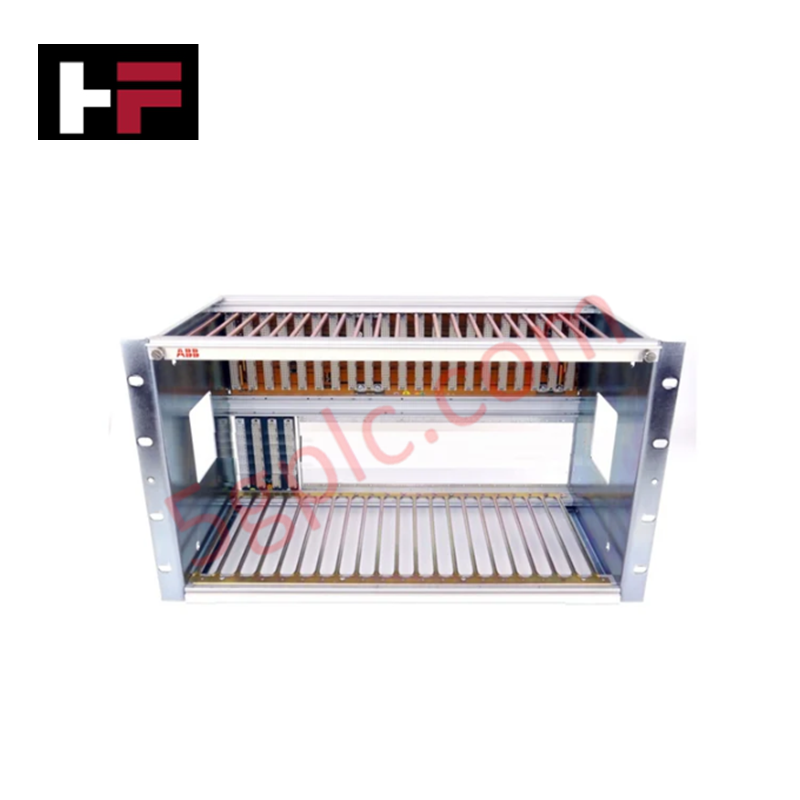
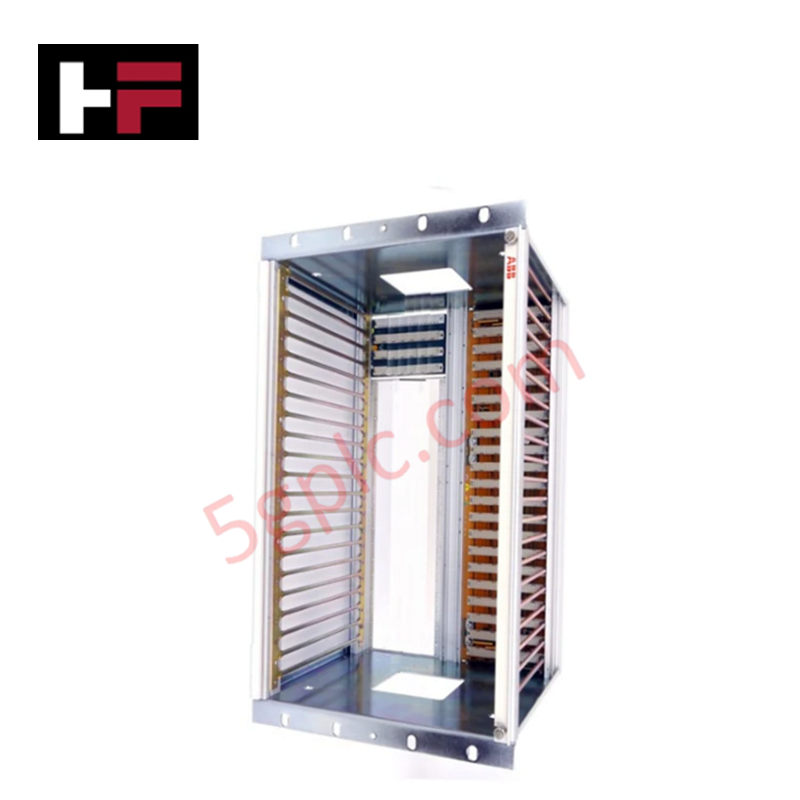
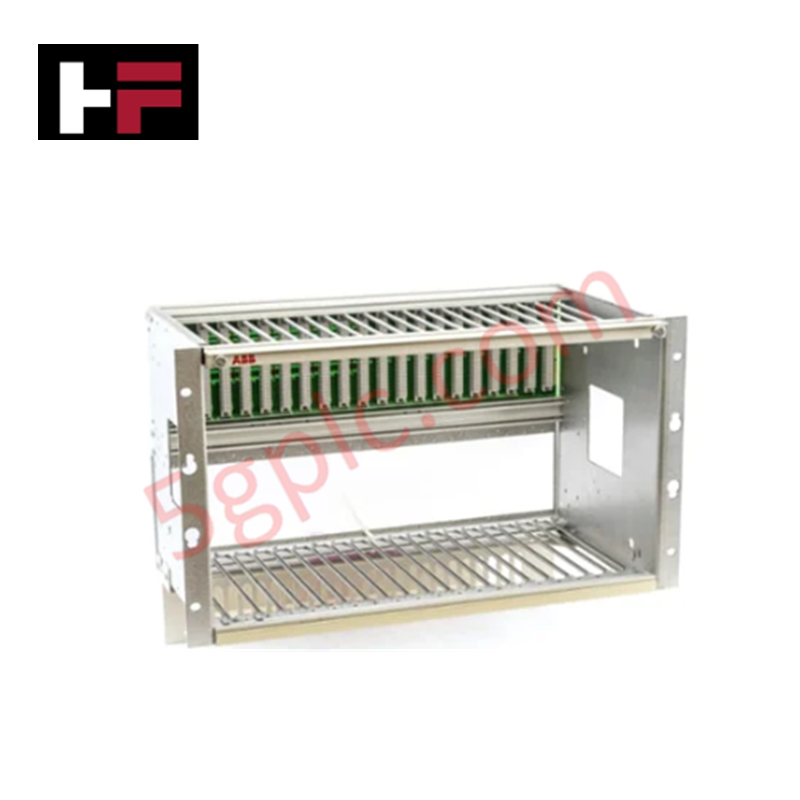
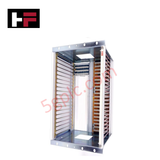
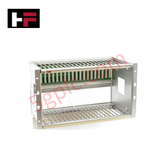
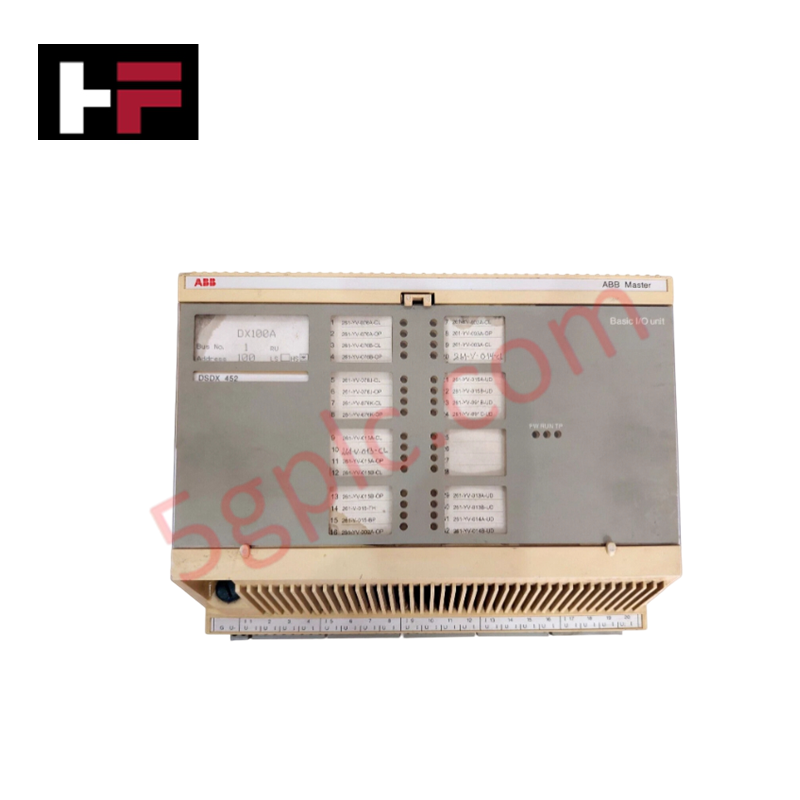
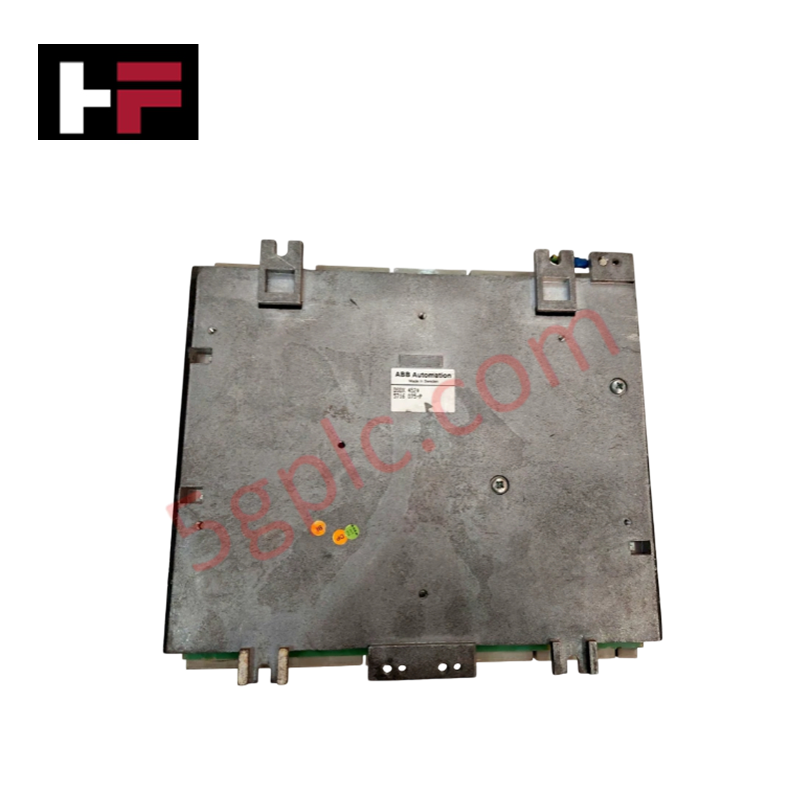
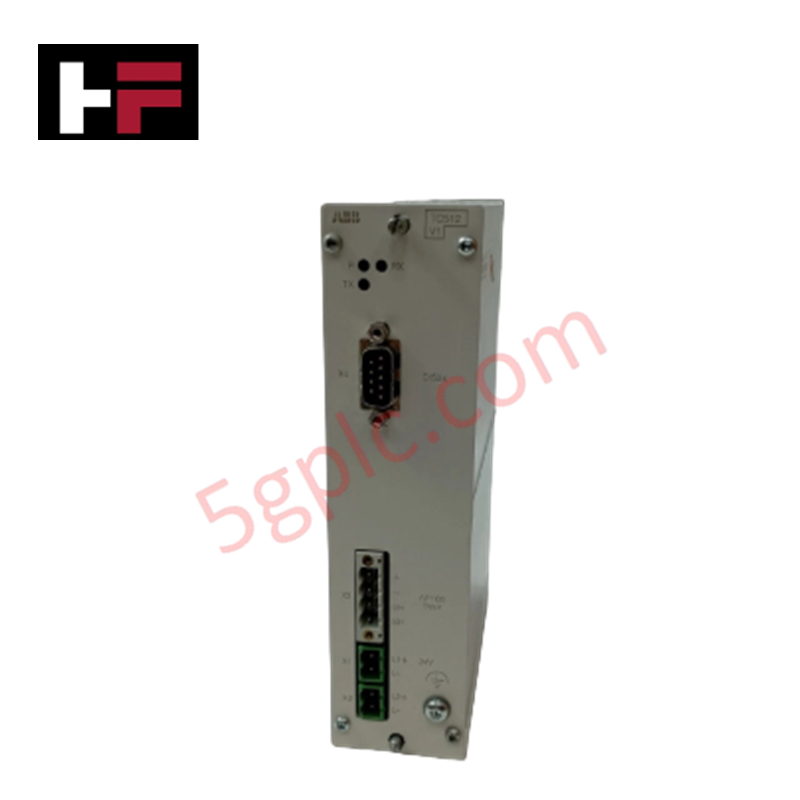
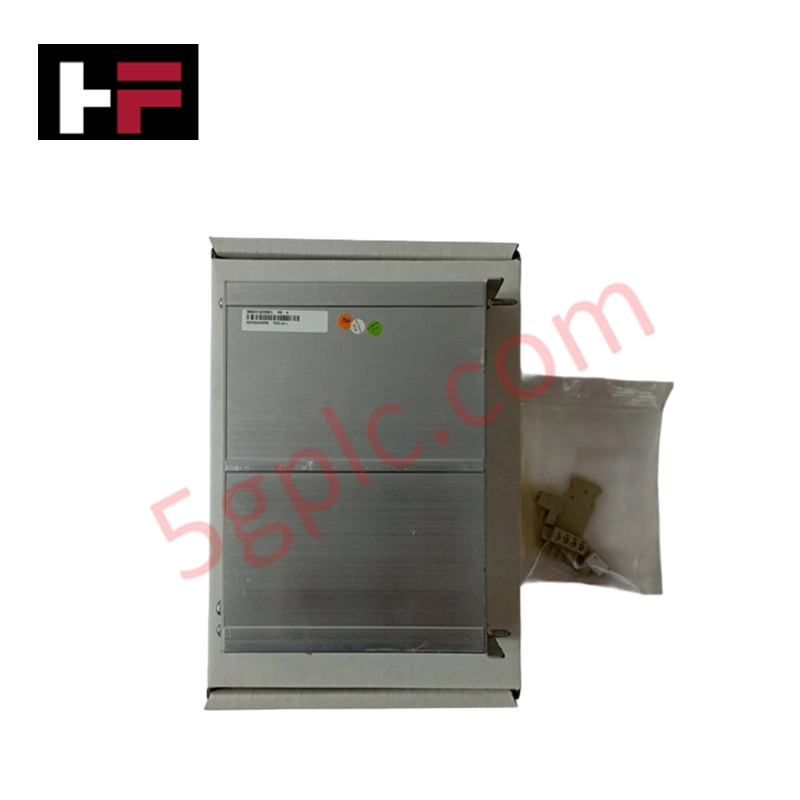
The ABB DSRF 150 57310255-A serves as the primary DSRF 150 Equipment Frame utilized to execute structural housing and backplane distribution across MasterPiece / Advant OCS system platforms. The assembly provides mechanical orientation and standardized slide-in alignment for active electronic circuit cards, keeping power bus routing planes bound within rigorous shielding profiles.
Hardware Specifications
| Parameter | Specification |
|---|---|
| Model | DSRF 150 |
| Brand | ABB |
| Product ID | 57310255-A |
| Origin | Sweden |
| Weight | 6.0 kg net |
| Dimensions | 255 mm x 345 mm x 480 mm (W x H x D) |
| Operating Temp | 0 to +55 deg C (Standard industrial subrack baseline) |
| Power Consumption | Passive structural frame (Distributes terminal power rails) |
| WEEE Category | Product not in WEEE scope |
| Core Function | Circuit card orientation and mechanical retention |
Deterministic Networks & I/O Density Scaling
The chassis layout defines the absolute boundary parameters for local I/O density scaling inside the control cubicle. Physical connector slots map directly onto power and bus traces, maintaining continuous impedance limits required by backplane bus communication velocity licenses. This structural matrix underpins data flow across Profinet / EtherNet/IP deterministic networks by mitigating geometric deflection, which ensures mechanical terminal tolerances are preserved during live firmware flash compatibility maintenance procedures.
Frequently Asked Questions
Q: Does the physical design of the DSRF 150 frame permit online hot-swapping of power supply modules?
A: The DSRF 150 is a passive structural chassis. Hot-swapping capabilities depend exclusively on the design of the active plug-in modules and backplane circuits installed within the frame slots. The structural guides accept hot-swappable hardware if the underlying bus tracks contain the necessary circuit isolation mechanisms.
Q: How is the common system ground potential bonded across the card guide tracks?
A: The guide tracks are integrated directly into the structural aluminum plates, which must be connected to the primary enclosure earth via dedicated ground studs positioned at the rear of the frame assembly.
Q: What are the effects of structural deflection on multi-channel communication speeds within the rack?
A: Mechanical misalignments or deflection inside the frame will cause uneven pin seating on the rear bus connectors. This increases local capacitance values, resulting in high-frequency data errors and disruptions to deterministic network intervals.
Field Installation Guidelines
- Mount the frame onto the main cabinet framing structural elements using designated torque parameters for all mechanical fasteners to prevent structural warping.
- Maintain a minimum vertical clearance spacing of 100 mm above and below the frame envelope to facilitate natural convective thermal dissipation from active card surfaces.
- Verify the structural connection between the frame ground stud and the master panel copper ground bus using a low-resistance braid before inserting active modules.
- Ensure all module retention screws are locked after card insertion to stop creep deformation of the internal backplane contact pins under high-vibration conditions.
Additional Information
- 100% Genuine Parts: All products are original and authentic, ensuring reliable industrial performance.
- 30-Day Refund Guarantee: Return any in-stock item within 30 days in original, unopened packaging for a full refund (excluding shipping and fees).
- 12-Month Warranty: Covers defects in materials or workmanship; excludes misuse, normal wear, or unauthorized modifications.
- Worldwide Shipping: We ship via USPS, UPS, FedEx, and DHL. Delivery times vary by country and may be subject to customs or import fees.
- Support & Contact: Technical and warranty assistance is available anytime. Contact us here: Contact.
- Purchase Guidance: Check product specifications and compatibility carefully before ordering to ensure proper application.
Tech & Buying Guide

Safety Relays in Industrial Automation: Fundamentals, Design Standards, and Fail-Safe Architecture
Safety relays form the bedrock of functional safety in modern factory automation, preventing catastrophic equipment failure and protecting plant personnel. While standard electromechanical relays handle basic load switching, they lack the redundant diagnostics required for high-risk industrial environments. Modern industrial automation platforms—including programmable logic controllers (PLCs) and distributed control systems (DCS)—rely on specialized safety relays to monitor field devices and isolate hazards instantly.

Voice-Activated Industrial Automation: Integrating Speech Control into PLC and DCS Architectures
Industrial automation integrates speech recognition, IIoT protocols, and NLP with PLCs and DCS to streamline operations. By leveraging advanced edge computing, engineers enable real-time, hands-free control—allowing personnel to manage smart factory processes safely away from hazardous equipment.
Modern Industrial Automation: Transforming Safety and Efficiency in Mining Operations
Industrial automation has evolved from a simple manufacturing tool into the operational backbone of high-risk sectors. Modern mining operations increasingly rely on advanced control systems, programmable logic controllers (PLCs), distributed control systems (DCS), and artificial intelligence to address deep-underground hazards. By replacing manual labor in high-risk zones, factory automation technologies protect personnel while significantly boosting operational throughput.