










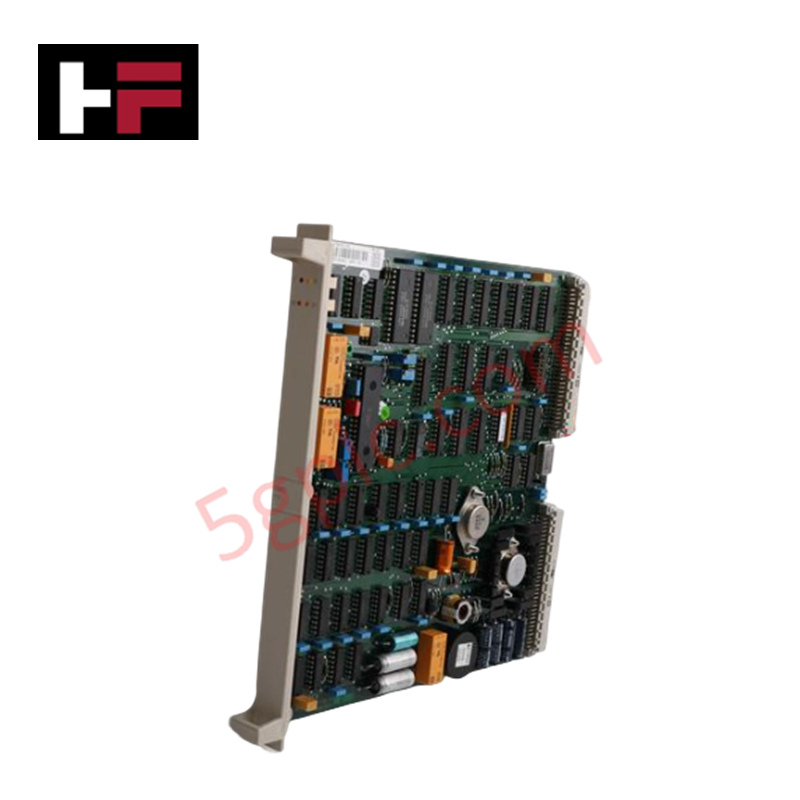
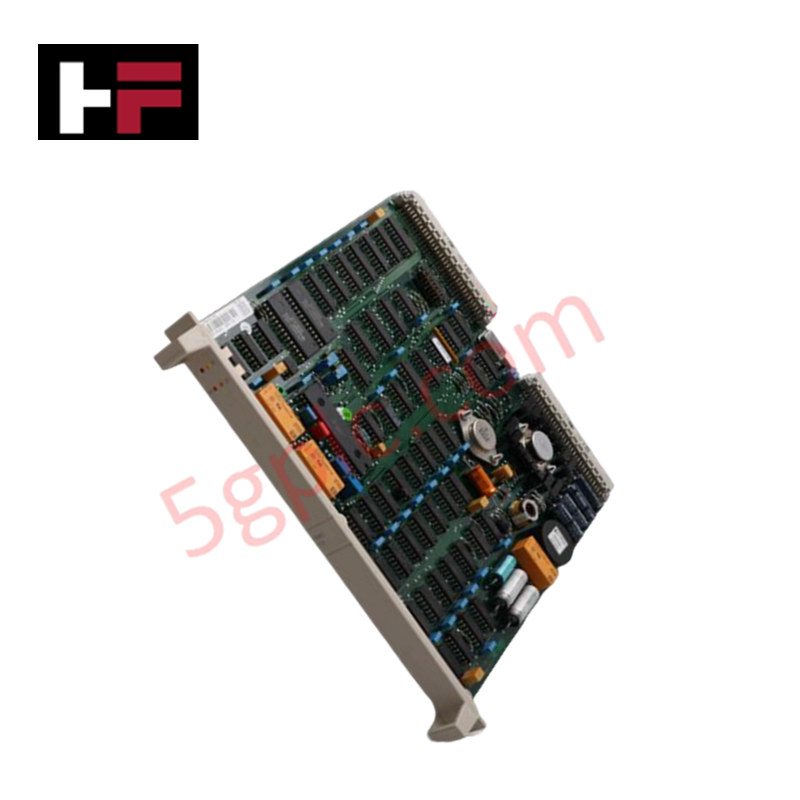


Product Details
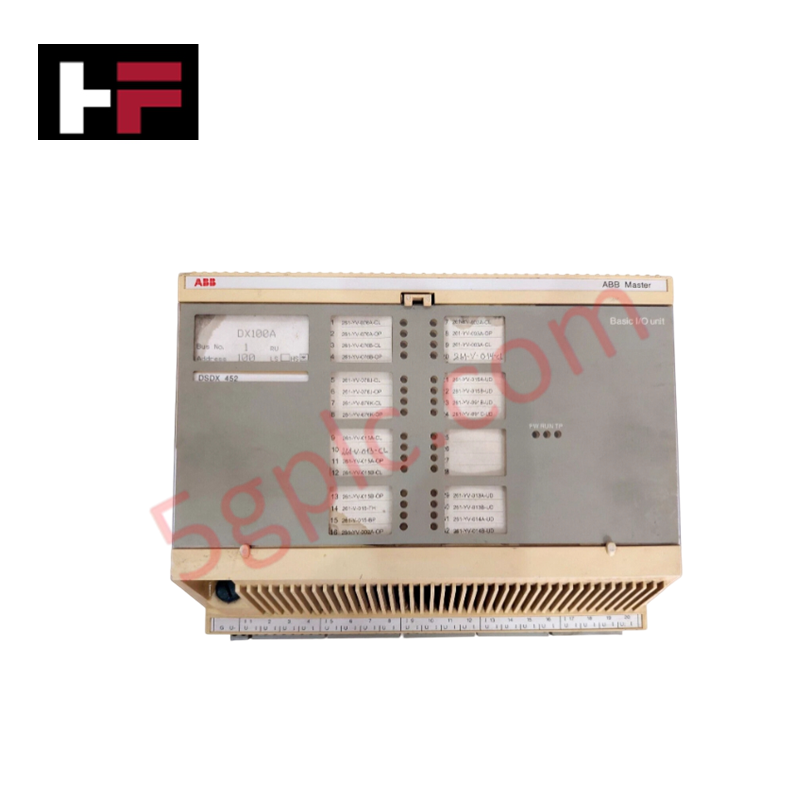
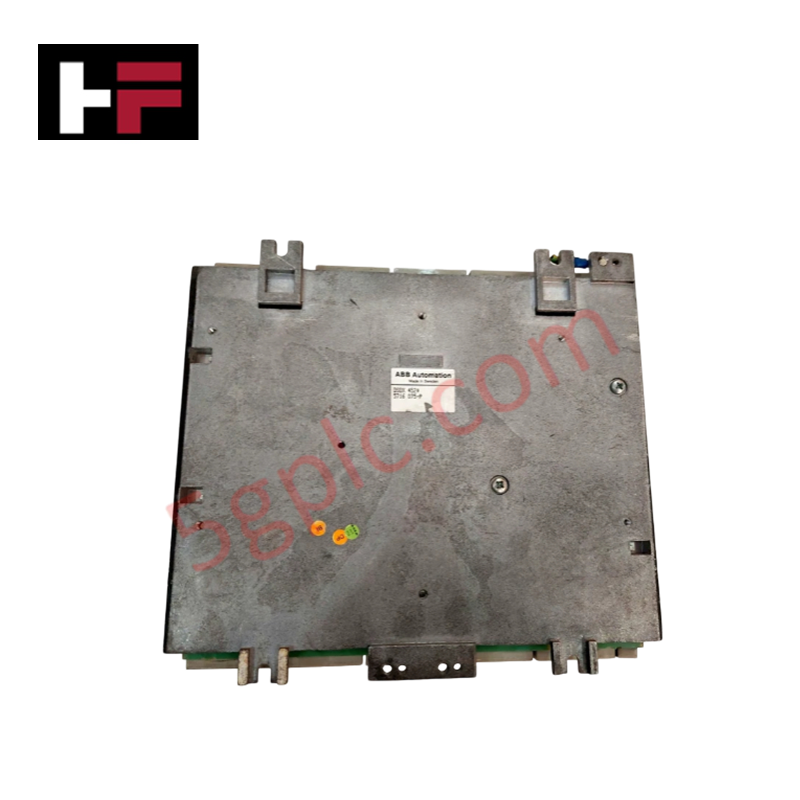
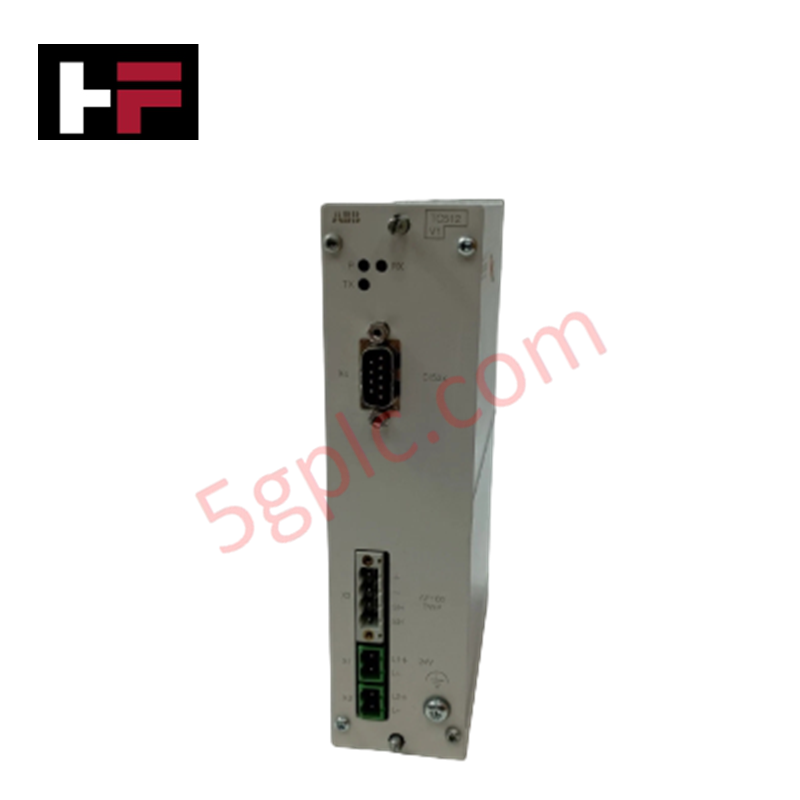
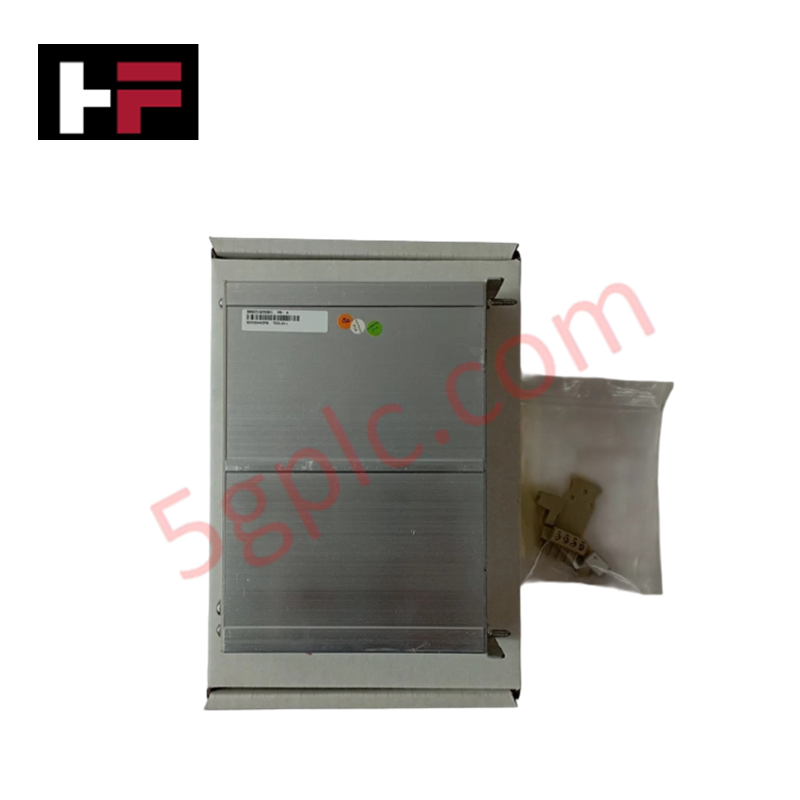
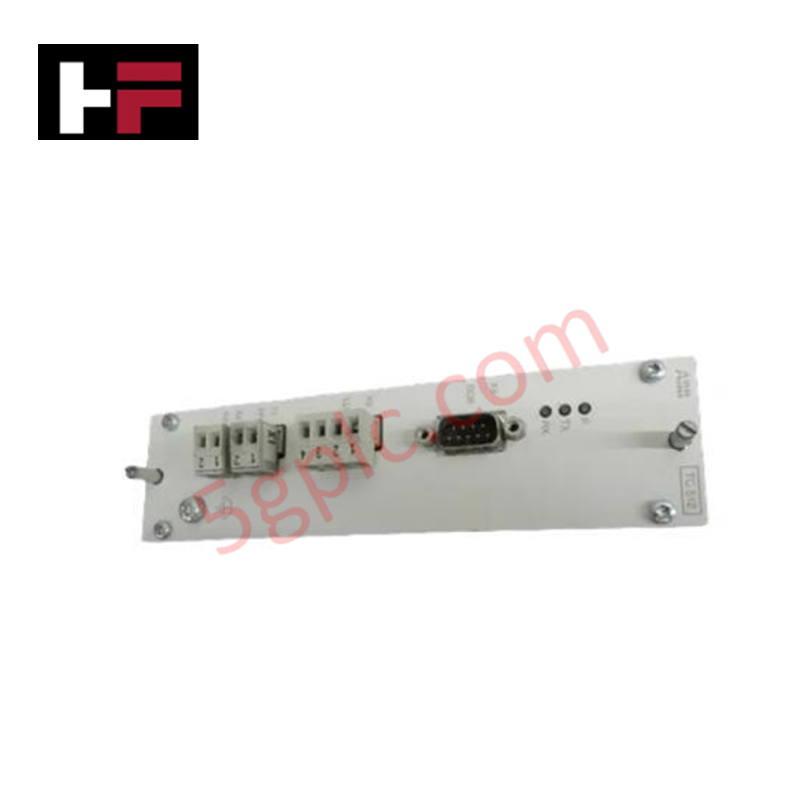
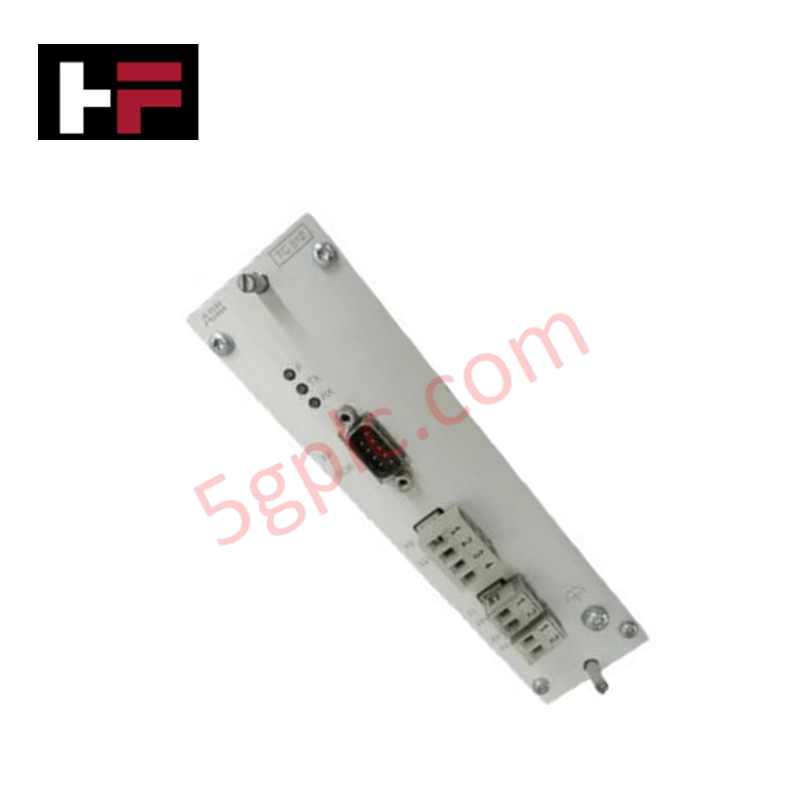
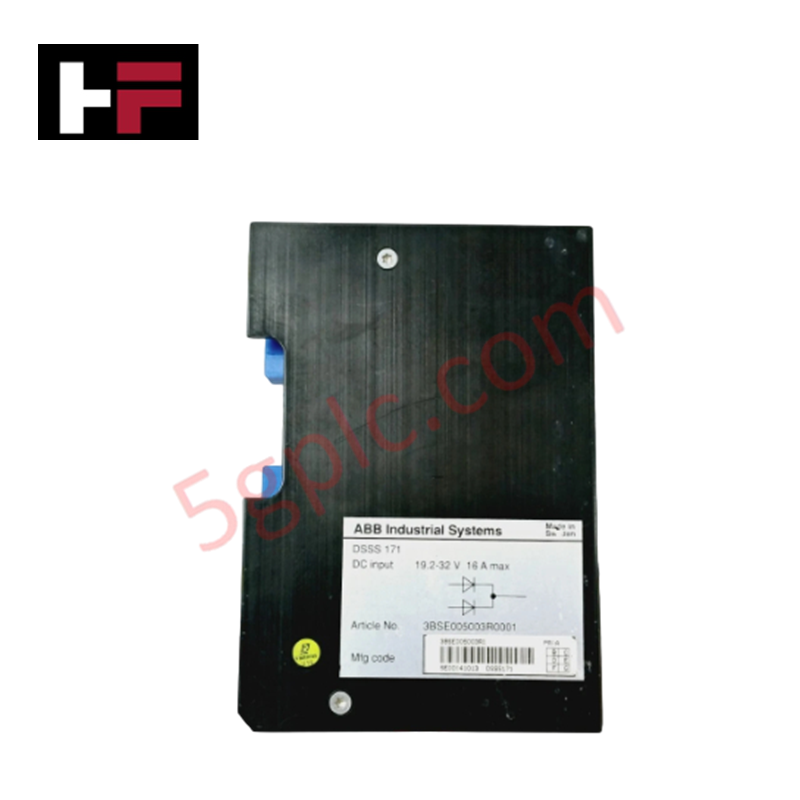
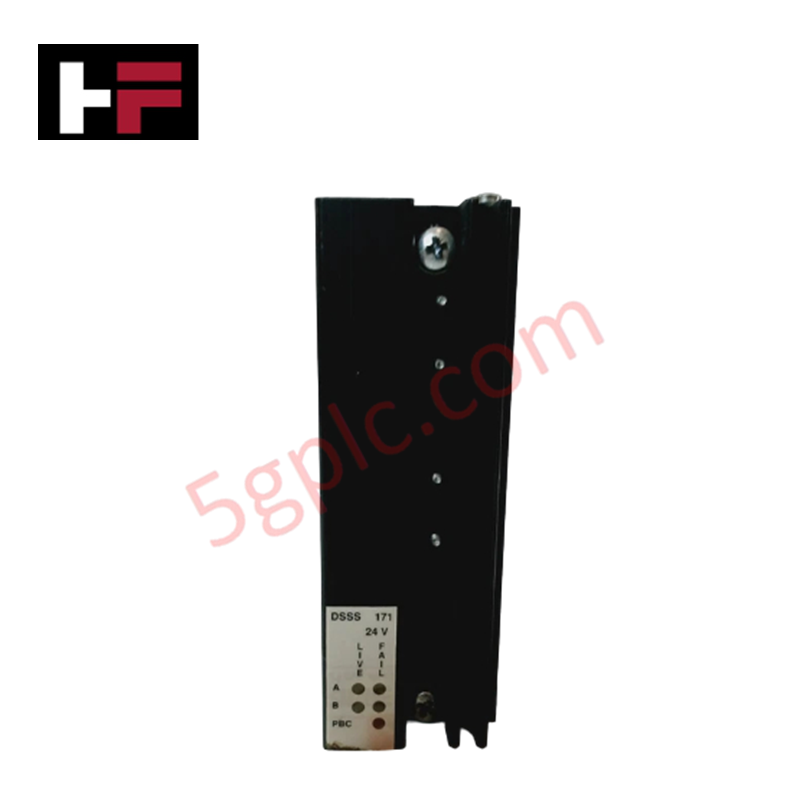
Configured for high-speed datagram staging and volatile register replication in industrial control nodes, the ABB 57360001-MG (DSMB 114 Exchange Memory Board) provides direct physical/electrical execution. This assembly functions as a direct backplane-mapped memory repository, synchronizing active application logic arrays, system parameter configurations, and transactional buffer registers across localized processor architectures.
Hardware Specifications
| Parameter | Specification |
|---|---|
| Model | DSMB 114 (57360001-MG) |
| Brand | ABB |
| Origin | Sweden |
| Weight | 0.55 kg (Allocated standard gross assembly baseline) |
| Dimensions | Standard rack-slotted format for controller chassis integration |
| Power Consumption | System backplane bus driven |
| Operating Temp | 0 to +55 deg C (Nominal standard cabinet enclosure baseline) |
| Part Type | Exchange Accessory |
| Product Type | CPU Processors |
Backplane Bus Communication Velocity and Firmware Flash Compatibility
The access cycles and interface arbitration timing parameters of the ABB DSMB 114 57360001-MG are tuned to remain synchronous with the hardware constraints dictated by the master backplane bus communication velocity. When the host controller distributes execution blocks or real-time diagnostic packets across Profinet / EtherNet/IP deterministic networks, the circuit card arbitrates local access paths to eliminate data collision or bus cycle delay extensions. During hardware modifications or structural I/O density scaling routines, the onboard memory allocation tables must be strictly cross-referenced against the master CPU processing block to guarantee absolute firmware flash compatibility.
Frequently Asked Questions
Q: Can the DSMB 114 memory card be removed or replaced while the control chassis backplane power is active?
A: No. Hot-swapping is strictly prohibited on this module. Extracting or seating the card while the backplane bus is energized can result in address line floating states, severe data corruption within the run-time register maps, localized component breakdown, or immediate master controller fault trips.
Q: What step is required to clear firmware flash compatibility locks during a field replacement?
A: When deploying an exchange module, hardware parameters and system software builds must be updated via the configuration toolset. Unmatched revision baselines will flag an initialization halt code across the localized processor subsystem, inhibiting the boot profile.
Field Installation Guidelines
- Electrostatic Discharge Precautions: Service personnel must wear a properly fitted and grounded electrostatic discharge (ESD) wrist strap prior to extraction or manipulation of the unshielded circuit components to prevent latent trace degradation.
- Chassis Alignment Alignment: Align the card boundaries with the designated physical slot rails inside the controller rack. Guide the module evenly until the rear pin connectors engage securely into the backplane socket, then tighten all chassis retention hardware.
- Data Path Segregation Rules: Ensure all localized field network cables and processing bus lines run inside separate low-voltage wireways. Maintain a physical distance of at least 100 mm from three-phase AC distribution wires or high-inductance motor starters to minimize electromagnetic interference.
- Cabinet Atmosphere Management: Verify that the hosting enclosure cooling system keeps localized ambient values within the 0 to +55 deg C specification range, completely free of conductive particulate contamination and corrosive chemical condensation.
Additional Information
- 100% Genuine Parts: All products are original and authentic, ensuring reliable industrial performance.
- 30-Day Refund Guarantee: Return any in-stock item within 30 days in original, unopened packaging for a full refund (excluding shipping and fees).
- 12-Month Warranty: Covers defects in materials or workmanship; excludes misuse, normal wear, or unauthorized modifications.
- Worldwide Shipping: We ship via USPS, UPS, FedEx, and DHL. Delivery times vary by country and may be subject to customs or import fees.
- Support & Contact: Technical and warranty assistance is available anytime. Contact us here: Contact.
- Purchase Guidance: Check product specifications and compatibility carefully before ordering to ensure proper application.
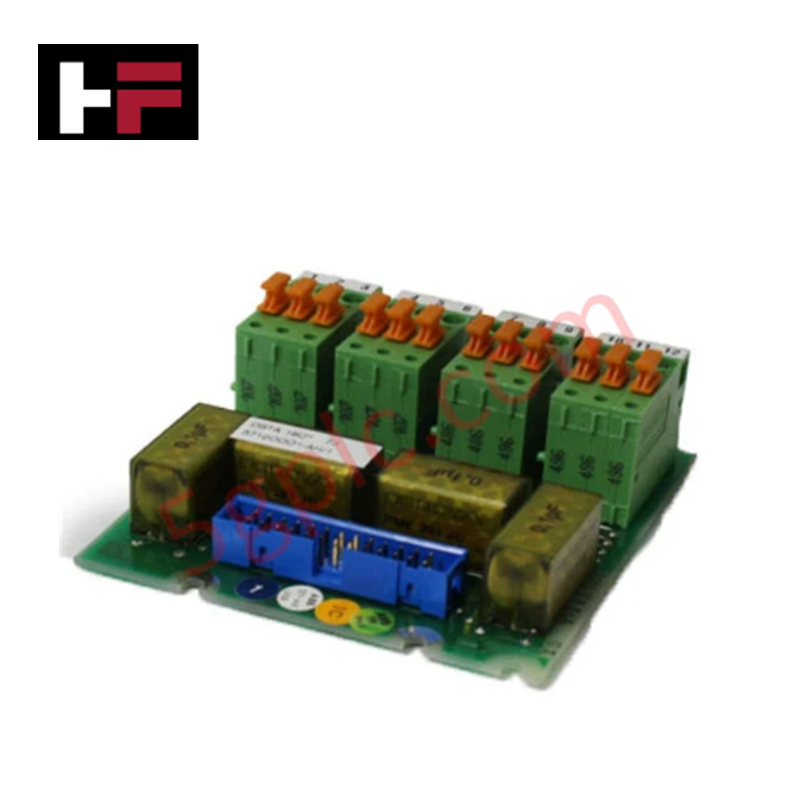
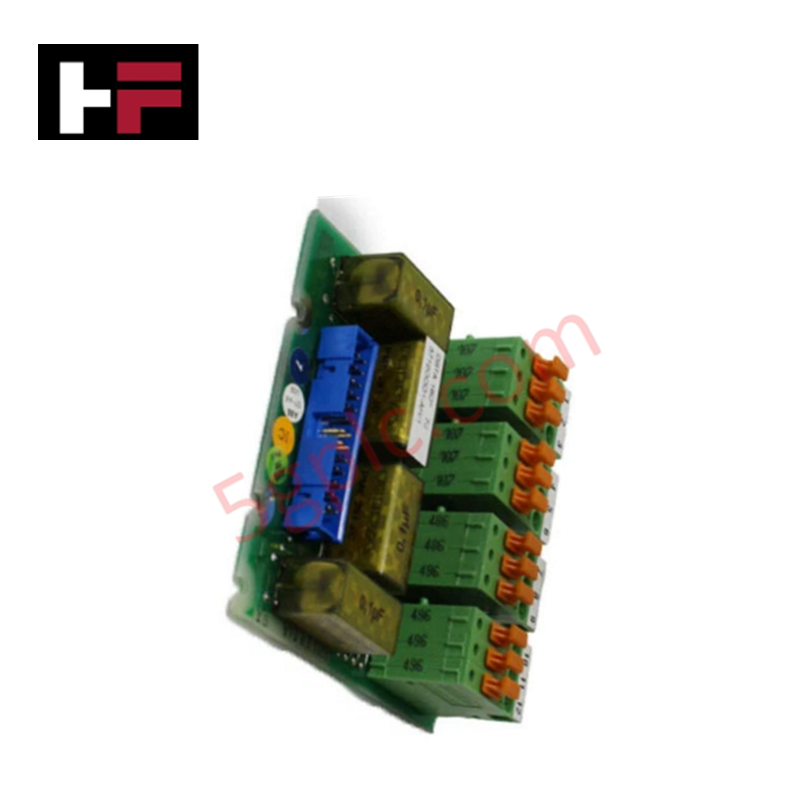
Tech & Buying Guide

Understanding PLC Digital Output Types: Relay, Transistor, and Triac Explained
Programmable Logic Controllers (PLCs) form the backbone of modern industrial automation systems. They interface directly with field devices such as solenoid valves, indicator lights, motor starters, and interposing relays. Selecting the correct digital output module ensures high system availability and long hardware service life.

Understanding VFD Mechanical Brake Logic and Control in Industrial Automation
Variable Frequency Drives (VFDs) play a crucial role in modern industrial automation by controlling motor speed, torque, and acceleration. However, high-inertia loads and vertical lifting systems require precise mechanical braking logic to ensure operational safety and prevent equipment damage.

Why Programmable Logic Controllers Drop into Stop Mode: An Expert Analysis
Industrial automation systems rely heavily on Programmable Logic Controllers (PLCs) to maintain uninterrupted production. When a PLC unexpectedly shifts from Run to Stop mode, whole manufacturing lines stall.
As control systems evolve across modern factory automation, understanding the root causes of these interruptions helps engineers minimize costly downtime. This technical guide breaks down why PLCs trip into Stop mode and provides practical strategies to mitigate system faults.