












Product Details
Description
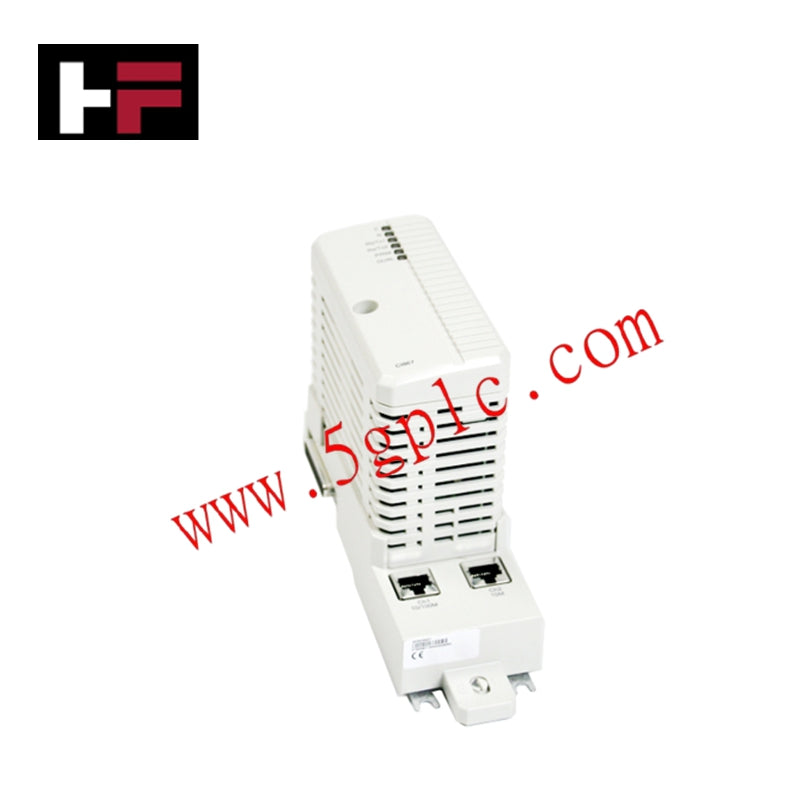
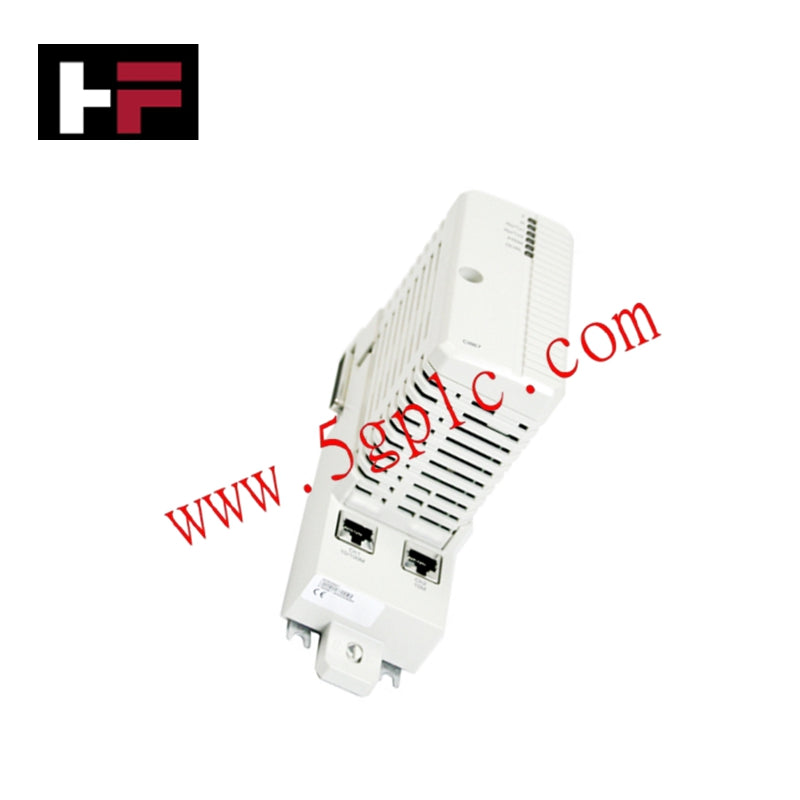
The CI867 3BSE043660R1 facilitates the exchange of process data and diagnostic information over copper Ethernet media. It mounts directly onto the CEX-Bus of the AC 800M CPU, ensuring low-latency communication and high reliability. The module supports both Master (Client) and Slave (Server) roles simultaneously, providing maximum flexibility for complex network topologies. In critical applications, the CI867 can be deployed in redundant pairs to ensure continuous data flow and system availability in the event of a hardware or cable failure.
Specifications
-
Manufacturer: ABB
-
Model Number: CI867 (3BSE018135R1)
-
Protocol: Modbus TCP
-
Hardware Interface: CEX-Bus (Communication Expansion)
-
Ethernet Ports: Single RJ45 port
-
Transmission Speed: 10/100 Mbit/s (Full/Half Duplex)
-
Max Connections: Supports up to 70 concurrent nodes
-
Power Supply: 24 VDC (Supplied via internal bus)
-
Redundancy: Supports 1:1 hardware redundancy
-
Operating Temperature: 5 to 55°C
Features
-
Versatile Role Support: Operates as both a Modbus TCP Master and Slave, enabling seamless bidirectional data transfer between the controller and external devices.
-
Redundant System Architecture: Specifically designed for high-availability configurations, allowing for automatic failover when used with redundant AC 800M CPUs.
-
Deterministic Performance: Optimized firmware ensures stable scan times and reliable delivery of time-critical industrial data.
-
Streamlined Integration: Fully compatible with the ABB Control Builder M software, featuring built-in libraries for rapid configuration and troubleshooting.
-
Electrical Safety: Includes integrated galvanic isolation to protect the central processing unit from network transients and noise.
-
Real-time Diagnostics: Front-facing LED indicators provide immediate visual feedback on power status, module errors, and network traffic activity.
Additional Information
- 100% Genuine Parts: All products are original and authentic, ensuring reliable industrial performance.
- 30-Day Refund Guarantee: Return any in-stock item within 30 days in original, unopened packaging for a full refund (excluding shipping and fees).
- 12-Month Warranty: Covers defects in materials or workmanship; excludes misuse, normal wear, or unauthorized modifications.
- Worldwide Shipping: We ship via USPS, UPS, FedEx, and DHL. Delivery times vary by country and may be subject to customs or import fees.
- Support & Contact: Technical and warranty assistance is available anytime. Contact us here: Contact.
- Purchase Guidance: Check product specifications and compatibility carefully before ordering to ensure proper application.


Tech & Buying Guide
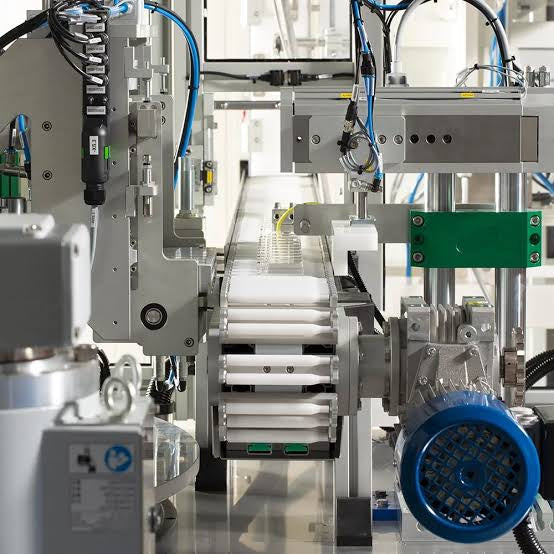
Mastering Modern Industrial Joystick Controls in Heavy Automation
Industrial joysticks play a pivotal role in human-machine interaction across heavy material handling and mobile hydraulics. These tactile controllers translate complex operator movements into precise electrical signals for PLCs, motion controllers, and DCS networks. Consequently, selecting and installing the right joystick architecture ensures operator safety, reduces fatigue, and optimizes equipment performance.

Navigating Industrial Automation Failures: Types, Causes, and Mitigation Strategies
Modern manufacturing relies heavily on automated control systems to maximize throughput and maintain product quality. However, unplanned downtime in industrial automation can cost facility operators thousands of dollars per hour. Understanding how programmable logic controllers (PLCs), distributed control systems (DCS), and field instrumentation fail empowers engineering teams to implement robust preventive maintenance strategies.
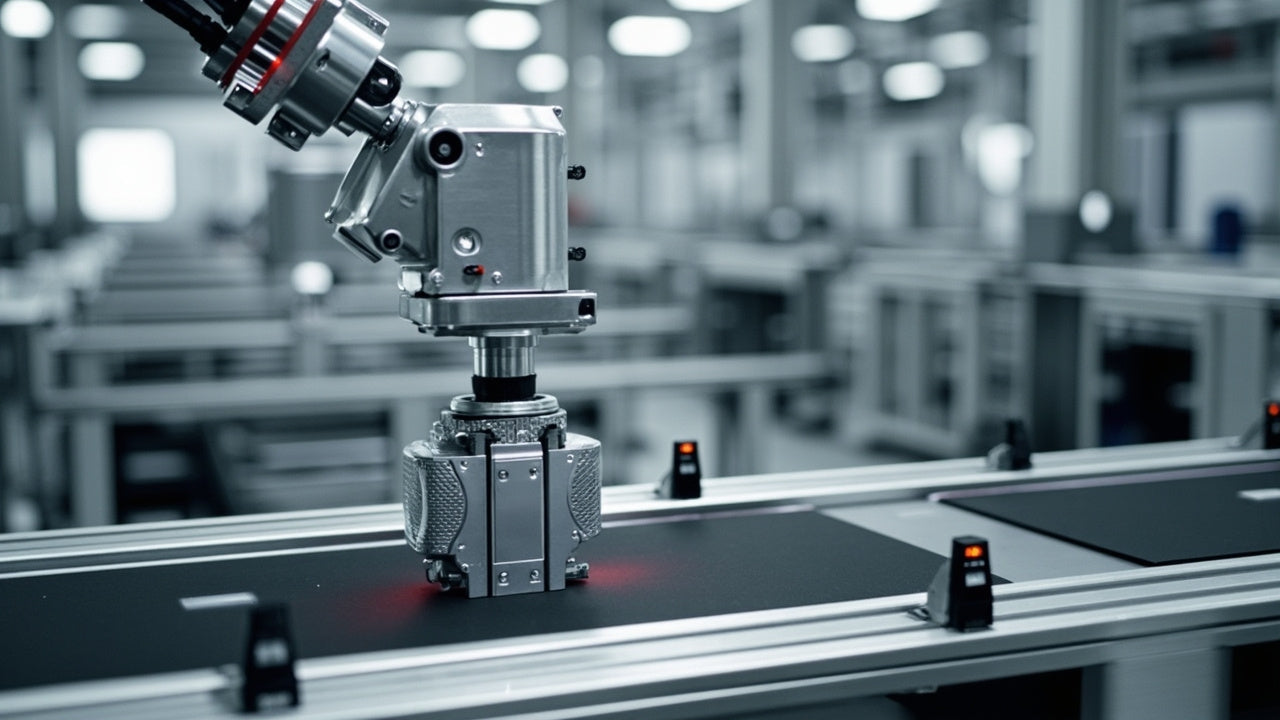
Essential Motion Control Commands: A Practical Guide for Engineers
Automation engineers often rely on precise position and speed control to drive modern factory machinery. Modern industrial systems, such as Programmable Logic Controllers (PLCs) and Distributed Control Systems (DCS), depend heavily on standardized motion instructions. Mastering these commands ensures operational safety, protects mechanical components, and optimizes cycle times across production lines.