










Product Details
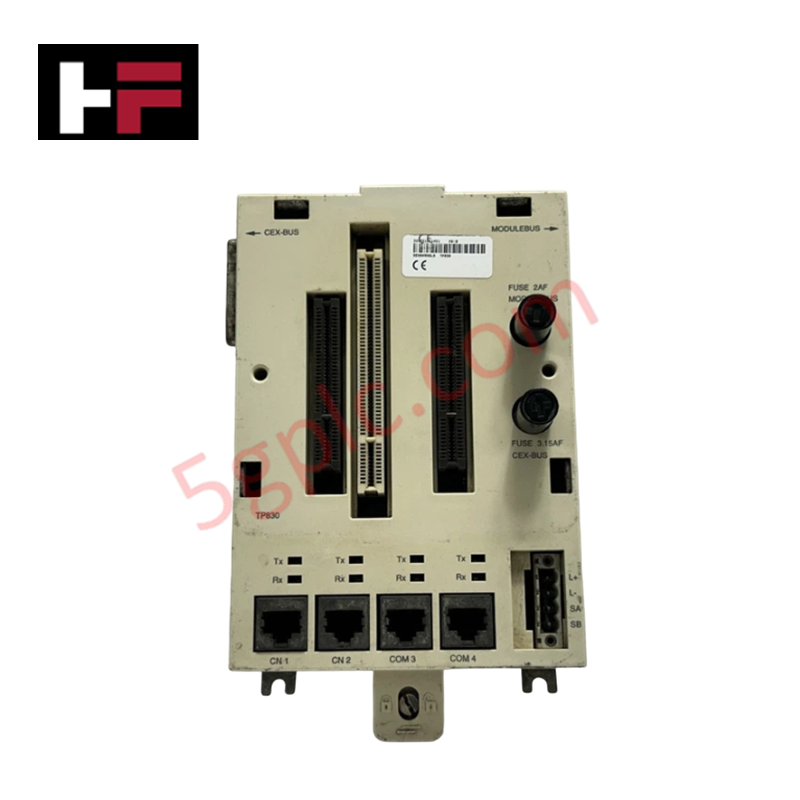
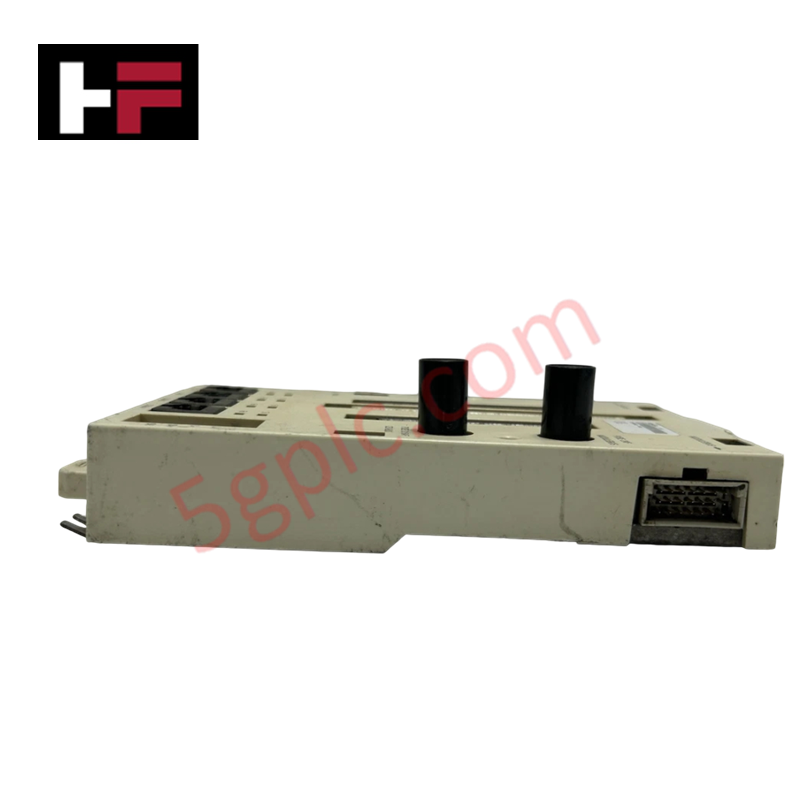
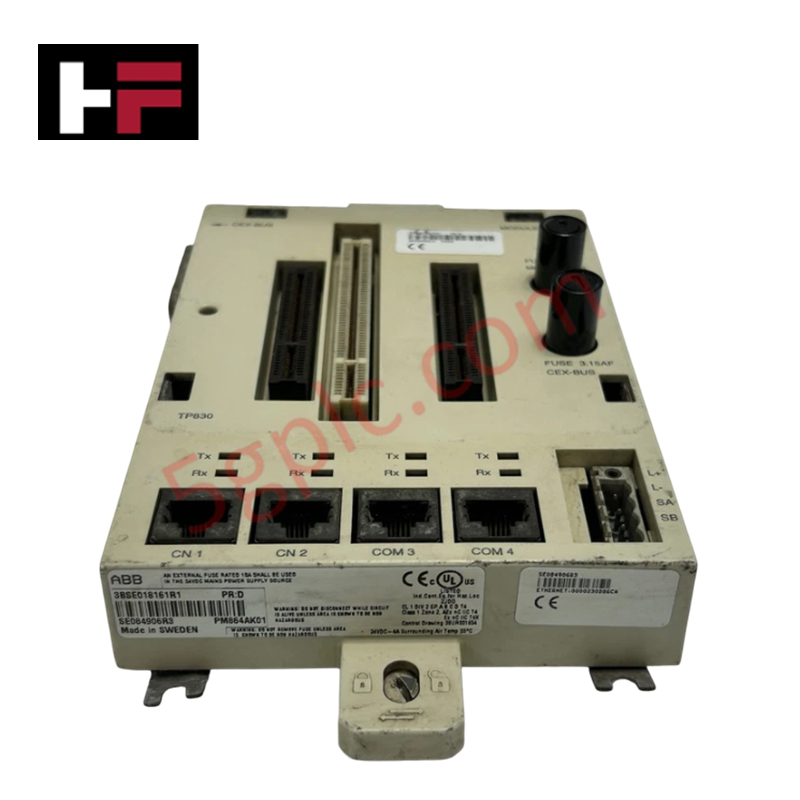
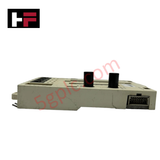
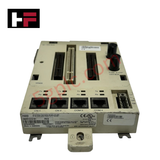
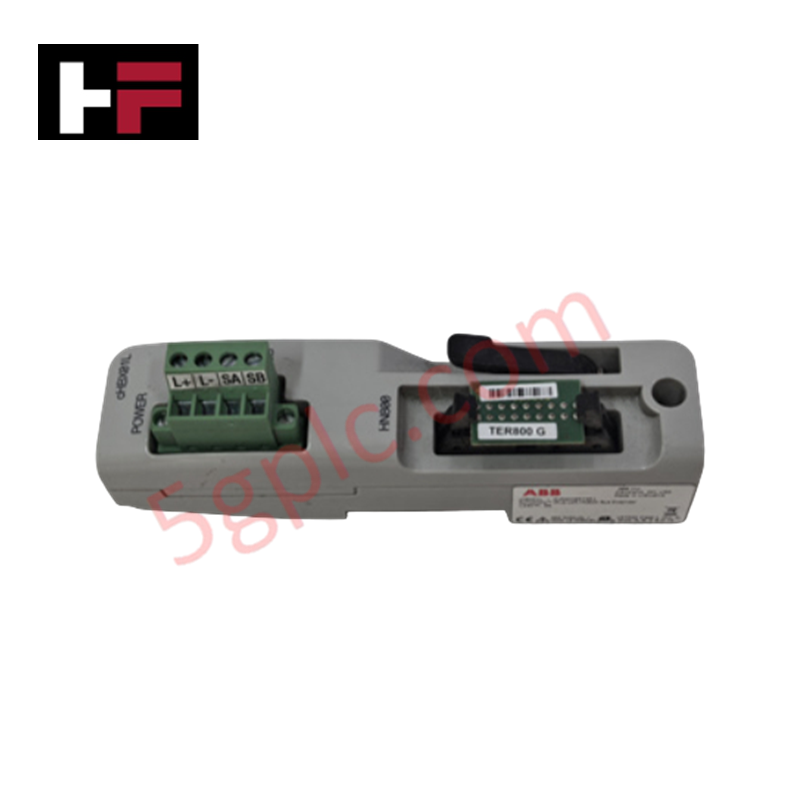
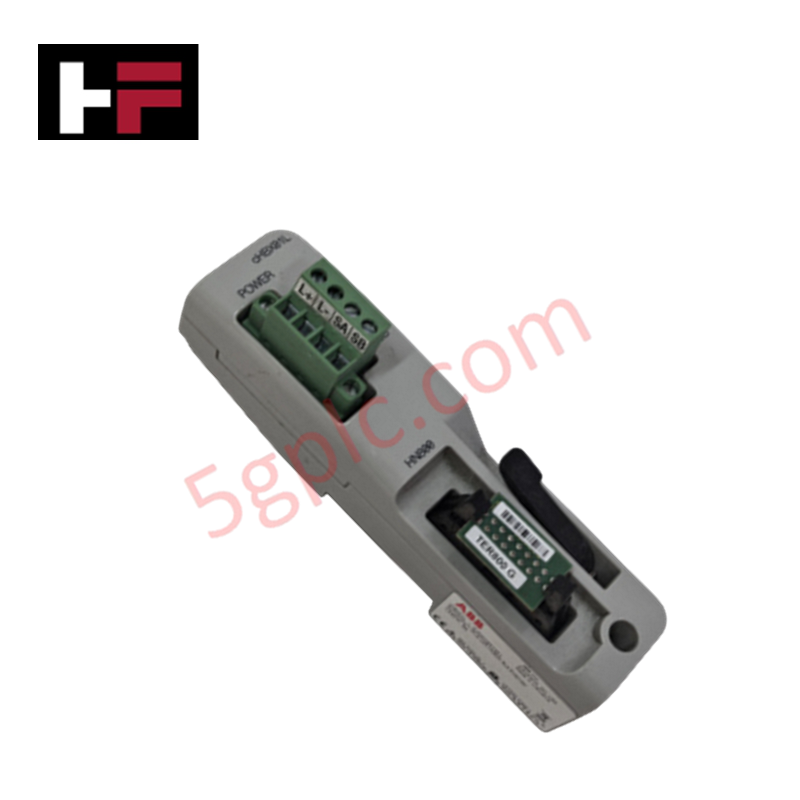
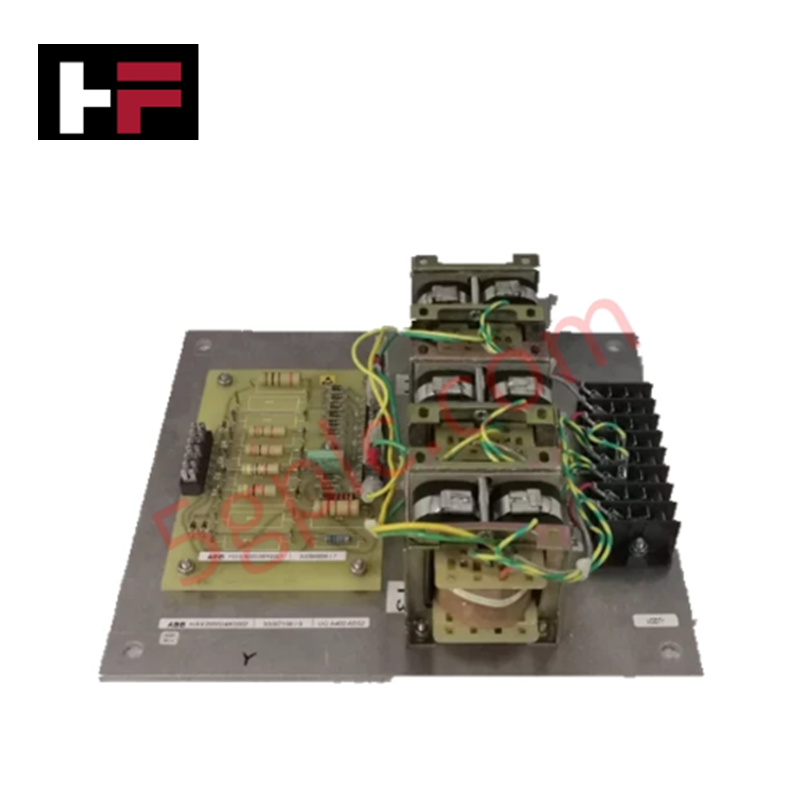
The ABB TP830 3BSE018114R1, also cataloged as the TP830 Baseplate, operates as a dedicated hardware component for structural mounting and backplane bus interfacing within AC 800M controller configurations.
Hardware Specifications
| Parameter | Specification |
|---|---|
| Model | TP830 (Product ID: 3BSE018114R1) |
| Brand | ABB |
| Origin | United States |
| Weight | 0.5 kg (1 lb 1 oz) |
| Dimensions | 12.7 cm x 7.6 cm x 20.3 cm (5.0 in x 3.0 in x 8.0 in) |
| Operating Temp | 0 to +55 deg C |
| Power Consumption | Passive backplane assembly (N/A) |
| Product Type | Baseplate for PM8xx Processor Modules |
| Processor Compatibility | PM851, PM856, PM864, PM865, PM866 |
| Customs Tariff | 8538908180 |
Backplane Bus Communication Velocity and System Integration
The TP830 baseplate serves as the physical and electrical grounding foundation for AC 800M processor modules, providing internal bus lines for high-velocity signal propagation between controller units and redundant power inputs. Internal trace routing supports deterministic backplane bus communication velocity and firmware flash compatibility during online module insertion, preventing control loop disruption across active processor racks.
Frequently Asked Questions
Q: Can the TP830 baseplate be hot-swapped while the processor module is actively executing control logic?
A: No. Removing or replacing the baseplate breaks physical power rail continuity and backplane bus termination, which disrupts signal execution across the connected processor rack.
Q: How is electrical shielding and grounding maintained across the baseplate assembly?
A: Chassis ground is established directly through internal metallic contacts engaging the mounting surface and DIN-rail, ensuring proper noise isolation for backplane communication.
Field Installation Guidelines
- Mount the baseplate firmly on a standard grounded 35 mm DIN-rail or metal sub-panel before inserting any processor modules.
- Inspect all pin connections on the backplane interface header to ensure no pins are bent or contaminated with field debris.
- Align the compatible processor module (PM851, PM856, PM864, PM865, or PM866) with the guide rails and press firmly until side locking mechanisms engage fully.
- Verify low-impedance connection between the mounting plate ground terminal and the local cabinet protective earth (PE) busbar prior to applying system power.
Additional Information
- 100% Genuine Parts: All products are original and authentic, ensuring reliable industrial performance.
- 30-Day Refund Guarantee: Return any in-stock item within 30 days in original, unopened packaging for a full refund (excluding shipping and fees).
- 12-Month Warranty: Covers defects in materials or workmanship; excludes misuse, normal wear, or unauthorized modifications.
- Worldwide Shipping: We ship via USPS, UPS, FedEx, and DHL. Delivery times vary by country and may be subject to customs or import fees.
- Support & Contact: Technical and warranty assistance is available anytime. Contact us here: Contact.
- Purchase Guidance: Check product specifications and compatibility carefully before ordering to ensure proper application.
Tech & Buying Guide
Modern Industrial Automation: Transforming Safety and Efficiency in Mining Operations
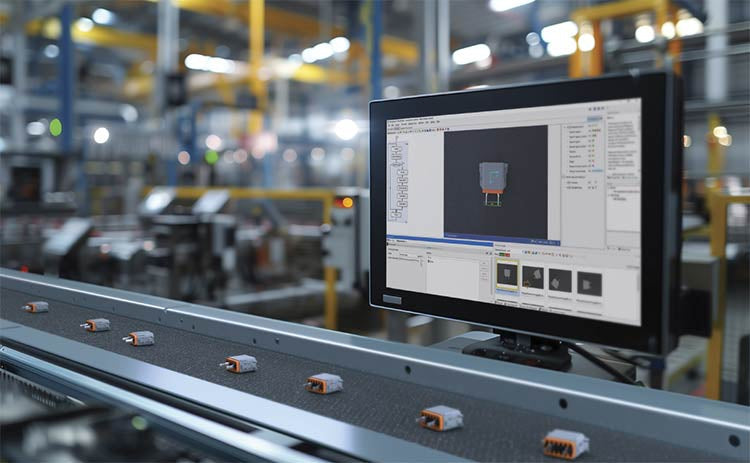
Industrial automation has evolved from a simple manufacturing tool into the operational backbone of high-risk sectors. Modern mining operations increasingly rely on advanced control systems, programmable logic controllers (PLCs), distributed control systems (DCS), and artificial intelligence to address deep-underground hazards. By replacing manual labor in high-risk zones, factory automation technologies protect personnel while significantly boosting operational throughput.

Step-by-Step System Cabinet Health Check Guide for PLC and DCS Infrastructure
