Understanding SCADA Systems in Industrial Automation: A Comprehensive Overview
- 〡
- 〡 by WUPAMBO
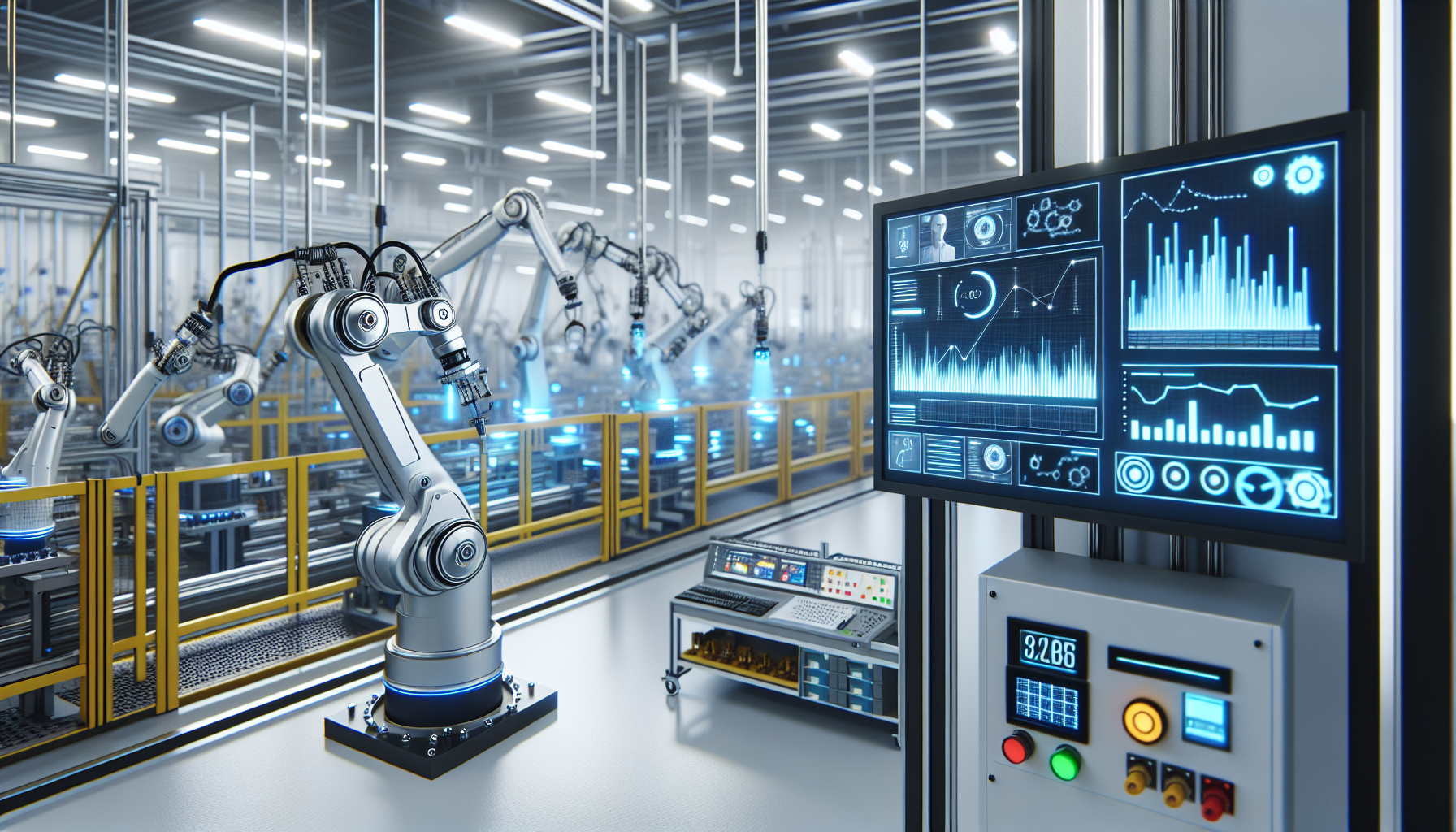
Supervisory Control and Data Acquisition (SCADA) systems play a vital role in modern industrial automation, enabling real-time monitoring and control of a wide range of processes. In this article, we will explore how SCADA systems work, their components, applications, and the key factors that drive their efficiency in various industries.
What is SCADA and How Does it Work?
SCADA is a central system used for controlling industrial processes and collecting data from remote locations. It is designed to display real-time information, log data, and raise alarms when necessary. SCADA systems are typically deployed in industries like manufacturing, energy production, water treatment, and oil & gas, offering centralized monitoring and control capabilities.
Key Components of a SCADA System
SCADA systems consist of several interconnected components that facilitate data acquisition, communication, and control operations:
-
Remote Terminal Units (RTUs): RTUs are field devices connected to sensors that collect data such as flow rates, pressure, temperature, and machine status. These units convert the analog data into digital signals for transmission to the supervisory system.
-
Programmable Logic Controllers (PLCs): PLCs are used for automated control at the site level. They execute logic operations to control equipment like pumps, valves, and motors. SCADA systems interact with PLCs to manage the system based on real-time conditions.
-
Human-Machine Interface (HMI): The HMI allows operators to monitor and control the system through graphical interfaces. It displays real-time data, alarm notifications, and allows manual adjustments when necessary.
-
Supervisory System: The supervisory station is responsible for collecting, analyzing, and storing data received from RTUs and PLCs. It processes the information, presents it to operators, and sends control signals to the field devices.
How SCADA Works
SCADA systems gather data from field devices such as RTUs and PLCs, then present the information to operators via the HMI. Data can be categorized into three main types:
-
Analog Data: Continuous values like pressure or temperature, typically shown in graphs or trends.
-
Digital Data: Binary data, such as on/off statuses, which may trigger alarms.
-
Pulse Data: Countable events like machine revolutions or water flow, often accumulated for monitoring purposes.
SCADA systems facilitate both automatic and operator-initiated control actions. For instance, a PLC may regulate cooling water flow, while the SCADA system enables adjustments to set points or triggers alarms if certain thresholds are breached.
SCADA Data Management
Data management in SCADA is often organized into tag databases, where each tag represents a point that is monitored or controlled. These tags are either "hard" (direct measurements) or "soft" (derived from calculations). The data is timestamped to create historical records, helping operators track trends and diagnose issues over time.
Applications of SCADA Systems in Various Industries
SCADA systems are widely used across industries to monitor and control processes that require real-time data collection and analysis. Here are some of the key applications:
1. Power Plants
In power generation, SCADA systems help manage peak load plants, such as hydro and gas plants, which can be rapidly brought online to meet demand. SCADA controls turbines, monitors equipment status, and ensures smooth operation during peak load conditions.
2. Oil & Gas Industry
In oil and gas facilities, SCADA systems monitor and control equipment spread across vast areas. These include pumps, valves, and motors, as well as crucial parameters like pressure and temperature. SCADA systems help prevent accidents and optimize performance in remote locations.
3. Pipelines
SCADA plays a vital role in the operation of pipelines carrying oil, gas, chemicals, and water. It helps control the opening and closing of valves, monitor flow rates, and detect potential leaks to ensure safe and efficient transportation over long distances.
4. Electrical Power Transmission
Electricity transmission networks often span large areas. SCADA systems provide real-time monitoring and control of substations, circuit breakers, and other equipment, ensuring reliable power distribution and the quick detection of faults.
5. Irrigation Systems
SCADA systems in agriculture automate irrigation processes by controlling water flow, monitoring soil moisture, and adjusting irrigation schedules to optimize water use in large agricultural areas.
The Evolution of SCADA Systems
SCADA technology has evolved significantly over the years, with advancements in communication protocols, integration with IT systems, and real-time data analytics. Initially, SCADA systems relied on proprietary communication protocols, limiting interoperability. However, modern SCADA systems now use standardized protocols such as Modbus, DNP3, and IEC 61850, improving system compatibility and security.
The introduction of Ethernet and IP-based communication has also enabled remote monitoring and control over the internet, allowing for enhanced accessibility but also introducing potential security risks. These challenges are being addressed by incorporating encryption, secure VPNs, and firewalls to safeguard SCADA networks.
SCADA Security: A Growing Concern
As SCADA systems increasingly connect to corporate IT networks and the internet, security risks have become a significant concern. Cyberattacks targeting SCADA networks can have severe consequences, disrupting critical infrastructure such as power grids, water supplies, and oil pipelines.
Industry experts recommend implementing robust security measures, including the use of firewalls, intrusion detection systems, and access controls to mitigate these risks. Additionally, regular system updates and security patches are essential to maintaining the integrity of SCADA systems.
Author’s Insight on SCADA Trends and the Future
The future of SCADA systems lies in their ability to integrate seamlessly with Industry 4.0 technologies, such as the Internet of Things (IoT), artificial intelligence (AI), and machine learning (ML). As industries continue to adopt these advanced technologies, SCADA systems will evolve to become smarter, more autonomous, and capable of providing deeper insights into system performance.
In particular, AI-powered SCADA systems will be able to predict failures before they occur, optimizing maintenance schedules and reducing downtime. Additionally, the increasing use of cloud-based SCADA systems will enable better scalability and flexibility, allowing businesses to scale their operations without the need for costly on-premise infrastructure.
Conclusion: The Importance of SCADA in Industrial Automation
SCADA systems are integral to the operation of modern industrial automation, providing real-time monitoring, control, and data analysis. As industries continue to embrace digital transformation, SCADA systems will play a critical role in improving efficiency, safety, and performance. With advancements in security and the integration of AI and IoT technologies, the future of SCADA systems looks promising, enabling more intelligent and autonomous control of industrial processes.