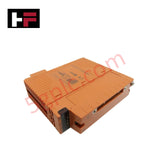
Product Details
Engineering Overview
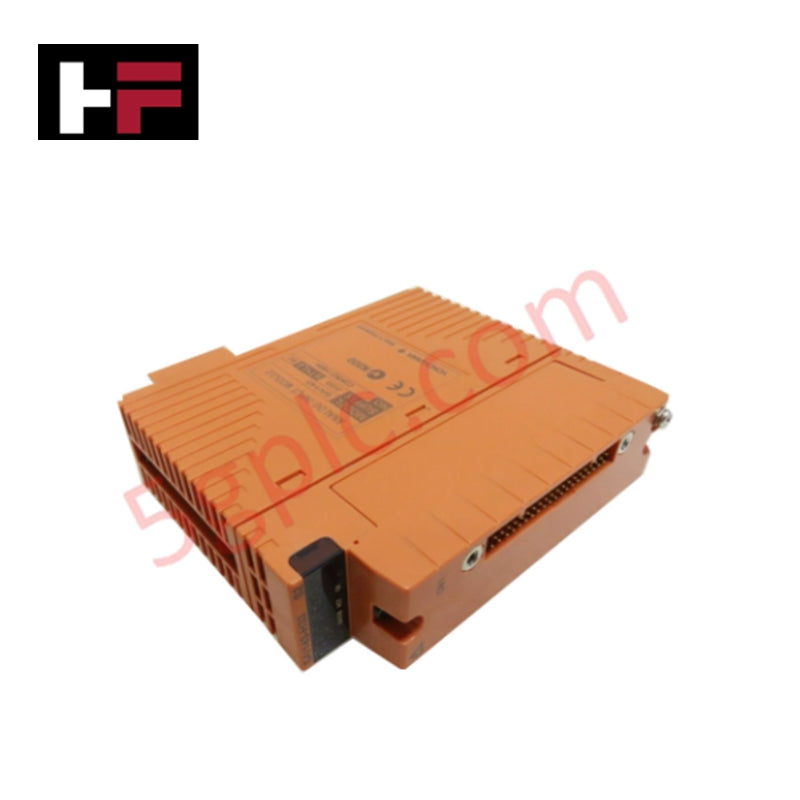
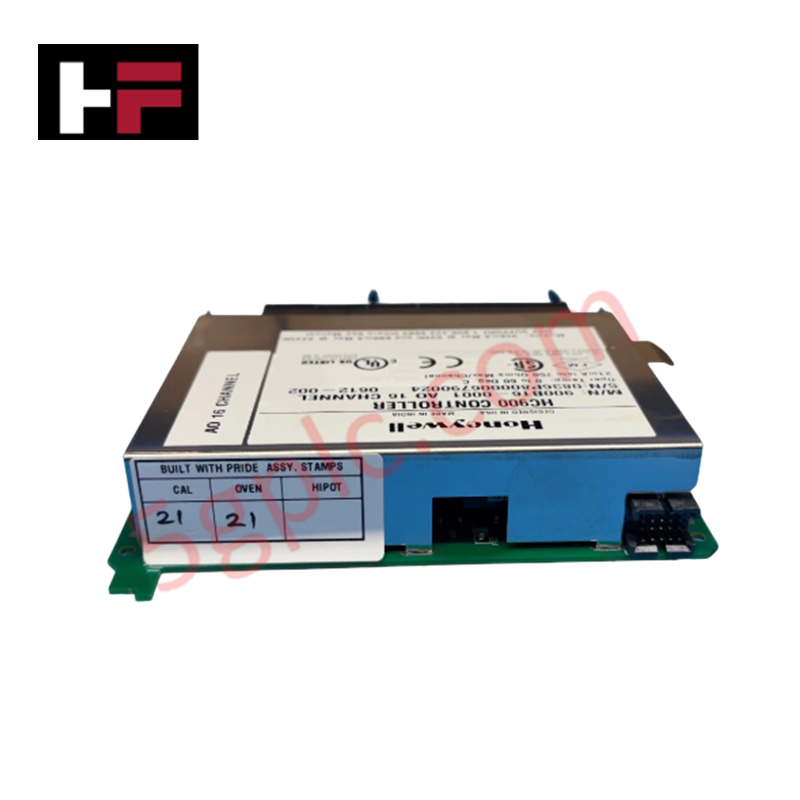
The SAI143-H63 is a high-reliability analog input interface designed for the Yokogawa ProSafe-RS safety instrumented system. This module is specifically engineered to handle 16 channels of 4 to 20 mA signals from field transmitters, providing the critical data acquisition necessary for SIL-rated safety loops.
A key distinction of the SAI143-H63 is its environmental hardening. The "63" suffix indicates that the module is equipped with ISA Standard G3 conformal coating for superior corrosion resistance and is rated for an extended operating temperature range of -20 to 70 °C. While some legacy documentation incorrectly categorizes this as a digital output, it is fundamentally a high-performance analog input module with integrated HART communication capabilities, allowing for remote asset management and diagnostic pass-through.
Technical Specifications
The SAI143-H63 provides robust electrical and thermal characteristics for demanding process environments:
-
Manufacturer: Yokogawa Electric Corporation
-
Model Number: SAI143-H63
-
Input Type: Analog Input (HART enabled)
-
Channel Density: 16 channels with module-to-system isolation
-
Signal Range: 4 to 20 mA DC
-
Sampling Rate: 40 ms data update frequency
-
Isolation Integrity: 1.5 kV AC dielectric strength (1 minute)
-
Transmitter Power: Integrated power supply control for 2-wire loops (simultaneous 16-channel switching)
-
Environmental Protection: ISA G3 Conformal Coating (corrosive gas resistance)
-
Operating Limits: -20 to 70 °C (-4 to 158 °F)
-
Interface Compatibility: Optimized for pressure clamp terminal blocks or MIL connector interfaces
-
Mass: Approx. 0.34 kg (Net), 1.5 kg (Shipping weight)
Operational Context and Safety
The SAI143-H63 (SAI143-H63) is typically deployed in FIO (Field I/O) nodes where continuous monitoring of pressure, level, or flow is vital for plant safety. The module’s ability to operate in wide temperature swings makes it ideal for remote instrument enclosures without active HVAC. Its HART functionality allows maintenance engineers to verify transmitter health and calibration status directly from the safety control station, reducing the need for field inspections in hazardous areas.
Frequently Asked Questions
What is the primary difference between the SAI143-H63 and the H03 version?
The H63 variant is built for harsh environments, offering G3 corrosion protection and a broader temperature rating (-20 to 70 °C), whereas the H03 is intended for standard temperature-controlled control rooms (0 to 60 °C).
Does this module support dual-redundancy?
Yes. When installed in a redundant-compatible FIO nest, two SAI143-H63 modules can be paired to ensure that a single hardware failure does not interrupt the safety function or process monitoring.
Additional Information
- 100% Genuine Parts: All products are original and authentic, ensuring reliable industrial performance.
- 30-Day Refund Guarantee: Return any in-stock item within 30 days in original, unopened packaging for a full refund (excluding shipping and fees).
- 12-Month Warranty: Covers defects in materials or workmanship; excludes misuse, normal wear, or unauthorized modifications.
- Worldwide Shipping: We ship via USPS, UPS, FedEx, and DHL. Delivery times vary by country and may be subject to customs or import fees.
- Support & Contact: Technical and warranty assistance is available anytime. Contact us here: Contact.
- Purchase Guidance: Check product specifications and compatibility carefully before ordering to ensure proper application.



Tech & Buying Guide

Voice-Activated Industrial Automation: Integrating Speech Control into PLC and DCS Architectures
Industrial automation integrates speech recognition, IIoT protocols, and NLP with PLCs and DCS to streamline operations. By leveraging advanced edge computing, engineers enable real-time, hands-free control—allowing personnel to manage smart factory processes safely away from hazardous equipment.
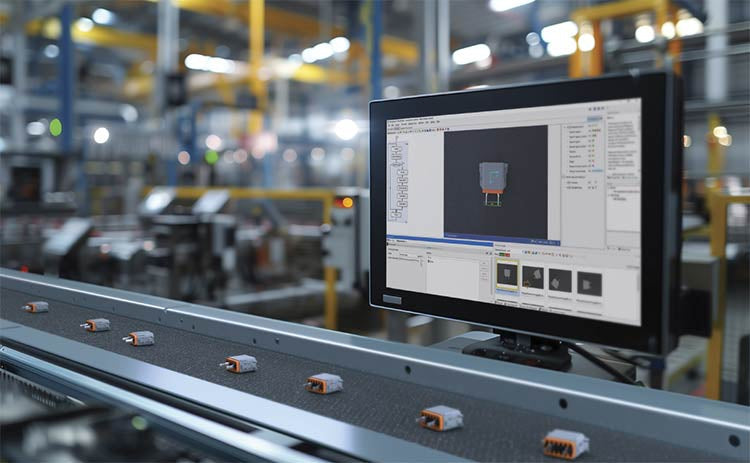
Modern Industrial Automation: Transforming Safety and Efficiency in Mining Operations
Industrial automation has evolved from a simple manufacturing tool into the operational backbone of high-risk sectors. Modern mining operations increasingly rely on advanced control systems, programmable logic controllers (PLCs), distributed control systems (DCS), and artificial intelligence to address deep-underground hazards. By replacing manual labor in high-risk zones, factory automation technologies protect personnel while significantly boosting operational throughput.