










Product Details
Product Overview
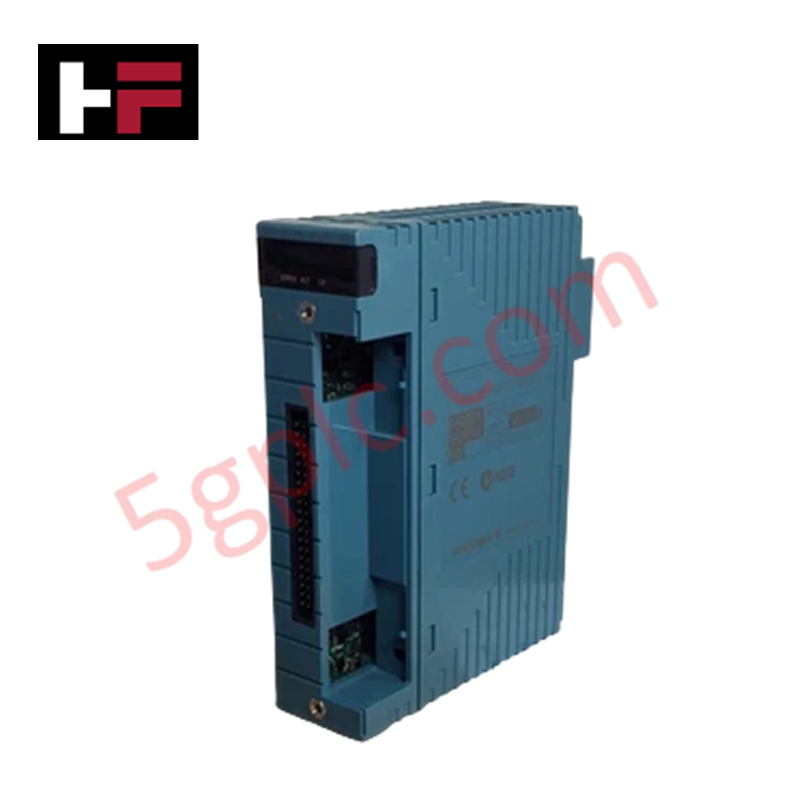
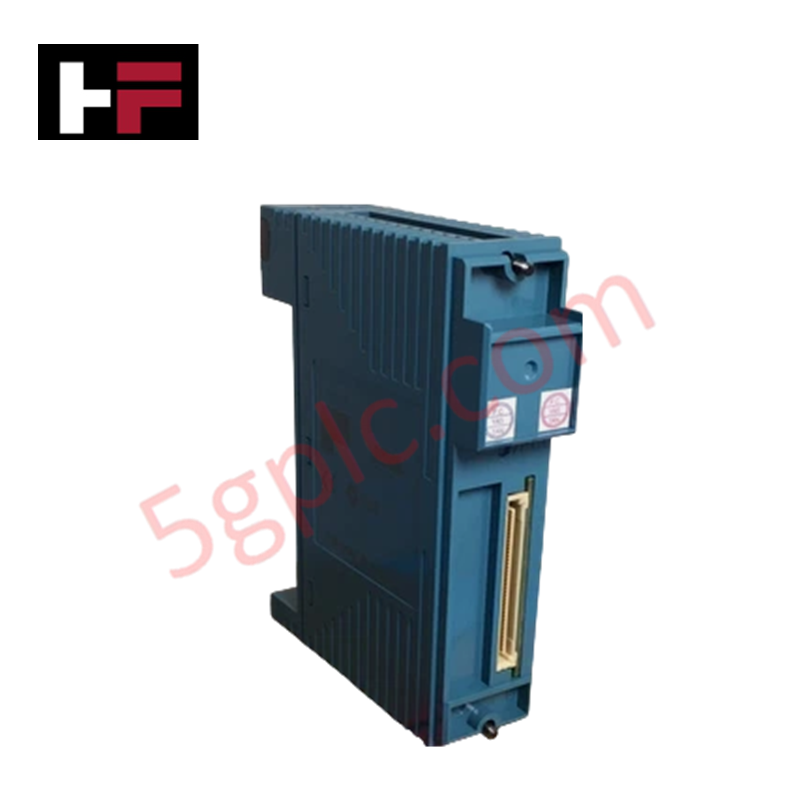
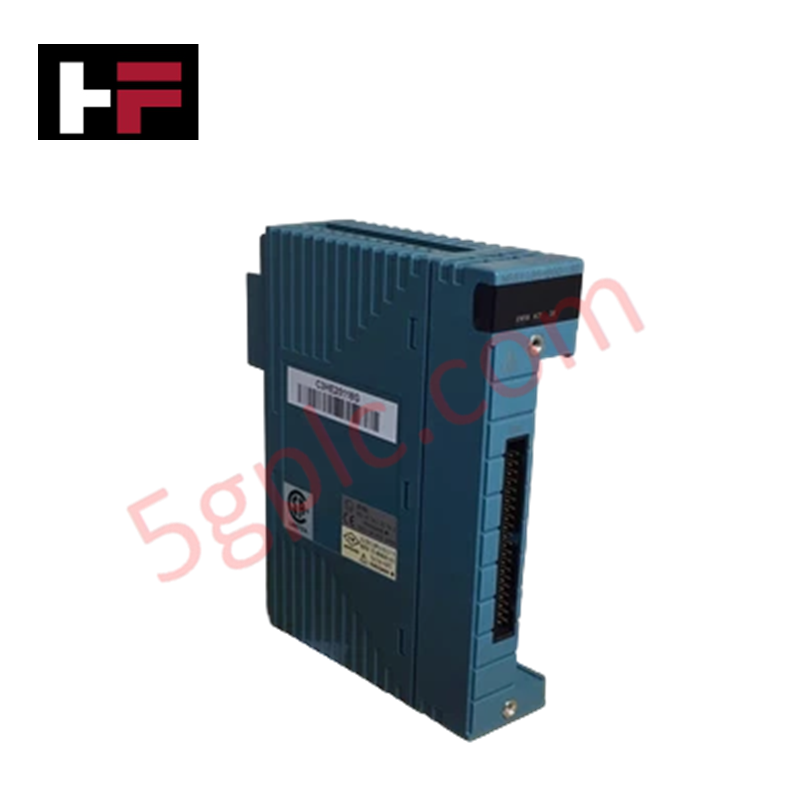
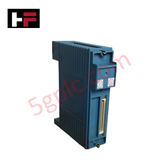
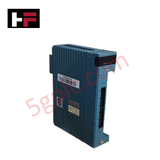
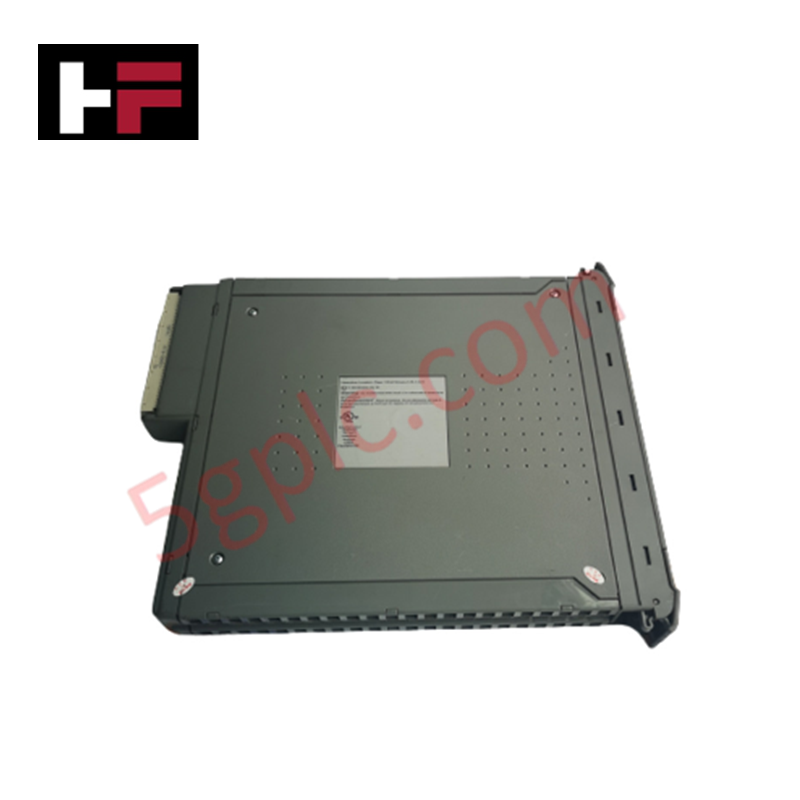
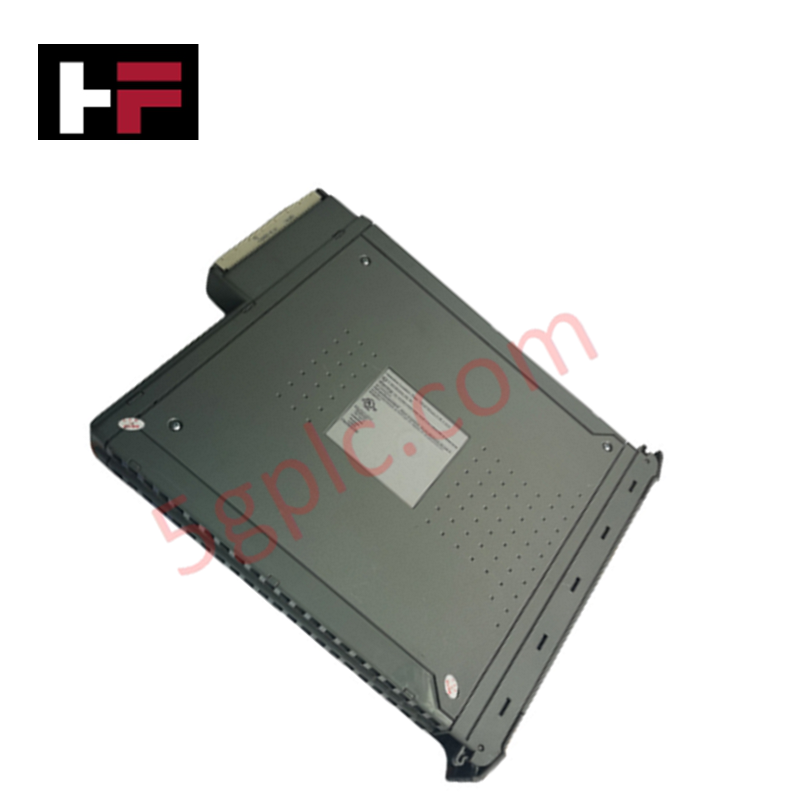
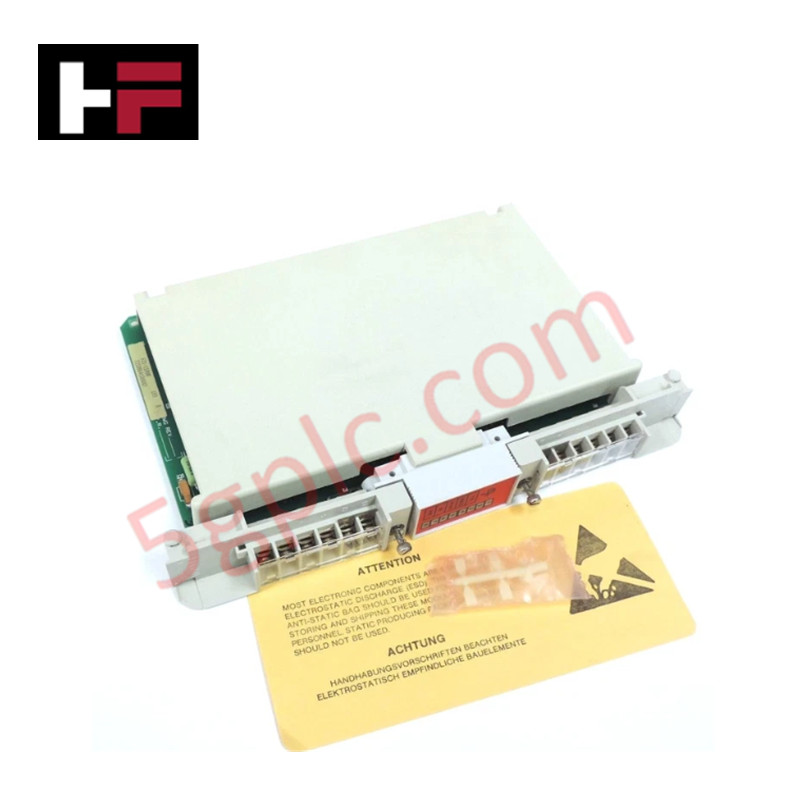
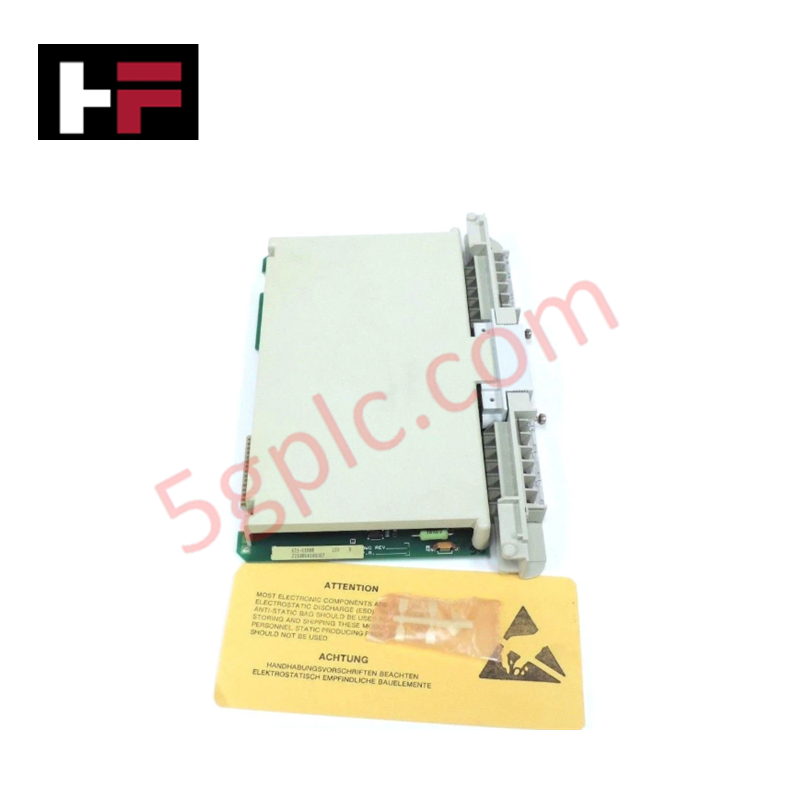
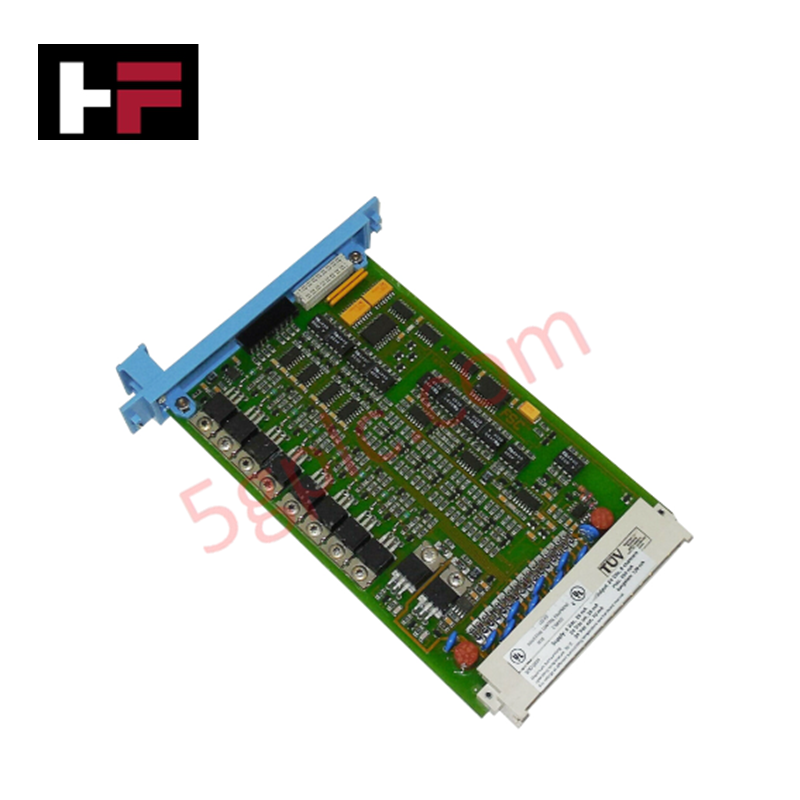
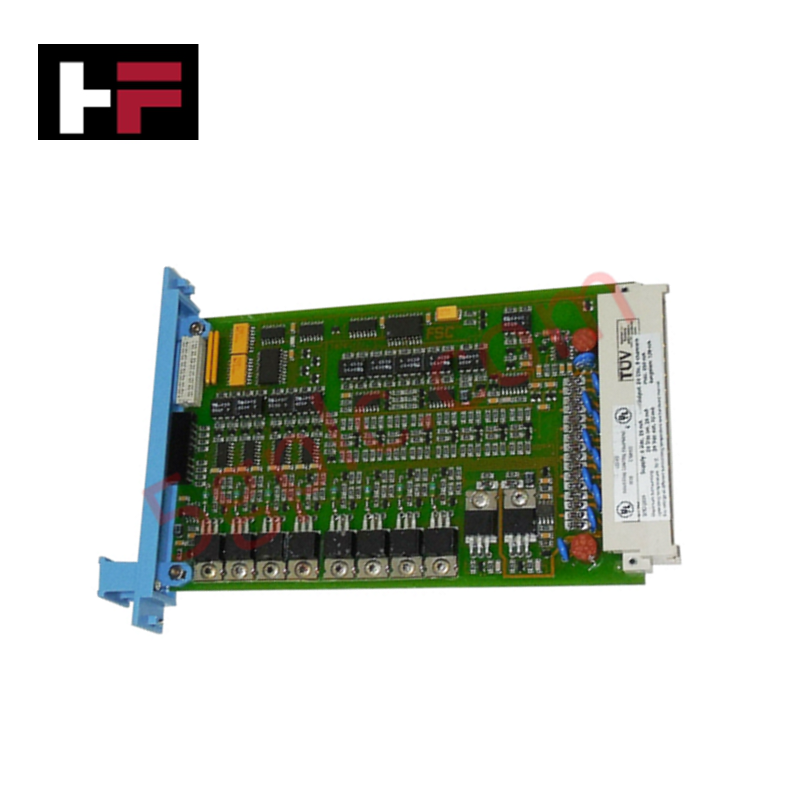
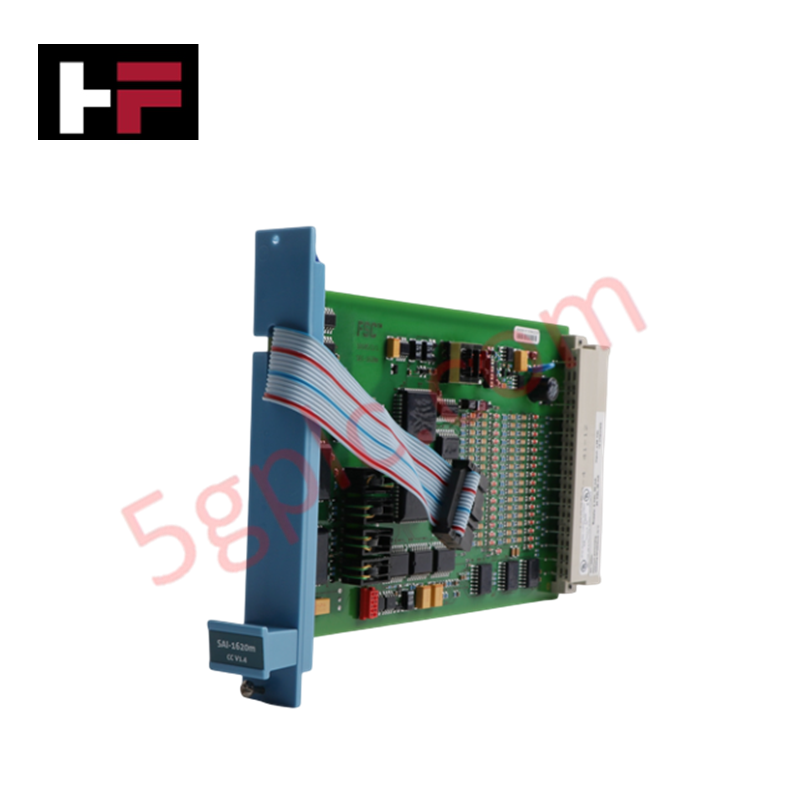
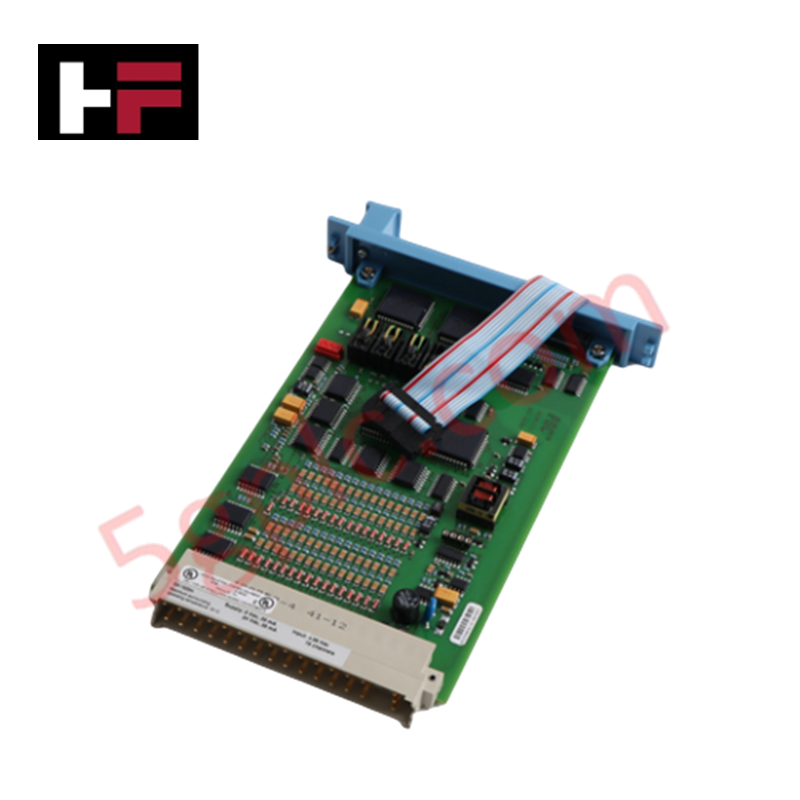
The Yokogawa NFAI543-H00 functions as a high-density analog output interface for the ProSafe-RS safety instrumented system. This module manages 16 channels of 4 to 20 mA signals, enabling precise control over final control elements such as valves and actuators. We supply this unit as 100% Brand New and Original, featuring integrated HART communication to support advanced field device diagnostics and asset management within safety-critical loops.
Technical Specifications
| Feature | Details |
| Output Channels | 16 Channels |
| Output Signal | 4 to 20 mA |
| HART Communication | Available (Integrated) |
| Withstanding Voltage | 1500 V AC for 1 minute (Output to System) |
| Allowable Load Resistance | 0 to 750 $\Omega$ |
| Accuracy | $\pm$ 0.3% of full scale |
| Data Refresh Cycle | 10 ms |
| Output Step Response | 100 ms |
| Max Current (5 V DC) | 230 mA |
| Power Consumption (24 V DC) | 540 mA |
| Weight | 0.4 kg |
Engineering Advantages
-
High-Density Channel Architecture: The NFAI543-H00 provides 16 output channels in a single module footprint. This high density reduces the required number of I/O nodes and racks, significantly lowering hardware costs and saving valuable space in control room cabinets.
-
Superior Galvanic Isolation: This module utilizes enhanced insulation to provide a withstanding voltage of 1500 V AC between the output circuitry and the system bus. This robust barrier protects the central safety processor from field-side surges and prevents ground loops from compromising system integrity.
-
Integrated HART Intelligence: The built-in HART functionality allows the safety system to pass digital diagnostic data without interfering with the 4-20 mA analog signal. Engineers can perform remote calibration, valve signature analysis, and device status monitoring directly through the safety network.
-
Deterministic Fail-Safe Logic: Each channel features an independent "Output Fallback" setting. In the event of a communication loss or processor error, the module drives the output to a pre-defined safe state, ensuring the process remains stable and protected during a system fault.
-
Advanced Fault Detection: The hardware monitors every loop for open-circuit conditions. If the current drops below 0.65 mA, the module immediately flags a circuit-open alarm, allowing maintenance teams to identify broken wires or disconnected actuators before they impact plant safety.
FAQs
-
Can I use the NFAI543-H00 with MIL connector cables?
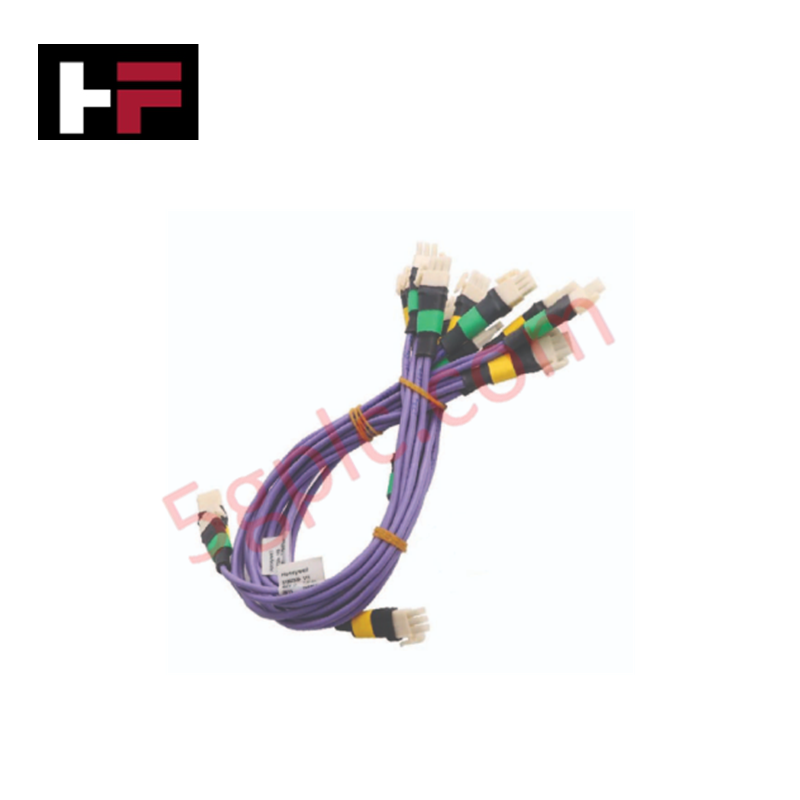
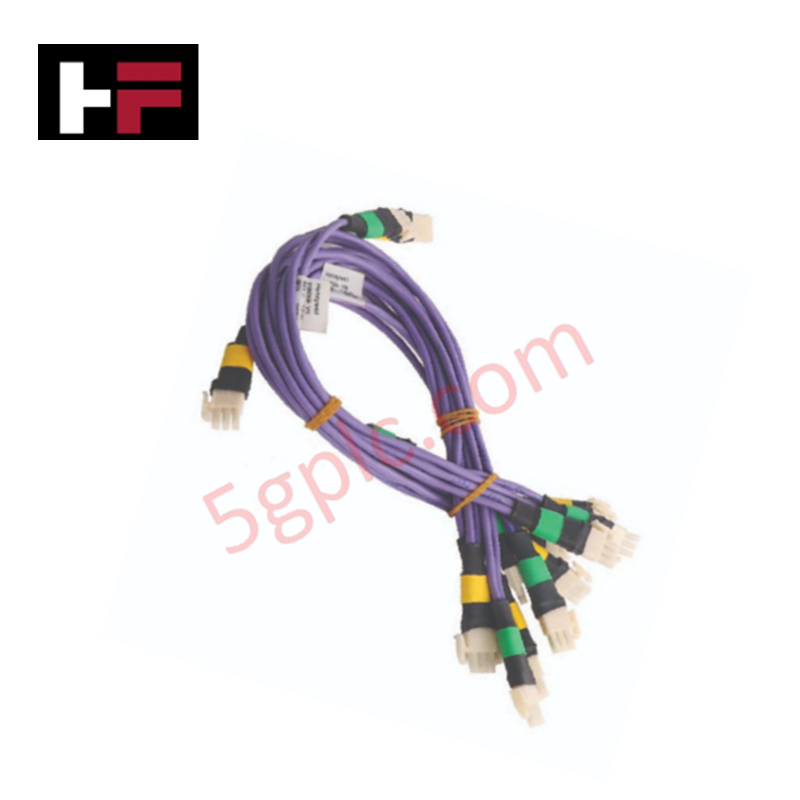
Yes. The module supports both pressure clamp terminals for direct field wiring and MIL connector cables for rapid connection to marshalling panels. This flexibility simplifies the transition from legacy wiring architectures.
-
Does the module require a separate HART multiplexer?
No. The NFAI543-H00 handles HART signals internally. You can access device variables and diagnostic information through the ProSafe-RS engineering station without adding external multiplexers or signal splitters.
-
How does the module handle high-impedance loads?
The NFAI543-H00 supports an allowable load resistance of up to 750 $\Omega$. This high drive capability ensures consistent 4-20 mA delivery even over long cable runs or when driving high-impedance positioners.
-
What is the effect of temperature fluctuations on accuracy?
The module limits temperature drift to a maximum of $\pm$ 0.01% per °C. This thermal stability maintains the precision of your safety loops even in environments where cabinet temperatures vary during peak operational loads.
Additional Information
- 100% Genuine Parts: All products are original and authentic, ensuring reliable industrial performance.
- 30-Day Refund Guarantee: Return any in-stock item within 30 days in original, unopened packaging for a full refund (excluding shipping and fees).
- 12-Month Warranty: Covers defects in materials or workmanship; excludes misuse, normal wear, or unauthorized modifications.
- Worldwide Shipping: We ship via USPS, UPS, FedEx, and DHL. Delivery times vary by country and may be subject to customs or import fees.
- Support & Contact: Technical and warranty assistance is available anytime. Contact us here: Contact.
- Purchase Guidance: Check product specifications and compatibility carefully before ordering to ensure proper application.
Tech & Buying Guide

The Shift to Flexible IO Modules in Modern Industrial Automation
Traditional control systems rely on dedicated Input Output (IO) cards for industrial automation. Each conventional module processes a single signal type, such as Digital Input (DI), Digital Output (DO), Analog Input (AI), or Analog Output (AO). A standard 16-channel card accepts only one specific channel type across all ports. This inflexible hardware design often creates severe engineering bottlenecks during project execution. Engineers frequently must install entirely new cards to accommodate a single extra sensor. Consequently, late design changes increase control cabinet space requirements and drive up project costs.

DCS Commissioning Steps in Industrial Automation Projects
Commissioning a Distributed Control System (DCS) represents a crucial milestone when deploying modern process automation infrastructure. Field engineers must execute systematic verification steps to transition complex control hardware from static installation to dynamic plant control. Proper commissioning ensures that controllers, I/O modules, network switches, and HMI software operate in strict compliance with engineering design specifications before introducing live process fluids.

PLC and DCS Control System Spares Strategy: Engineering Guidelines
Modern factory automation relies on high-speed fiber optic backbones to link distributed control systems across noise-intensive industrial environments. Unlike copper wiring, optical fibers transmit data via light pulses, making them completely immune to electromagnetic interference (EMI). Field engineers must master optical cable joining and fusion splicing techniques to guarantee low-loss data transmission across critical Programmable Logic Controller (PLC) and Distributed Control System (DCS) nodes.