










Product Details
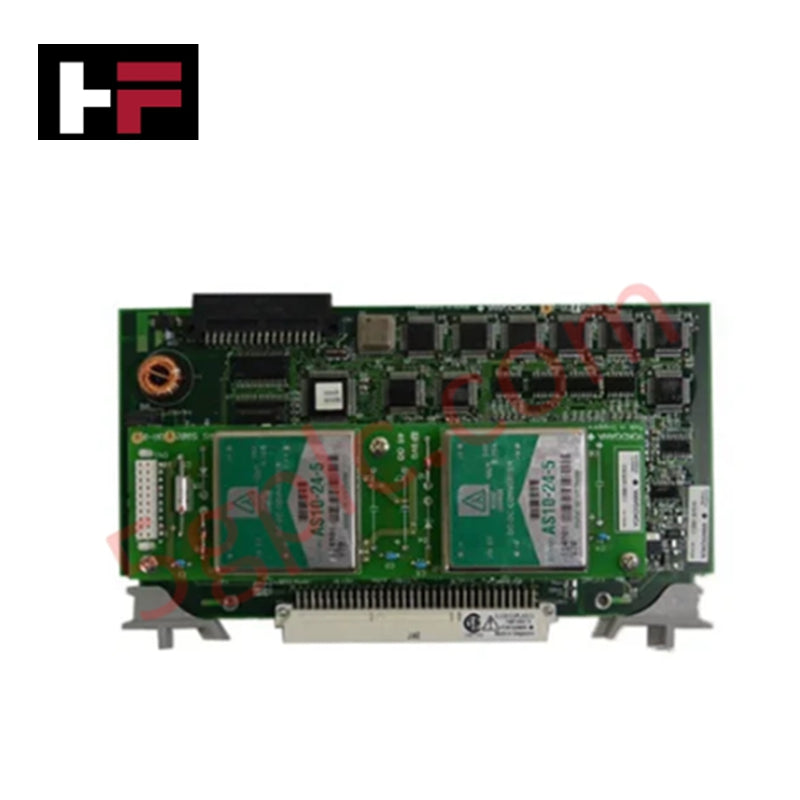
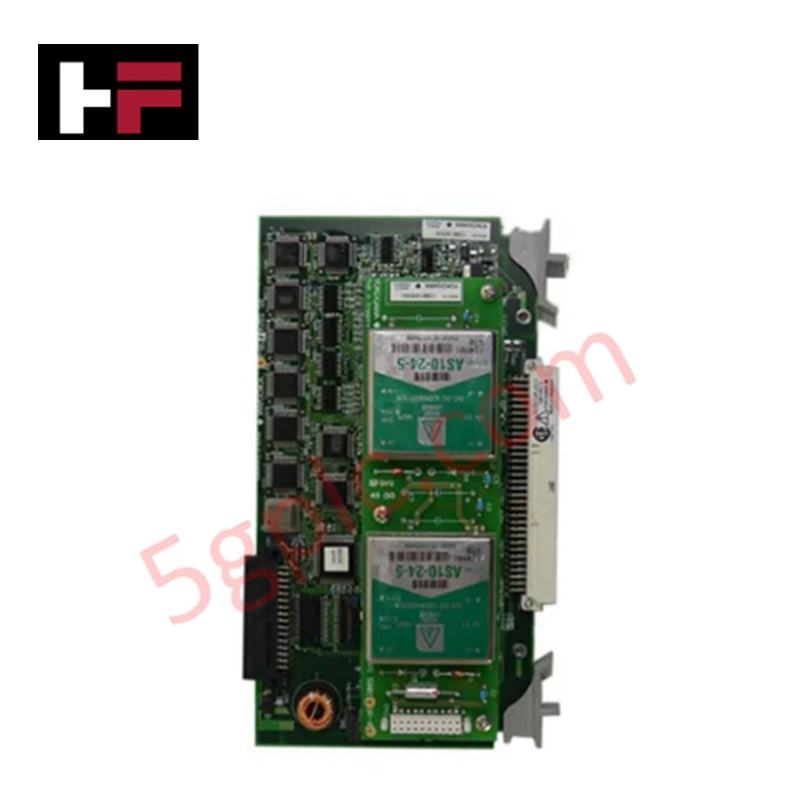
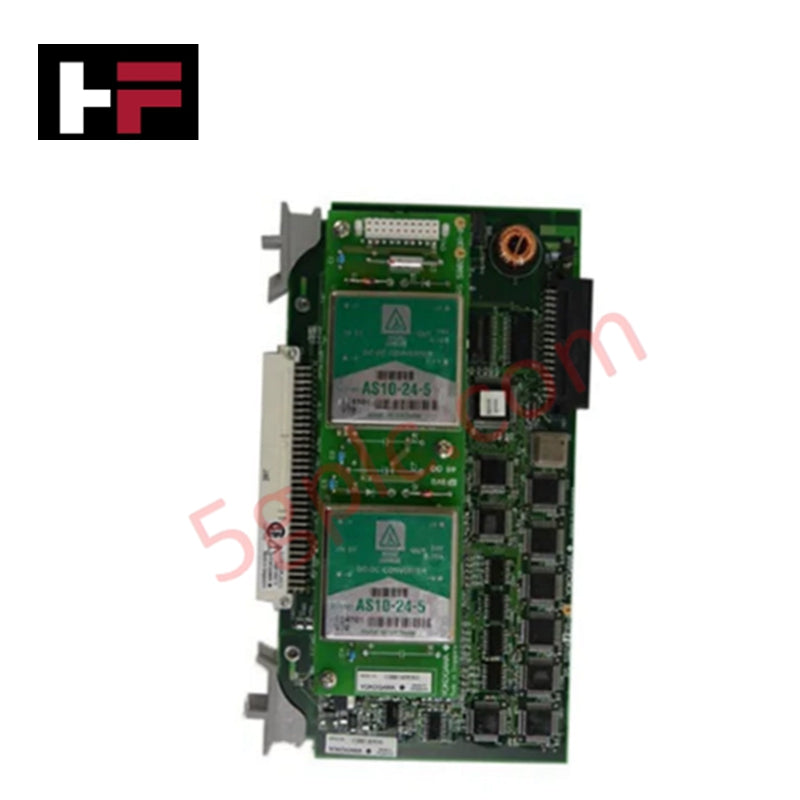
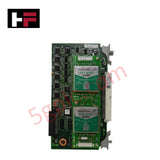
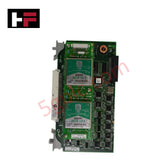
Configured for high-density field signal acquisition in Field Control Station (FCS) architectures, the Yokogawa AMM42 S4 (AMM42 Multiplexer Input Module) provides direct physical/electrical execution. It handles signal multiplexing across non-isolated field channels, routing sensor data directly over the Yokogawa DCS backplane interface.
Hardware Specifications
| Parameter | Specification |
|---|---|
| Model | AMM42 S4 |
| Brand | Yokogawa |
| Origin | Japan |
| Operating Temp | 0 to 55 deg C |
| Power Consumption | Backplane system powered |
| Transmitter Power Supply | 23.5 to 24.5 VDC |
| Output Power Limit | 60 mA or less |
| Input Resistance | 250 ohm (modifiable to 70 ohm with barrier connection) |
| Signal Isolation | Non-isolated (system to field and channel-to-channel) |
| Redundancy Architecture | Pair and Spare fully redundant configuration |
4-20 mA HART Loop Protocol and Channel Isolation
The AMM42 S4 operates using a Pair and Spare fault-tolerant architecture to deliver deterministic data acquisition without a single point of failure. The module directly interfaces with 4-20 mA current loops, providing an internal loop transmitter power supply rated from 23.5 to 24.5 VDC with an output current limit of 60 mA. Featuring an internal input resistance of 250 ohm (adjustable to 70 ohm when interfaced through intrinsic safety barriers), the board prioritizes high-speed multiplexing across non-isolated signal lines, relying on external cabinet isolation barriers or single-point grounding schemes to suppress common-mode line interference before processing field signals into system memory.
Frequently Asked Questions
Q: How does the Pair and Spare configuration function on the AMM42 S4 module?
A: The architecture runs dual redundant hardware pairs simultaneously to compare calculation outputs, allowing immediate switchover without interrupting control execution if a hardware error is detected.
Q: Can the internal 250 ohm input resistance be altered for barrier loops?
A: Yes, the module input circuit can be modified to 70 ohm to accommodate impedance requirements when wired through external safety barriers.
Q: Are individual channels on the AMM42 S4 galvanically isolated from one another?
A: No, the module design features non-isolated signal channels both between individual field channels and between the system backplane and field terminals.
Field Installation Guidelines
- ESD Protection: Attach a grounded anti-static wrist strap prior to handling the printed circuit card to protect onboard surface-mount components.
- Rack Mounting: Slide the card along the sub-rack guide rails until the rear edge-connector seats fully into the backplane, then tighten all faceplate retaining screws.
- External Isolation: Because channels lack internal galvanic isolation, ensure external isolation barriers or signal conditioners are used where channel cross-talk or ground loop risks exist.
- Wiring Separation: Route low-voltage analog input leads in dedicated shielded channels away from AC power lines and high-current switching devices.
Additional Information
- 100% Genuine Parts: All products are original and authentic, ensuring reliable industrial performance.
- 30-Day Refund Guarantee: Return any in-stock item within 30 days in original, unopened packaging for a full refund (excluding shipping and fees).
- 12-Month Warranty: Covers defects in materials or workmanship; excludes misuse, normal wear, or unauthorized modifications.
- Worldwide Shipping: We ship via USPS, UPS, FedEx, and DHL. Delivery times vary by country and may be subject to customs or import fees.
- Support & Contact: Technical and warranty assistance is available anytime. Contact us here: Contact.
- Purchase Guidance: Check product specifications and compatibility carefully before ordering to ensure proper application.




Tech & Buying Guide

Demystifying Open Platform Communication (OPC): The Backbone of Industrial Interoperability
Interoperability remains a cornerstone requirement for modern smart factories and process automation. Open Platform Communication (OPC) bridges the gap between disparate hardware platforms, control systems, and visualization software. By establishing a universal communication standard, OPC allows field controllers, SCADA platforms, and enterprise software from different vendors to exchange real-time data seamlessly.

Understanding Siemens PLC Memory Cards: MMC, SMC, and SD Solutions in Industrial Automation
Memory management plays a pivotal role in maintaining control system reliability across modern manufacturing plants. Industrial control systems rely on specialized memory cards to store project logic, firmware updates, and retentive system data. Siemens uses several memory architectures, including Micro Memory Cards (MMC) and SIMATIC Memory Cards (SMC). Engineers must understand these hardware variations to ensure zero data loss and minimize downtime during maintenance routines.

Redefining Control Systems: The Rise of Flexible I/O Modules in Industrial Automation
Conventional input-output architectures often limit engineering agility and inflate long-term inventory costs. Today, Flexible Input/Output Modules (FIOM) are transforming how control system engineers design, commission, and maintain automation infrastructure. By allowing individual channel software configuration, FIOM technology bridges the gap between rigid hardware design and dynamic plant requirements.