










Product Details
Product Overview
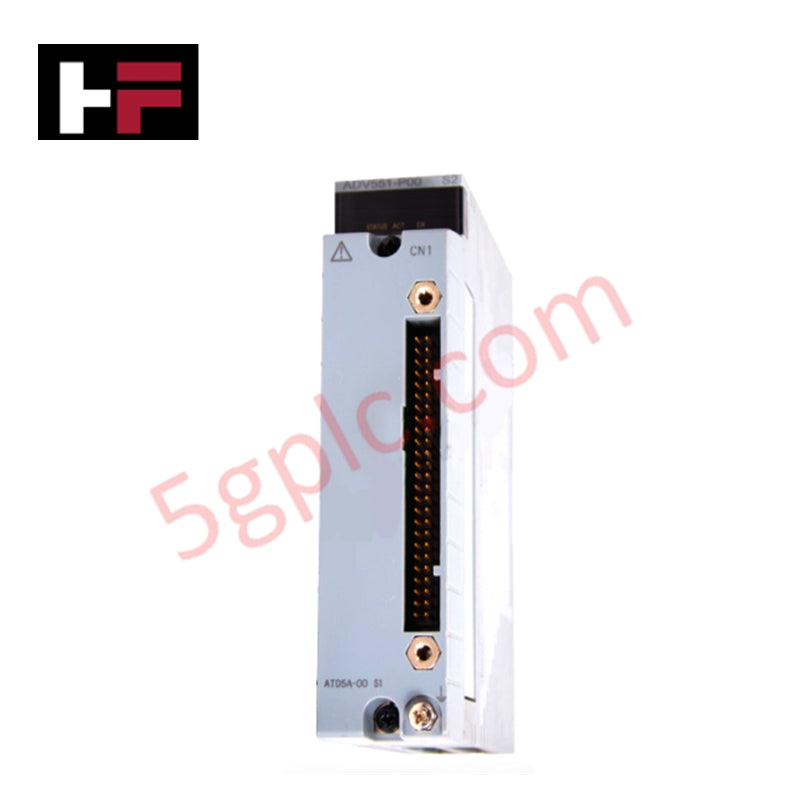
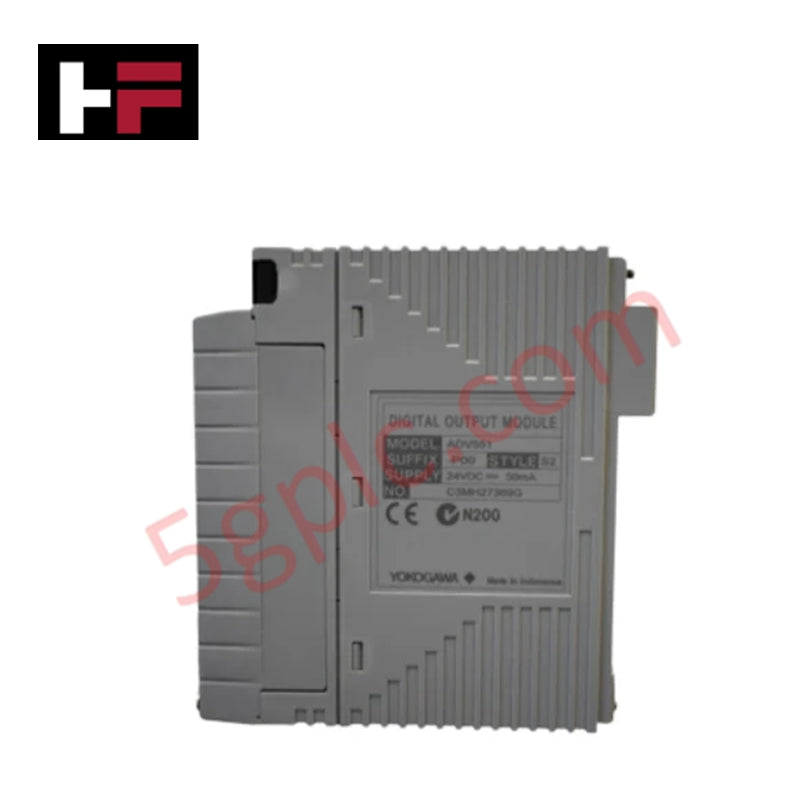
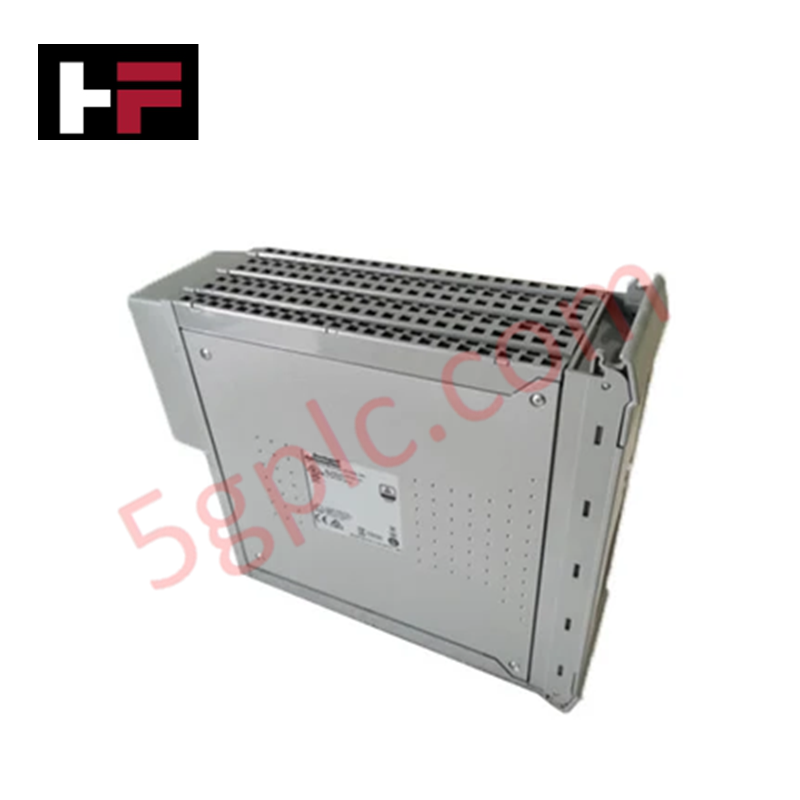
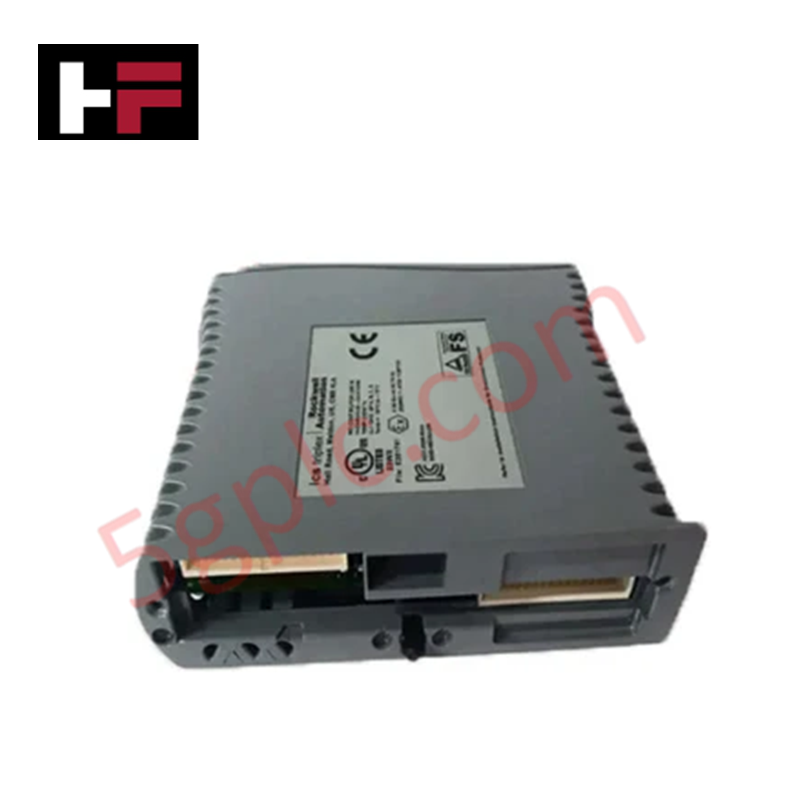
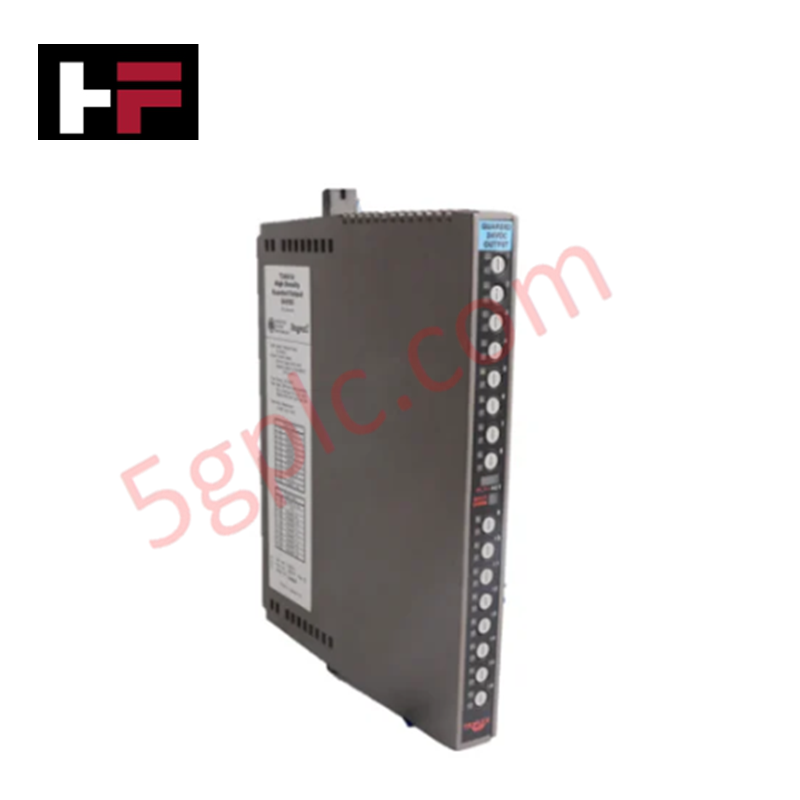
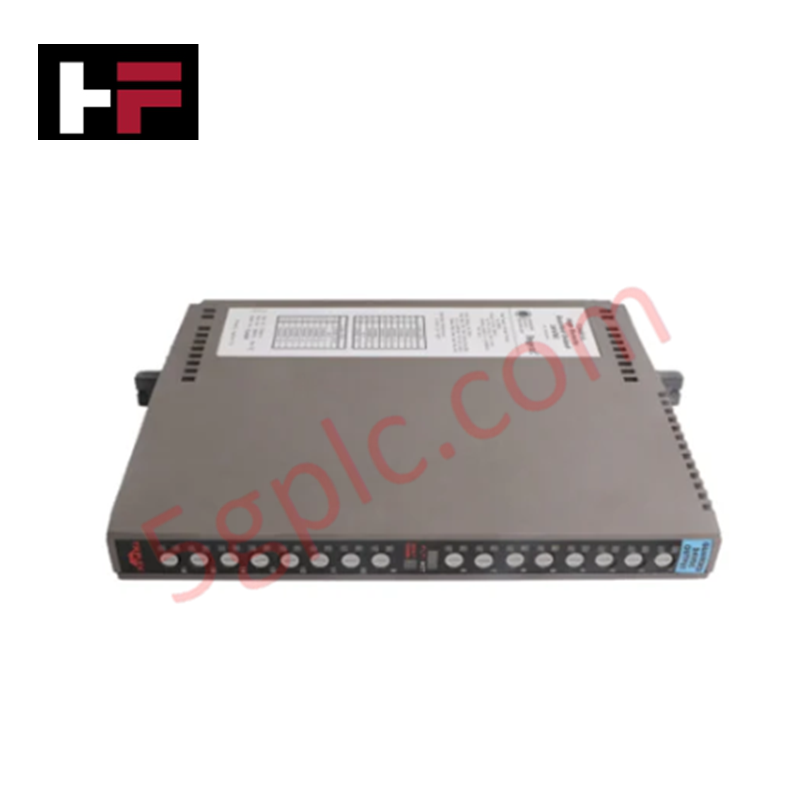
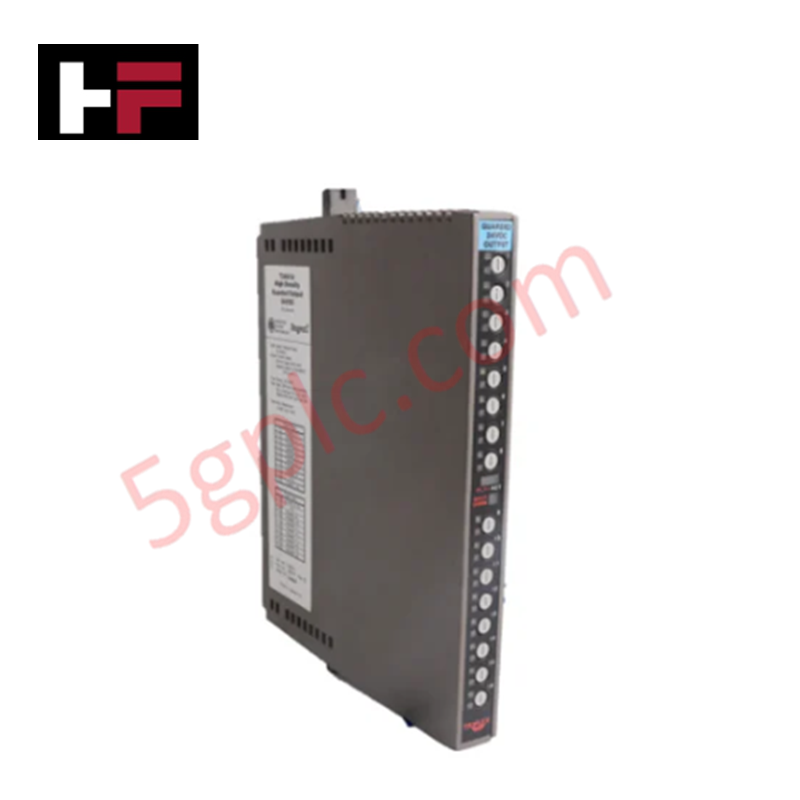
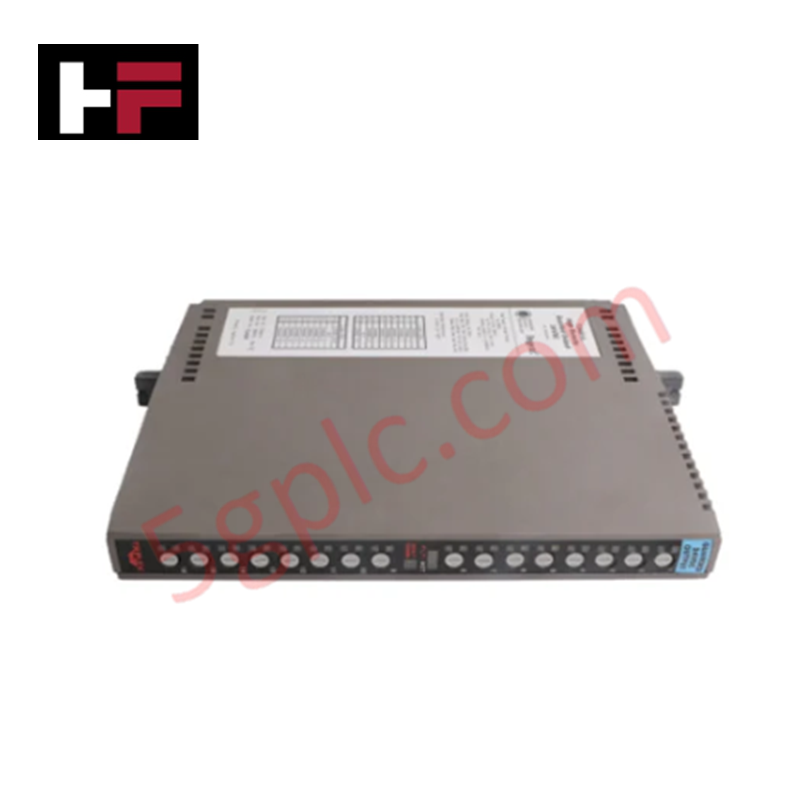
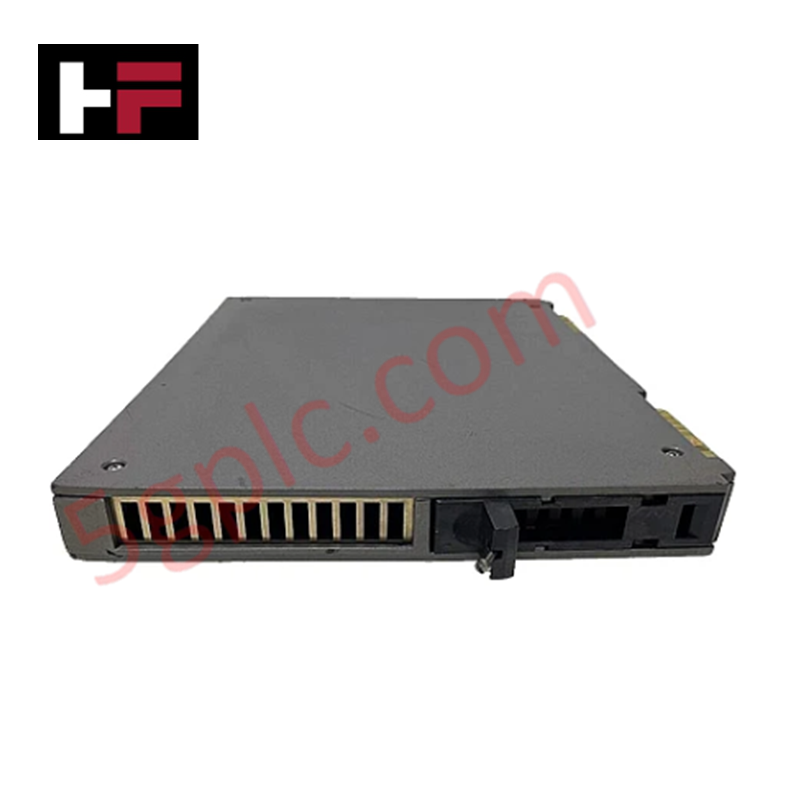
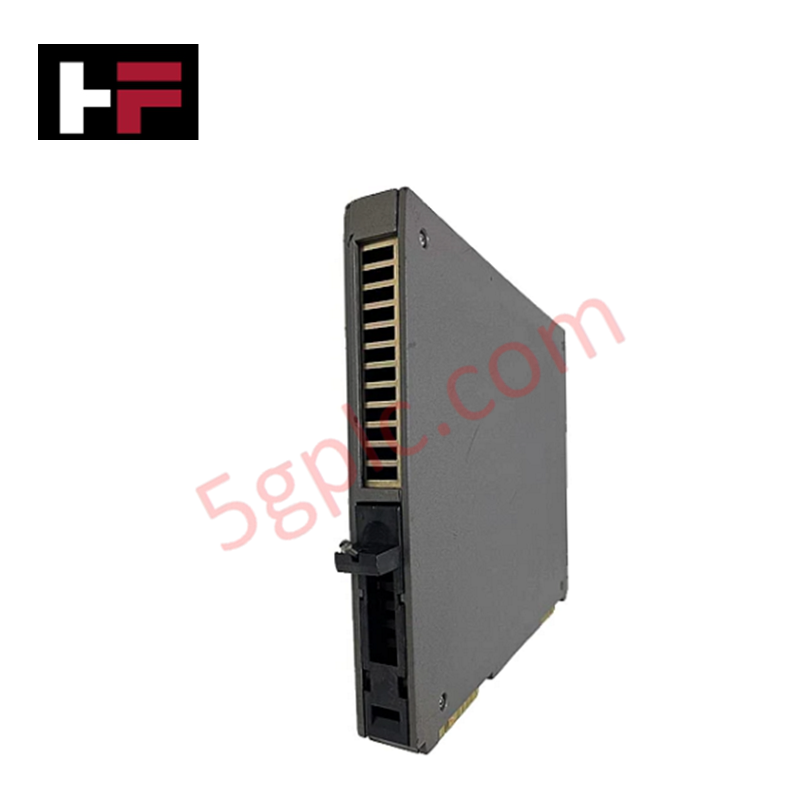
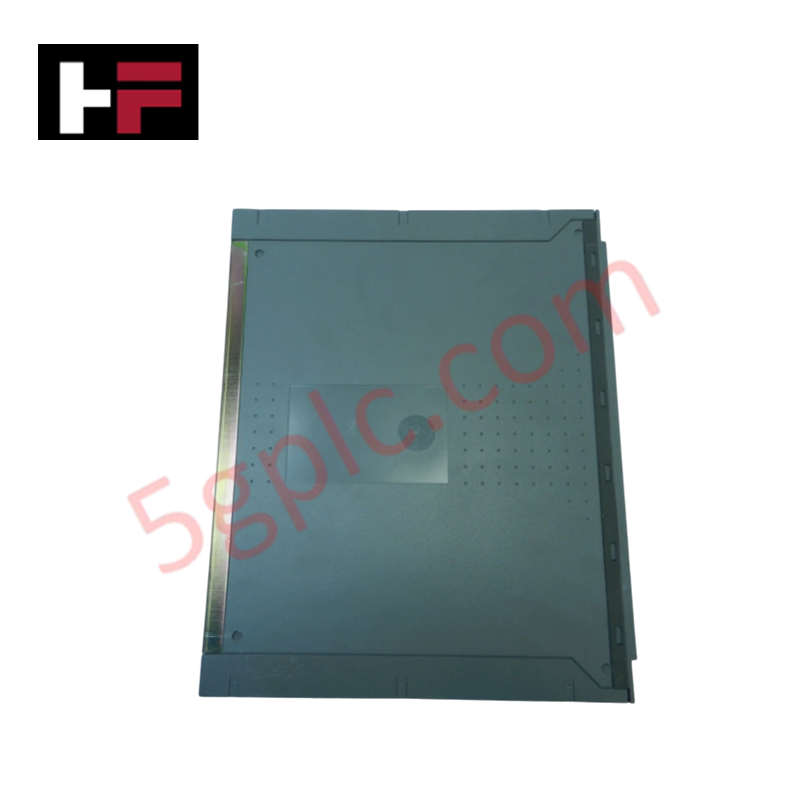
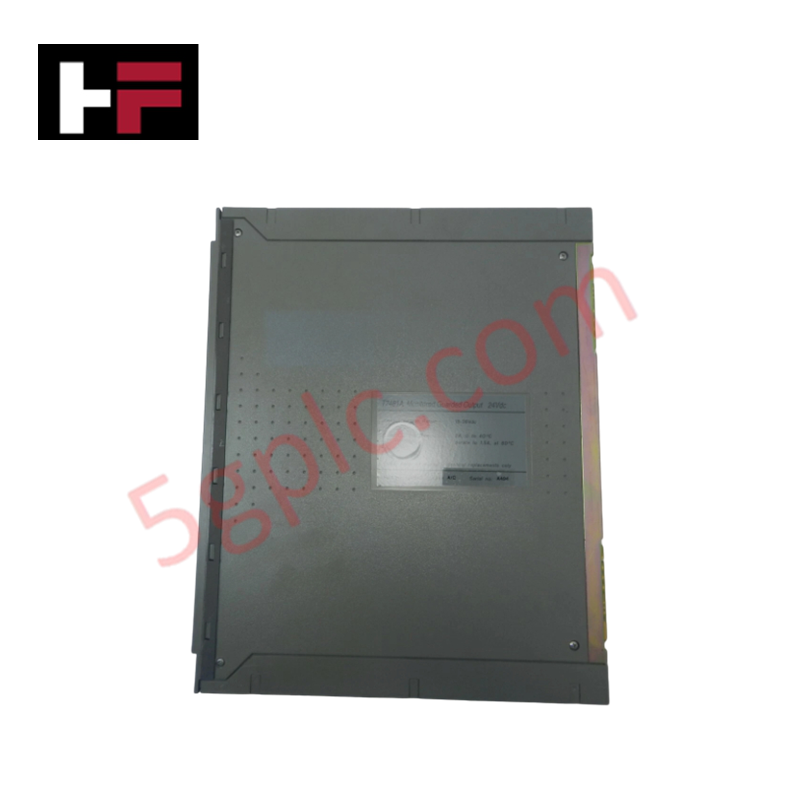
The Yokogawa ADV551-P53 serves as a high-density, ruggedized discrete control interface for the CENTUM VP Distributed Control System (DCS). This 32-channel module executes switching commands to manage field actuators such as solenoid valves, interposing relays, and signaling lamps. Equipped with the "P" functional suffix, this module supports advanced pulse width and time-proportional output functions. The "53" designation indicates that the module features G3-level corrosive resistance, making it the definitive choice for facilities exposed to aggressive atmospheric contaminants.
Condition: 100% Brand New and Original Factory Sealed.
Part Number Breakdown: ADV551-P53
Yokogawa utilizes a structured coding system to define environmental protection and connection styles:
-
ADV551: Digital Output Module (32-channel, 24 V DC, Isolated).
-
-P: Equipped with Pulse Width Output and Time-Proportional Output functions.
-
5: With G3 Corrosive Resistance (Conformal coating for protection against $H_2S$, $SO_2$, and $Cl_2$).
-
3: Updated hardware revision for enhanced thermal dissipation and switching stability.
Technical Specifications
The ADV551-P53 provides high-speed switching and environmental hardening for critical control loops.
-
Number of Channels: 32, isolated
-
Rated Output Voltage: 24 V DC
-
Maximum Load Current: 100 mA per channel (at 26.4 V DC)
-
Response Time (Status): 3 ms or less
-
Response Time (Pulse): 10 ms or less
-
Environmental Protection: ISA Standard S71.04 Class G3
-
Isolation Type: Optical isolation between system and field
-
Current Consumption: 500 mA (at 5 V DC)
Engineering Advantages
-
G3-Rated Corrosive Resistance: The ADV551-P53 features specialized conformal coating on its internal circuit boards. This prevents silver and copper corrosion caused by hydrogen sulfide and other aggressive gases, significantly extending the module's lifespan in unconditioned industrial environments like refineries and wastewater plants.
-
Hardware-Based Pulse Modulation: The module executes time-proportional control cycles internally. This offloads timing-critical tasks from the main controller CPU, ensuring consistent pulse widths for dosing or heating applications regardless of the DCS logic scan time.
-
Maximized Rack Density: Processing 32 outputs within a single slot maximizes I/O density. This allows engineers to utilize smaller control cabinets and fewer subracks, lowering the total cost of installation and cooling.
-
Ultra-Fast Signal Execution: A 3 ms response time for status outputs ensures nearly instantaneous command delivery. This performance is vital for high-speed interlocking and sequence-of-events (SOE) applications where millisecond precision prevents mechanical damage.
-
Industrial-Grade Optical Isolation: Optical isolation protects the internal DCS bus from field-side electrical surges and ground loops. This architecture ensures that a localized short circuit on a field actuator does not propagate to the central safety logic.
FAQs
-
Can the ADV551-P53 replace a standard ADV551-P00 model?
Yes. The P53 version offers identical functionality and pulse features but adds G3 environmental protection. It is a recommended upgrade if your control room is located in a corrosive area.
-
Does the ADV551-P53 require an external field power supply?
Yes. You must provide a 24 V DC external supply to drive the output loads. The module switches this power across the 32 channels via its isolated transistor array.
-
What is the benefit of the "3" in the P53 suffix?
The "3" indicates a hardware revision that improves thermal efficiency and component longevity compared to earlier versions. It remains fully backward compatible with older CENTUM VP subracks.
-
Is the ADV551-P53 compatible with redundant I/O?
Yes. When used with a redundant-capable baseplate, you can install these modules in pairs. The system maintains continuous control even if one module requires replacement or experiences a fault.
Additional Information
- 100% Genuine Parts: All products are original and authentic, ensuring reliable industrial performance.
- 30-Day Refund Guarantee: Return any in-stock item within 30 days in original, unopened packaging for a full refund (excluding shipping and fees).
- 12-Month Warranty: Covers defects in materials or workmanship; excludes misuse, normal wear, or unauthorized modifications.
- Worldwide Shipping: We ship via USPS, UPS, FedEx, and DHL. Delivery times vary by country and may be subject to customs or import fees.
- Support & Contact: Technical and warranty assistance is available anytime. Contact us here: Contact.
- Purchase Guidance: Check product specifications and compatibility carefully before ordering to ensure proper application.
Tech & Buying Guide
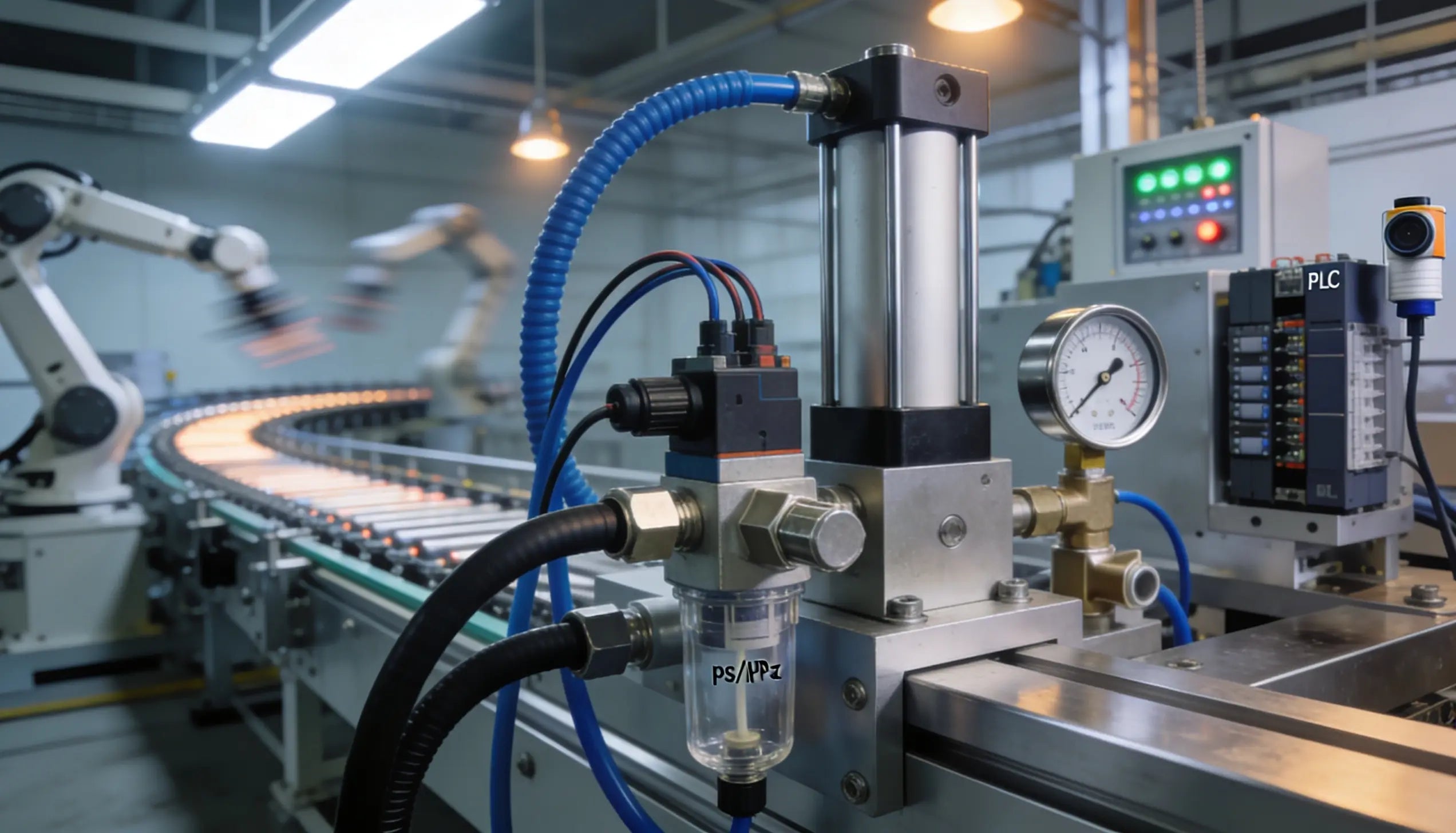
PLC vs. PAC: Navigating Selection in Modern Industrial Automation
Selecting the right controller is a fundamental decision in industrial automation. While the lines between Programmable Logic Controllers (PLC) and Programmable Automation Controllers (PAC) often blur, understanding their core architectural differences is essential for system reliability. Both controllers serve as the brain of control systems, yet their specific capabilities dictate their suitability for various factory automation tasks.
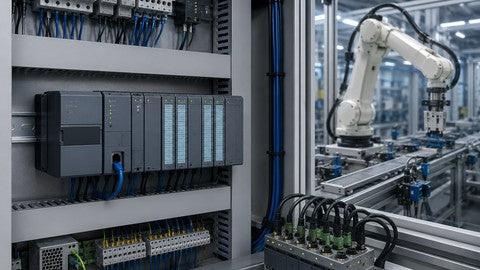
Transforming Textile Manufacturing: The Strategic Integration of Industrial Automation and AI
The textile industry stands at a critical technological crossroads. Legacy operations must now embrace digital transformation to remain competitive in a global market. By integrating advanced industrial automation—ranging from PLC-controlled machinery to sophisticated AI-driven analytics—manufacturers can significantly boost productivity, minimize material waste, and elevate overall product quality.

Navigating Industrial Communication Protocols: A Technical Guide for Modern PLCs
In the realm of industrial automation, the Programmable Logic Controller (PLC) serves as the brain of the factory floor. However, its true power is unlocked through robust communication protocols. These digital pathways ensure seamless data exchange between controllers, sensors, and enterprise-level management systems.