












Product Details
Product Overview
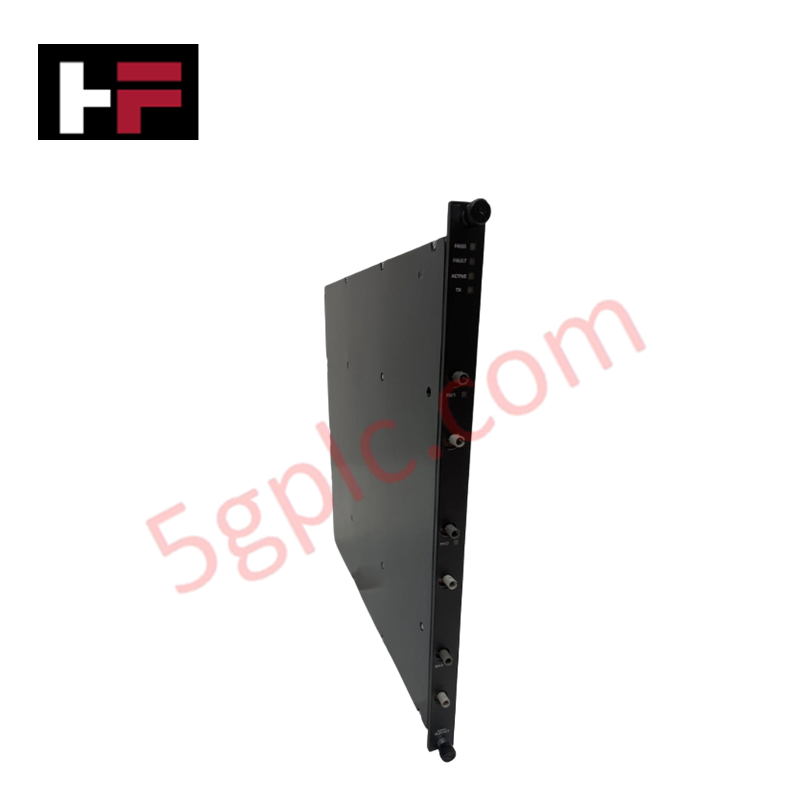
The Yokogawa ADV151-E50 serves as a high-density digital input module for the CENTUM VP control system. This unit interfaces field signals with the system by detecting ON/OFF states across 32 discrete channels. It supports diverse signal types including status sensing, pushbutton edge counting, and Sequence of Events (SOE) data capture. We offer this module as 100% Brand New and Original, ensuring full compliance with factory warranties and mission-critical safety standards.
Part Number Breakdown
The ADV151 series follows a specific configuration logic to match industrial requirements:
-
ADV151: Digital Input Module (32-Channel)
-
-E: 24V DC Input Voltage (Sink/Source)
-
5: Standard type with no explosion protection (General purpose)
-
0: Basic configuration without specialized coatings
Technical Specifications
This module provides high-speed signal processing and robust electrical isolation:
| Feature | Specification |
| Number of Channels | 32 (Isolated in groups of 16) |
| Rated Input Voltage | 24 V DC (Accepts 18 to 26.4 V DC) |
| Input Current | 4.1 mA (± 20% per channel) |
| Input Response Time | ≤ 8 ms (Status Input) |
| SOE Support | High-speed data capture for event logging |
| Withstanding Voltage | 2 kV AC (Signal to System) |
| Max Current Draw | 500 mA (at 5 V DC) |
| Weight | Approx. 0.30 kg |
Engineering Advantages
-
Advanced Event Tracking: The SOE functionality captures rapid signal changes with high temporal resolution. This enables engineers to perform precise root-cause analysis after a system trip.
-
High-Density Integration: By packing 32 channels into a single slot, the ADV151-E50 reduces the required cabinet footprint and lowers the overall cost per I/O point.
-
Enhanced Signal Integrity: The 2 kV AC isolation barrier protects sensitive system electronics from field-side surges and electrical noise, preventing data corruption in high-EMI environments.
-
Versatile Logic Selection: The module supports both sink and source wiring configurations. This flexibility allows it to interface with a wide range of field devices without requiring additional interposing relays.
FAQs
-
Can I use the ADV151-E50 for high-speed pulse counting? Yes. The module includes a pushbutton input function that counts signal edges at a maximum cycle of 25 Hz, making it suitable for manual overrides or low-frequency pulse tracking.
-
Does this module require specific mounting hardware? The ADV151-E50 snaps directly into standard CENTUM VP I/O baseplates. Ensure you power down the node before insertion to maintain hot-swap integrity if applicable.
-
How does the module handle voltage fluctuations? The module operates reliably between 18 V and 26.4 V DC. It defines any signal below 5.0 V DC as an "OFF" state to prevent false triggering from residual line voltage.
-
Is this unit compatible with older R3 systems? While primarily designed for CENTUM VP, compatibility depends on your specific FCS (Field Control Station) model. Contact our technical team with your baseplate part number for verification.
Additional Information
- 100% Genuine Parts: All products are original and authentic, ensuring reliable industrial performance.
- 30-Day Refund Guarantee: Return any in-stock item within 30 days in original, unopened packaging for a full refund (excluding shipping and fees).
- 12-Month Warranty: Covers defects in materials or workmanship; excludes misuse, normal wear, or unauthorized modifications.
- Worldwide Shipping: We ship via USPS, UPS, FedEx, and DHL. Delivery times vary by country and may be subject to customs or import fees.
- Support & Contact: Technical and warranty assistance is available anytime. Contact us here: Contact.
- Purchase Guidance: Check product specifications and compatibility carefully before ordering to ensure proper application.




Tech & Buying Guide

Understanding VFD Mechanical Brake Logic and Control in Industrial Automation
Variable Frequency Drives (VFDs) play a crucial role in modern industrial automation by controlling motor speed, torque, and acceleration. However, high-inertia loads and vertical lifting systems require precise mechanical braking logic to ensure operational safety and prevent equipment damage.

Why Programmable Logic Controllers Drop into Stop Mode: An Expert Analysis
Industrial automation systems rely heavily on Programmable Logic Controllers (PLCs) to maintain uninterrupted production. When a PLC unexpectedly shifts from Run to Stop mode, whole manufacturing lines stall.
As control systems evolve across modern factory automation, understanding the root causes of these interruptions helps engineers minimize costly downtime. This technical guide breaks down why PLCs trip into Stop mode and provides practical strategies to mitigate system faults.

Understanding Root Causes of Unplanned PLC Stop Mode in Industrial Automation
Modern Programmable Logic Controllers manage execution through distinct operational states: Run, Stop, Start-Up, and Hold. During power-up, a controller initializes memory registers within Stop mode before briefly transitioning to Start-Up mode. During this phase, internal self-diagnostics evaluate system integrity across hardware and user programs. If the controller detects no critical faults, it enters Run mode to execute the control program continuously. However, any severe system anomaly forces the CPU back into Stop mode immediately to prevent erratic machine behavior across the plant floor.