Product Details
Product Overview
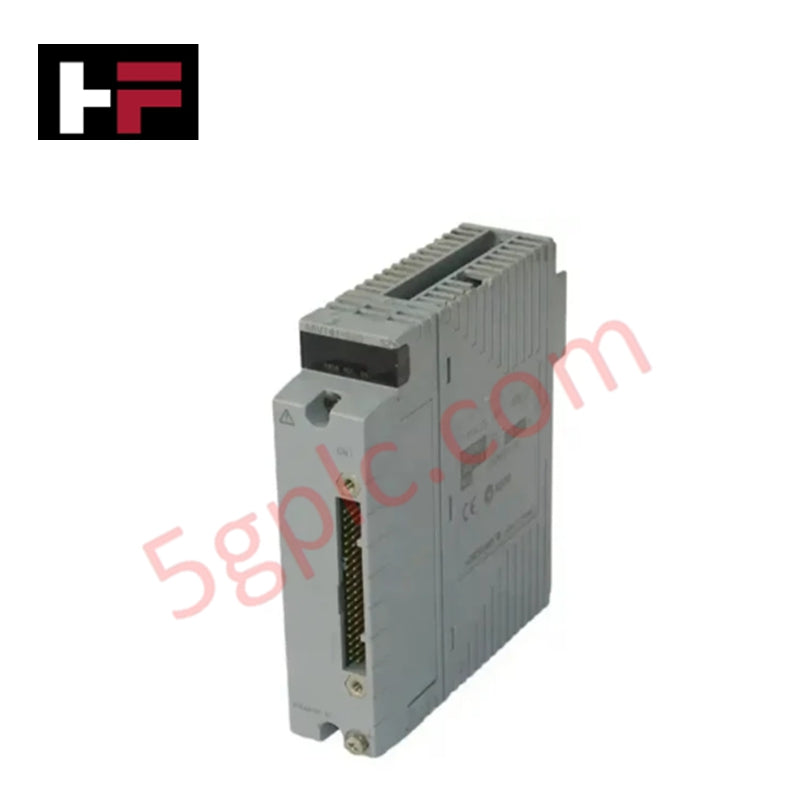
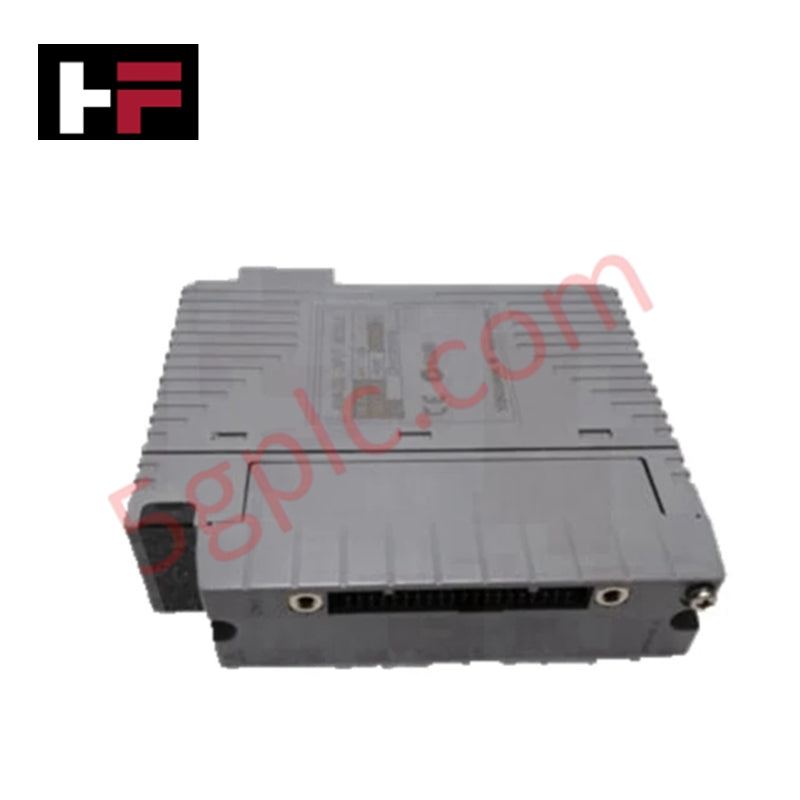
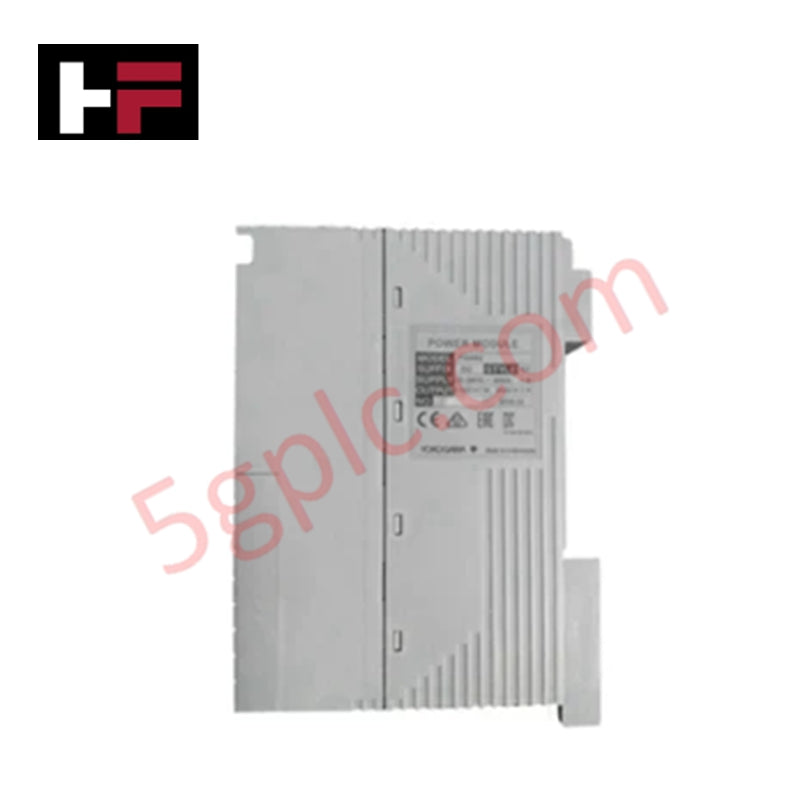
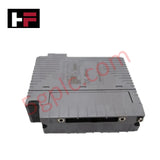
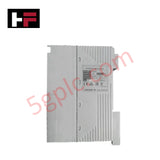
The Yokogawa AAI143-S53/K4A00 functions as a versatile 16-channel isolated analog input interface for the CENTUM VP production control system. It accurately captures 4 to 20 mA signals from field transmitters and converts them into high-resolution digital data. This specific configuration features ISA G3 environmental hardening and a KS cable interface, making it the primary choice for mission-critical loops in corrosive or demanding industrial atmospheres.
Part Number Breakdown: AAI143-S53/K4A00
Yokogawa's alphanumeric coding defines the specific hardware capabilities and protection levels:
-
AAI143: Base Model for Isolated Analog Input (4 to 20 mA, 16-channel).
-
-S: Standard type performance.
-
5: Standard switch-over response for redundant configurations; no explosion protection.
-
3: ISA Standard G3 compliant with an extended temperature range of -20 to 70 °C.
-
/K4A00: KS cable interface adapter designed for connection to AEA4D terminal boards.
Technical Specifications
We supply this module in 100% brand new, original factory condition to ensure immediate system compatibility and longevity.
| Feature | Specification |
| Input Channels | 16 channels, fully isolated |
| Input Signal | 4 to 20 mA DC |
| Data Update Period | 10 ms |
| Accuracy | $\pm$ 16 $\mu$A |
| Input Resistance | Power ON: 270 $\Omega$ (20mA) to 350 $\Omega$ (4mA) |
| Transmitter Power Supply | 19.0 V or higher (at 20 mA) |
| Temperature Drift | $\pm$ 16 $\mu$A / 10 °C |
| Max Current Consumption | 230 mA (5 V DC), 540 mA (24 V DC) |
| Isolation | 1500 V AC between input and system |
Engineering Advantages
-
Dual-Wire Versatility: The module features physical setting pins for each channel. This allows engineers to toggle between 2-wire and 4-wire transmitter configurations independently, providing maximum flexibility during field instrument integration.
-
Superior Signal Integrity: High-level isolation (1500 V AC) prevents field-side electrical noise and ground loops from affecting the DCS backplane. The 10 ms update period ensures the control system receives real-time data for high-speed PID loops.
-
Corrosion Resistance: The G3 conformal coating allows the module to withstand harsh chemical environments, such as those found in paper mills or petrochemical refineries, preventing premature circuit failure due to atmospheric sulfur or moisture.
-
Fail-Safe Redundancy: When used in a redundant pair, the AAI143-S53 executes a seamless switch-over. If the active module detects a fault, the standby unit takes over the signal processing without interrupting the 4-20 mA loop or causing a process bump.
FAQs
-
How do I configure the module for a 4-wire transmitter?
You must set the specific pin on the module side for the corresponding channel. This disconnects the internal transmitter power supply from that channel, allowing it to safely receive signals from externally powered 4-wire instruments.
-
Does the /K4A00 option require a specific cable?
Yes, the /K4A00 adapter is designed to interface with Yokogawa KS cables. This setup typically connects the module to an AEA4D or similar terminal board, streamlining cabinet wiring and reducing the risk of manual termination errors.
-
Can the AAI143-S53 operate in sub-zero environments?
Absolutely. The "-3" suffix confirms the hardware remains operational down to -20 °C, making it suitable for unheated control rooms or outdoor-mounted enclosures in cold climates.
-
What happens to the input resistance when the module loses power?
When power is OFF, the input resistance increases to 500 k$\Omega$ or larger. This high impedance ensures the module does not load down the field loop or interfere with other devices in the circuit during a power failure.
Additional Information
- 100% Genuine Parts: All products are original and authentic, ensuring reliable industrial performance.
- 30-Day Refund Guarantee: Return any in-stock item within 30 days in original, unopened packaging for a full refund (excluding shipping and fees).
- 12-Month Warranty: Covers defects in materials or workmanship; excludes misuse, normal wear, or unauthorized modifications.
- Worldwide Shipping: We ship via USPS, UPS, FedEx, and DHL. Delivery times vary by country and may be subject to customs or import fees.
- Support & Contact: Technical and warranty assistance is available anytime. Contact us here: Contact.
- Purchase Guidance: Check product specifications and compatibility carefully before ordering to ensure proper application.



Tech & Buying Guide

Voice-Activated Industrial Automation: Integrating Speech Control into PLC and DCS Architectures
Industrial automation integrates speech recognition, IIoT protocols, and NLP with PLCs and DCS to streamline operations. By leveraging advanced edge computing, engineers enable real-time, hands-free control—allowing personnel to manage smart factory processes safely away from hazardous equipment.

Modern Industrial Automation: Transforming Safety and Efficiency in Mining Operations
Industrial automation has evolved from a simple manufacturing tool into the operational backbone of high-risk sectors. Modern mining operations increasingly rely on advanced control systems, programmable logic controllers (PLCs), distributed control systems (DCS), and artificial intelligence to address deep-underground hazards. By replacing manual labor in high-risk zones, factory automation technologies protect personnel while significantly boosting operational throughput.