












Product Details
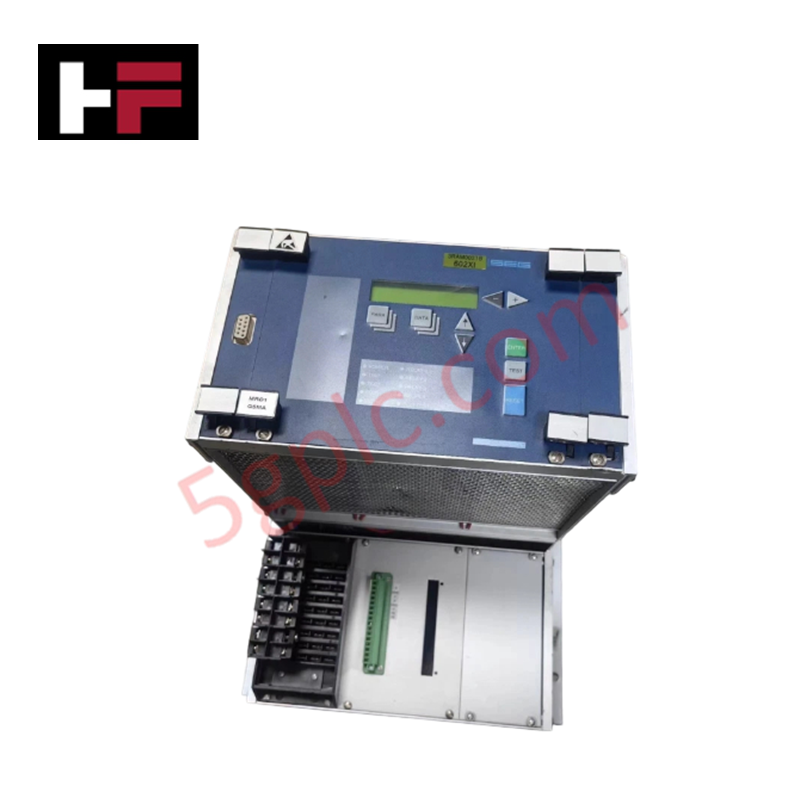
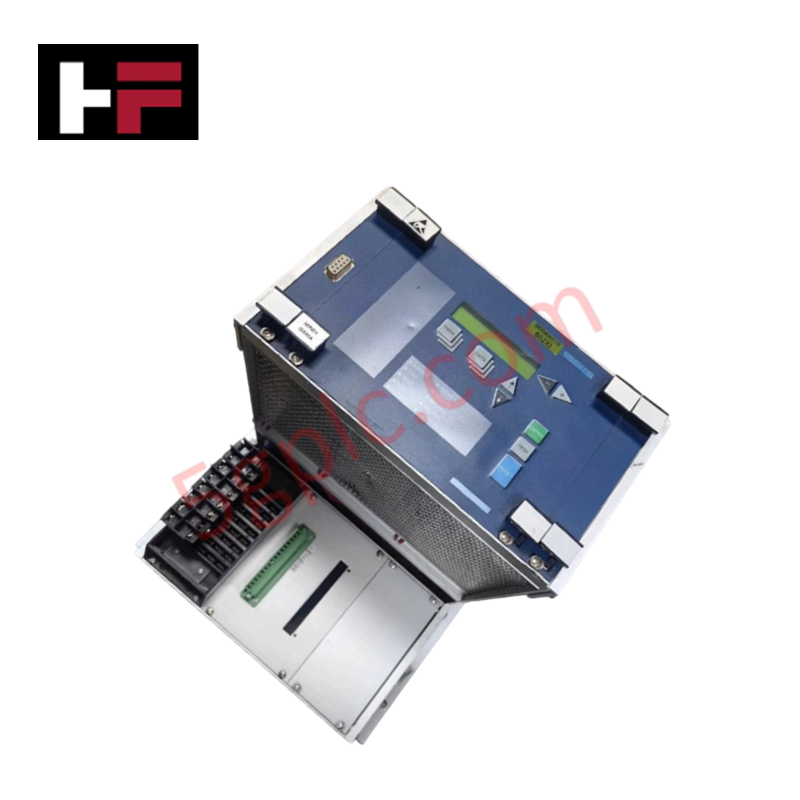
The Woodward MRD1G5MA, also cataloged as the MRD1G5MA Digital Speed Control Module, operates as a dedicated hardware component for precise engine speed modulation within industrial drive and turbine platforms. Operating on a 24 VDC input voltage with a power consumption of 10 W, the assembly coordinates field signals across 2x Ethernet, 1x RS232, and 1x RS485 communication ports. Enclosed in an IP43 chassis measuring 273.6 mm x 214.1 mm x 59.2 mm and weighing 1.5 kg, the module maintains deterministic processing execution across an operating temperature range of -40 deg C to +70 deg C.
Hardware Specifications
| Parameter | Specification |
|---|---|
| Model | MRD1G5MA |
| Brand | Woodward |
| Origin | USA |
| Weight | 1.5 kg |
| Dimensions | 273.6 mm x 214.1 mm x 59.2 mm |
| Operating Temp | -40 deg C to +70 deg C |
| Power Consumption | 10 W (24 VDC Input Voltage) |
| Communication Ports | 2x Ethernet, 1x RS232, 1x RS485 |
| Ingress Protection | IP43 |
| Product Type | Digital Speed Control Module |
Actuator Loop Feedback Response
The Woodward MRD1G5MA digital speed control module incorporates closed-loop processing algorithms designed to maintain dynamic actuator loop feedback response under severe transient load swings. High-speed internal pulse-processing channels continuously evaluate engine shaft velocity signals, recalculating output command values to minimize phase lag in electro-hydraulic drive loops. By processing telemetry through dedicated Ethernet, RS232, and RS485 communication links without compromising control loop execution speed, the internal architecture mitigates mechanical hysteresis and prevents fuel control hunting during rapid throttle variations.
Frequently Asked Questions
Q: How is thermal heat dissipation managed inside sealed panels given the 10 W power consumption rating?
A: The module relies on natural convection cooling across its IP43 chassis surfaces. When mounting inside sealed industrial cabinets, ensure a minimum clearance of 50 mm above and below the module to allow unhindered vertical air circulation across ambient ranges up to +70 deg C.
Q: What shield grounding protocol must be applied to the RS232 and RS485 serial communication ports?
A: Serial data lines must use shielded twisted-pair conductors. Cable braid shields should be connected directly to the cabinet single-point earth ground bar at one end only to prevent ground loop currents from corrupting serial communications.
Q: What precautions are necessary to maintain the IP43 protection rating during operation?
A: The IP43 rating requires the module to be mounted vertically on flat surfaces inside protective control enclosures, preventing water drops from entering the top ventilation slots and keeping solid debris larger than 1 mm isolated from internal electronic components.
Field Installation Guidelines
Mount the unit vertically onto a rigid backplate inside an IP-rated panel enclosure using heavy-duty mounting hardware to minimize operational vibration. Connect the 24 VDC power supply using stranded copper wire rated for the full temperature envelope, ensuring correct polarity prior to energizing the circuit. Route Ethernet, RS232, and RS485 serial communication cables in dedicated conduits separated from high-voltage AC and inductive switching lines to prevent electromagnetic interference. Bond the module chassis directly to the central cabinet earth ground bus using a short, low-impedance grounding strap.
Additional Information
- 100% Genuine Parts: All products are original and authentic, ensuring reliable industrial performance.
- 30-Day Refund Guarantee: Return any in-stock item within 30 days in original, unopened packaging for a full refund (excluding shipping and fees).
- 12-Month Warranty: Covers defects in materials or workmanship; excludes misuse, normal wear, or unauthorized modifications.
- Worldwide Shipping: We ship via USPS, UPS, FedEx, and DHL. Delivery times vary by country and may be subject to customs or import fees.
- Support & Contact: Technical and warranty assistance is available anytime. Contact us here: Contact.
- Purchase Guidance: Check product specifications and compatibility carefully before ordering to ensure proper application.




Tech & Buying Guide

Demystifying Open Platform Communication (OPC): The Backbone of Industrial Interoperability
Interoperability remains a cornerstone requirement for modern smart factories and process automation. Open Platform Communication (OPC) bridges the gap between disparate hardware platforms, control systems, and visualization software. By establishing a universal communication standard, OPC allows field controllers, SCADA platforms, and enterprise software from different vendors to exchange real-time data seamlessly.

Understanding Siemens PLC Memory Cards: MMC, SMC, and SD Solutions in Industrial Automation
Memory management plays a pivotal role in maintaining control system reliability across modern manufacturing plants. Industrial control systems rely on specialized memory cards to store project logic, firmware updates, and retentive system data. Siemens uses several memory architectures, including Micro Memory Cards (MMC) and SIMATIC Memory Cards (SMC). Engineers must understand these hardware variations to ensure zero data loss and minimize downtime during maintenance routines.

Redefining Control Systems: The Rise of Flexible I/O Modules in Industrial Automation
Conventional input-output architectures often limit engineering agility and inflate long-term inventory costs. Today, Flexible Input/Output Modules (FIOM) are transforming how control system engineers design, commission, and maintain automation infrastructure. By allowing individual channel software configuration, FIOM technology bridges the gap between rigid hardware design and dynamic plant requirements.