










Product Details
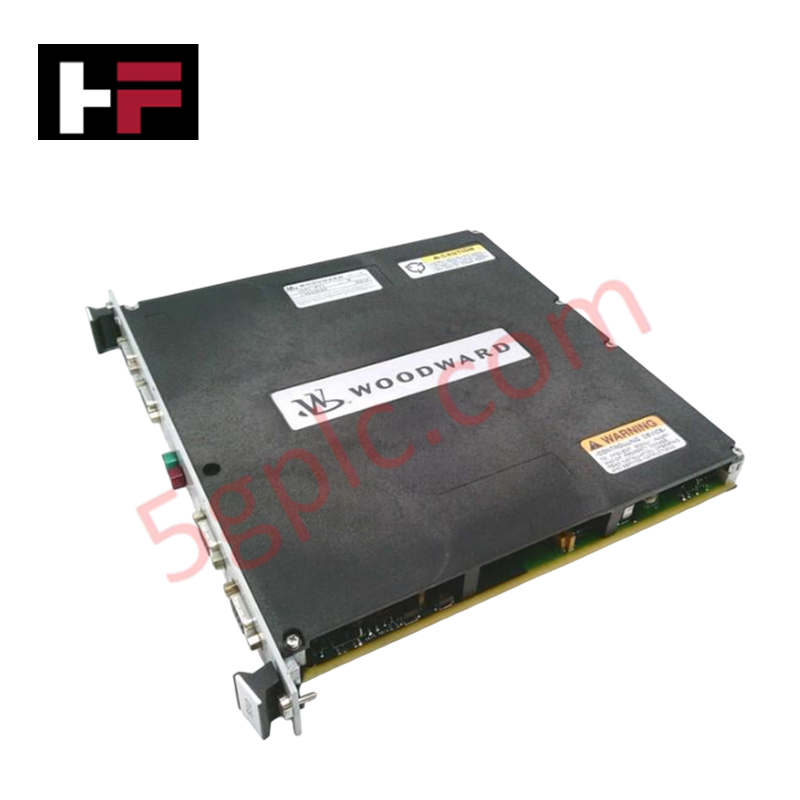
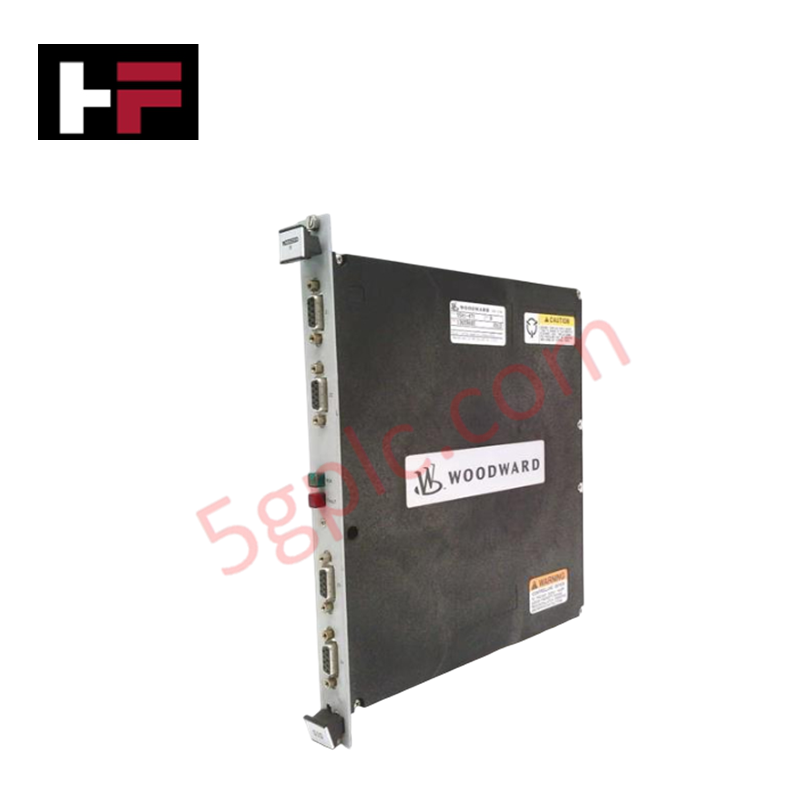
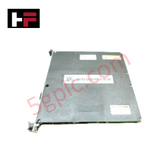
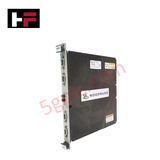
The Woodward 5503-279, also cataloged as the 5503-279 High Density Versatile Input Module, operates as a dedicated hardware component for multi-channel analog signal acquisition and signal conditioning within VME bus control platforms. Designed to process 34 analog input channels and 2 cold junction inputs, the module routes 4-20 mA current loops, thermocouple sensors, and RTD inputs directly to central processing logic via a high-speed backplane interface. The board incorporates 2 status LEDs for diagnostic verification across industrial control environments.
Hardware Specifications
| Parameter | Specification |
|---|---|
| Model | 5503-279 |
| Brand | Woodward |
| Origin | United States (USA) |
| Operating Temp | 0 deg C to +60 deg C |
| Power Consumption | VMEbus Backplane Powered |
| Total Channels | 34 Analog Inputs + 2 Cold Junction Inputs |
| Channel Type 1 (24 Ch) | Configurable: 4-20 mA or Thermocouple Inputs |
| Channel Type 2 (10 Ch) | Configurable: 4-20 mA or RTD Inputs |
| System Interface | VME bus interface |
| Diagnostics | 2 LEDs (13 LED Flashes indicates Dual Port RAM Error) |
| Potentiometers | None |
Thermal Heat Sink Dissipation Profiles
The Woodward 5503-279 High Density Versatile Input Module features dense signal-conditioning circuitry designed to maintain precise channel isolation and internal thermal stability under maximum 34-channel operation. Printed circuit board copper planes serve as integrated heat sink dissipation pathways, removing thermal energy generated by active 4-20 mA input conditioning resistors and RTD excitation circuits. Passive airflow across the VME card slot enclosure keeps internal component junction temperatures within specified limits, preventing thermal drift across thermocouple and RTD measurement circuits.
Frequently Asked Questions
Q: What physical failure state is indicated if the module diagnostic LEDs issue a sequence of 13 flashes?
A: A sequence of 13 LED flashes indicates a Dual Port RAM Error on the onboard communication interface. This fault signifies a memory access hardware failure between the VME bus interface logic and local module memory, requiring board cycle reset or module repair.
Q: Can the 24 configurable thermocouple channels be mixed with 4-20 mA current loops on the same module?
A: Yes. 24 of the 34 input channels are independently configurable to accept either 4-20 mA current inputs or thermocouple millivolt signals, while the remaining 10 channels accommodate either 4-20 mA or RTD signals.
Q: Are hardware calibration potentiometers present on the front panel or circuit board?
A: No, the module contains no physical calibration potentiometers. All channel offset, span, and signal conversion parameters are software-configured via the VME bus CPU interface.
Field Installation Guidelines
Slot the module into the designated VME chassis card cage, ensuring backplane connectors are aligned before applying firm pressure to seat the board. Tighten top and bottom retaining screws to secure the module ground connection against chassis vibration. Run shielded, twisted-pair cables for all 4-20 mA, thermocouple, and RTD input connections, terminating signal braid shields at a single chassis grounding point to prevent ground loops. Keep low-voltage thermocouple and RTD signal conduits physically separated from high-current AC power cables and switching output lines to eliminate inductive noise coupling.
Additional Information
- 100% Genuine Parts: All products are original and authentic, ensuring reliable industrial performance.
- 30-Day Refund Guarantee: Return any in-stock item within 30 days in original, unopened packaging for a full refund (excluding shipping and fees).
- 12-Month Warranty: Covers defects in materials or workmanship; excludes misuse, normal wear, or unauthorized modifications.
- Worldwide Shipping: We ship via USPS, UPS, FedEx, and DHL. Delivery times vary by country and may be subject to customs or import fees.
- Support & Contact: Technical and warranty assistance is available anytime. Contact us here: Contact.
- Purchase Guidance: Check product specifications and compatibility carefully before ordering to ensure proper application.




Tech & Buying Guide

Demystifying Open Platform Communication (OPC): The Backbone of Industrial Interoperability
Interoperability remains a cornerstone requirement for modern smart factories and process automation. Open Platform Communication (OPC) bridges the gap between disparate hardware platforms, control systems, and visualization software. By establishing a universal communication standard, OPC allows field controllers, SCADA platforms, and enterprise software from different vendors to exchange real-time data seamlessly.

Understanding Siemens PLC Memory Cards: MMC, SMC, and SD Solutions in Industrial Automation
Memory management plays a pivotal role in maintaining control system reliability across modern manufacturing plants. Industrial control systems rely on specialized memory cards to store project logic, firmware updates, and retentive system data. Siemens uses several memory architectures, including Micro Memory Cards (MMC) and SIMATIC Memory Cards (SMC). Engineers must understand these hardware variations to ensure zero data loss and minimize downtime during maintenance routines.

Redefining Control Systems: The Rise of Flexible I/O Modules in Industrial Automation
Conventional input-output architectures often limit engineering agility and inflate long-term inventory costs. Today, Flexible Input/Output Modules (FIOM) are transforming how control system engineers design, commission, and maintain automation infrastructure. By allowing individual channel software configuration, FIOM technology bridges the gap between rigid hardware design and dynamic plant requirements.