










Product Details
Product Overview
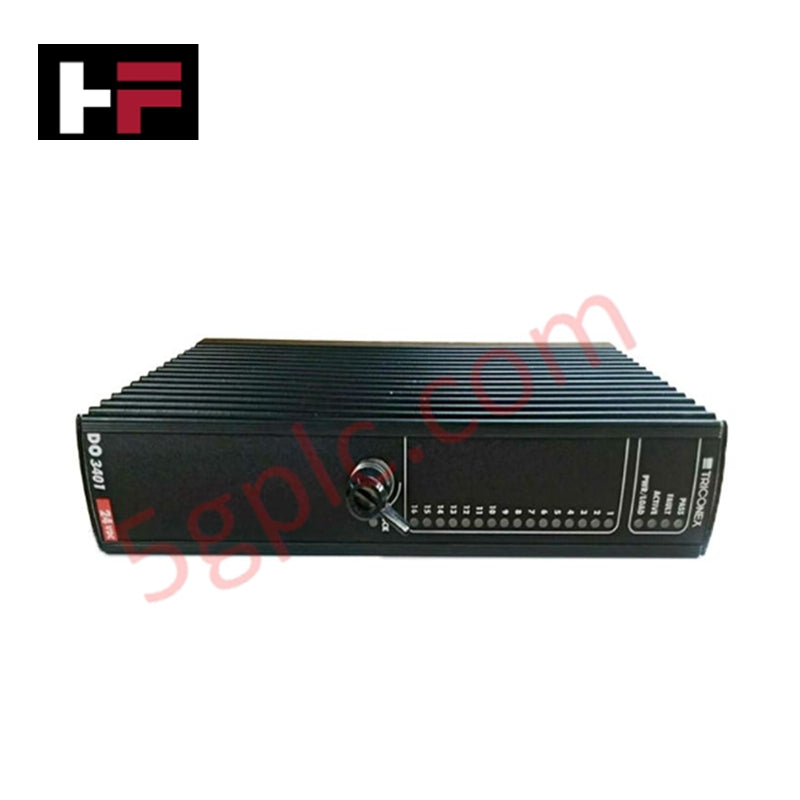
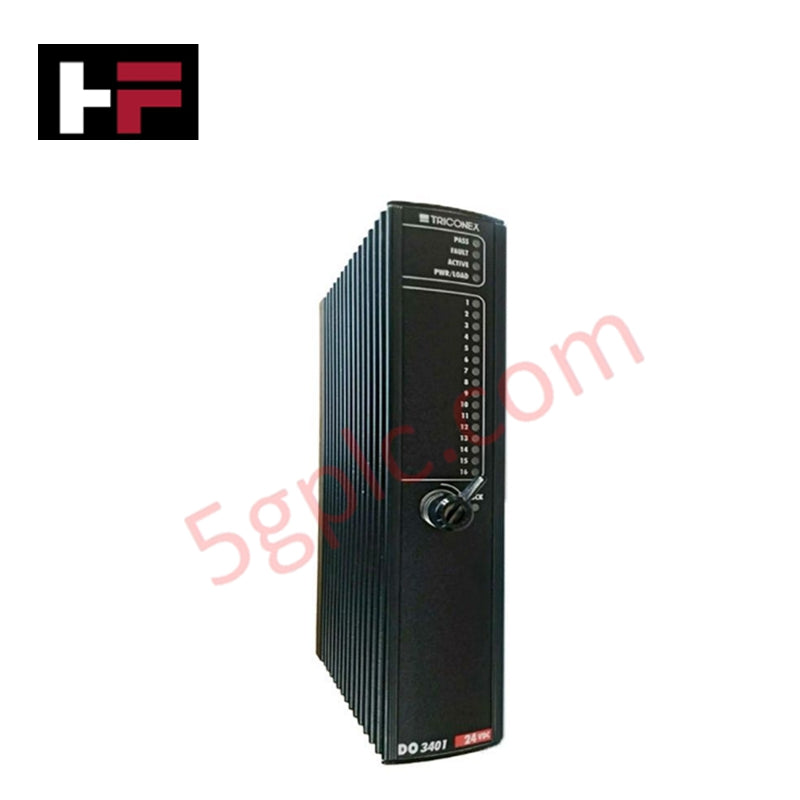
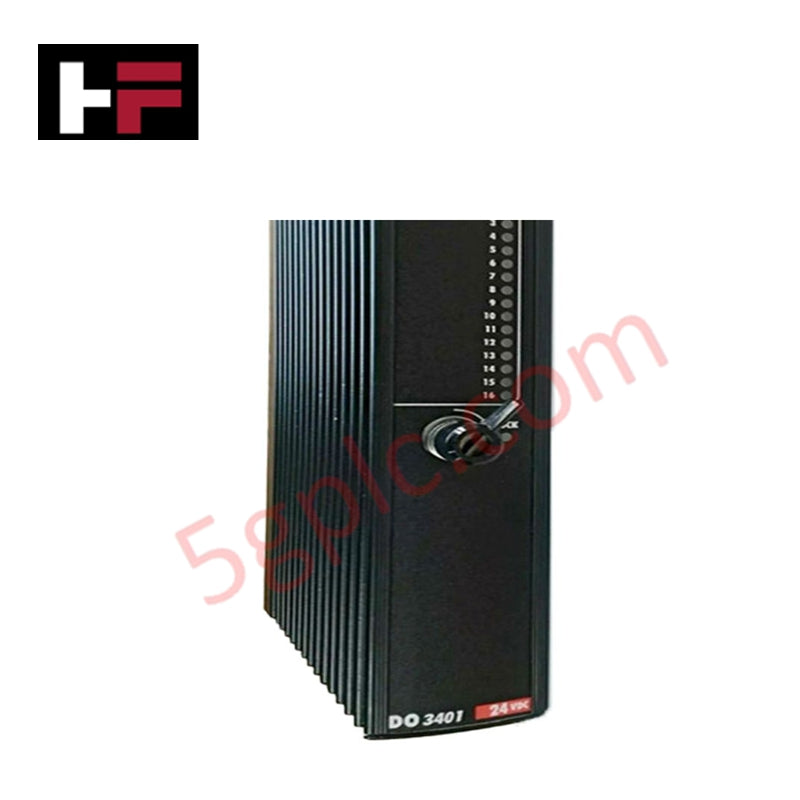
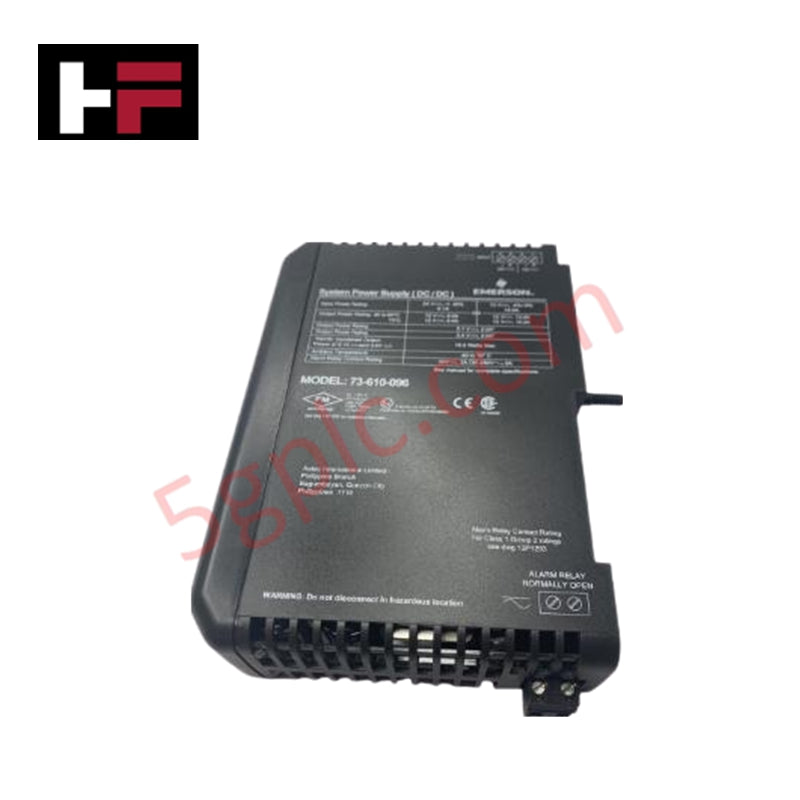
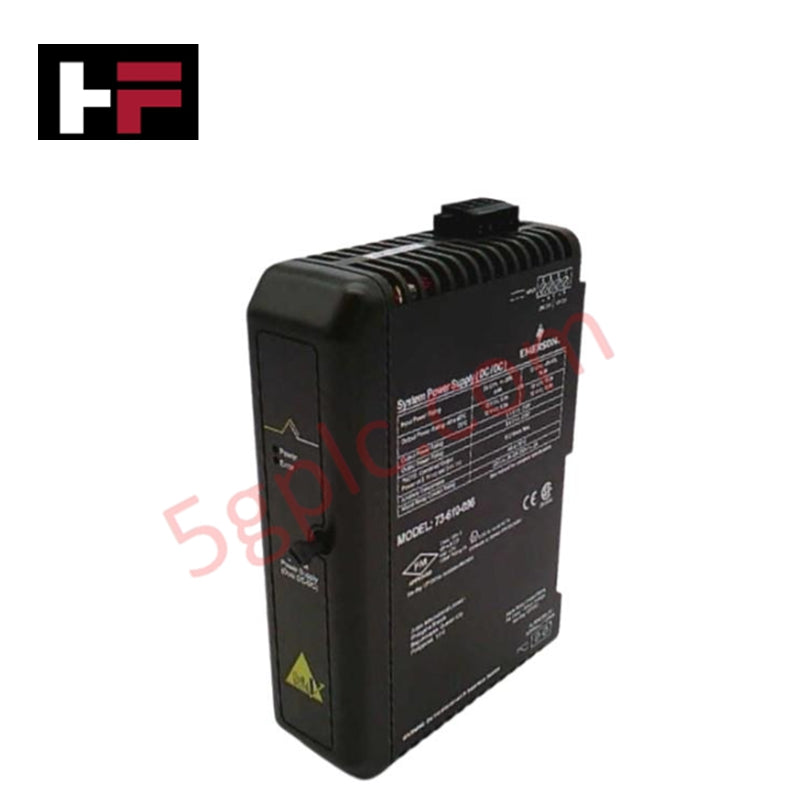
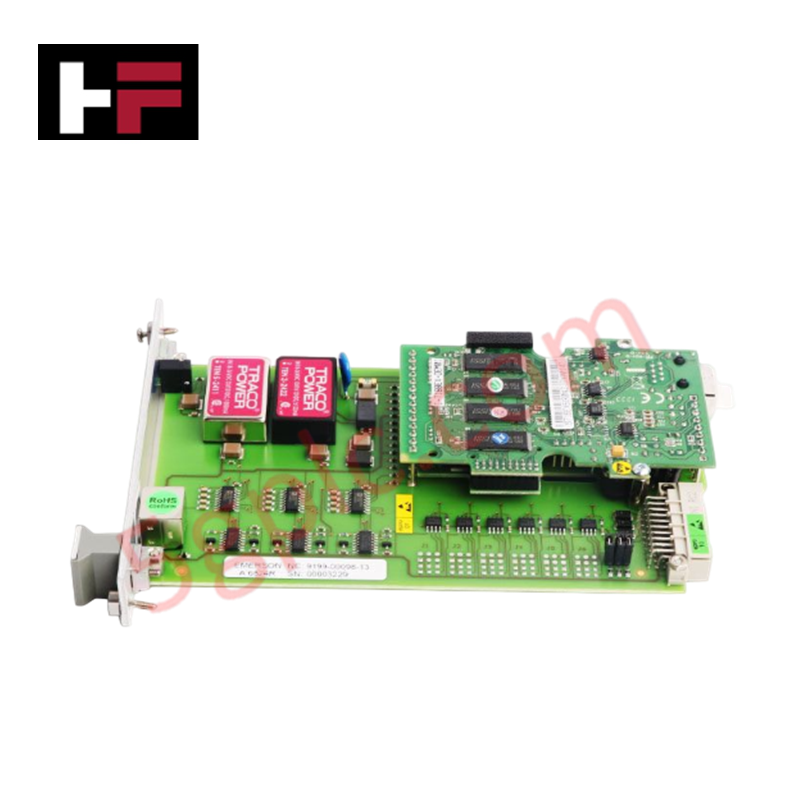
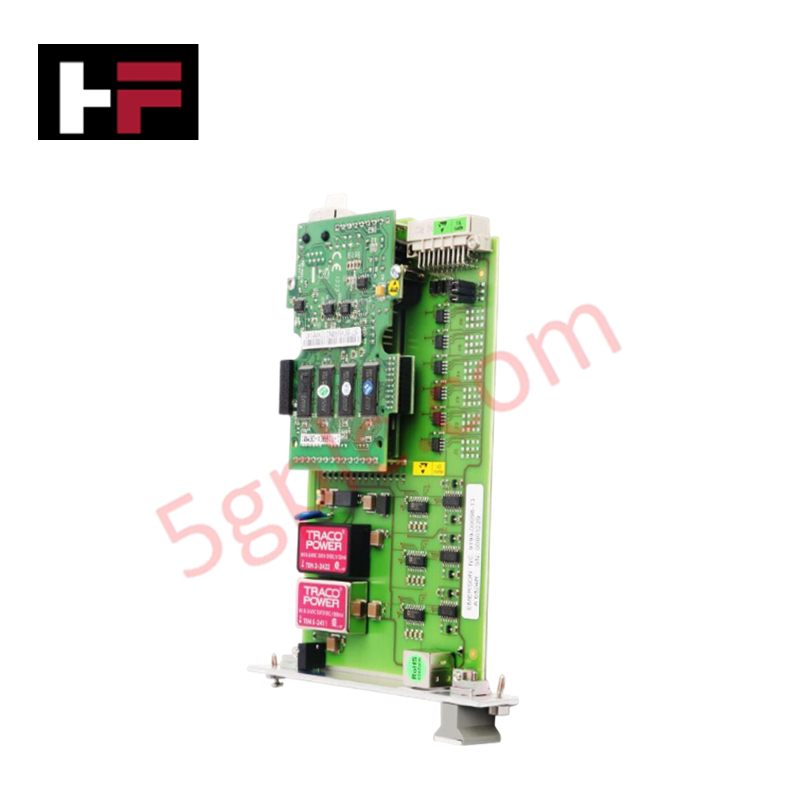
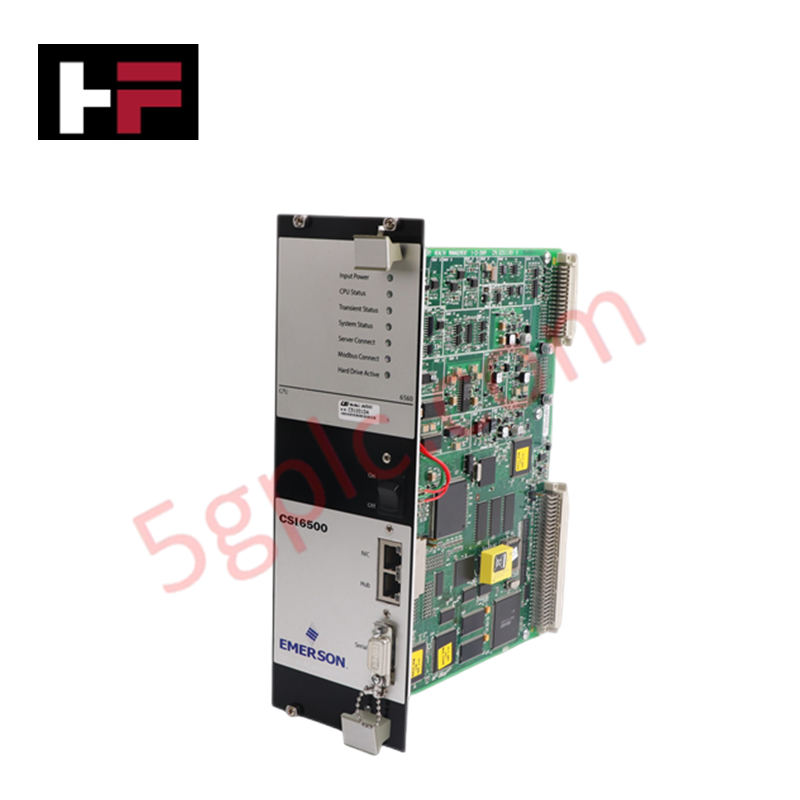
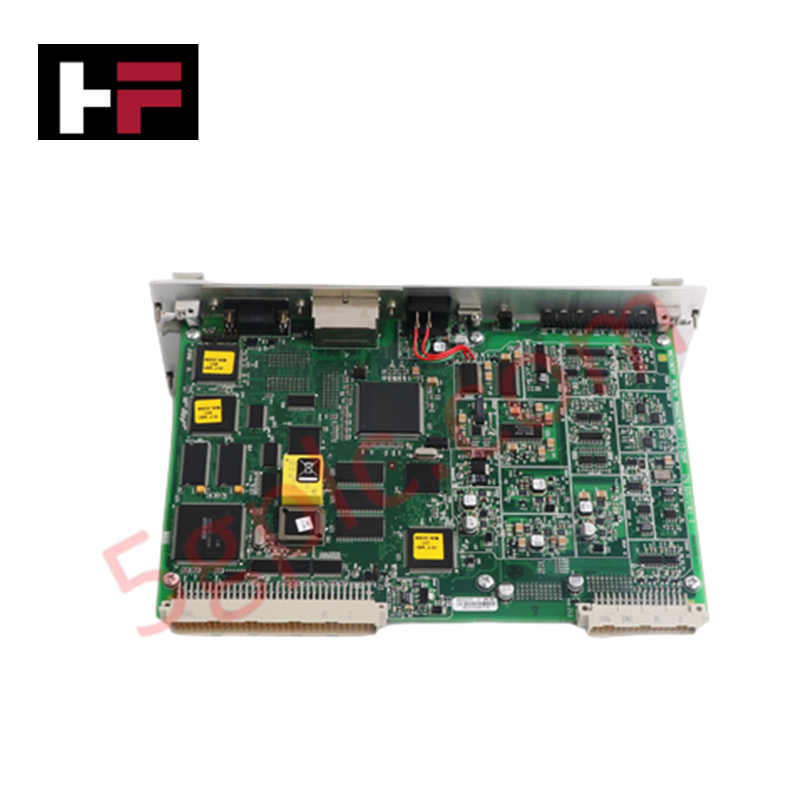
The Triconex DO3401 serves as a high-integrity digital output interface within the Tricon Triple Modular Redundancy (TMR) architecture. This module manages 16 independent Form-C relay channels, providing dry-contact switching for critical final control elements. It bridges the gap between low-voltage logic and high-power field devices while maintaining strict SIL 3 safety compliance. We guarantee this unit as 100% Brand New and Original factory stock.
Technical Specifications
| Parameter | Specification |
| Output Channels | 16-Channel Form-C (SPDT) Relay |
| Voltage Range | 5–125 VDC / 24–240 VAC |
| Current Rating | 2A per channel (Resistive Load) |
| Isolation | 1500V AC (Channel-to-Channel) |
| Response Time | ≤10ms (Typical) |
| Redundancy Modes | Simplex, Dual, or TMR (Configurable) |
| Operating Temp | -40°C to +70°C |
Engineering Advantages
-
TMR Fault Tolerance: The DO3401 integrates directly with the Triconex voting logic. This ensures that a single component failure within the module does not trigger a false trip or fail to execute a safety shutdown, maximizing process uptime in oil, gas, and chemical facilities.
-
Universal Load Handling: Unlike standard solid-state outputs, the Form-C relay design handles both AC and DC voltages across a wide spectrum (up to 240VAC). This flexibility allows engineers to control diverse field equipment—from solenoids to motor starters—without adding interposing relays.
-
Extreme Environment Resilience: The ruggedized circuitry operates reliably from -40°C to +70°C. This eliminates the need for expensive cabinet cooling or heating systems in geographically remote or high-heat industrial zones.
-
Galvanic Protection: 1500V AC channel-to-channel isolation prevents electrical noise and ground loops from propagating between circuits. This protection secures the main processor from field-side surges and electromagnetic interference (EMI).
FAQs
-
Can the DO3401 replace older Triconex digital output modules?
The DO3401 typically replaces legacy relay modules in the Tricon line. However, always verify your existing backplane compatibility and TriStation 1131 software version before hot-swapping to ensure seamless logic integration.
-
How does the module handle inductive loads?
While the 2A rating applies to resistive loads, we recommend installing external suppression (diodes for DC or MOV for AC) when driving high-inductance solenoids to prolong the contact life of the Form-C relays.
-
Does this module support hot-swap functionality?
Yes. In a redundant TMR configuration, you can replace a DO3401 module while the system remains online. The controller automatically re-establishes communication and resumes control without interrupting the process.
Additional Information
- 100% Genuine Parts: All products are original and authentic, ensuring reliable industrial performance.
- 30-Day Refund Guarantee: Return any in-stock item within 30 days in original, unopened packaging for a full refund (excluding shipping and fees).
- 12-Month Warranty: Covers defects in materials or workmanship; excludes misuse, normal wear, or unauthorized modifications.
- Worldwide Shipping: We ship via USPS, UPS, FedEx, and DHL. Delivery times vary by country and may be subject to customs or import fees.
- Support & Contact: Technical and warranty assistance is available anytime. Contact us here: Contact.
- Purchase Guidance: Check product specifications and compatibility carefully before ordering to ensure proper application.




Tech & Buying Guide

Navigating Industrial Automation Failures: Types, Causes, and Mitigation Strategies
Modern manufacturing relies heavily on automated control systems to maximize throughput and maintain product quality. However, unplanned downtime in industrial automation can cost facility operators thousands of dollars per hour. Understanding how programmable logic controllers (PLCs), distributed control systems (DCS), and field instrumentation fail empowers engineering teams to implement robust preventive maintenance strategies.
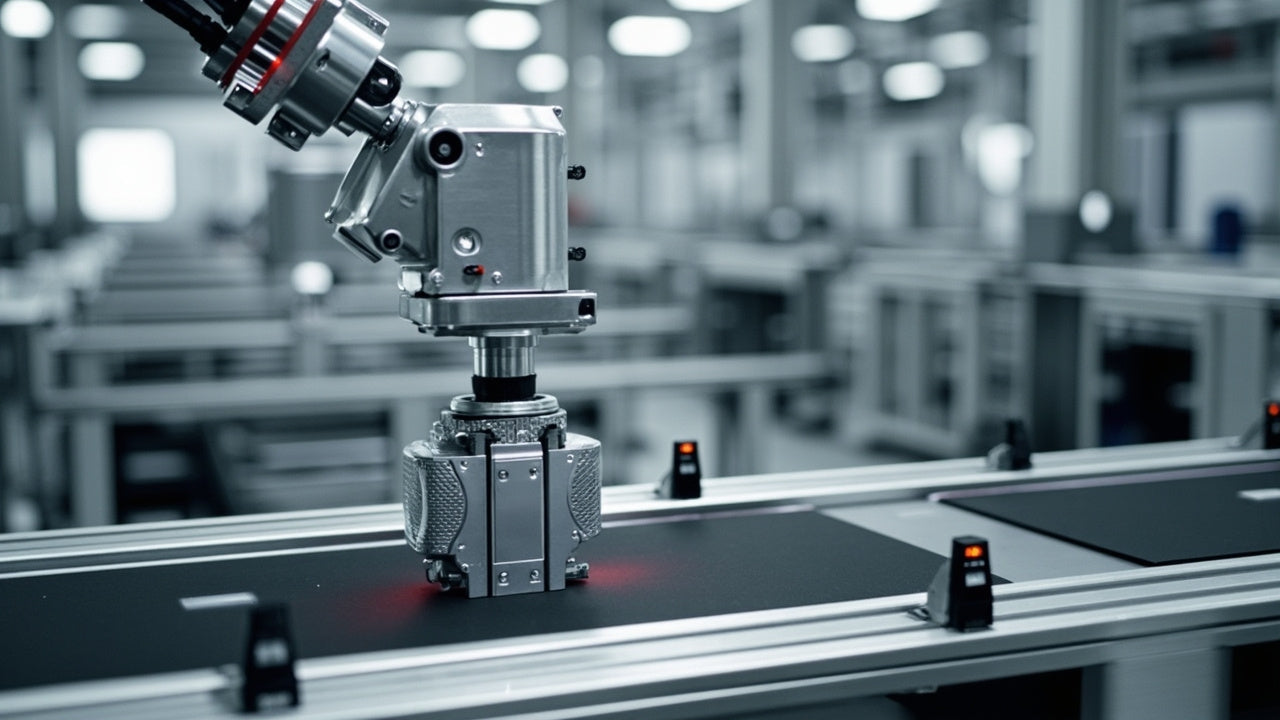
Essential Motion Control Commands: A Practical Guide for Engineers
Automation engineers often rely on precise position and speed control to drive modern factory machinery. Modern industrial systems, such as Programmable Logic Controllers (PLCs) and Distributed Control Systems (DCS), depend heavily on standardized motion instructions. Mastering these commands ensures operational safety, protects mechanical components, and optimizes cycle times across production lines.

The Role of Intrinsic Safety Barriers in PLC and DCS Architectures
Implementing robust protection in hazardous industrial environments represents a fundamental safety requirement in factory automation. Process facilities often handle volatile gases, dusts, and chemical agents that pose significant combustion risks. Consequently, control system engineers must deploy energy-limiting interfaces to isolate safe-area control cabinets from hazardous-area field instrumentation. This article examines the function, selection, and electrical principles of intrinsic safety barriers within modern PLC and DCS networks.