












Product Details
Product Overview
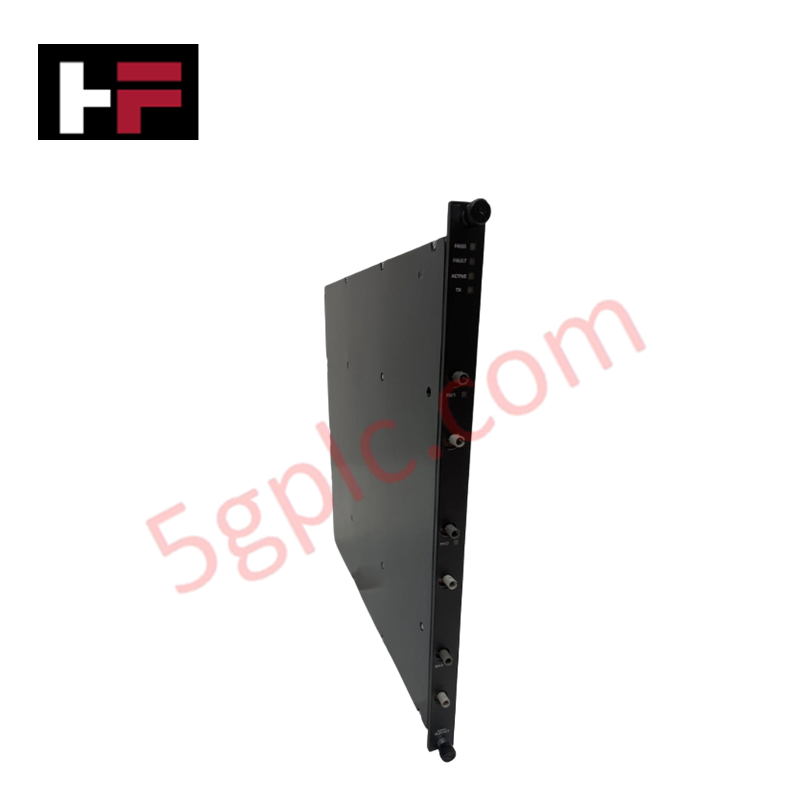
The Triconex 3664 operates as a high-density digital output interface within the Tricon Triple Modular Redundancy (TMR) architecture. This module manages 32 commoned output signals, providing robust control for final control elements such as solenoids, relays, and motor starters. It handles high-current loads while maintaining the strict deterministic performance required for Emergency Shutdown (ESD) and Fire and Gas (F&G) systems. We guarantee this unit as 100% Brand New and Original factory stock.
Technical Specifications
| Feature | Specification |
| Model Number | 3664 |
| Output Signals | 32, Commoned |
| Nominal Voltage | 24 VDC |
| Voltage Range | 16–30 VDC |
| Maximum Voltage | 36 VDC |
| Current Rating | 2A per point |
| Surge Current | 10A per 10ms |
| Point Isolation | 1500 VDC (Minimum) |
| Voltage Drop | < 1.5 VDC (Typical) |
| Color Code | Dark Blue |
| Weight | 4 kg |
Engineering Advantages
-
High Surge Capacity: The 3664 supports a surge current of up to 10A for 10ms. This capability allows the module to trigger inductive loads—such as large heavy-duty solenoids—without tripping internal protections or damaging the circuitry during the initial inrush.
-
Superior Galvanic Isolation: With a minimum point isolation of 1500 VDC, this module effectively creates a barrier between the field wiring and the internal TMR logic bus. This prevents field-side electrical transients or ground loops from compromising the main processor's integrity.
-
Thermal Efficiency: The module maintains a typical voltage drop of less than 1.5 VDC. This low impedance reduces heat dissipation within the module rack, allowing for stable operation in densely packed control cabinets without requiring specialized cooling upgrades.
-
Standardized Identification: The "Dark Blue" color-coding follows the Triconex standard for 24 VDC digital output modules. This visual aid simplifies installation and maintenance, ensuring technicians correctly identify the module type during hot-swap procedures or system expansions.
FAQs
-
Can the 3664 handle high-power DC solenoids directly? Yes. The 2A per point rating provides sufficient power for most industrial-grade DC solenoids. For loads exceeding this or highly inductive devices, we recommend verifying the flyback protection on your field wiring to maximize relay contact longevity.
-
What is the significance of the "Commoned" output configuration? The 32 points share a common return or power feed, which simplifies wiring architecture in the field termination assembly (FTA). This design significantly reduces the number of terminal blocks and wiring complexity in high-density cabinets.
-
How does the 1500 VDC isolation protect my safety system? It acts as an electrical firewall. If a high-voltage surge or lightning strike impacts the field devices, the 1500 VDC isolation prevents that energy from traveling back through the module into the main Tricon chassis, preserving the rest of the safety loop.
Additional Information
- 100% Genuine Parts: All products are original and authentic, ensuring reliable industrial performance.
- 30-Day Refund Guarantee: Return any in-stock item within 30 days in original, unopened packaging for a full refund (excluding shipping and fees).
- 12-Month Warranty: Covers defects in materials or workmanship; excludes misuse, normal wear, or unauthorized modifications.
- Worldwide Shipping: We ship via USPS, UPS, FedEx, and DHL. Delivery times vary by country and may be subject to customs or import fees.
- Support & Contact: Technical and warranty assistance is available anytime. Contact us here: Contact.
- Purchase Guidance: Check product specifications and compatibility carefully before ordering to ensure proper application.




Tech & Buying Guide

Understanding VFD Mechanical Brake Logic and Control in Industrial Automation
Variable Frequency Drives (VFDs) play a crucial role in modern industrial automation by controlling motor speed, torque, and acceleration. However, high-inertia loads and vertical lifting systems require precise mechanical braking logic to ensure operational safety and prevent equipment damage.

Why Programmable Logic Controllers Drop into Stop Mode: An Expert Analysis
Industrial automation systems rely heavily on Programmable Logic Controllers (PLCs) to maintain uninterrupted production. When a PLC unexpectedly shifts from Run to Stop mode, whole manufacturing lines stall.
As control systems evolve across modern factory automation, understanding the root causes of these interruptions helps engineers minimize costly downtime. This technical guide breaks down why PLCs trip into Stop mode and provides practical strategies to mitigate system faults.

Understanding Root Causes of Unplanned PLC Stop Mode in Industrial Automation
Modern Programmable Logic Controllers manage execution through distinct operational states: Run, Stop, Start-Up, and Hold. During power-up, a controller initializes memory registers within Stop mode before briefly transitioning to Start-Up mode. During this phase, internal self-diagnostics evaluate system integrity across hardware and user programs. If the controller detects no critical faults, it enters Run mode to execute the control program continuously. However, any severe system anomaly forces the CPU back into Stop mode immediately to prevent erratic machine behavior across the plant floor.