










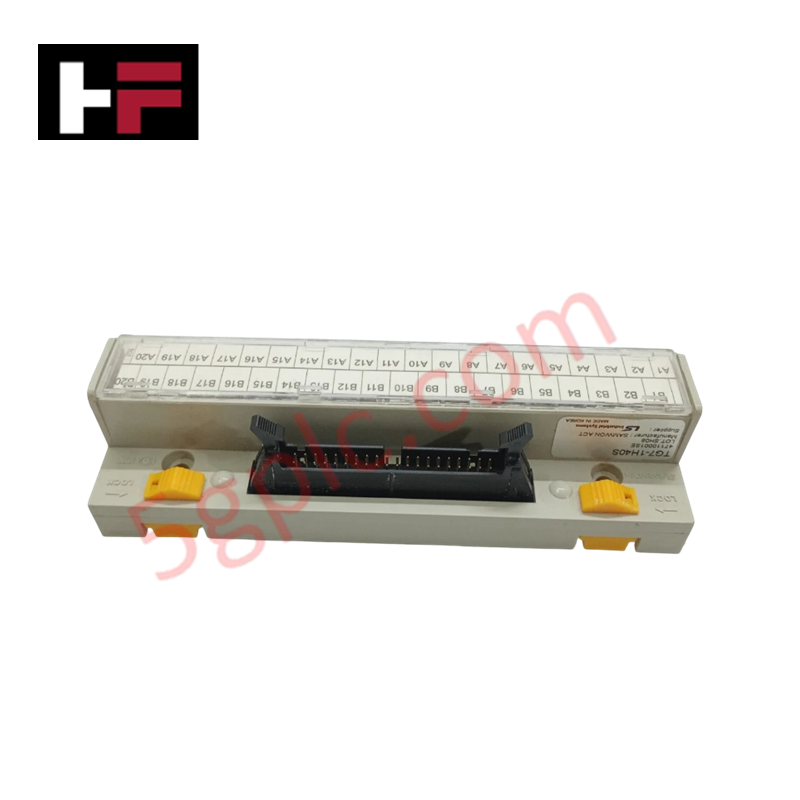
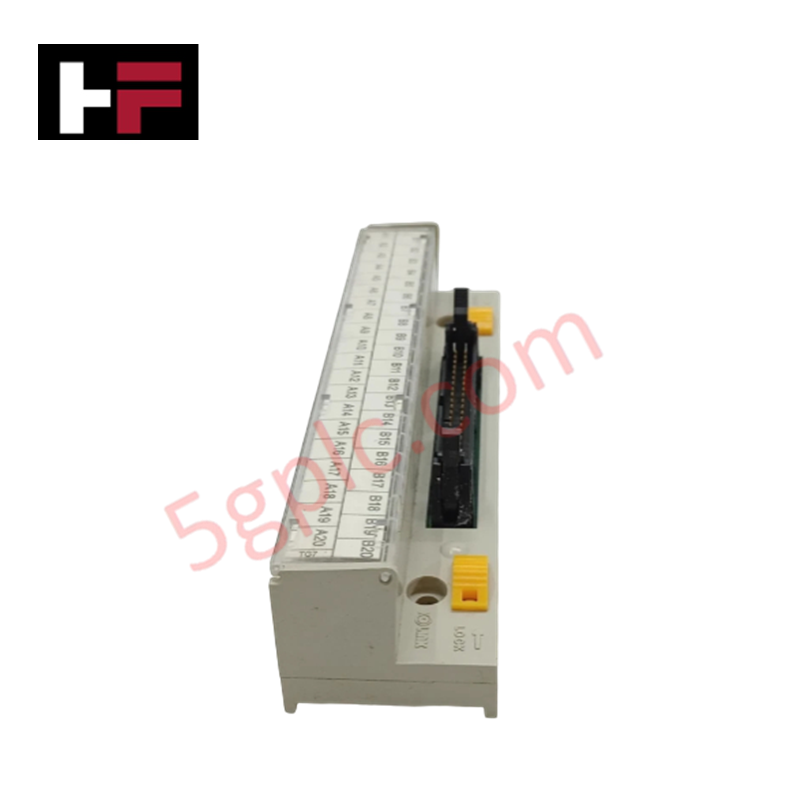
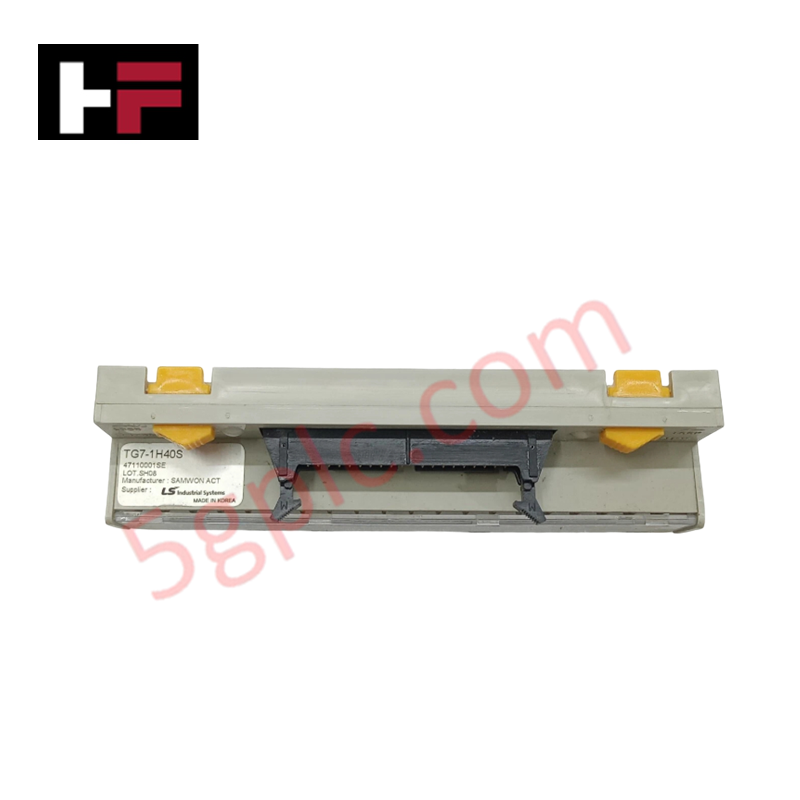
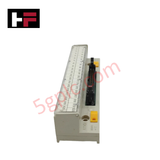
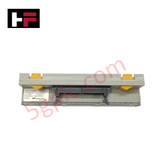
Product Details
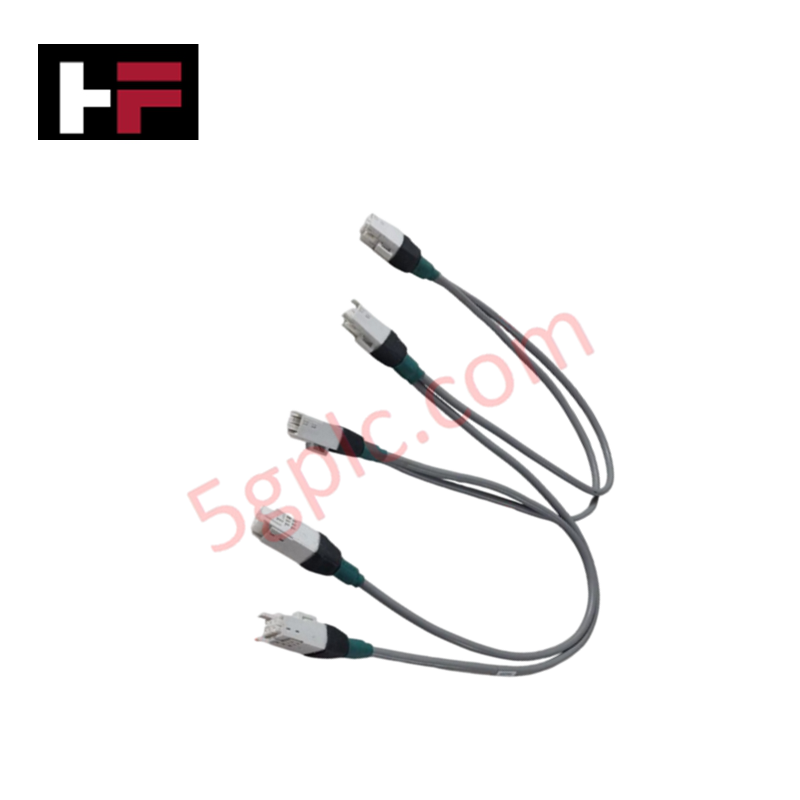
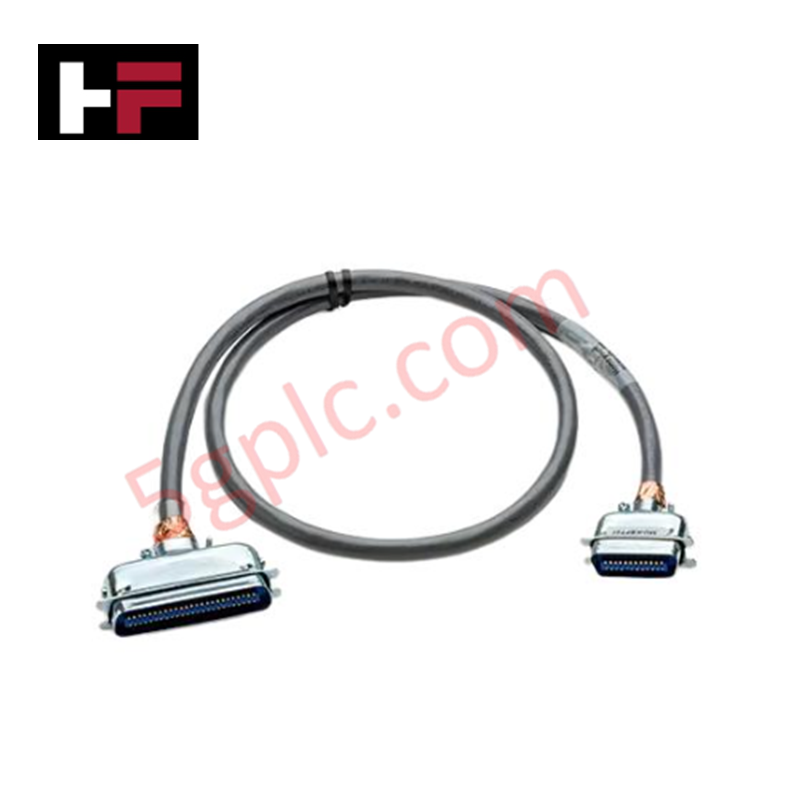
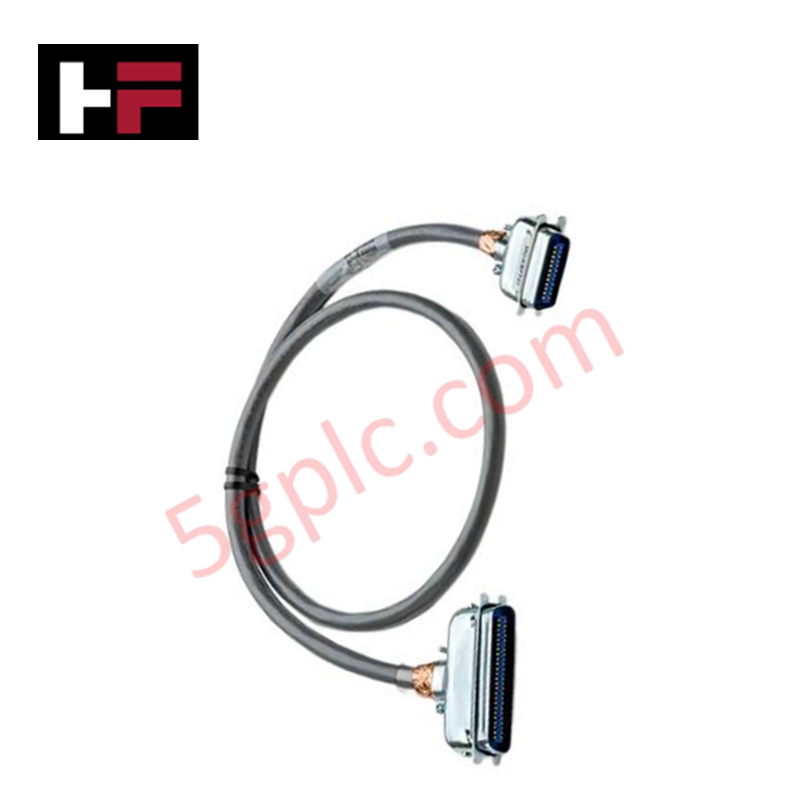
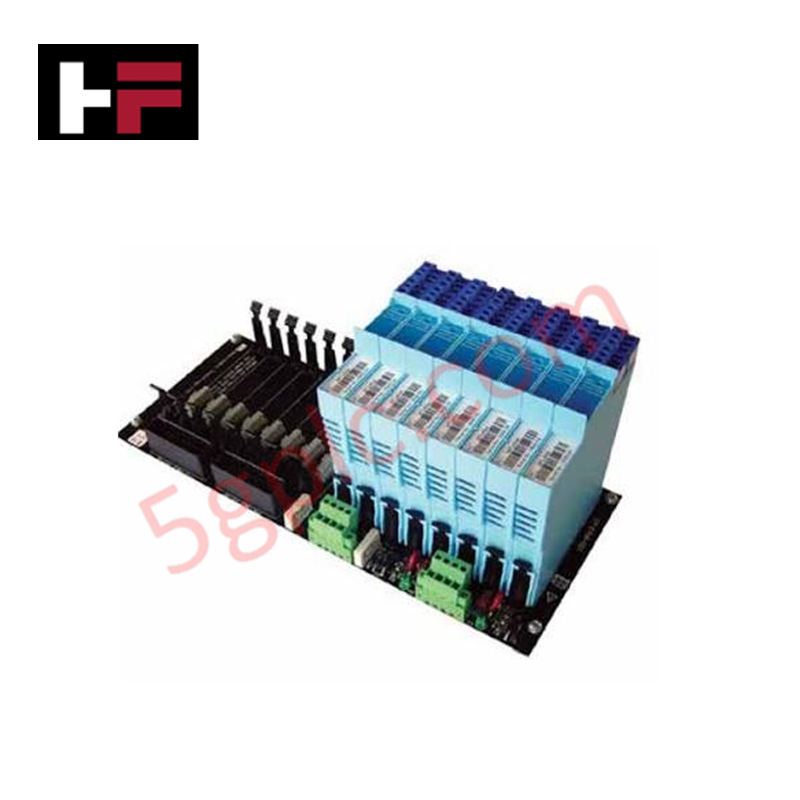
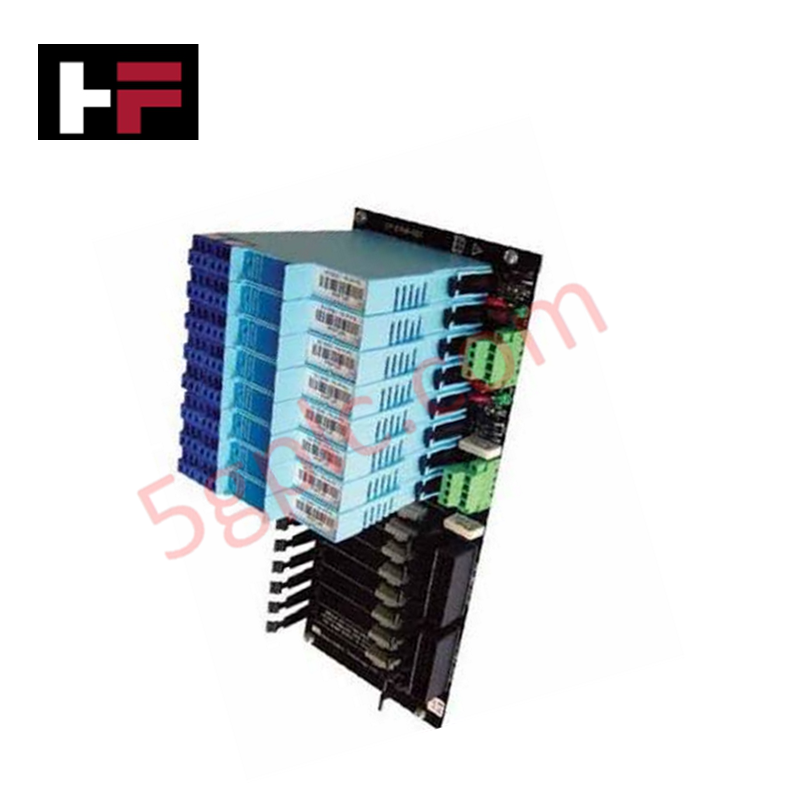
The Honeywell TG7-1H40S, also cataloged as the TG7-1H40S Smart Link Terminal Board, operates as a dedicated hardware component for direct digital I/O field termination and protocol translation within DCS and PLC networks.
Hardware Specifications
| Parameter | Specification |
|---|---|
| Model | TG7-1H40S |
| Brand | Honeywell |
| Origin | USA |
| Weight | 0.85 kg |
| Dimensions | Standard DIN-rail mount enclosure specs |
| Operating Temp | -20 to +70 deg C |
| Power Consumption | Nominal 24 VDC bus supply |
| Connection Points | 40 screw terminals |
| Communication Protocol | Modbus TCP/IP |
| Interface Type | RJ45 Ethernet port |
| Rated Voltage | 24 VDC |
| Protection Rating | IP67 |
| Mounting | DIN rail installation |
4-20 mA HART Loop & Channel-to-Channel Isolation Characteristics
Engineered for field I/O marshaling into distributed automation nodes, the terminal board isolates high-density discrete field loops from central processing logic. The internal power conditioning circuits stabilize 24 VDC distributions across all 40 connection points, preventing common-mode noise and ground potential shifts from affecting the RJ45 Ethernet interface. Integrated channel isolation and transient protection safeguard the internal Modbus TCP/IP communication processor against inductive surges generated during field load switching.
Frequently Asked Questions
Q: How does the Modbus TCP/IP interface interact with the 40 physical screw terminals?
A: The internal logic maps the electrical states of the 40 discrete field terminal points into Modbus registers, allowing remote PLCs or DCS controllers to query or command field channels over a single RJ45 Ethernet connection.
Q: Can the IP67 enclosure be field-mounted without an additional junction box?
A: Yes. The IP67 rating provides dust-tight protection and resistance to water ingress, permitting direct mounting in field environments when cable glands and the RJ45 connector are correctly sealed.
Q: What are the electrical wiring requirements for the 24 VDC supply on this terminal board?
A: The board requires a regulated 24 VDC external supply connected to the designated power terminals. Standard field installation requires dedicated fusing on the power feed to match the connected load profile.
Field Installation Guidelines
- Snap the unit securely onto a standard 35 mm DIN rail inside the field enclosure or mounting plane.
- Strip field conductor insulation back 6 to 8 mm and insert wire ends into the 40 screw terminals, tightening screws to 0.5 Nm.
- Connect an industrial-grade, shielded Cat5e/Cat6 cable to the IP67-rated RJ45 connector port.
- Ground the Ethernet cable shield at a single earth reference point to eliminate ground loops.
- Verify 24 VDC power polarity and voltage levels at the supply input before energizing the board.
Additional Information
- 100% Genuine Parts: All products are original and authentic, ensuring reliable industrial performance.
- 30-Day Refund Guarantee: Return any in-stock item within 30 days in original, unopened packaging for a full refund (excluding shipping and fees).
- 12-Month Warranty: Covers defects in materials or workmanship; excludes misuse, normal wear, or unauthorized modifications.
- Worldwide Shipping: We ship via USPS, UPS, FedEx, and DHL. Delivery times vary by country and may be subject to customs or import fees.
- Support & Contact: Technical and warranty assistance is available anytime. Contact us here: Contact.
- Purchase Guidance: Check product specifications and compatibility carefully before ordering to ensure proper application.



Tech & Buying Guide

PLC and DCS Control System Spares Strategy: Engineering Guidelines
Modern factory automation relies on high-speed fiber optic backbones to link distributed control systems across noise-intensive industrial environments. Unlike copper wiring, optical fibers transmit data via light pulses, making them completely immune to electromagnetic interference (EMI). Field engineers must master optical cable joining and fusion splicing techniques to guarantee low-loss data transmission across critical Programmable Logic Controller (PLC) and Distributed Control System (DCS) nodes.

PLC and DCS Control System Spares Strategy: Engineering Guidelines
Industrial automation lifecycle management requires robust spare parts planning for Programmable Logic Controller (PLC) and Distributed Control System (DCS) platforms. Plant engineers must correctly categorize spare components during front-end engineering design to maintain high system availability. Miscalculating spare requirements can lead to prolonged unscheduled downtime, project budget overruns, or delayed site commissioning.

Wellhead Control Panel (WHCP) Architecture in Oil and Gas Automation
Upstream oil and gas operations rely on specialized field control platforms to manage wellhead extraction safety and hydraulic actuation. A Wellhead Control Panel (WHCP) serves as a dedicated hydraulic and pneumatic power unit designed to operate critical Christmas Tree isolation valves. By interfacing field safety components directly with Programmable Logic Controller (PLC) architecture, a WHCP protects upstream extraction assets against overpressure, catastrophic leaks, and thermal emergencies.