










Product Details
Product Overview
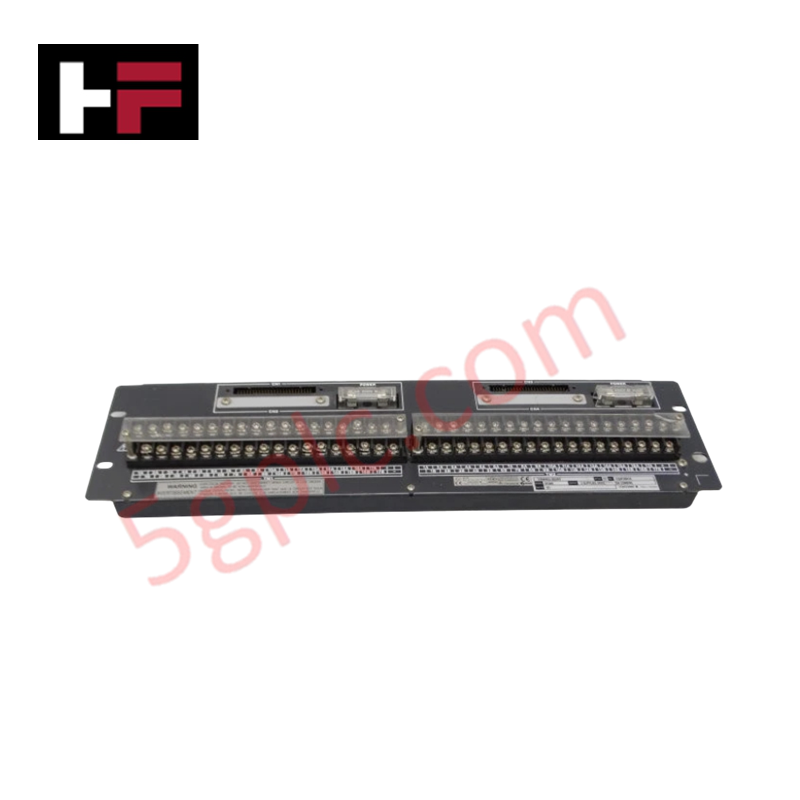
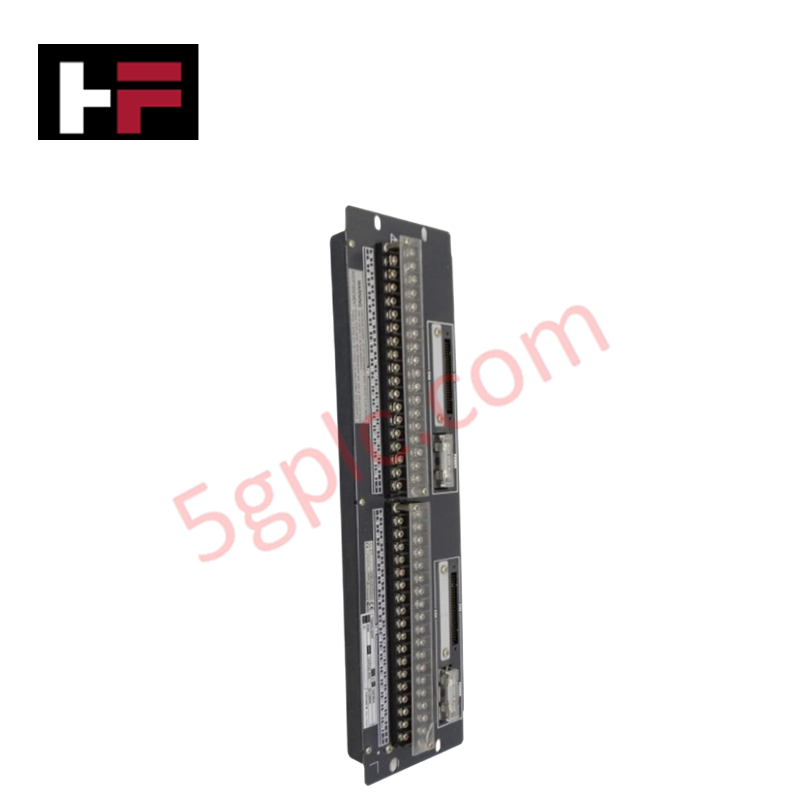
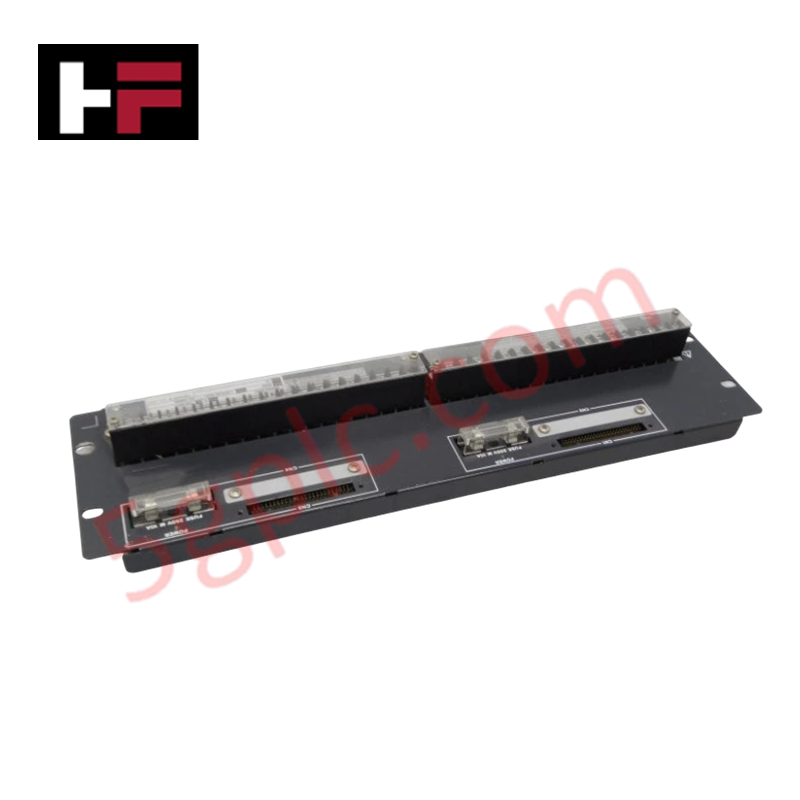
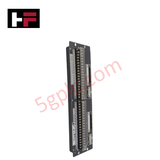
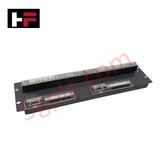
The Yokogawa SED4D-01 serves as a robust Digital Terminal Board designed specifically for the CENTUM VP integrated production control system. It acts as the physical interface between field digital signals and the DCS I/O modules, facilitating secure signal termination and distribution. We supply this unit as 100% Brand New and Original, ensuring absolute signal continuity and compliance with Yokogawa's stringent industrial standards for mission-critical automation.
Part Number Breakdown
| Code | Specification | Detail |
| SED4D | Basic Model | Digital Terminal Board |
| -0 | Type | Standard non-surge absorber type |
| 1 | Design | Basic hardware configuration |
Technical Specifications
| Feature | Details |
| Product Type | Digital Terminal Board |
| Manufacturer | Yokogawa |
| Interface Compatibility | CENTUM VP Digital I/O Modules |
| Mounting Format | Rack-mount or Wall-mount via base plate |
| Weight | 2.5 kg |
| Connection Method | M3 or M4 screw terminals (standard configuration) |
Engineering Advantages
-
High-Density Signal Management: The SED4D-01 organizes complex digital wiring into a centralized, labeled interface. This systematic layout significantly reduces the time required for loop checking and commissioning in large-scale plants.
-
Simplified Maintenance Access: The terminal board design allows engineers to disconnect field wiring without disturbing the backplane of the I/O rack. This physical separation prevents accidental damage to expensive I/O cards during routine field maintenance.
-
Mechanical Durability: Weighing 2.5 kg, the unit features a rugged chassis that resists the mechanical stresses of heavy industrial cabling. It maintains firm contact pressure over years of service, preventing intermittent signal failures caused by oxidation or vibration.
-
Versatile Mounting: The SED4D-01 fits seamlessly into standard Yokogawa control cabinets. It optimizes internal cabinet space, allowing for high-density I/O configurations while maintaining sufficient clearance for wire ducting and heat dissipation.
FAQs
-
Which cables should I use to connect the SED4D-01 to my I/O module?
This terminal board typically utilizes Yokogawa KS series signal cables (such as KS1 or KS9). Always verify the pin-count on your specific digital I/O module to ensure cable compatibility before installation.
-
Can I replace a failed SED4D-01 without re-wiring the entire field side?
Yes. Because the SED4D-01 utilizes standardized terminal positions, you can swap the hardware and migrate the existing wires. We recommend marking each wire clearly to ensure the digital logic remains consistent after the hardware exchange.
-
Does this model include surge protection?
The SED4D-01 is a standard digital terminal board. If your environment requires lightning or surge protection, you should consider the SED4D versions specifically equipped with surge absorbers or install external surge protection devices in the loop.
-
Is this unit compatible with both 24VDC and 110VAC digital signals?
The SED4D-01 handles the physical termination; however, the voltage rating depends on the I/O module and the specific field wiring standards applied. Always consult your system's I/O specification sheet to ensure the terminal spacing and insulation meet your voltage requirements.
Additional Information
- 100% Genuine Parts: All products are original and authentic, ensuring reliable industrial performance.
- 30-Day Refund Guarantee: Return any in-stock item within 30 days in original, unopened packaging for a full refund (excluding shipping and fees).
- 12-Month Warranty: Covers defects in materials or workmanship; excludes misuse, normal wear, or unauthorized modifications.
- Worldwide Shipping: We ship via USPS, UPS, FedEx, and DHL. Delivery times vary by country and may be subject to customs or import fees.
- Support & Contact: Technical and warranty assistance is available anytime. Contact us here: Contact.
- Purchase Guidance: Check product specifications and compatibility carefully before ordering to ensure proper application.


Tech & Buying Guide

Demystifying the DDE Protocol in Legacy Industrial Automation Systems
Modern control systems rely heavily on seamless interprocess communication to exchange operational data between software programs. Microsoft first introduced the Dynamic Data Exchange (DDE) protocol in 1987 to enable real-time data sharing. In factory automation, DDE served as an early bridge between control software and Windows desktop applications. Therefore, understanding DDE mechanics provides crucial insights into how legacy industrial networks established software-level connectivity.

Demystifying CPU Communication Ports in Siemens PLC Architectures
Industrial automation relies heavily on robust data exchange between devices. Without seamless connectivity, field instruments, network switches, human-machine interfaces, and programmable logic controllers cannot coordinate effectively. Therefore, understanding the various CPU communication ports available in Siemens hardware ensures efficient factory automation design and seamless system integration.

Mastering the Siemens PLC Scan Cycle: How the CPU Executes Automation Programs
Industrial automation relies heavily on programmable logic controllers (PLCs) to manage complex manufacturing processes. Many engineers dive straight into programming without mastering the underlying architecture. However, understanding how a PLC CPU executes a program ensures reliable system design. Therefore, mastering the scan cycle optimizes both performance and troubleshooting in modern control systems.