










Product Details
Product Overview
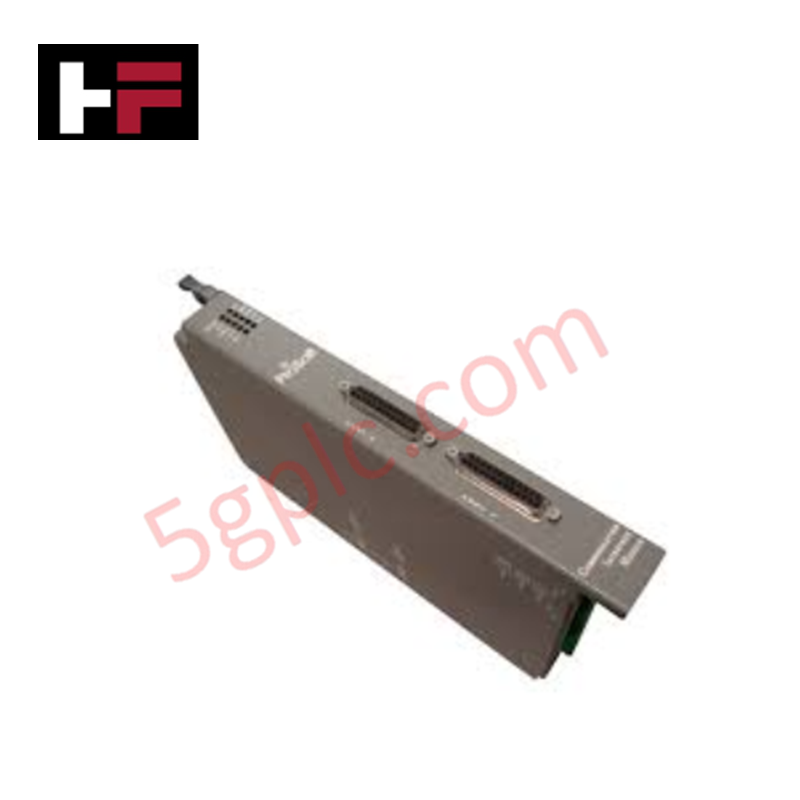
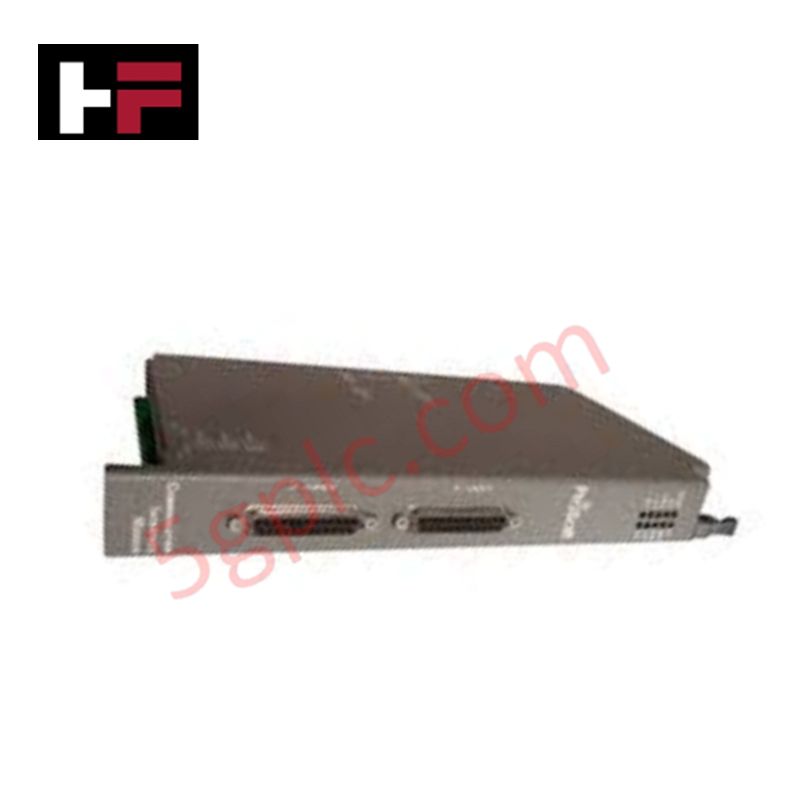
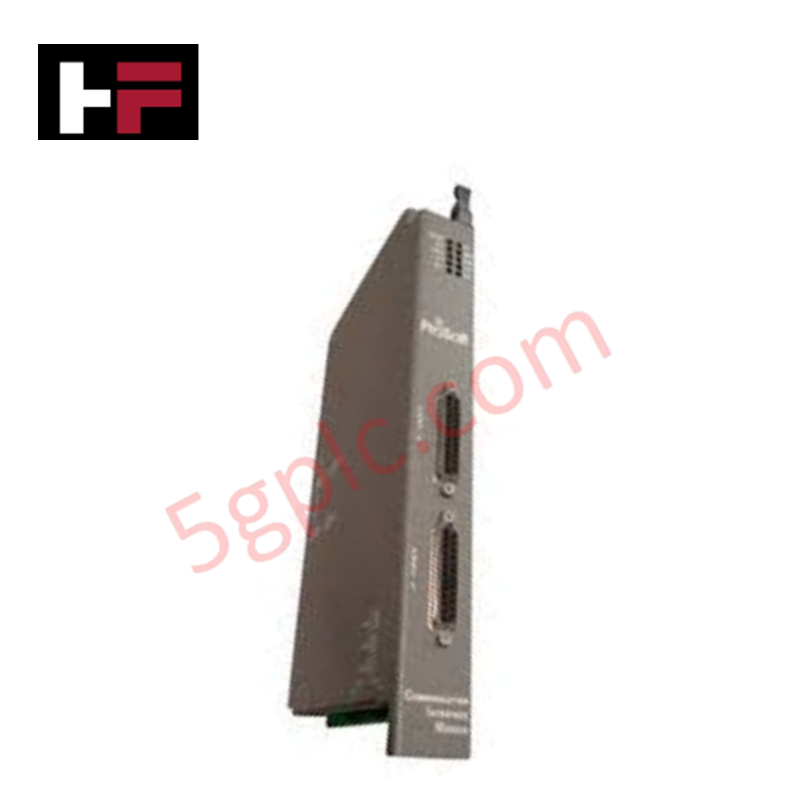
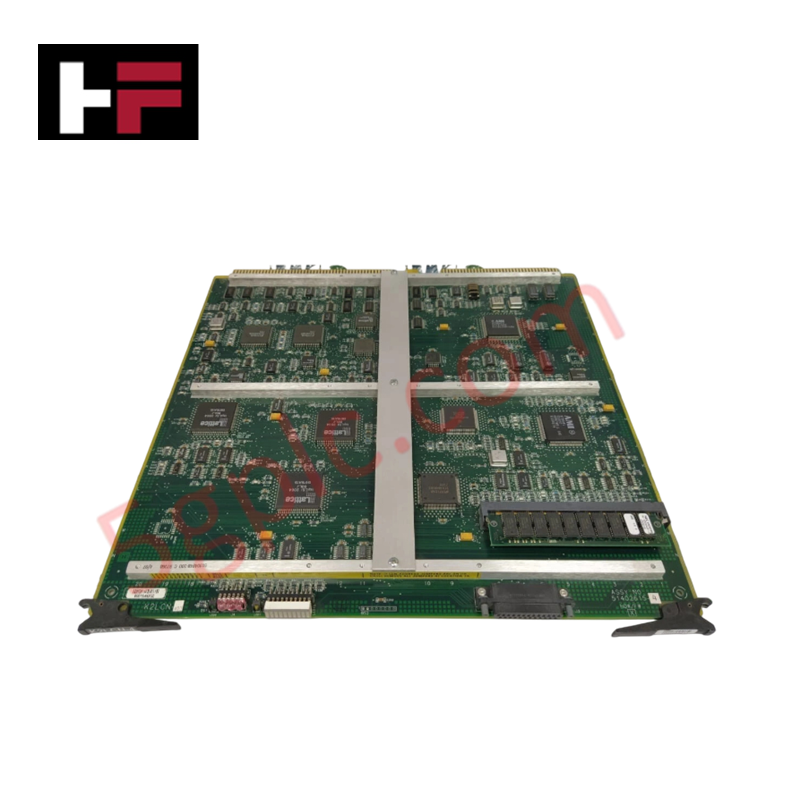
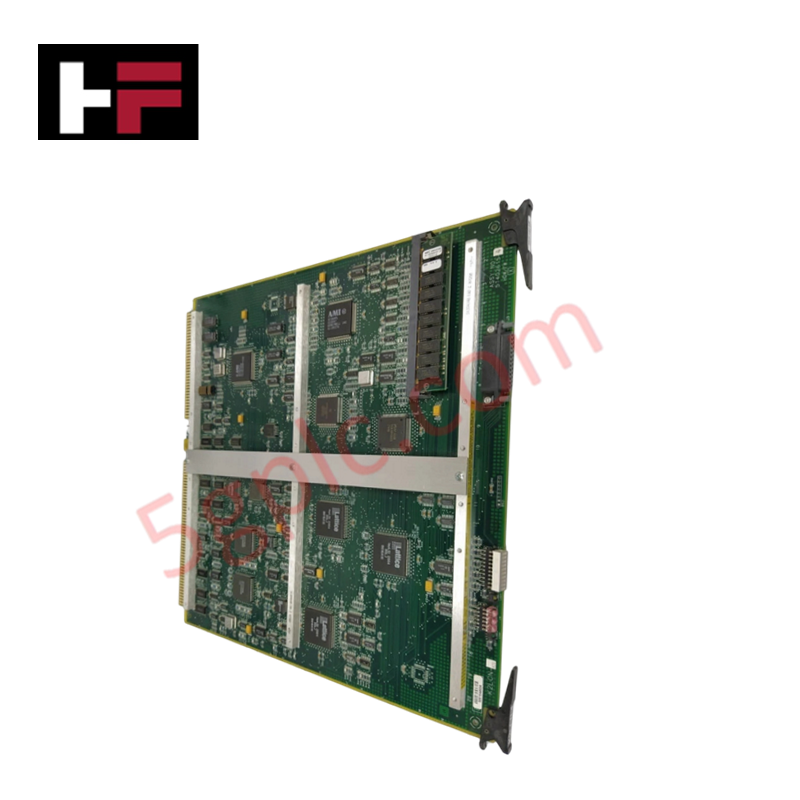
The ProSoft 3100-MCM functions as a high-performance communication gateway, enabling seamless data exchange between a host controller and Modbus RTU/ASCII compatible devices. This module features two independent ports, allowing for simultaneous multi-point networking. We supply this unit as 100% Brand New and factory-original, providing a critical solution for integrating modern field instruments with legacy Emerson or compatible PLC architectures.
Technical Specifications
The 3100-MCM utilizes a dual-port architecture to maximize network throughput and connectivity.
| Feature | Specification |
| Manufacturer | ProSoft Technology (Emerson Compatible) |
| Part Number | 3100-MCM |
| Module Type | Communication Interface |
| Protocol | Modbus RTU / Modbus ASCII |
| Ports | 2 Independent RS-232/422/485 Ports |
| Operational Modes | Modbus Master and/or Modbus Slave |
| Baud Rate | 110 to 115,200 bps |
| Backplane Power | Drawn from Chassis |
| Weight | 1.10 lbs (0.50 kg) |
Engineering Advantages
-
Versatile Master/Slave Configuration: Each port operates independently as either a Modbus Master or a Modbus Slave. This flexibility allows the 3100-MCM to collect data from remote sensors (Master mode) while simultaneously reporting that data to a SCADA system or HMI (Slave mode).
-
Protocol Bridging: The module bridges disparate industrial devices by supporting both Modbus RTU and ASCII formats. It converts complex register data into a format the host processor understands, eliminating the need for custom driver development.
-
Independent Port Isolation: The dual-port design ensures that a failure or signal noise on one network segment does not affect the other. This physical and logical separation maintains system uptime during localized wiring faults.
-
Simplified Parameter Mapping: The 3100-MCM utilizes a straightforward memory mapping technique. Engineers map Modbus registers directly to the host processor’s internal data files, which accelerates software commissioning and simplifies long-term maintenance.
FAQs
-
Can the 3100-MCM operate as a Master on Port 1 and a Slave on Port 2 simultaneously?
Yes. The module supports independent configuration for each port. You can designate Port 1 to poll downstream field devices (Master) while Port 2 provides data to an upstream supervisor system (Slave).
-
What cable lengths does the 3100-MCM support?
Cable length depends on the selected physical interface. RS-232 typically supports up to 50 feet (15 meters), while RS-485 configurations extend up to 4,000 feet (1,200 meters). Always use high-quality shielded twisted-pair cabling to minimize electromagnetic interference.
-
Does this module require external power?
The 3100-MCM draws its operating power directly from the PLC backplane. However, ensure your chassis power supply has sufficient headroom to accommodate the module's current draw along with your existing I/O cards.
-
Is this unit compatible with modern Emerson systems?
The 3100-MCM specifically supports the platform indicated in the original hardware specifications. As this is a Brand New original unit, it functions as a direct drop-in replacement for failed or obsolete modules, requiring no modifications to the existing physical rack.
Additional Information
- 100% Genuine Parts: All products are original and authentic, ensuring reliable industrial performance.
- 30-Day Refund Guarantee: Return any in-stock item within 30 days in original, unopened packaging for a full refund (excluding shipping and fees).
- 12-Month Warranty: Covers defects in materials or workmanship; excludes misuse, normal wear, or unauthorized modifications.
- Worldwide Shipping: We ship via USPS, UPS, FedEx, and DHL. Delivery times vary by country and may be subject to customs or import fees.
- Support & Contact: Technical and warranty assistance is available anytime. Contact us here: Contact.
- Purchase Guidance: Check product specifications and compatibility carefully before ordering to ensure proper application.






Tech & Buying Guide

Understanding Marshalling Cabinets in Industrial Control Systems Architecture
Industrial control system deployments rely on structured signal distribution to bridge field instrumentation with central processing hardware. A marshalling cabinet serves as the vital intermediate connection point between heavy field home-run multi-pair cables and delicate input/output (I/O) modules housed inside Programmable Logic Controller (PLC) or Distributed Control System (DCS) enclosures. By segregating field cable terminations from control hardware, engineers maintain system flexibility, safeguard controller components, and streamline commissioning workflows.

FAT vs SAT in Industrial Control Systems: Key Differences and Execution Guide
Industrial control system deployment relies on strict verification protocols to guarantee operational safety, system stability, and regulatory compliance. Commissioning complex Programmable Logic Controller (PLC) racks, Distributed Control Systems (DCS), and Safety Instrumented Systems (SIS) requires two critical milestones: the Factory Acceptance Test (FAT) and the Site Acceptance Test (SAT). Both procedures validate that system automation meets design specifications, but they occur at different stages of project execution and target distinct operational risks.

Hub vs Switch vs Router in Industrial Automation Architecture
Modern factory automation relies on reliable industrial networking infrastructure to exchange real-time field data across operational technology systems. Engineers often encounter networking hardware like hubs, switches, and routers when integrating Programmable Logic Controllers, Distributed Control Systems, and SCADA monitoring nodes. Although these devices share physical ports, they operate at different layers of the Open Systems Interconnection reference model and deliver distinct traffic management capabilities.