










Product Details
Product Overview
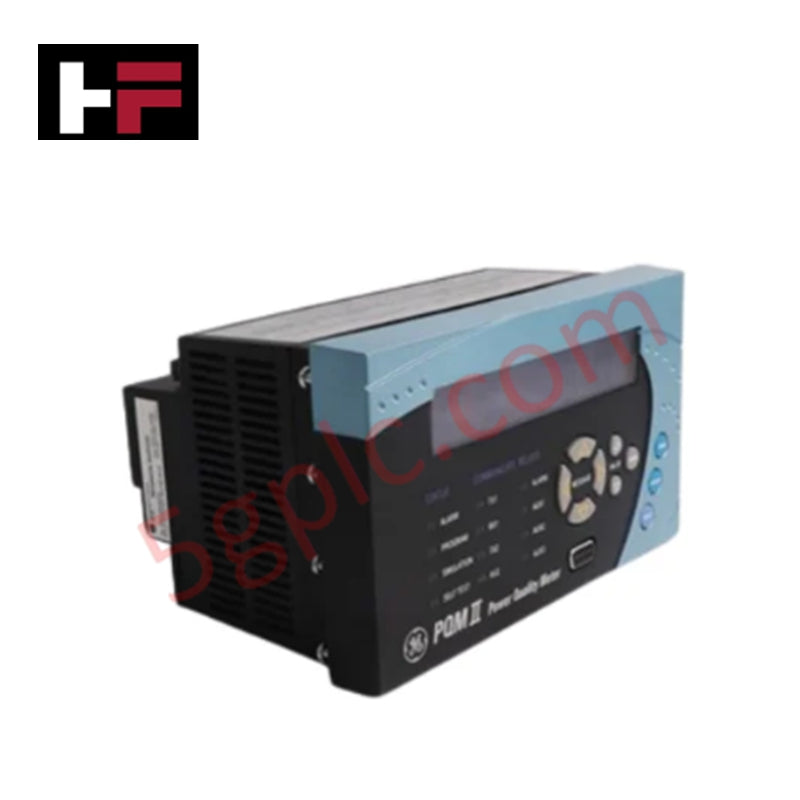
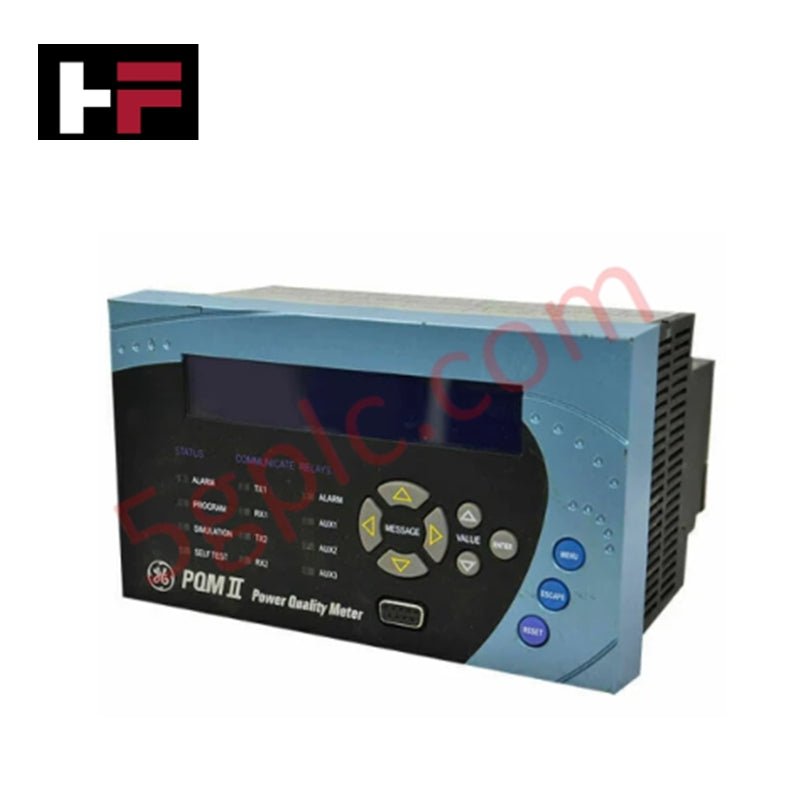
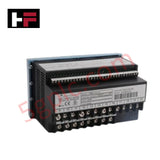
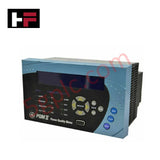
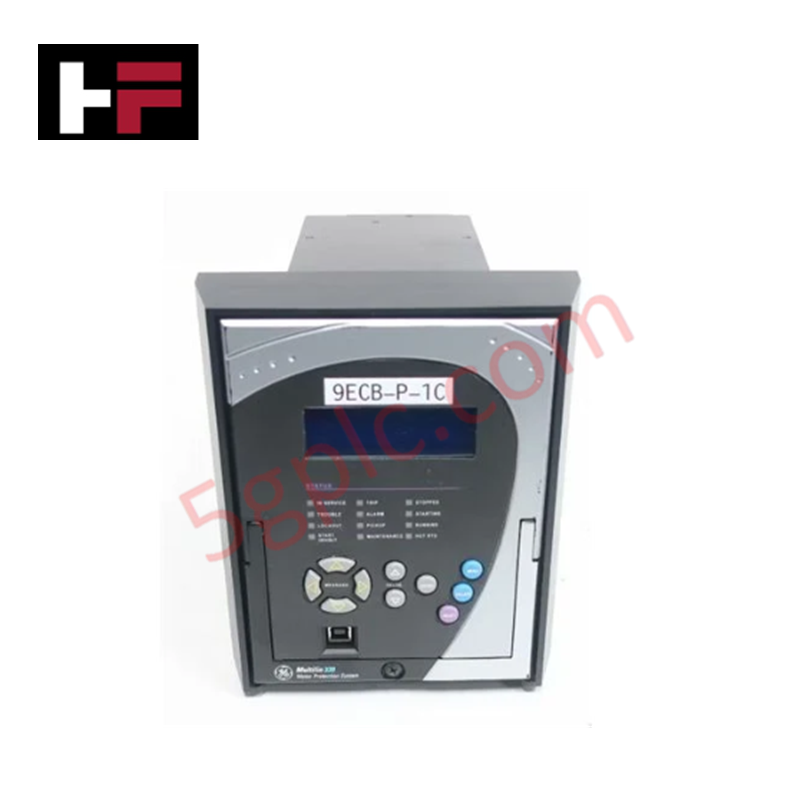
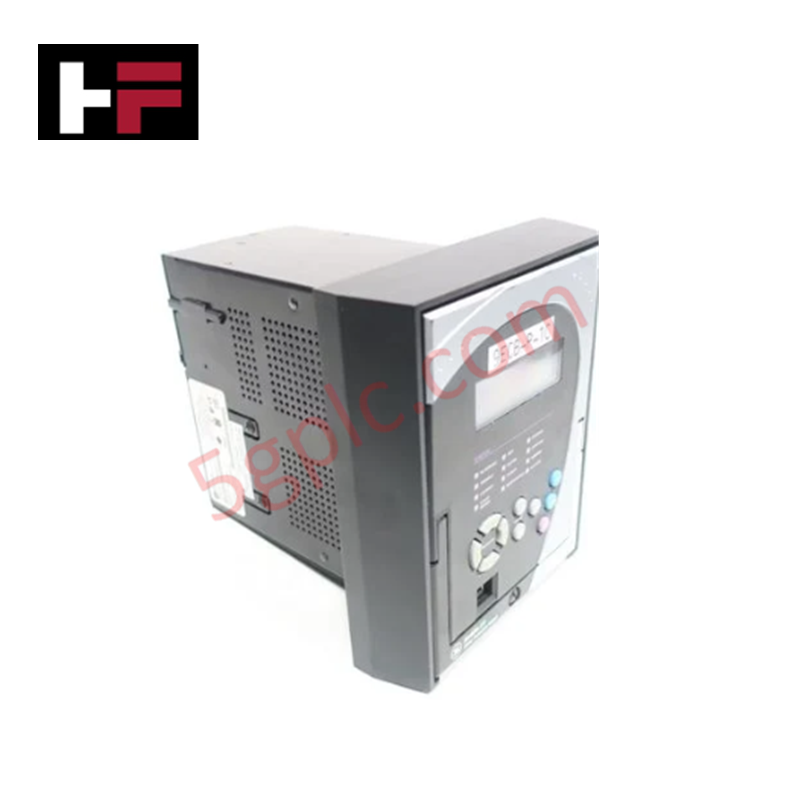
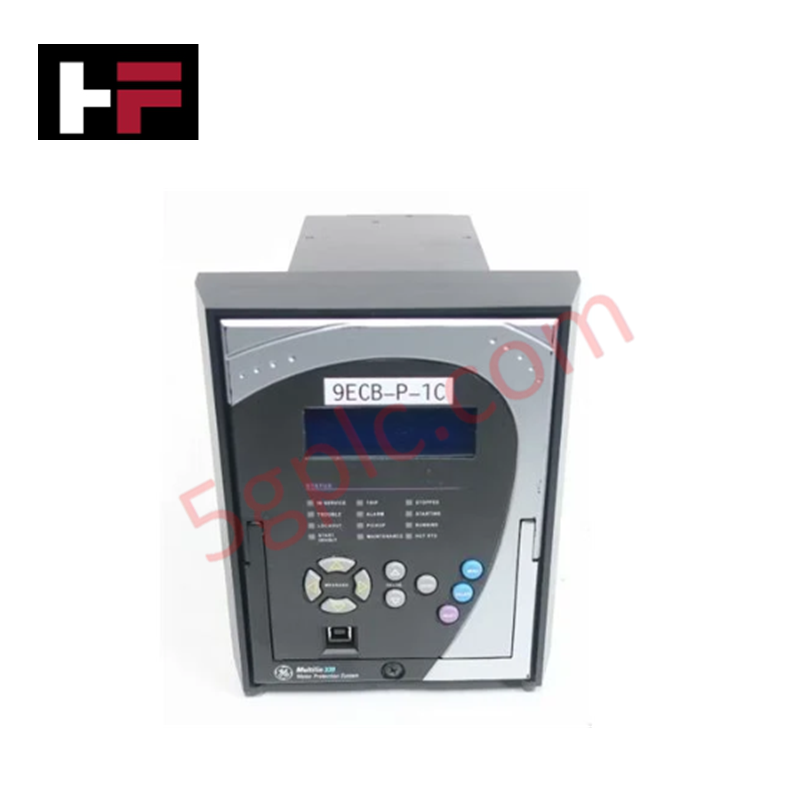
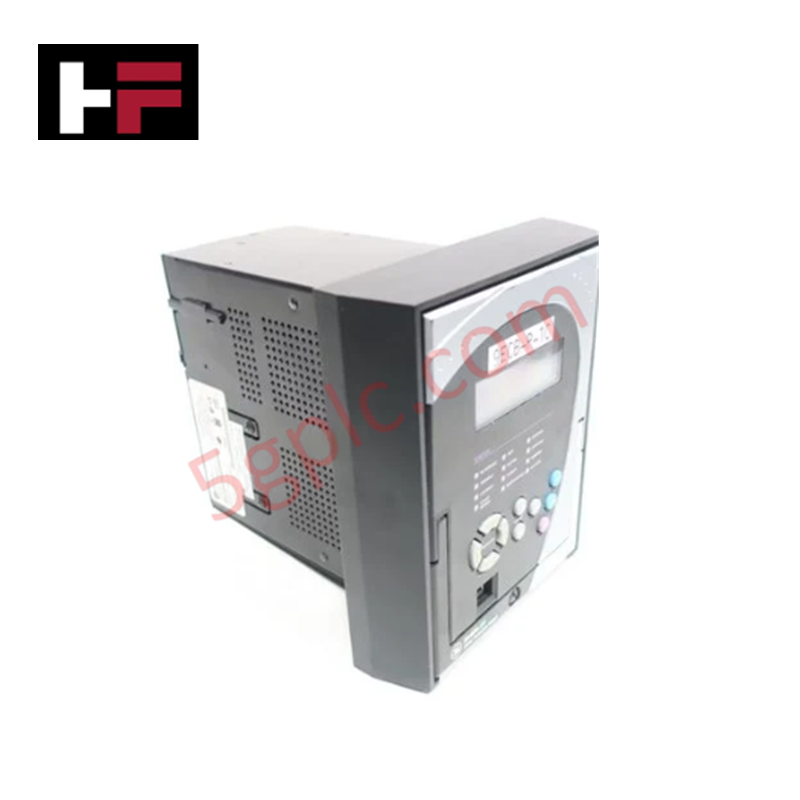
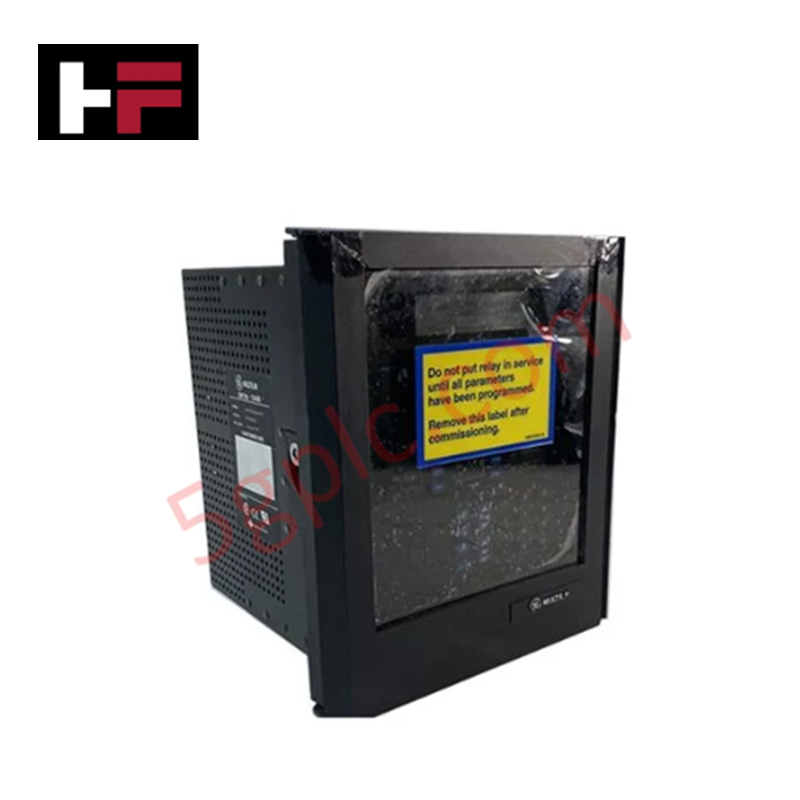
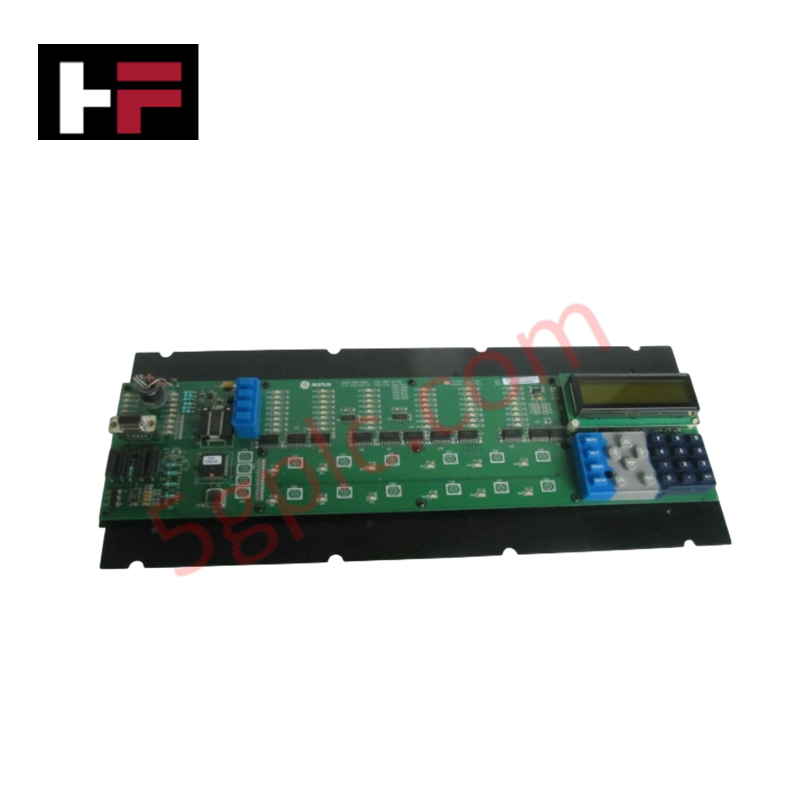
The GE Multilin PQMII-T20-C-A is an advanced microprocessor-based power monitoring device designed for high-accuracy energy management and power quality analysis. This unit provides continuous surveillance of three-phase systems, offering real-time data for industrial and commercial power distribution networks. It is particularly effective for identifying power system disturbances and optimizing electrical load distribution.
Technical Specifications
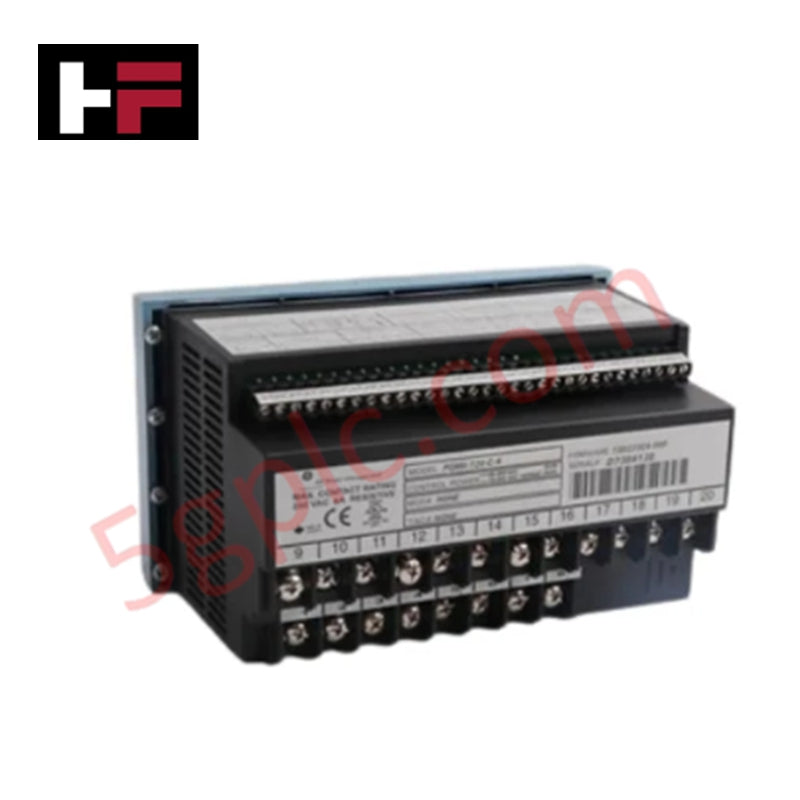
The PQMII-T20-C-A features a robust hardware configuration tailored for low-voltage control environments.
-
Model Number: PQMII-T20-C-A
-
Power Supply: 20–60 VDC or 20–48 VAC
-
Operating Frequency: 50/60 Hz
-
Power Consumption: 20VA
-
Analog Inputs: One (1) 4 to 20 mA DC input for transducer integration
-
Analog Outputs: Four (4) isolated 4 to 20 mA outputs (assignable to any parameter)
-
Digital I/O: Four (4) Form-C output relays and four (4) programmable switch inputs
-
Communication Ports: Two (2) rear RS485 ports and one (1) front RS232 port
-
Protocol: Modbus RTU
-
Weight: Approximately 1.36 kg (3.00 lbs)
Core Functionality and Application
This meter excels in monitoring total harmonic distortion (THD) and individual harmonics, which is essential for protecting sensitive electronic equipment from waveform deformation. Common deployment scenarios include:
-
Substation Automation: Monitoring feeder performance and loading.
-
Industrial Plants: Tracking energy consumption for cost allocation and demand control.
-
Critical Infrastructure: Ensuring power stability in data centers or healthcare facilities.
Frequently Asked Questions
What is the significance of the "T20" designation in this model?
The "T20" indicates the specific power supply range designed for low-voltage DC or AC control circuits, ensuring compatibility with battery-backed systems.
Does this unit support remote monitoring?
Yes, the dual rear RS485 ports allow for daisy-chaining multiple meters into a SCADA or Building Management System (BMS) using the Modbus RTU protocol.
Additional Information
- 100% Genuine Parts: All products are original and authentic, ensuring reliable industrial performance.
- 30-Day Refund Guarantee: Return any in-stock item within 30 days in original, unopened packaging for a full refund (excluding shipping and fees).
- 12-Month Warranty: Covers defects in materials or workmanship; excludes misuse, normal wear, or unauthorized modifications.
- Worldwide Shipping: We ship via USPS, UPS, FedEx, and DHL. Delivery times vary by country and may be subject to customs or import fees.
- Support & Contact: Technical and warranty assistance is available anytime. Contact us here: Contact.
- Purchase Guidance: Check product specifications and compatibility carefully before ordering to ensure proper application.



Tech & Buying Guide

Comprehensive Guide to Noise Types in Industrial Automation and Electronics

Mitigating Emergency Stop Spurious Trips in Industrial Control Systems
Emergency stop (E-Stop) pushbuttons serve as vital safety devices in factory automation and process control plants. Functional safety standards mandate normally-closed (NC) contact blocks to ensure fail-safe operation during wiring breaks or power outages. However, mechanical degradation over time can trigger unexpected spurious trips, halting production lines without an actual emergency. Understanding the underlying causes of mechanical contact failure allows automation engineers to implement robust, fault-tolerant safety circuits.

Redundant Automation Systems: Maximizing Uptime in Critical Control Applications
Industrial automation relies on continuous operational stability to prevent catastrophic downtime and financial loss. While standard dictionary definitions treat redundancy as superfluous, industrial engineers consider redundant control architectures indispensable for high-availability systems. Implementing backup hardware ensures seamless takeover during primary equipment failures, protecting critical infrastructure across manufacturing and process industries.