










Product Details
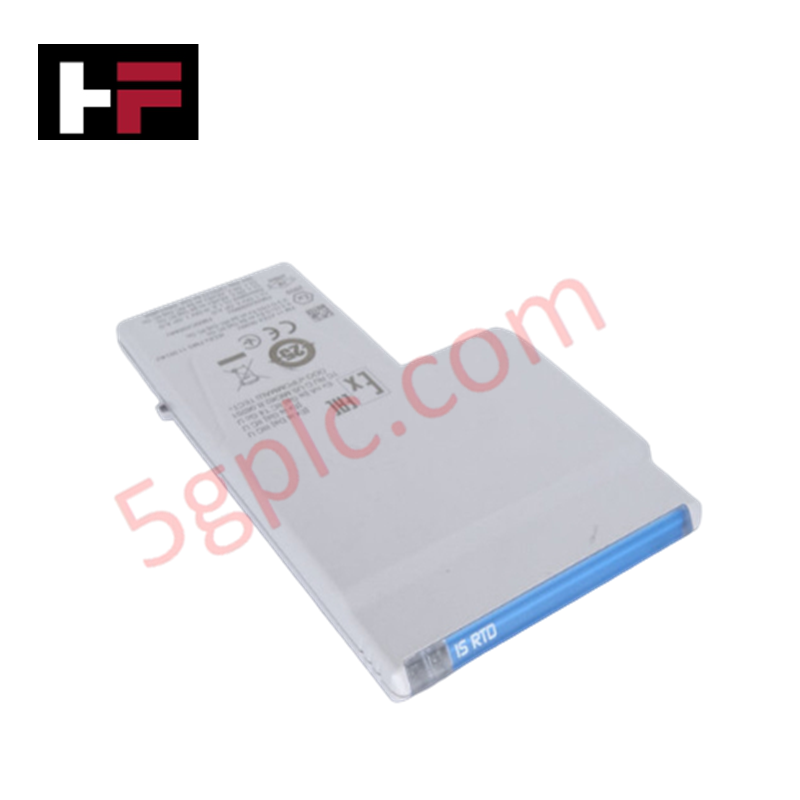
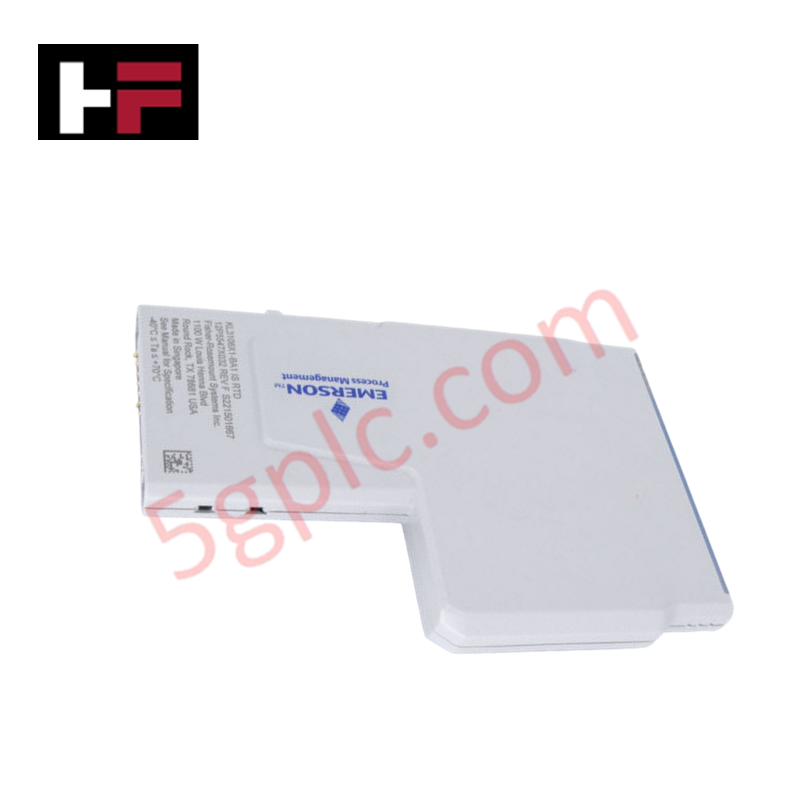
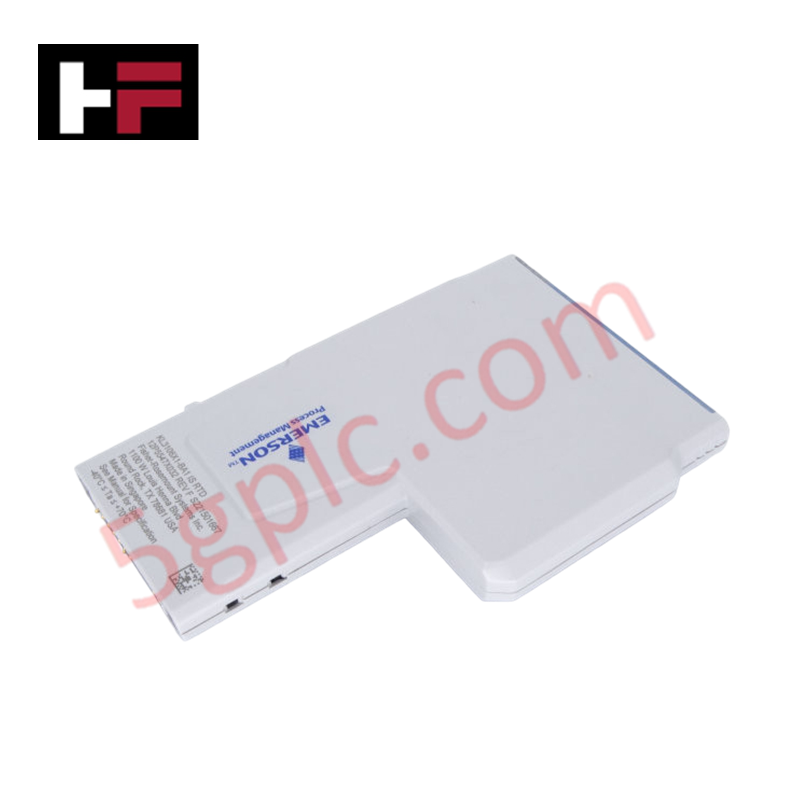
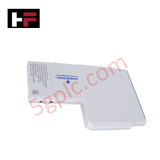
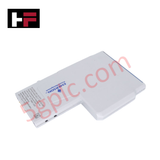
The Emerson KL3106X1-BA1, also cataloged as the KL3106X1-BA1 Intrinsically Safe RTD / Resistance input CHARM, operates as a dedicated hardware component for low-voltage resistance signal acquisition within DeltaV electronic marshalling subsystems. This unit interfaces directly with resistance temperature detectors (RTDs) and ohmic instruments located in hazardous environments, executing direct down-loop signal conditioning and digitizing physical temperatures into process data blocks over the system backplane network.
Hardware Specifications
| Parameter | Specification |
| Model | KL3106X1-BA1 |
| Brand | Emerson |
| Origin | U.S.A. |
| Weight | 0.08 kg |
| Dimensions | Standard CHARM module footprint slot width |
| Operating Temp | -40 deg C to +70 deg C |
| Power Consumption | +6.3 VDC at 0 mA (CHARM Bus), +24 VDC at 23 mA (Field Circuit) |
| Input Signal Types | RTD (Resistance Temperature Detector), Ohmic Resistance variables |
| Shock Resistance | 10g 1/2 sine wave for 11 ms |
| Vibration Resistance | 1 mm peak-to-peak from 2 to 13.2 Hz; 0.7g from 13.2 to 150 Hz |
| Airborne Contaminants | ISA-S71.04-1985 Class G3 compliance |
| Relative Humidity | 5% to 95% non-condensing |
| Terminal Block Key | Position E6 |
Channel-To-Channel Isolation and RTD Processing
Mechanical execution of this baseplate-mounted component relies on galvanic separation barriers to maintain thermal measurement reliability. The module architecture features high-precision analog-to-digital conversion parameters linked with active channel-to-channel isolation. This electrical boundary safeguards the sensitive measurement circuitry, ensuring that ground fault currents, common-mode noise, or localized voltage transients on an active field RTD wiring track cannot distort data values or introduce resistance offsets on neighboring signal channels.
Frequently Asked Questions
Q: Does this intrinsically safe RTD module support hot-swap replacement while the baseplate is powered?
A: Yes. The hardware configuration enables real-time hot-swap procedures without disrupting adjacent active terminal points. Internal current-limiting components suppress electrical backplane bus disturbances and diagnostic glitches during a live module exchange.
Q: What is the technical function of the E6 mechanical key position?
A: The E6 mechanical keying assignment physically prevents an incorrect or non-matching characterization module type from being inserted into a terminal slot wired for this resistance input configuration, preventing high-voltage loops from damaging the low-voltage sensor circuit.
Field Installation Guidelines
-
Baseplate Slot Insertion: Align the rear terminal guides of the CHARM module perpendicularly with the designated baseplate receptor. Press downward until the dual mechanical retention latches click completely into place to ensure uniform electrical tracking.
-
Intrinsically Safe Wiring Separation: All resistance sensor cables originating from hazardous areas must run through segregated blue wiring ducts. Maintain a minimum distance of 50 mm between intrinsically safe paths and standard non-intrinsically safe power infrastructure.
-
Shield Ground Maintenance: Terminate RTD extension wire shields exclusively at the carrier grounding bar assembly. Implementing a strict single-point grounding layout prevents common-mode noise generation across the sensitive resistance sensor tracks.
-
Environmental Control Parameters: For installation sites containing Class G3 airborne contaminants, the marshalling enclosure must maintain a continuous positive-pressure air flow and keep relative humidity below the 95% non-condensing limit to protect active terminal contacts from chemical degradation.
Additional Information
- 100% Genuine Parts: All products are original and authentic, ensuring reliable industrial performance.
- 30-Day Refund Guarantee: Return any in-stock item within 30 days in original, unopened packaging for a full refund (excluding shipping and fees).
- 12-Month Warranty: Covers defects in materials or workmanship; excludes misuse, normal wear, or unauthorized modifications.
- Worldwide Shipping: We ship via USPS, UPS, FedEx, and DHL. Delivery times vary by country and may be subject to customs or import fees.
- Support & Contact: Technical and warranty assistance is available anytime. Contact us here: Contact.
- Purchase Guidance: Check product specifications and compatibility carefully before ordering to ensure proper application.
Tech & Buying Guide

Essential Motion Control Commands: A Practical Guide for Engineers
Automation engineers often rely on precise position and speed control to drive modern factory machinery. Modern industrial systems, such as Programmable Logic Controllers (PLCs) and Distributed Control Systems (DCS), depend heavily on standardized motion instructions. Mastering these commands ensures operational safety, protects mechanical components, and optimizes cycle times across production lines.

The Role of Intrinsic Safety Barriers in PLC and DCS Architectures
Implementing robust protection in hazardous industrial environments represents a fundamental safety requirement in factory automation. Process facilities often handle volatile gases, dusts, and chemical agents that pose significant combustion risks. Consequently, control system engineers must deploy energy-limiting interfaces to isolate safe-area control cabinets from hazardous-area field instrumentation. This article examines the function, selection, and electrical principles of intrinsic safety barriers within modern PLC and DCS networks.

Architectural Selection and Scale Classification of PLC Systems in Industrial Automation
Selecting the correct control platform represents a foundational engineering decision in factory automation. System designers must carefully balance technical parameters against long-term operational requirements when implementing a Programmable Logic Controller (PLC). This article examines the critical evaluation metrics, physical scale classifications, and operational architectures of modern control systems.