










Product Details
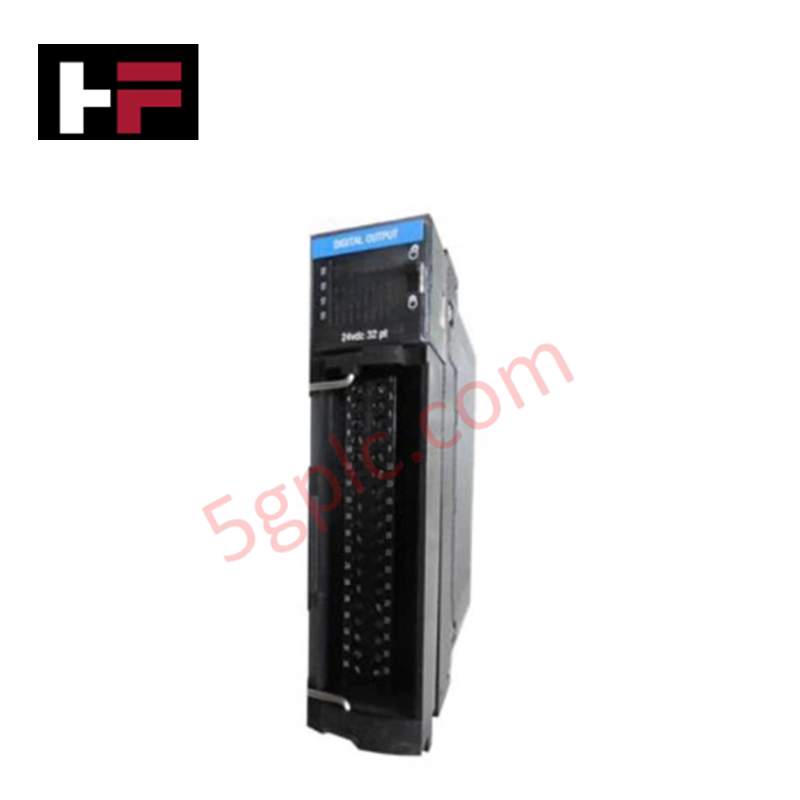
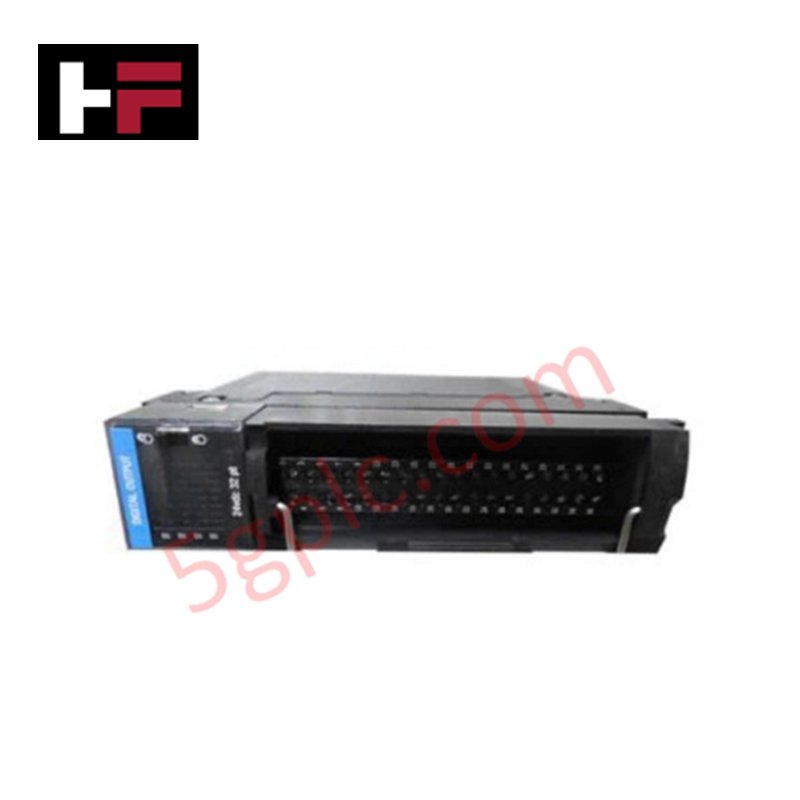
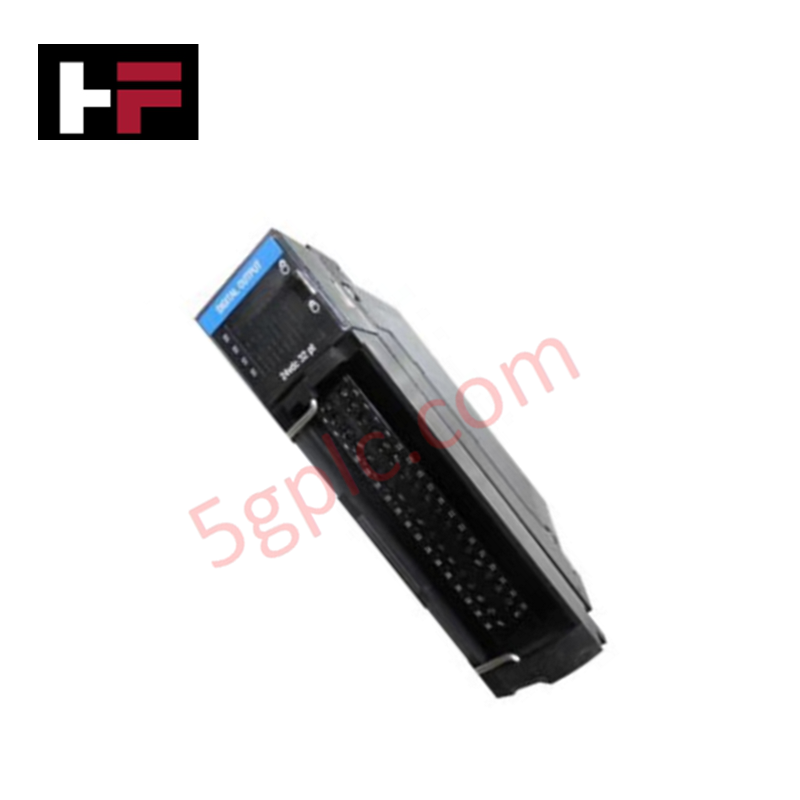
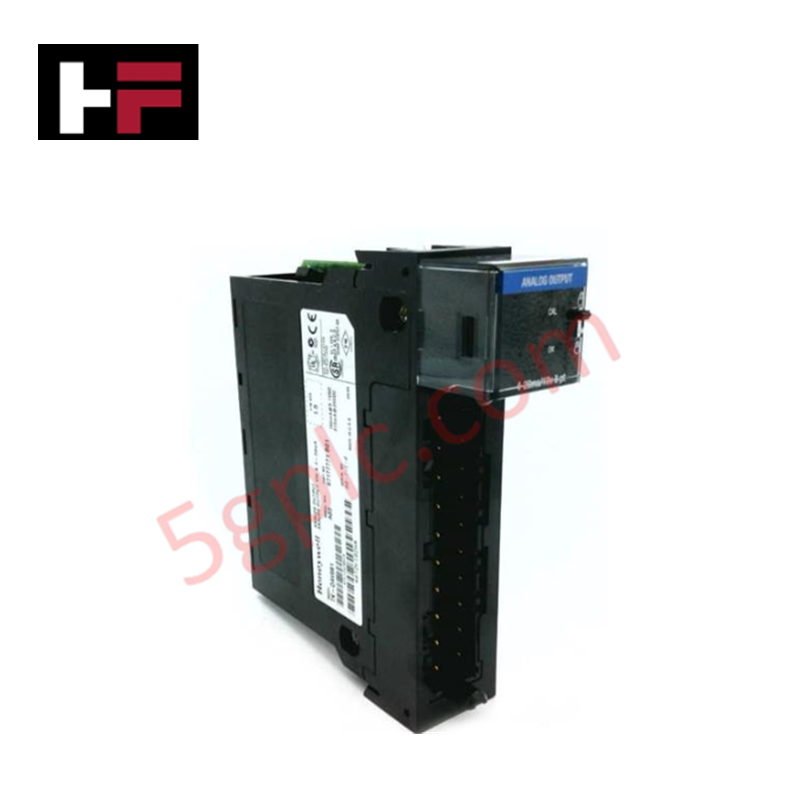
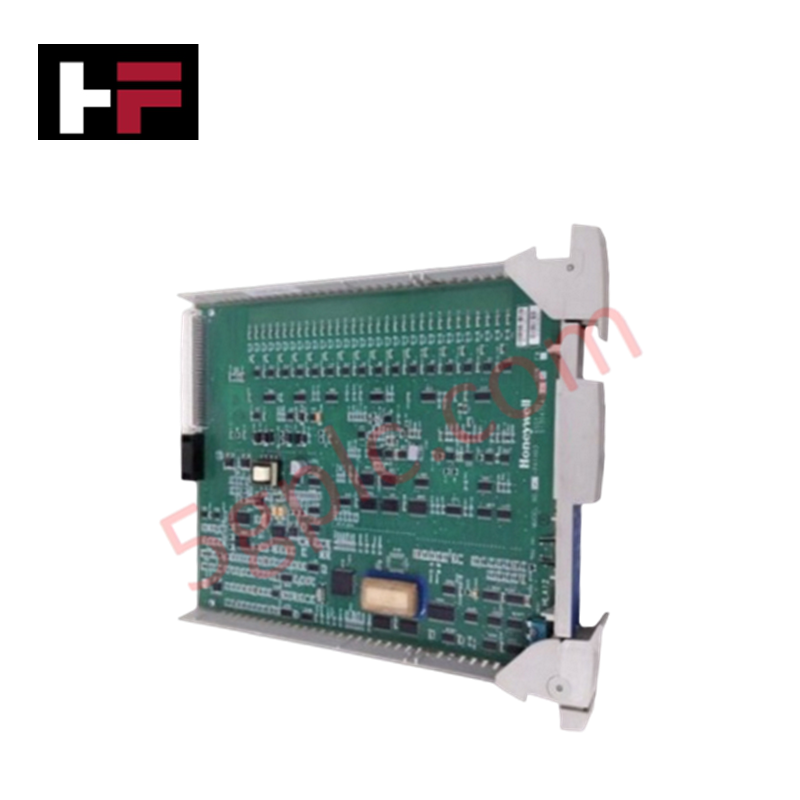
Configured for discrete 24 VDC load switching in Experion Process Knowledge System (PKS) controllers, the Honeywell TK-ODD321 (TK-ODD321 Discrete Output Module) provides direct physical/electrical execution.
Hardware Specifications
| Parameter | Specification |
|---|---|
| Model | TK-ODD321 |
| Brand | Honeywell |
| Origin | USA |
| Weight | 2 kg |
| Operating Temp | 0 to 60 deg C |
| Power Consumption | 6.1 W power dissipation |
| Output Capacity | 32 points (16 points per common group) |
| Output Voltage Range | 10 to 31.2 VDC @ 50 deg C (linear derating to 28 VDC @ 60 deg C) |
| Max Current Per Point | 0.5 A @ 50 deg C / 0.35 A @ 60 deg C |
| Max Current Per Module | 16 A @ 50 deg C / 10 A @ 60 deg C |
| Isolation Voltage | 2546 VDC for 1 s (Group-to-group and User-to-system) |
| Terminal Block | 36-position TC-TBCH block |
Channel-to-Channel Isolation & Output Field Loops
The module utilizes optical channel-to-channel isolation barriers between system electronics and field circuits to prevent high-voltage transients from propagating to the backplane. Each output channel provides configurable fault states (Hold Last State, ON, or OFF) and software-definable states during controller Program Mode. Internal circuitry does not include onboard fuses or reverse polarity protection; application designs require external fused Isolated Field Modules (IFM) and verified wiring polarity to prevent output driver degradation during reverse voltage conditions.
Frequently Asked Questions
Q: Does the module contain internal fusing for channel overcurrent protection?
A: No, the module is not internally fused. External fused terminal blocks or fused IFM units must be installed in series with the field wiring to protect individual output channels against short circuits.
Q: What happens to the outputs if the module loses control communication or enters Program Mode?
A: Each point can be independently configured in software to Hold Last State, transition to ON, or transition to OFF (OFF is default) during communication fault or controller Program Mode states.
Q: Is hot-swapping permitted for this I/O module under field power?
A: Module replacement requires removing power from the associated field wiring assembly or taking appropriate site safety measures, as reverse polarity during live insertion can cause permanent damage to output drivers.
Field Installation Guidelines
- Mount the module onto the dedicated C300 or Series 8 I/O carrier rack within an IP54 or NEMA 12 rated enclosure.
- Connect field wiring using the 36-position TC-TBCH terminal block assembly, torqueing terminal screws to standard manufacturer torque specs.
- Verify external 24 VDC power supply polarity before energizing field loops, as incorrect polarity damages non-isolated driver output transistors.
- Install inline fast-acting fuses rated for individual load limits (maximum 0.5 A per channel at 50 deg C) on each active output line.
- Ground all cable shields at a single point on the enclosure cabinet ground bus bar to minimize common-mode noise interference.
Additional Information
- 100% Genuine Parts: All products are original and authentic, ensuring reliable industrial performance.
- 30-Day Refund Guarantee: Return any in-stock item within 30 days in original, unopened packaging for a full refund (excluding shipping and fees).
- 12-Month Warranty: Covers defects in materials or workmanship; excludes misuse, normal wear, or unauthorized modifications.
- Worldwide Shipping: We ship via USPS, UPS, FedEx, and DHL. Delivery times vary by country and may be subject to customs or import fees.
- Support & Contact: Technical and warranty assistance is available anytime. Contact us here: Contact.
- Purchase Guidance: Check product specifications and compatibility carefully before ordering to ensure proper application.



Tech & Buying Guide

Wellhead Control Panel (WHCP) Architecture in Oil and Gas Automation
Upstream oil and gas operations rely on specialized field control platforms to manage wellhead extraction safety and hydraulic actuation. A Wellhead Control Panel (WHCP) serves as a dedicated hydraulic and pneumatic power unit designed to operate critical Christmas Tree isolation valves. By interfacing field safety components directly with Programmable Logic Controller (PLC) architecture, a WHCP protects upstream extraction assets against overpressure, catastrophic leaks, and thermal emergencies.

Understanding Marshalling Cabinets in Industrial Control Systems Architecture
Industrial control system deployments rely on structured signal distribution to bridge field instrumentation with central processing hardware. A marshalling cabinet serves as the vital intermediate connection point between heavy field home-run multi-pair cables and delicate input/output (I/O) modules housed inside Programmable Logic Controller (PLC) or Distributed Control System (DCS) enclosures. By segregating field cable terminations from control hardware, engineers maintain system flexibility, safeguard controller components, and streamline commissioning workflows.

FAT vs SAT in Industrial Control Systems: Key Differences and Execution Guide
Industrial control system deployment relies on strict verification protocols to guarantee operational safety, system stability, and regulatory compliance. Commissioning complex Programmable Logic Controller (PLC) racks, Distributed Control Systems (DCS), and Safety Instrumented Systems (SIS) requires two critical milestones: the Factory Acceptance Test (FAT) and the Site Acceptance Test (SAT). Both procedures validate that system automation meets design specifications, but they occur at different stages of project execution and target distinct operational risks.