












Product Details
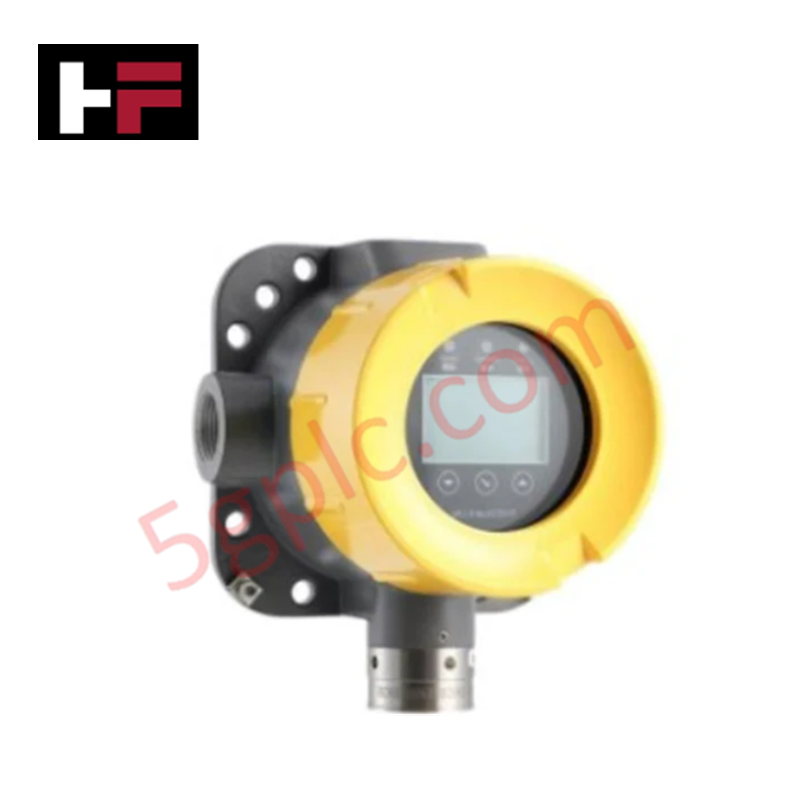
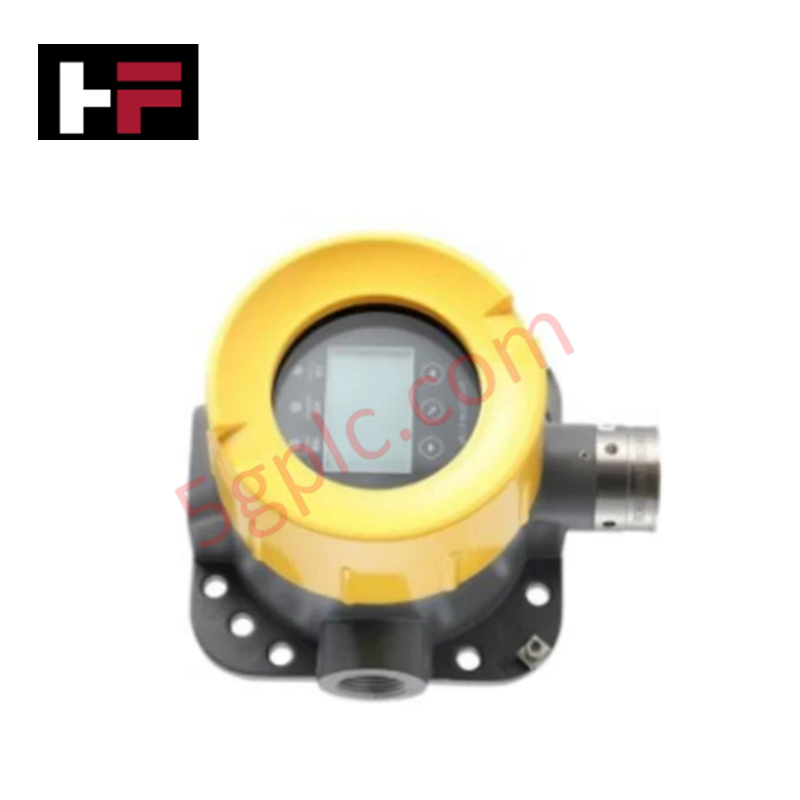
The Honeywell FGM-6300S, also cataloged as the FGM-6300S Fixed Gas Detector, operates as a dedicated hardware component for continuous ambient gas concentration measurement within hazardous location monitoring networks.
Hardware Specifications
| Parameter | Specification |
|---|---|
| Model | FGM-6300S |
| Brand | Honeywell |
| Origin | USA |
| Weight | 0.6 kg to 1.0 kg (600 g to 1000 g) |
| Operating Temp | -20 to +50 deg C (Standard industrial transmitter rating) |
| Power Consumption | 24 VDC nominal field loop powered |
| Sensor Type | Electrochemical or Catalytic Bead (gas-dependent) |
| Detectable Gases | Flammable and toxic gases (e.g., CH4, CO, H2S) |
| Measurement Range | Gas-dependent (ppm to % vol) |
4-20 mA HART Loop Protocol and Channel-to-Channel Isolation
The FGM-6300S field transmitter integrates sensing elements with onboard signal conditioning electronics to deliver continuous analog telemetry over a standard 4-20 mA HART loop protocol interface. Electro-chemical and catalytic bead sensing circuits perform real-time baseline drift correction to maintain signal integrity during continuous exposure to ambient atmospheric changes.
To preserve measurement accuracy across distributed DCS input racks, the transmitter output circuitry incorporates channel-to-channel isolation parameters that block ground loop noise and common-mode transient interference. This isolation boundary ensures stable loop current modulation when interfacing with multi-channel analog input modules in industrial process control enclosures.
Frequently Asked Questions
Q: What sensing technologies are utilized by the FGM-6300S for gas detection?
A: The device utilizes catalytic bead sensors for combustible gas measurement and electrochemical cells for toxic gas monitoring depending on the target gas configuration.
Q: How is telemetry transmitted from the FGM-6300S to the central DCS or controller?
A: Analog gas concentration data is transmitted using a standard industrial 4-20 mA current loop interface with HART protocol capability.
Q: What precautions should be taken regarding sensor cell maintenance in field environments?
A: Zero-point calibration and span gas adjustments must be performed periodically on isolated transmitter channels without interrupting adjacent loop power feeds.
Field Installation Guidelines
- Mount the transmitter enclosure securely using rigid wall or pipe-mounting brackets oriented vertically to prevent water accumulation on the sensor element.
- Ensure all conduit entries utilize approved explosion-proof seals and NPT thread engagement rules to maintain hazardous area enclosure integrity.
- Connect shielded twisted-pair cabling to the internal terminal strip, connecting the cable shield to chassis ground at one end only to eliminate ground loops.
- Perform zero baseline calibration following initial physical mounting and thermal stabilization period.
Additional Information
- 100% Genuine Parts: All products are original and authentic, ensuring reliable industrial performance.
- 30-Day Refund Guarantee: Return any in-stock item within 30 days in original, unopened packaging for a full refund (excluding shipping and fees).
- 12-Month Warranty: Covers defects in materials or workmanship; excludes misuse, normal wear, or unauthorized modifications.
- Worldwide Shipping: We ship via USPS, UPS, FedEx, and DHL. Delivery times vary by country and may be subject to customs or import fees.
- Support & Contact: Technical and warranty assistance is available anytime. Contact us here: Contact.
- Purchase Guidance: Check product specifications and compatibility carefully before ordering to ensure proper application.





Tech & Buying Guide

Navigating Industrial Automation Failures: Types, Causes, and Mitigation Strategies
Modern manufacturing relies heavily on automated control systems to maximize throughput and maintain product quality. However, unplanned downtime in industrial automation can cost facility operators thousands of dollars per hour. Understanding how programmable logic controllers (PLCs), distributed control systems (DCS), and field instrumentation fail empowers engineering teams to implement robust preventive maintenance strategies.

Essential Motion Control Commands: A Practical Guide for Engineers
Automation engineers often rely on precise position and speed control to drive modern factory machinery. Modern industrial systems, such as Programmable Logic Controllers (PLCs) and Distributed Control Systems (DCS), depend heavily on standardized motion instructions. Mastering these commands ensures operational safety, protects mechanical components, and optimizes cycle times across production lines.

The Role of Intrinsic Safety Barriers in PLC and DCS Architectures
Implementing robust protection in hazardous industrial environments represents a fundamental safety requirement in factory automation. Process facilities often handle volatile gases, dusts, and chemical agents that pose significant combustion risks. Consequently, control system engineers must deploy energy-limiting interfaces to isolate safe-area control cabinets from hazardous-area field instrumentation. This article examines the function, selection, and electrical principles of intrinsic safety barriers within modern PLC and DCS networks.