












Product Details
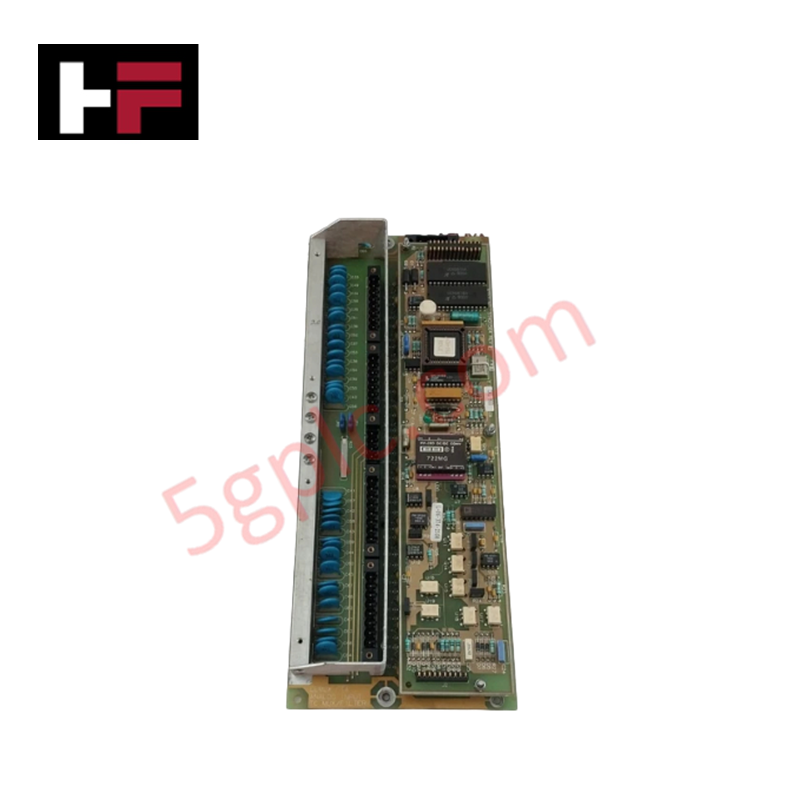
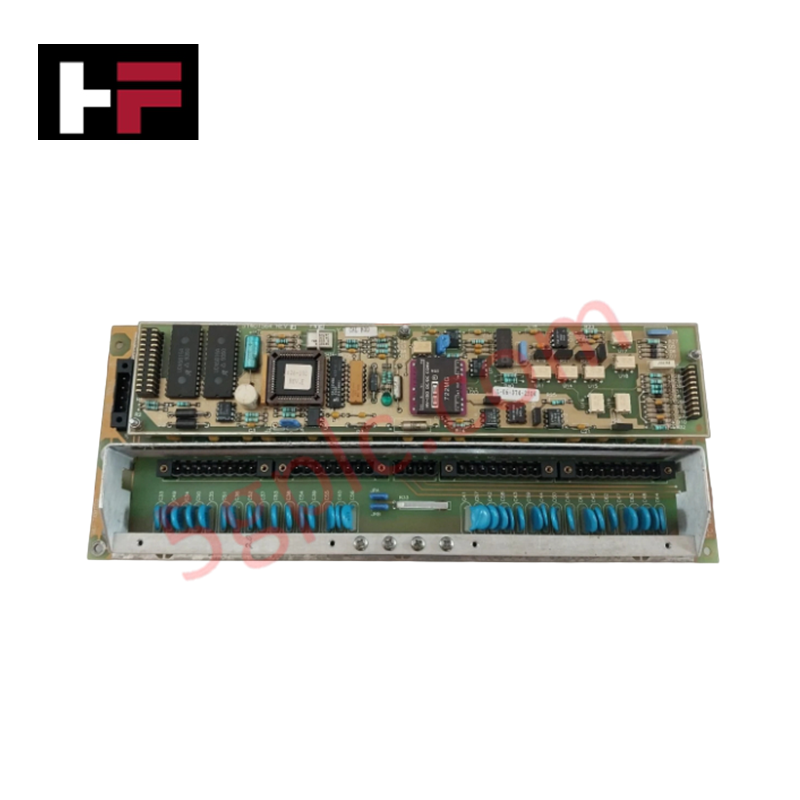
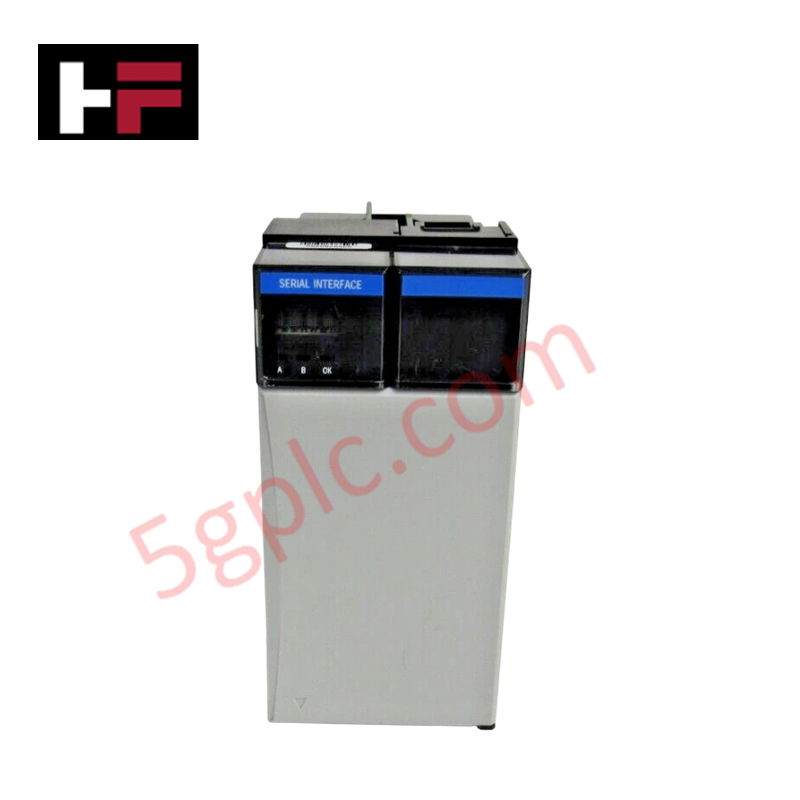
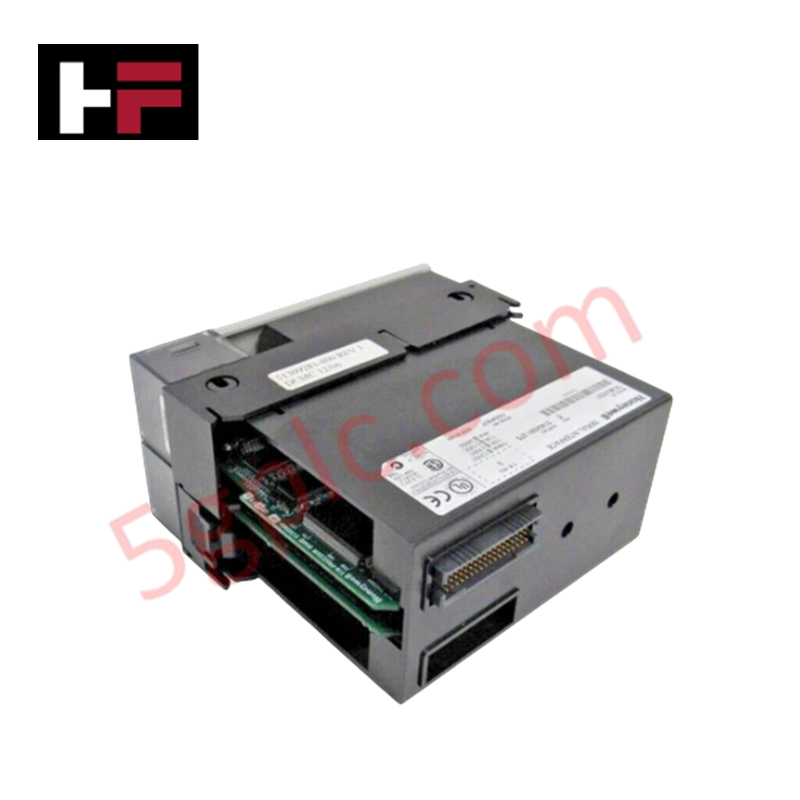
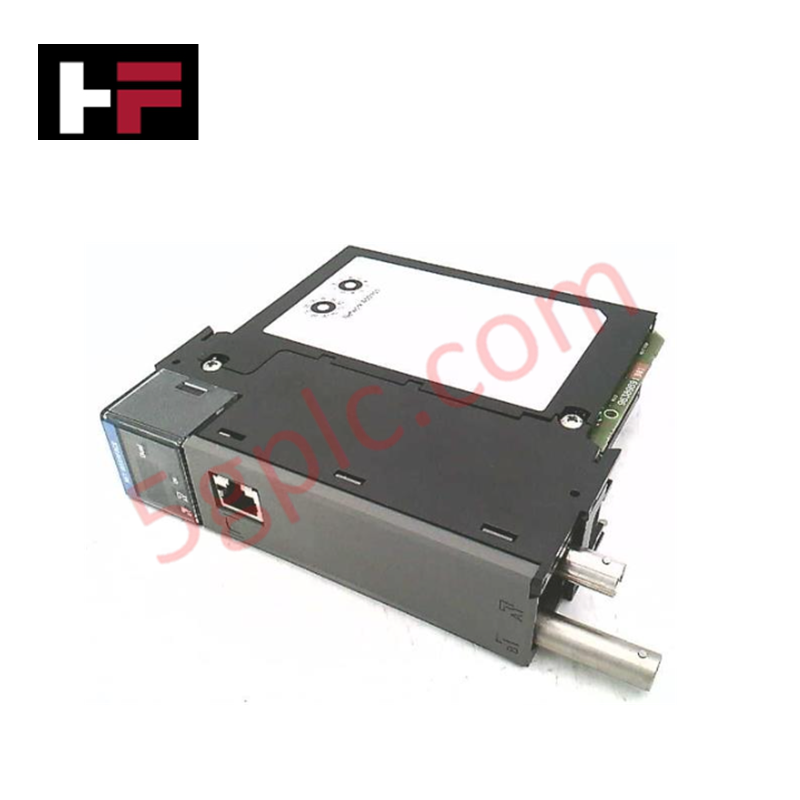
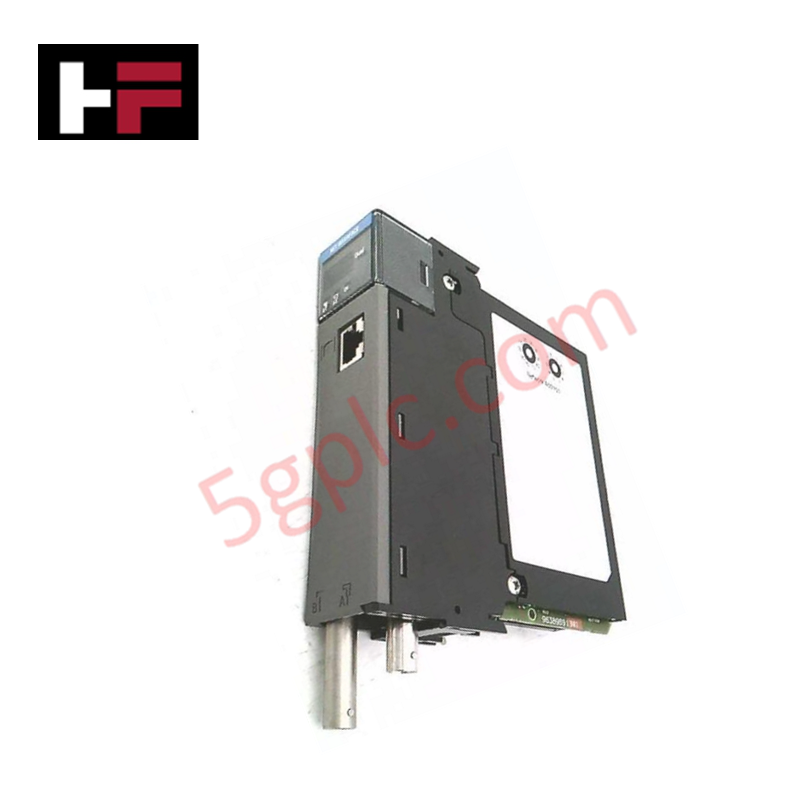
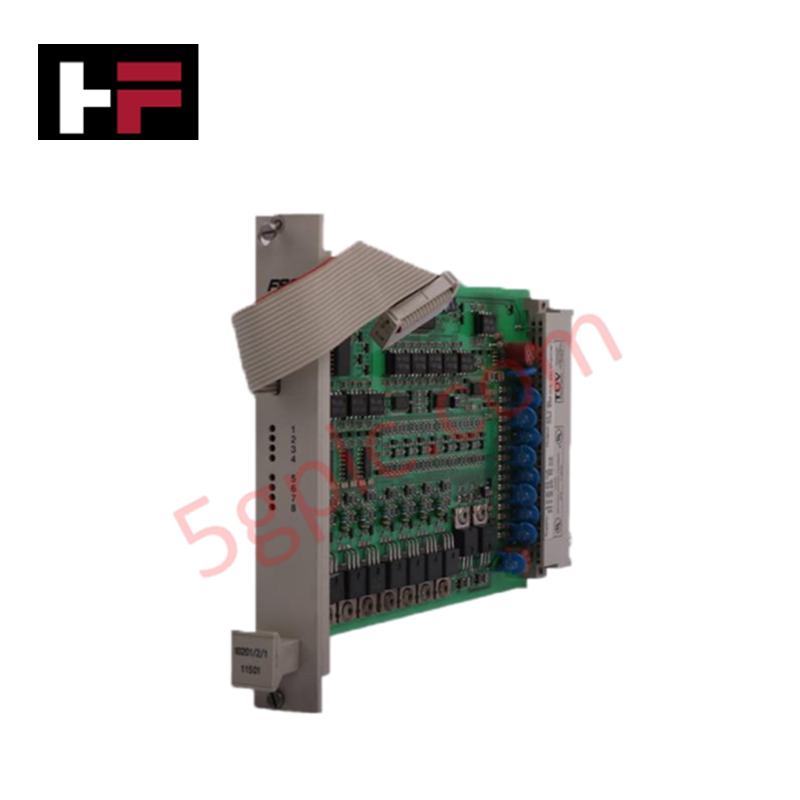
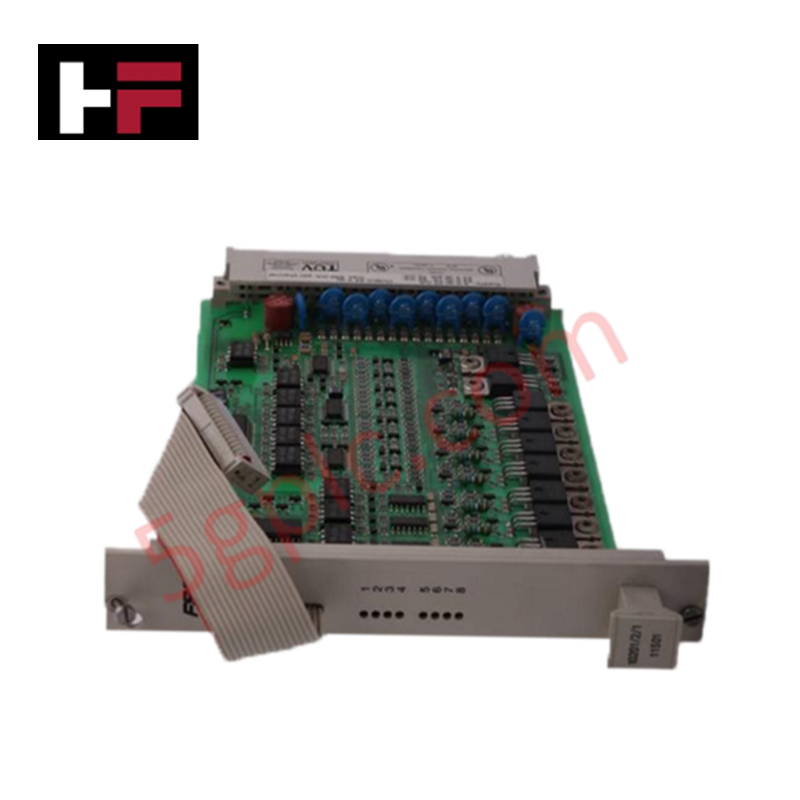
The Honeywell 51401491-100, also cataloged as the MU-TAMT02 Low Level Analog Input Multiplexer Module, operates as a dedicated hardware component for low-level analog input multiplexing and signal filtering within Honeywell TDC 3000 and Process Manager (PM/APM/HPM) I/O subsystems.
Hardware Specifications
| Parameter | Specification |
|---|---|
| Model | 51401491-100 (MU-TAMT02) |
| Brand | Honeywell |
| Origin | USA |
| Weight | 1.15 kg |
| Dimensions | Standard Size B Board Form Factor |
| Operating Temp | 0 to 60 deg C |
| Power Consumption | Standard Backplane Bus Supply |
| Channel Count | 16 Input Channels |
| Module Type | Low Level Analog Input Multiplexer / Filter (TC Mux) |
| Compatibility | TC-FTA / MU-TAM02 Subsystem Interfaces |
| Mounting | Panel Mount / Sub-Panel Assembly |
Cold Junction Compensation & Channel Isolation
Engineered for accurate low-level temperature measurement processing, the unit handles thermocouple (TC) signal routing with channel-to-channel signal conditioning and filtering. The board interfaces directly with Field Termination Assemblies (TC-FTA) to maintain precise cold junction compensation (CJC) across all 16 channels. The filtering circuitry suppresses common-mode noise and power line interference, preserving signal integrity before routing the multiplexed analog voltages to the primary I/O processor over the dedicated I/O backplane.
Frequently Asked Questions
Q: Does the 51401491-100 MU-TAMT02 module support hot-swapping during active subsystem operation?
A: Field removal and insertion should be performed only when the card file chassis power is isolated or following specific Honeywell PM/APM maintenance procedures to avoid transient signal glitches on adjacent input channels.
Q: How are thermocouple cold junction compensation signals handled through this board?
A: Cold junction compensation reference signals are sourced at the connected Field Termination Assembly (TC-FTA) and routed through the 51401491-100 multiplexer channel matrix, ensuring calibrated mV-to-temperature processing at the controller level.
Q: What mounting configuration does this circuit board assembly require?
A: The module utilizes a Size B panel mount card design, securing directly into the corresponding Honeywell I/O card file chassis using standard card guides and retention screws.
Field Installation Guidelines
- Verify chassis power is de-energized or set to maintenance bypass prior to installing the board into the Size B slot.
- Align the board edges with the panel chassis card guides, pushing firmly until the rear edge connectors seat completely into the backplane assembly.
- Secure all retention screws on the front mounting faceplate to ensure proper frame grounding.
- Connect the multi-conductor cable from the TC-FTA termination block to the corresponding front/rear interface header, verifying connector locking latches are fully engaged.
- Ensure shield drain wires from field thermocouple cables are grounded strictly at the FTA terminal strip to eliminate ground loop voltage offsets.
Additional Information
- 100% Genuine Parts: All products are original and authentic, ensuring reliable industrial performance.
- 30-Day Refund Guarantee: Return any in-stock item within 30 days in original, unopened packaging for a full refund (excluding shipping and fees).
- 12-Month Warranty: Covers defects in materials or workmanship; excludes misuse, normal wear, or unauthorized modifications.
- Worldwide Shipping: We ship via USPS, UPS, FedEx, and DHL. Delivery times vary by country and may be subject to customs or import fees.
- Support & Contact: Technical and warranty assistance is available anytime. Contact us here: Contact.
- Purchase Guidance: Check product specifications and compatibility carefully before ordering to ensure proper application.


Tech & Buying Guide

Optimizing Tank Level Control Using Proportional Algorithms in PLC Systems
Industrial automation engineers frequently encounter liquid level regulation challenges across diverse process plants. Traditional ON-OFF control mechanisms often disrupt system stability due to abrupt actuator switching. Therefore, upgrading to closed-loop architectures like proportional control yields smoother responses. In a typical PLC environment, such as Siemens TIA Portal, engineers utilize closed-loop feedback to minimize process errors without requiring full PID complexity.

Understanding Why Your PLC Enters Stop Mode: Causes and Troubleshooting
In industrial automation, programmable logic controllers (PLCs) serve as the core intelligence of modern factory automation and distributed control systems (DCS). Understanding how a PLC transitions between modes is vital for maintenance engineers. Typically, a PLC operates across four primary modes: Run, Stop, Start-Up, and Hold. When power is applied, the system immediately boots into Stop mode before initiating the Start-Up sequence. If the controller encounters a critical error during execution, it automatically reverts to Stop mode to prevent equipment damage. Therefore, monitoring these state transitions helps technicians maintain high system availability.

Comprehensive Guide to Servo Motor Drive Control Techniques in Industrial Automation
Precision motion control systems drive high-throughput manufacturing across modern industrial automation environments. Unlike standard induction motors running on basic variable frequency drives, servo motor systems deliver sub-millimeter positioning accuracy and fast dynamic response.