










Product Details
Product Overview
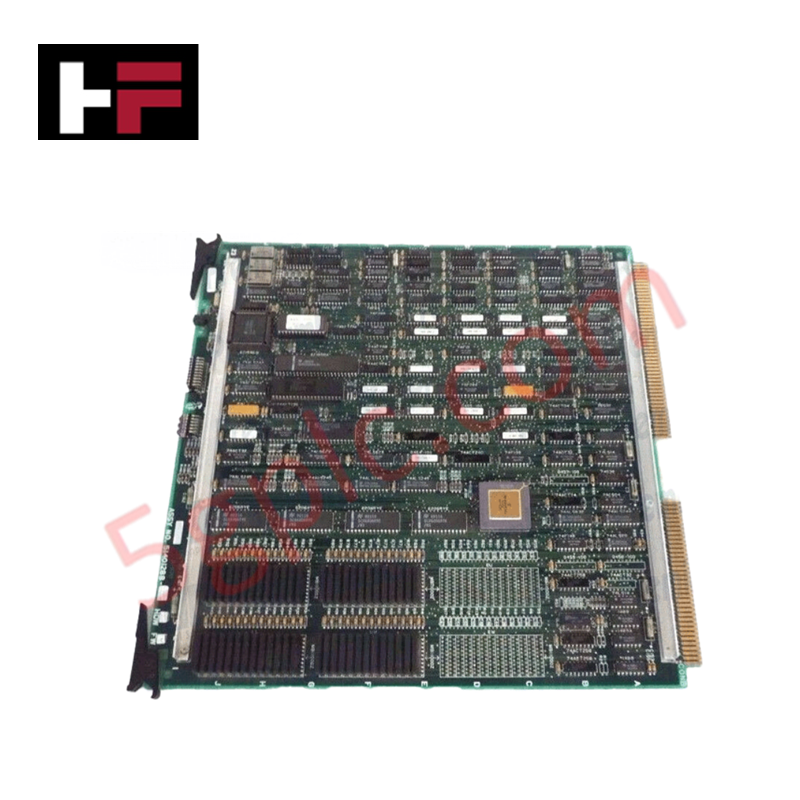
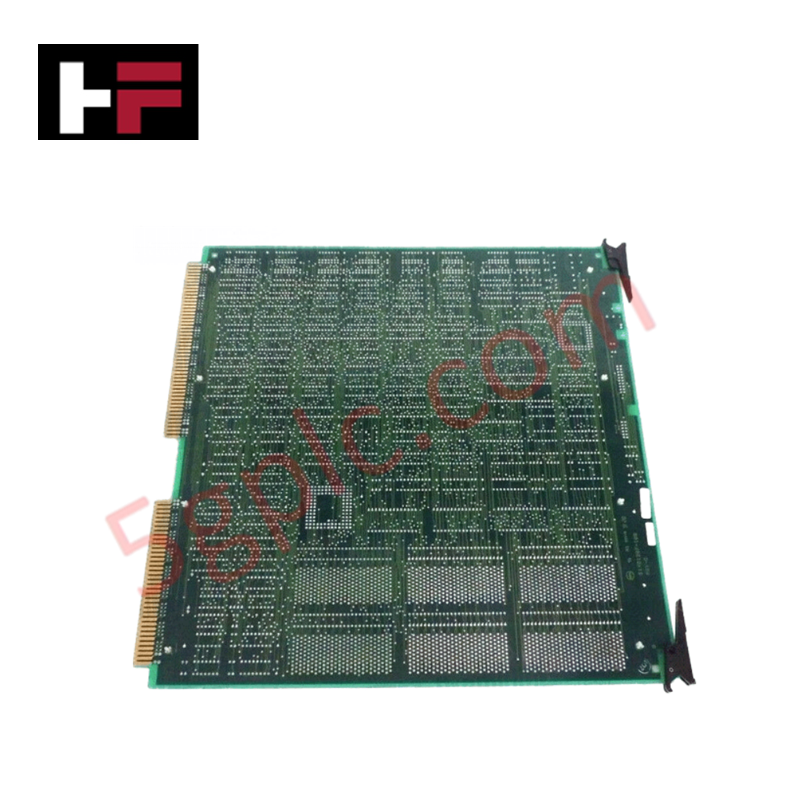
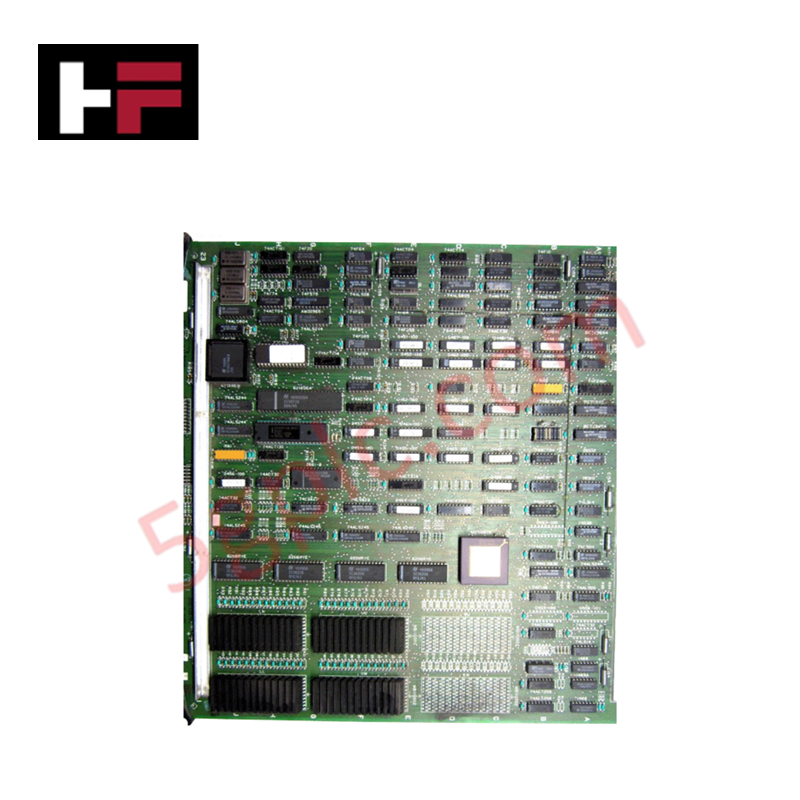
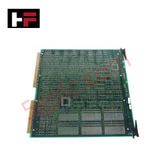
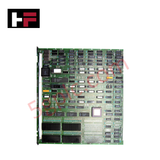
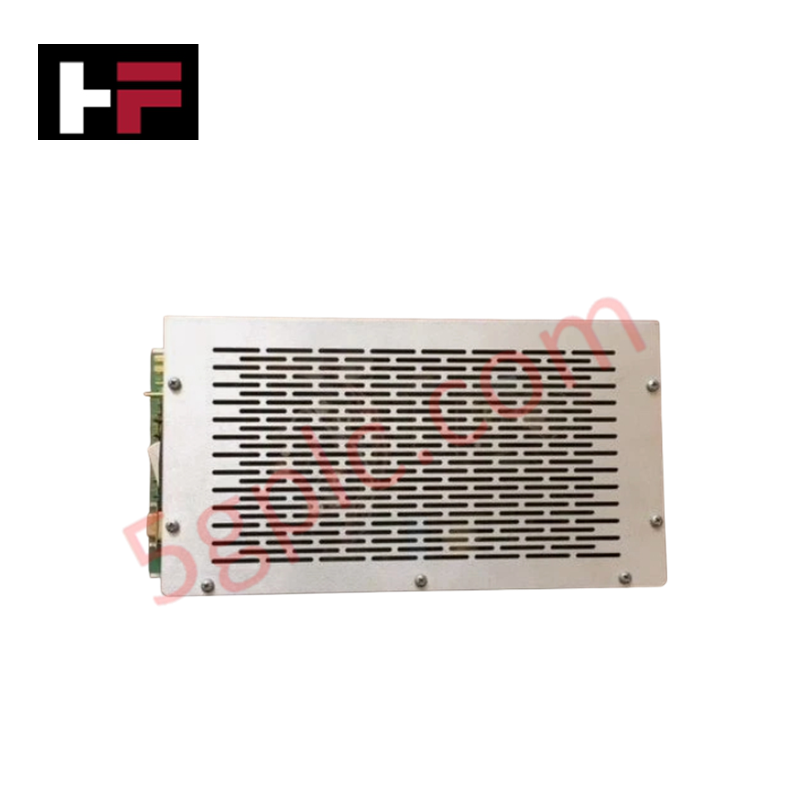
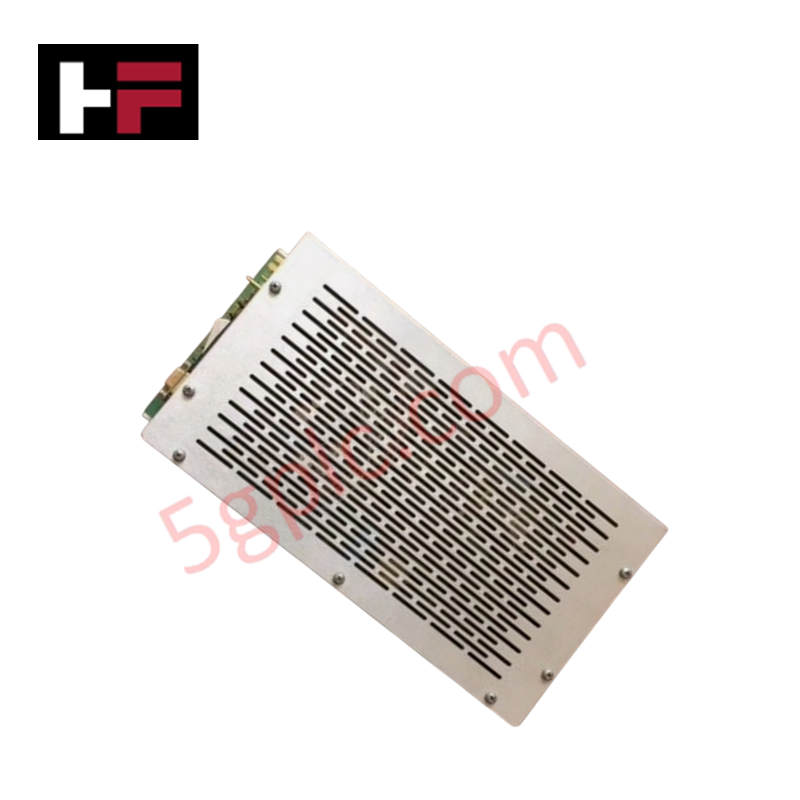
The Honeywell 51401288-100 functions as a high-precision, intrinsically safe temperature transmitter board designed for Honeywell Distributed Control System (DCS) architectures. This hardware card interfaces directly with raw thermal sensors located in hazardous process zones, providing localized digitization, signal linearization, and protocol encoding. We supply this mission-critical field network module exclusively in 100% brand new, original factory-sealed condition to eliminate measurement drift, protect explosive field environments from electrical energy faults, and ensure precise thermal profile tracking.
Technical Specifications
| Parameter | Specification |
| Manufacturer | Honeywell |
| Model/Part Number | 51401288-100 |
| Primary Classification | Data Control System / DCS Module Board Rack Component |
| Input Configurations | RTD (Pt100, Pt1000) / Thermocouple (Types J, K, E, T) |
| Output Interfacing | 4-20mA HART 7 (2-wire loop) / 0-10V DC (3-wire topology) |
| Sensor Measurement Range | -200°C to +850°C |
| Intrinsic Safety Ratings | [Ex ia] IIC T6 Ga / Class I, II, III Division 1 |
| Ambient Temperature Limit | -40°C to +85°C |
| Enclosure Protection Level | IP66 certified / NEMA 4X compliant |
| Physical Weight | 3.20 lbs (1.45 kg) |
Engineering Advantages
-
Isolates Fault Energy in Hazardous Zones: Built-in energy-limiting Zener barriers and galvanic isolation circuits restrict current and voltage levels flowing to the field side. This architecture secures full [Ex ia] IIC T6 Ga and Class I, II, III Div 1 ratings, preventing explosive gas or dust ignition without requiring heavy explosion-proof piping layouts.
-
Decodes Real-Time Asset Analytics: The module runs the advanced HART 7 communication protocol over standard 2-wire 4-20mA current loops. This allows the host controller to read secondary device temperatures, sensor wire failure faults, and calibration timestamp matrices simultaneously.
-
Withstands Heavy Washdowns and Corrosive Air: The robust IP66 (NEMA 4X) rated housing configuration seals the internal processing circuitry completely against high-pressure water jets, fine salt spray, and abrasive coal dust layers common in seaside refineries and processing plants.
-
Eliminates Sensor Signal Conversion Drift: The dual-sensor input front-end measures a massive thermal sweep from -200°C up to +850°C. High-bit digitization circuitry stabilizes raw microvolt and ohm inputs, filtering out high-frequency electromagnetic interference (EMI) radiating from close-proximity heating elements or heavy induction motors.
FAQs
-
Can this single 51401288-100 hardware module accept both RTD and Thermocouple wires simultaneously?
The internal processing firmware accommodates multiple sensor curves, including Pt100, Pt1000, and standard J, K, E, and T type thermocouples. You must map individual channel input settings via your Experion system software or a field communicator tool to match your specific field sensor installation.
-
Is this temperature module a refurbished surplus card or an actual factory-fresh unit?
We guarantee this product is 100% brand new, factory-original, and completely unused stock. It arrives in its native manufacturer anti-static protective wrapping with all original tracking barcodes, quality seals, and factory serialization labels fully intact.
-
What installation guidelines protect the module's intrinsic safety integrity?
Field technicians must strictly separate intrinsically safe field wiring paths from non-intrinsically safe power and backplane lines inside the cabinet. Run all sensor lines through dedicated blue conduit tracks, ground the internal chassis shield screw directly to your plant's instrument earth bus, and isolate power before mounting the 3.20 lbs card into the chassis slot.
Additional Information
- 100% Genuine Parts: All products are original and authentic, ensuring reliable industrial performance.
- 30-Day Refund Guarantee: Return any in-stock item within 30 days in original, unopened packaging for a full refund (excluding shipping and fees).
- 12-Month Warranty: Covers defects in materials or workmanship; excludes misuse, normal wear, or unauthorized modifications.
- Worldwide Shipping: We ship via USPS, UPS, FedEx, and DHL. Delivery times vary by country and may be subject to customs or import fees.
- Support & Contact: Technical and warranty assistance is available anytime. Contact us here: Contact.
- Purchase Guidance: Check product specifications and compatibility carefully before ordering to ensure proper application.




Tech & Buying Guide

Demystifying CPU Communication Ports in Siemens PLC Architectures
Industrial automation relies heavily on robust data exchange between devices. Without seamless connectivity, field instruments, network switches, human-machine interfaces, and programmable logic controllers cannot coordinate effectively. Therefore, understanding the various CPU communication ports available in Siemens hardware ensures efficient factory automation design and seamless system integration.

Mastering the Siemens PLC Scan Cycle: How the CPU Executes Automation Programs
Industrial automation relies heavily on programmable logic controllers (PLCs) to manage complex manufacturing processes. Many engineers dive straight into programming without mastering the underlying architecture. However, understanding how a PLC CPU executes a program ensures reliable system design. Therefore, mastering the scan cycle optimizes both performance and troubleshooting in modern control systems.

How to Connect to Siemens S7 PLCs: 5 Essential Communication Methods
Establishing a reliable hardware link between a programming terminal and a Siemens SIMATIC controller is essential for engineering workflows. Field engineers rely on distinct physical layers, ranging from legacy serial connections to high-speed Industrial Ethernet protocols. Modern factory automation environments prioritize fast data transfer and seamless driver integration. Selecting the correct connection method simplifies program downloads, online monitoring, and system troubleshooting in complex control systems.