












Product Details
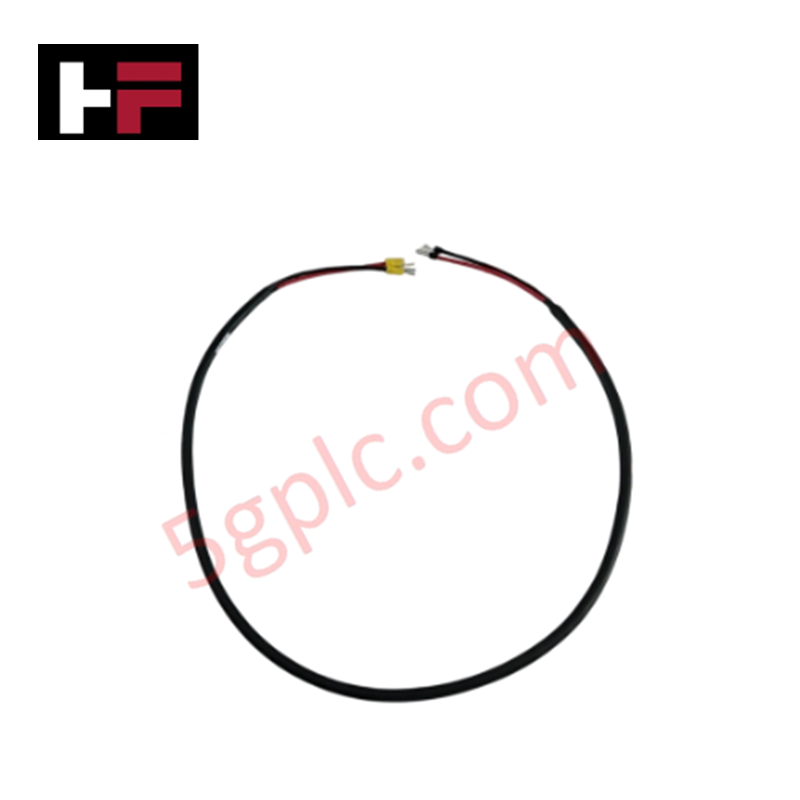
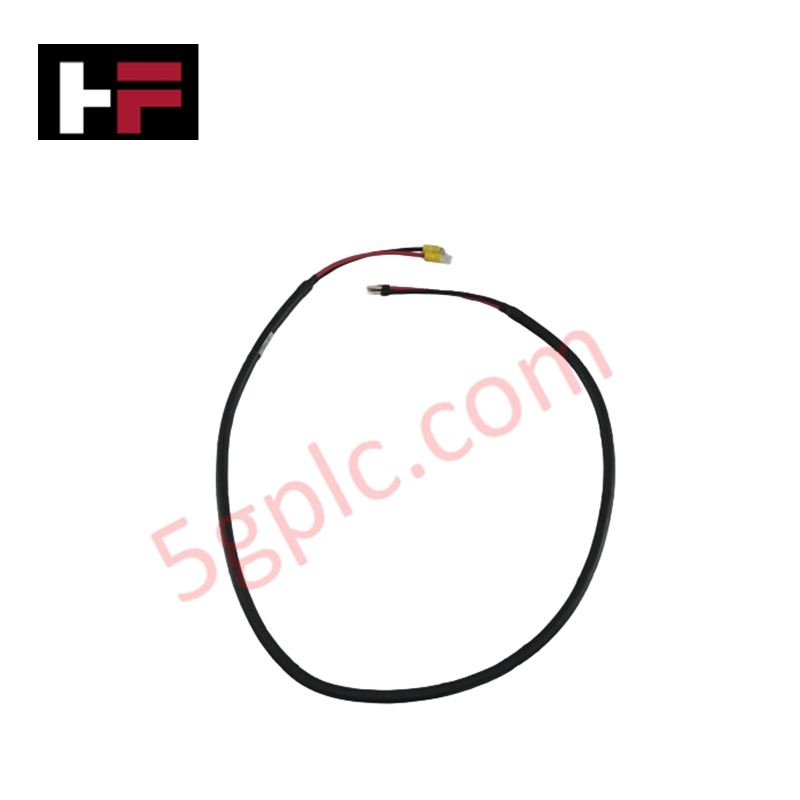
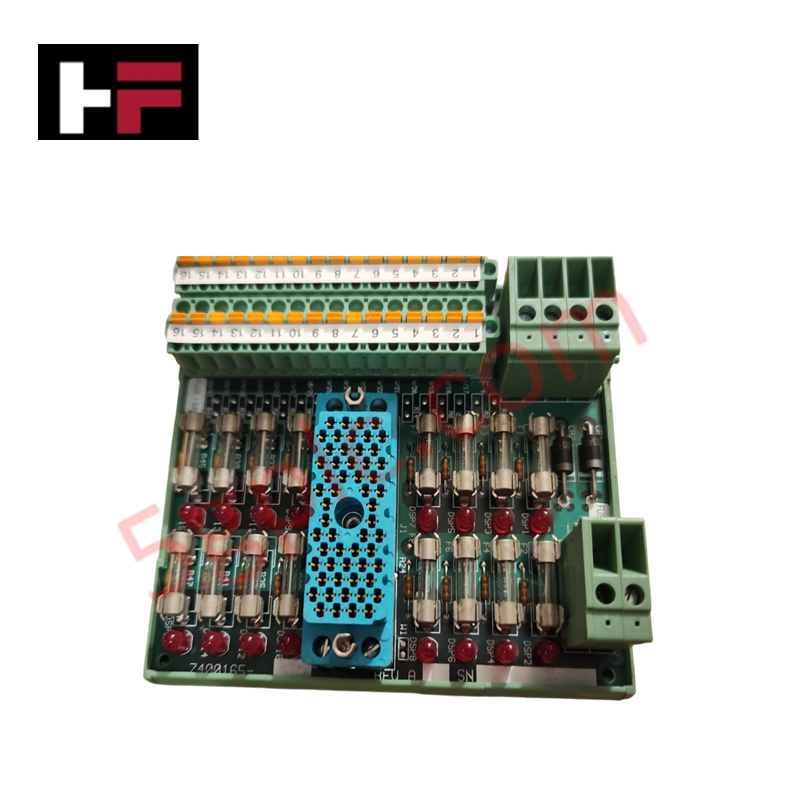
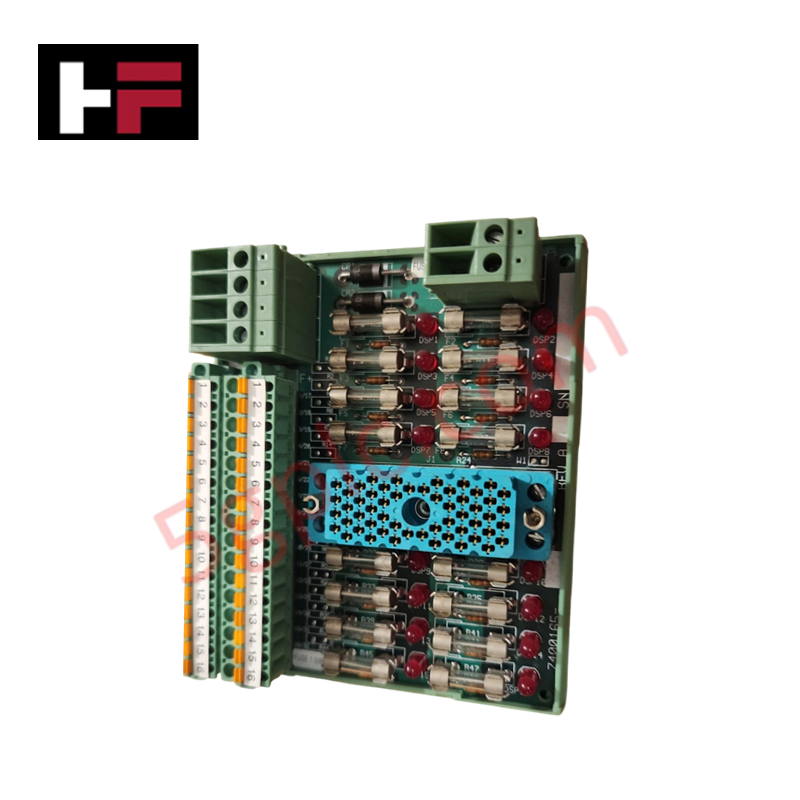
Configured for internal DC power distribution in Honeywell Experion PKS platforms, the Honeywell 51203160-200 (51203160-200 Power Supply Cable) provides direct physical/electrical execution.
Hardware Specifications
| Parameter | Specification |
|---|---|
| Model | 51203160-200 |
| Brand | Honeywell |
| Origin | USA |
| Weight | 2 kg (Shipping Weight) |
| Operating Temp | Up to 80 deg C rating |
| Power Consumption | Passive power distribution assembly |
| Voltage Rating | 300 V |
| Application Interface | Power supply unit to system rack bus |
| System Compatibility | Honeywell DCS Enclosures |
Channel-to-Channel Isolation & Signal Conditioning
The power distribution assembly incorporates high-dielectric insulation rated to 300 V to isolate internal conductor paths from cabinet grounding planes and adjacent data lines. Maintain isolation between power delivery lines and sensitive communication buses prevents switching noise coupling into analog input loops. Standard physical separation along wiring channels minimizes electromagnetic interference across adjacent 4-20 mA HART loop protocol connections and digital signal backplanes within dense enclosure topologies.
Frequently Asked Questions
Q: What is the maximum voltage and temperature rating for the 51203160-200 cable harness?
A: The harness insulation is rated for operation up to 300 V and thermal exposure up to 80 deg C.
Q: Can this cable be hot-swapped while the power supply unit is energized?
A: No, DC power must be isolated upstream at the supply breaker before disconnecting or inserting the power harness to prevent terminal arcing and contact degradation.
Field Installation Guidelines
- De-energize and lock out primary power sources feeding the cabinet power distribution assembly prior to installation.
- Inspect the pre-terminated connectors and internal pin contacts for physical deformation, oxidation, or debris.
- Lay the cable assembly into designated power wiring channels, maintaining separation from low-voltage signal cables.
- Insert terminal plugs fully into the mating power supply header until physical retaining latches lock into position.
- Verify chassis ground bonding integrity to ensure cabinet frame safety continuity.
Additional Information
- 100% Genuine Parts: All products are original and authentic, ensuring reliable industrial performance.
- 30-Day Refund Guarantee: Return any in-stock item within 30 days in original, unopened packaging for a full refund (excluding shipping and fees).
- 12-Month Warranty: Covers defects in materials or workmanship; excludes misuse, normal wear, or unauthorized modifications.
- Worldwide Shipping: We ship via USPS, UPS, FedEx, and DHL. Delivery times vary by country and may be subject to customs or import fees.
- Support & Contact: Technical and warranty assistance is available anytime. Contact us here: Contact.
- Purchase Guidance: Check product specifications and compatibility carefully before ordering to ensure proper application.




Tech & Buying Guide

Optimizing Tank Level Control Using Proportional Algorithms in PLC Systems
Industrial automation engineers frequently encounter liquid level regulation challenges across diverse process plants. Traditional ON-OFF control mechanisms often disrupt system stability due to abrupt actuator switching. Therefore, upgrading to closed-loop architectures like proportional control yields smoother responses. In a typical PLC environment, such as Siemens TIA Portal, engineers utilize closed-loop feedback to minimize process errors without requiring full PID complexity.

Understanding Why Your PLC Enters Stop Mode: Causes and Troubleshooting
In industrial automation, programmable logic controllers (PLCs) serve as the core intelligence of modern factory automation and distributed control systems (DCS). Understanding how a PLC transitions between modes is vital for maintenance engineers. Typically, a PLC operates across four primary modes: Run, Stop, Start-Up, and Hold. When power is applied, the system immediately boots into Stop mode before initiating the Start-Up sequence. If the controller encounters a critical error during execution, it automatically reverts to Stop mode to prevent equipment damage. Therefore, monitoring these state transitions helps technicians maintain high system availability.
Comprehensive Guide to Servo Motor Drive Control Techniques in Industrial Automation
Precision motion control systems drive high-throughput manufacturing across modern industrial automation environments. Unlike standard induction motors running on basic variable frequency drives, servo motor systems deliver sub-millimeter positioning accuracy and fast dynamic response.