











Product Details
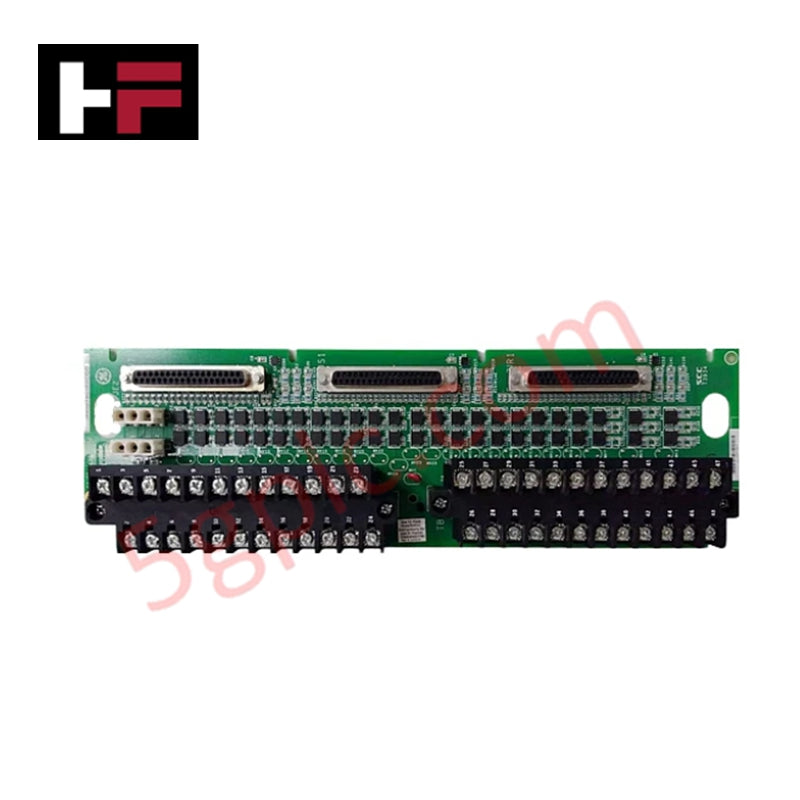
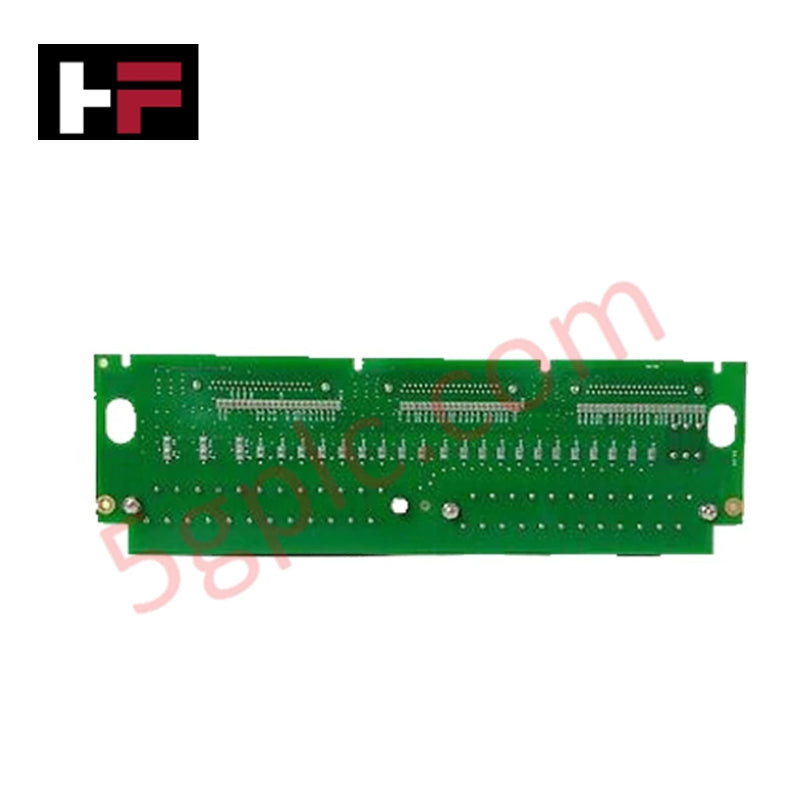
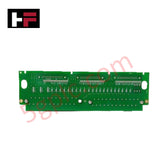
Configured for discrete signal termination in Mark VIeS control platforms, the GE IS200TBCIS2C (IS200TBCIS2C Terminal Board) provides direct physical/electrical execution.
Hardware Specifications
| Parameter | Specification |
|---|---|
| Model | IS200TBCIS2C |
| Brand | GE |
| Power Consumption | Passive (Signal distribution) |
| Terminals | 2 x 24-point terminal blocks (TB1, TB2) |
Industrial Control and Drives Characteristics
The IS200TBCIS2C serves as a physical interface layer within the Mark VIeS architecture, facilitating the transition from field wiring to backplane bus communication. Deterministic network performance within the Mark VIeS system relies on the integrity of these terminal-to-controller signal paths. Maintaining low-latency connectivity requires that field wiring connections remain secure and free from oxidation. The design includes parallel component rows to manage discrete input signal conditioning, ensuring compatibility with standard firmware flash programming and I/O module scanning sequences utilized in the Mark VIeS ecosystem.
Frequently Asked Questions
Q: Are the TB1 and TB2 terminal blocks interchangeable for field wiring?
A: No. TB1 and TB2 are designated for specific input channels. Consult the system-specific wiring diagrams to ensure field conductors are landed on the correct terminals to match the I/O module configuration.
Q: Can this terminal board be replaced while the I/O module is powered?
A: The board functions as a passive termination point. While physical replacement is possible, any disconnection of field wiring will trigger an open-circuit fault in the corresponding controller input channel. De-energize the associated loop prior to removing or installing field wiring.
Field Installation Guidelines
- Terminal Tightening: Use an appropriately sized screwdriver to tighten terminal screws. Ensure wire ferrules are used if applicable to prevent strand damage and maintain high-pressure contact.
- Shielding: Terminate cable shields at the designated ground lugs on the chassis to minimize electromagnetic interference. Avoid routing signal wiring alongside high-voltage power cables to maintain signal fidelity.
- Mechanical Stability: Ensure the board is firmly seated on the DIN rail or mounting standoffs. Verify that all fasteners are torqued to prevent board vibration, which can lead to intermittent contact in high-vibration environments.
- Labeling: Utilize the factory-provided white markings on the terminal blocks for verification against system point-to-point diagrams during loop checks.
Additional Information
- 100% Genuine Parts: All products are original and authentic, ensuring reliable industrial performance.
- 30-Day Refund Guarantee: Return any in-stock item within 30 days in original, unopened packaging for a full refund (excluding shipping and fees).
- 12-Month Warranty: Covers defects in materials or workmanship; excludes misuse, normal wear, or unauthorized modifications.
- Worldwide Shipping: We ship via USPS, UPS, FedEx, and DHL. Delivery times vary by country and may be subject to customs or import fees.
- Support & Contact: Technical and warranty assistance is available anytime. Contact us here: Contact.
- Purchase Guidance: Check product specifications and compatibility carefully before ordering to ensure proper application.
Tech & Buying Guide

Mastering the Factory Acceptance Test (FAT) for PLC Control Panels: An Expert Guide
The Factory Acceptance Test (FAT) is a vital milestone in industrial automation that ensures custom PLC panels meet exact design specifications before dispatch. This guide outlines the step-by-step FAT procedure and key industry best practices to prevent costly site delays and ensure long-term operational success.
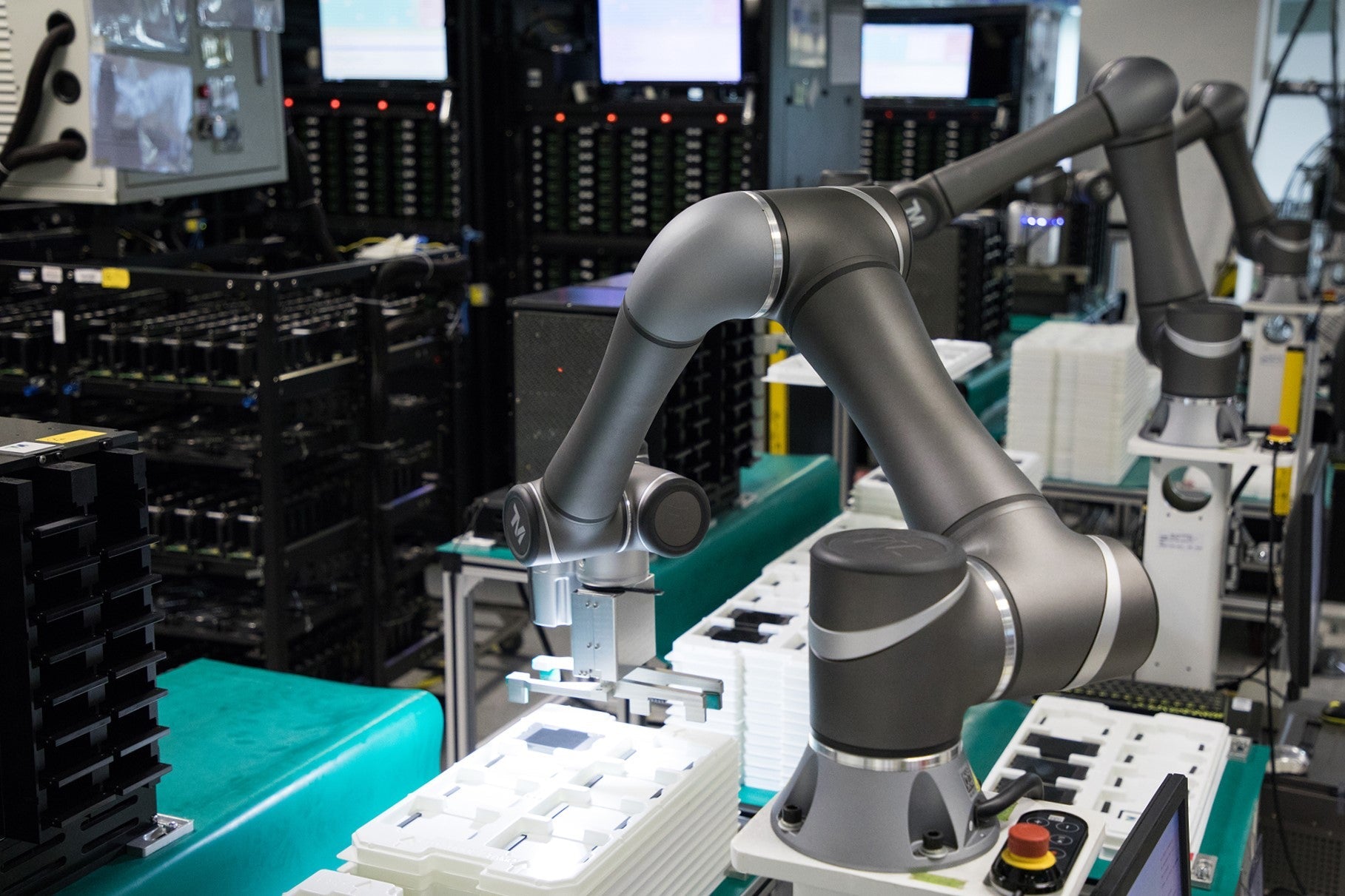
Redundant Automation Systems: Ensuring Continuous Uptime in Critical Control Infrastructure
System reliability directly determines operational profitability across high stakes process industries. Modern industrial automation platforms must eliminate single points of failure to prevent catastrophic shutdowns. Deploying fault tolerant architecture safeguards complex facilities against unexpected hardware glitches, network disruptions, and maintenance outages.

Understanding Types of Noise in Electronic Circuits and Control Systems
Signal integrity directly determines measurement accuracy and loop stability across industrial automation environments. Electronic noise introduces unwanted stochastic interference into analog loops, sensor feedback lines, and digital fieldbus networks. Understanding how intrinsic electronic noise and external electromagnetic interference manifest allows control engineers to optimize signal conditioning and shield sensitive instrumentation effectively.