










Product Details
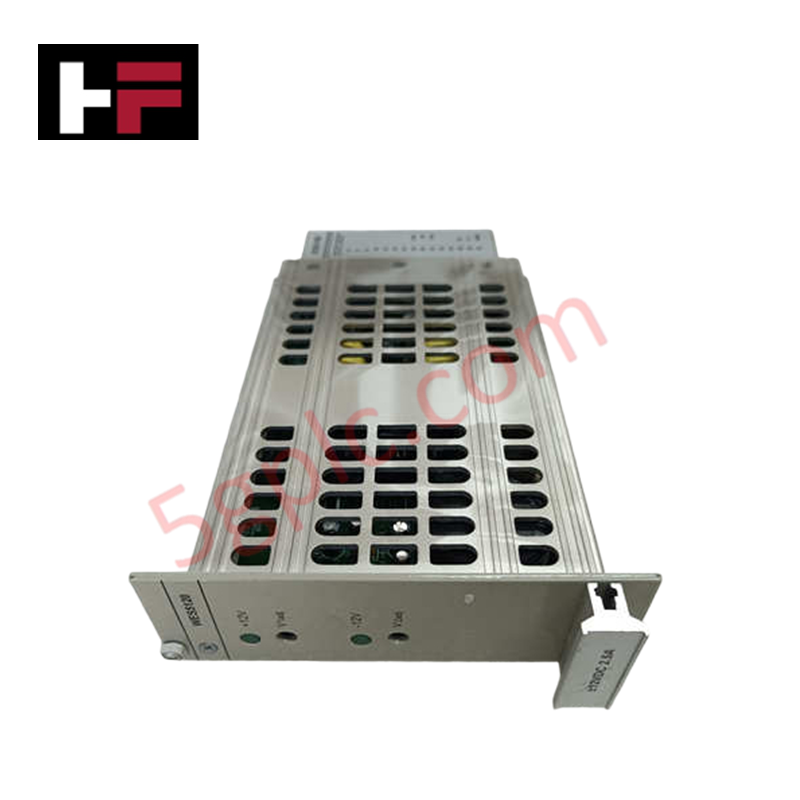
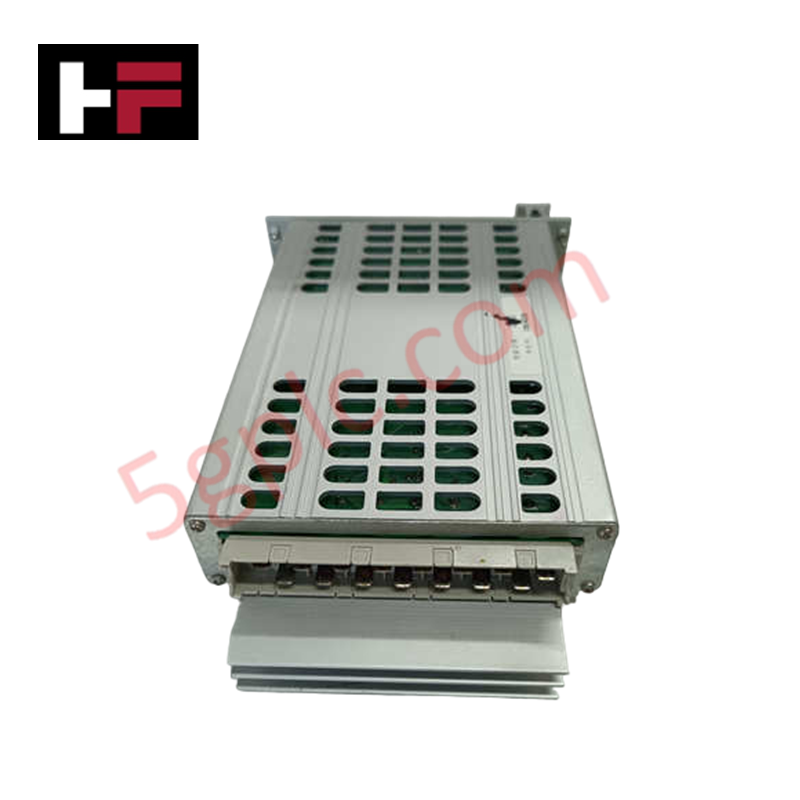
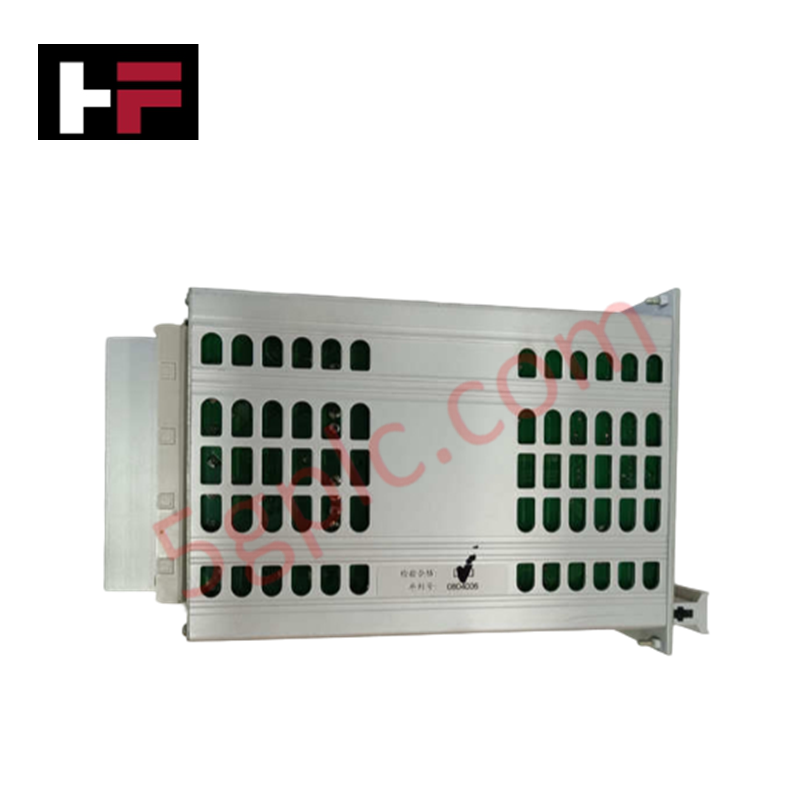
Configured for deterministic network routing and substation data packet prioritization in industrial Ethernet infrastructure, the GE Fanuc WES5120-2501 (WES5120 Managed Layer 2/3 Ethernet Switch) provides direct physical/electrical execution.
Hardware Specifications
| Parameter | Specification |
|---|---|
| Model | WES5120-2501 |
| Brand | GE Fanuc |
| Origin | USA |
| Dimensions | 100 x 200 x 300 mm |
| Weight | 10 kg |
| Operating Temp | -40 to +85 deg C |
| Power Consumption | Substation bus supply dependent |
| Switch Type | Managed Layer 2/3 Ethernet Switch |
| Ethernet Ports | 24 x 10/100/1000 Mbps |
| Network Redundancy | Ring topology (<5 ms recovery per hop) |
| Time Synchronization | IEEE 1588v2 (Transparent/Boundary Clock) |
| Supported Protocols | IPv4/IPv6, VLAN, QoS, SNMP, RSTP/MSTP, IGMP Snooping |
| Cybersecurity | Role-based access control, AAA (RADIUS/TACACS+), encryption |
| Mounting | Rack mount or panel mount |
Deterministic Network Routing & Firm Firmware Compatibility
The switch architecture maintains deterministic network throughput via IEEE 1588v2 precision time protocol clock synchronization, minimizing jitter across industrial control layers. Integrated VLAN segmentation and QoS queue management prevent control loop data congestion during high-traffic load events. Firmware flash compatibility ensures seamless backplane interaction and remote firmware image updates without compromising ring redundancy recovery limits.
Frequently Asked Questions
Q: What network recovery times are achievable using ring redundancy protocols?
A: The module executes ring topology failover with less than 5 ms recovery time per hop under test conditions compliant with IEC 61850 standards.
Q: How does the module handle time synchronization across connected I/O nodes?
A: It utilizes IEEE 1588v2 logic operating in Transparent Clock or Boundary Clock modes to synchronize Ethernet frame timestamps down to sub-microsecond levels.
Q: What mechanisms protect administrative access over the network?
A: Authentication uses RADIUS or TACACS+ protocols, backed by role-based access control, password complexity rules, and encrypted communications.
Field Installation Guidelines
- Mount the enclosure in a standard 19-inch rack frame or securely fasten it to a flat interior panel using hardware rated for the 10 kg module weight.
- Maintain minimum vertical clearances above and below the chassis to support passive thermal convection across the extended operating range of -40 to +85 deg C.
- Establish a direct low-impedance connection from the protective earth grounding terminal to the master panel ground bus using minimum 10 AWG braided copper wire.
- Dress all Ethernet cables with proper strain relief and maintain minimum bend radius limits to prevent port connector fatigue.
- Verify power supply wiring polarity and supply voltage stability before energizing the device power terminal block.
Additional Information
- 100% Genuine Parts: All products are original and authentic, ensuring reliable industrial performance.
- 30-Day Refund Guarantee: Return any in-stock item within 30 days in original, unopened packaging for a full refund (excluding shipping and fees).
- 12-Month Warranty: Covers defects in materials or workmanship; excludes misuse, normal wear, or unauthorized modifications.
- Worldwide Shipping: We ship via USPS, UPS, FedEx, and DHL. Delivery times vary by country and may be subject to customs or import fees.
- Support & Contact: Technical and warranty assistance is available anytime. Contact us here: Contact.
- Purchase Guidance: Check product specifications and compatibility carefully before ordering to ensure proper application.


Tech & Buying Guide

Demystifying the DDE Protocol in Legacy Industrial Automation Systems
Modern control systems rely heavily on seamless interprocess communication to exchange operational data between software programs. Microsoft first introduced the Dynamic Data Exchange (DDE) protocol in 1987 to enable real-time data sharing. In factory automation, DDE served as an early bridge between control software and Windows desktop applications. Therefore, understanding DDE mechanics provides crucial insights into how legacy industrial networks established software-level connectivity.

Demystifying CPU Communication Ports in Siemens PLC Architectures
Industrial automation relies heavily on robust data exchange between devices. Without seamless connectivity, field instruments, network switches, human-machine interfaces, and programmable logic controllers cannot coordinate effectively. Therefore, understanding the various CPU communication ports available in Siemens hardware ensures efficient factory automation design and seamless system integration.

Mastering the Siemens PLC Scan Cycle: How the CPU Executes Automation Programs
Industrial automation relies heavily on programmable logic controllers (PLCs) to manage complex manufacturing processes. Many engineers dive straight into programming without mastering the underlying architecture. However, understanding how a PLC CPU executes a program ensures reliable system design. Therefore, mastering the scan cycle optimizes both performance and troubleshooting in modern control systems.