












Product Details
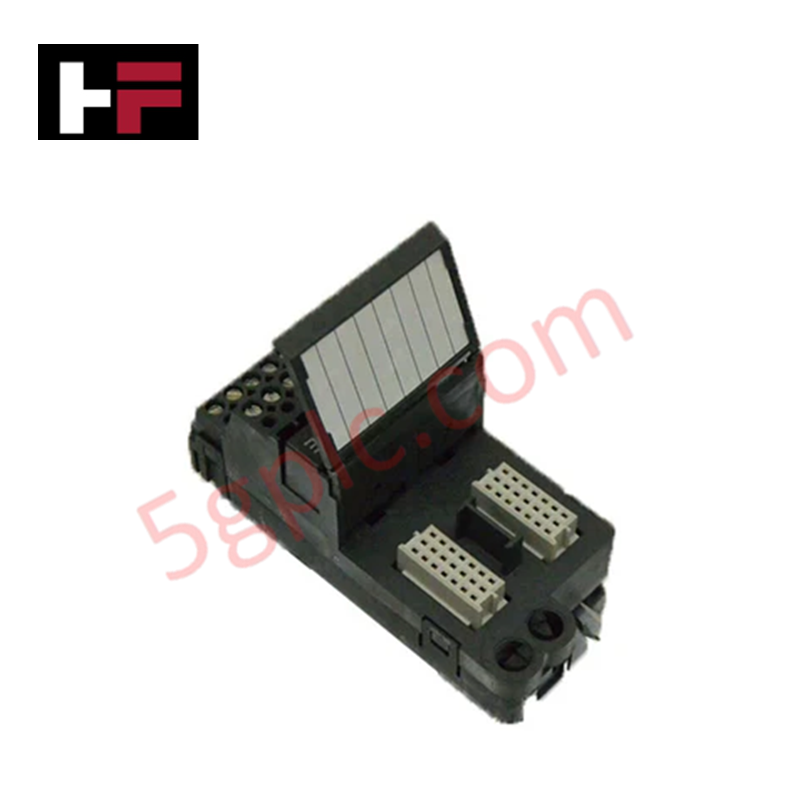
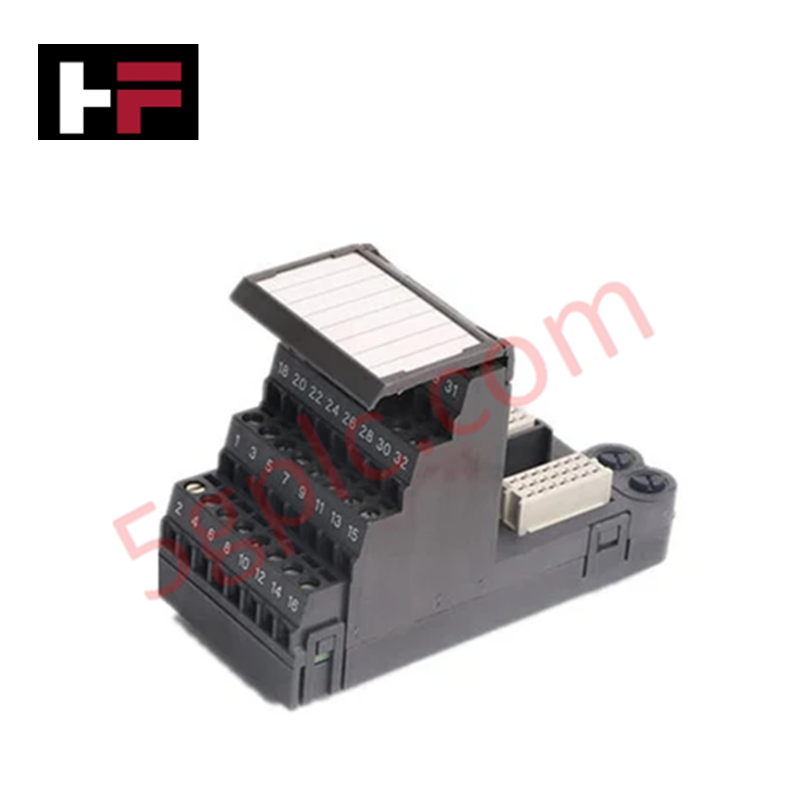
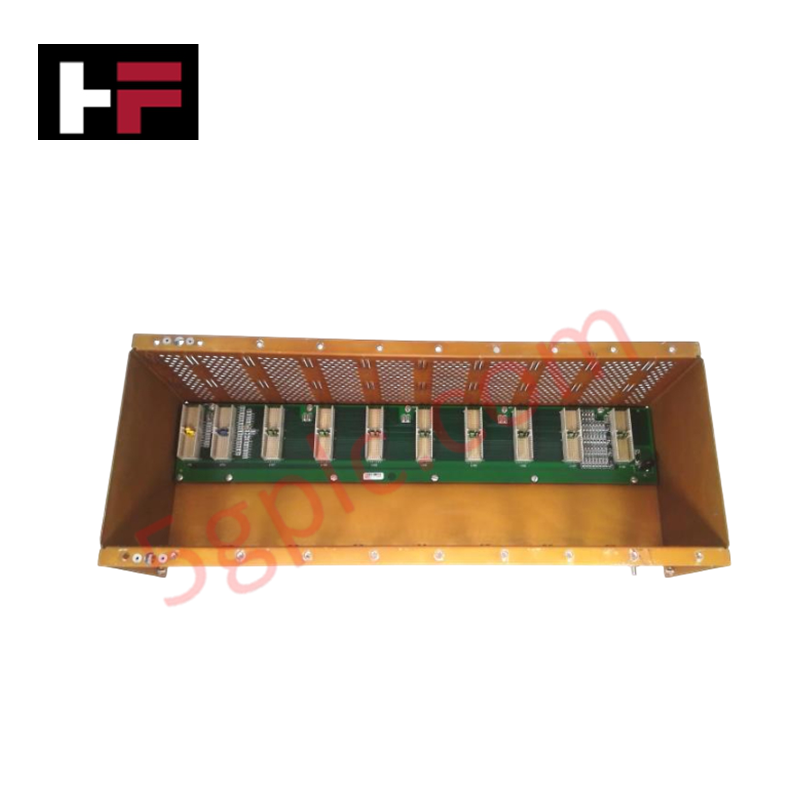
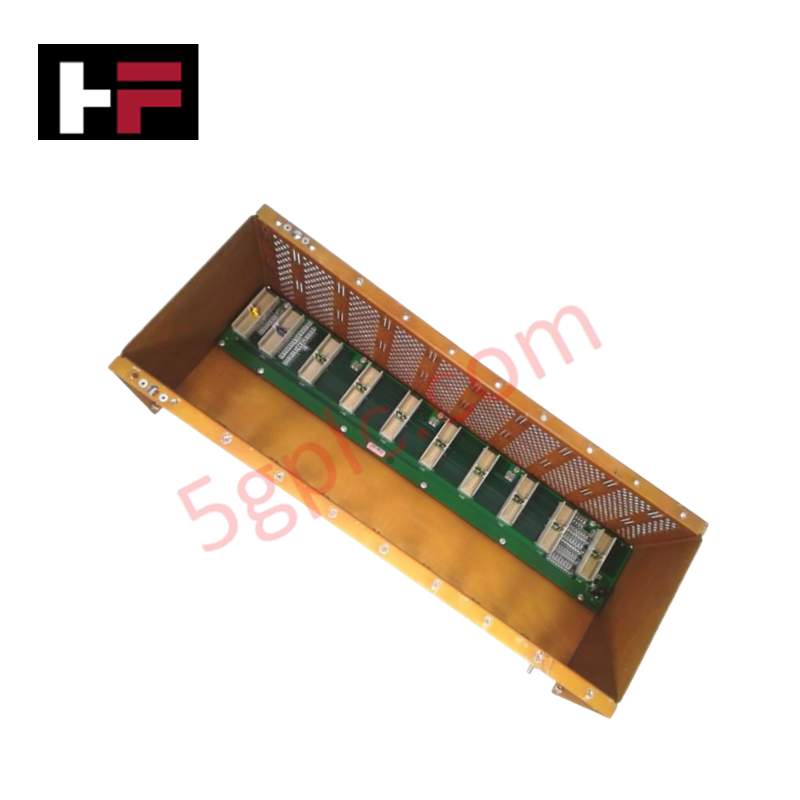
The Emerson KJ4006X1-BS1, also cataloged as the KJ4006X1-BS1 Redundant Analog Input Terminal Block, operates as a dedicated hardware component for localized analog field loop routing within DeltaV controller subsystems. This hardware assembly provides direct physical termination tracks, distributing continuous parallel signal loops from 8 field instrumentation devices across redundant processing card pairings.
Hardware Specifications
| Parameter | Specification |
| Model | KJ4006X1-BS1 |
| Brand | Emerson |
| Origin | USA |
| Weight | 0.35 kg |
| Dimensions | Standard DeltaV marshalling footprint |
| Operating Temp | -40 deg C to +70 deg C |
| Power Consumption | Passive distribution network (Field Power: 35 VDC / 30 VDC at 200 mA max) |
| Channel Count | 8 channels, redundant configuration |
| Mechanical Keying | Position sets automatically to match designated I/O card |
| Shock Resistance | 10g 1/2 sine wave for 11 ms |
| Vibration Resistance | 1 mm peak-to-peak from 2 to 13.2 Hz; 0.7g from 13.2 to 150 Hz |
| Airborne Contaminants | ISA-S71.04-1985 Class G3 compliance |
| Relative Humidity | 5% to 95% non-condensing |
Channel-To-Channel Isolation and DCS Synchronization
Mechanical execution of this passive terminal block architecture relies on physical trace segregation parameters to protect instrumentation signals. The infrastructure establishes distinct channel-to-channel isolation rows across the 8 incoming terminal paths, checking that a grounding failure or transient short circuit on an active 4-20 mA HART loop protocol field track cannot propagate into adjacent connection loops. This physical containment enables real-time analog value duplication and continuous background synchronization across the redundant I/O module pairing without generating signal attenuation or cross-talk hazards.
Frequently Asked Questions
Q: How is the physical keying configuration managed during a module replacement sequence?
A: The terminal block key position sets automatically based on the profile of the specific I/O module card installed into the carrier slot, blocking accidental insertion of incompatible hardware classifications.
Q: Can this terminal block withstand continuous maintenance operations under live system power?
A: Yes. The passive component retains permanent physical field wiring connections, enabling active or standby redundant analog input modules to undergo online hot-swap procedures without interrupting the active 4-20 mA current loops.
Field Installation Guidelines
-
Carrier Baseplate Attachment: Place the terminal block assembly directly onto the designated DeltaV carrier tracking rails. Press firmly until the physical locking pins snap into a rigid position to suppress high-vibration loosening.
-
Wiring Terminal Torque: Strip field loop wires back according to factory specification limits, insert the raw conductors fully into the clamp terminals, and torque each connection point to the specified rating to ensure low contact resistance.
-
Shield Ground Tracking: Terminate all analog transmitter cable shields exclusively at the main cabinet common ground bar assembly. Adhering to a single-point grounding layout prevents low-frequency circulating loops from generating measurement offsets.
-
Environmental Enclosure Parameters: In areas matching Class G3 airborne contaminant profiles, house this IP 20 block within a sealed enclosure that provides positive-pressure filtered air flow, keeping relative humidity below the 95% non-condensing limit to stop contact oxidation.
Additional Information
- 100% Genuine Parts: All products are original and authentic, ensuring reliable industrial performance.
- 30-Day Refund Guarantee: Return any in-stock item within 30 days in original, unopened packaging for a full refund (excluding shipping and fees).
- 12-Month Warranty: Covers defects in materials or workmanship; excludes misuse, normal wear, or unauthorized modifications.
- Worldwide Shipping: We ship via USPS, UPS, FedEx, and DHL. Delivery times vary by country and may be subject to customs or import fees.
- Support & Contact: Technical and warranty assistance is available anytime. Contact us here: Contact.
- Purchase Guidance: Check product specifications and compatibility carefully before ordering to ensure proper application.




Tech & Buying Guide

Step-by-Step System Cabinet Health Check Guide for PLC and DCS Infrastructure

Top 5 Operational Advantages of HMIs in Modern Factory Automation
