










Product Details
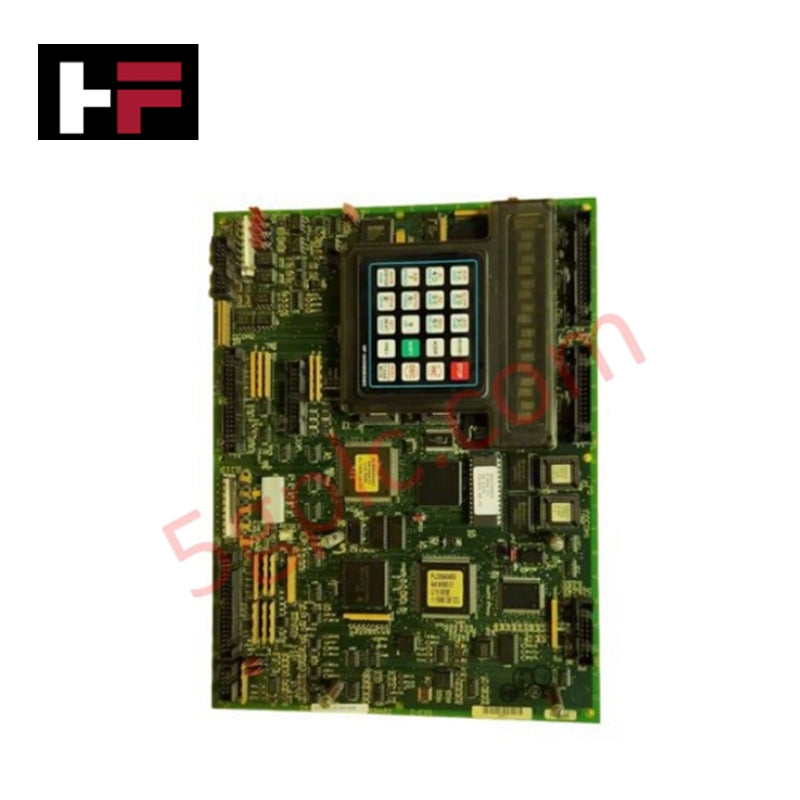
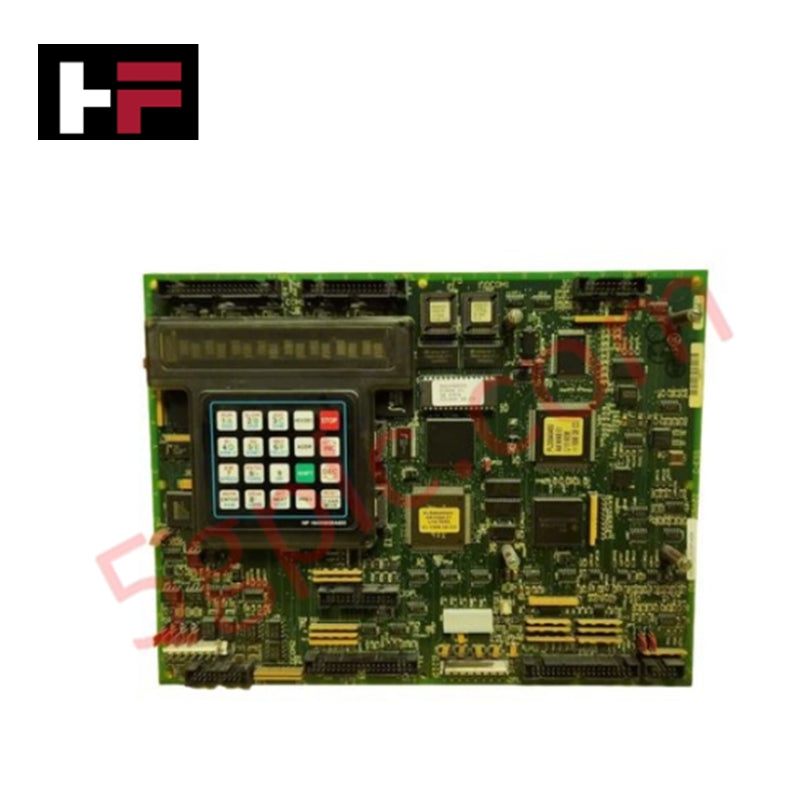
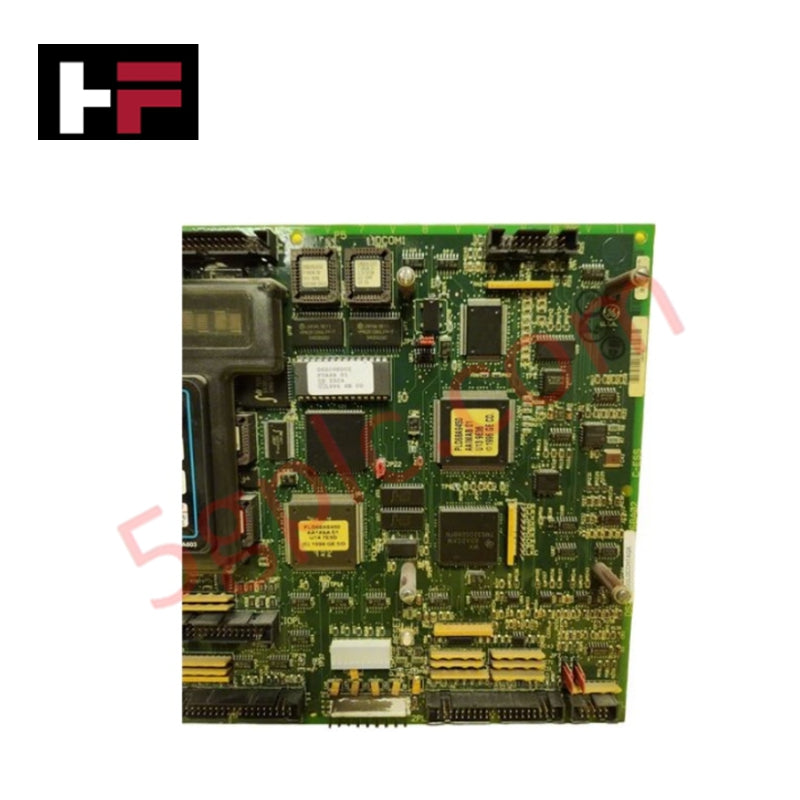
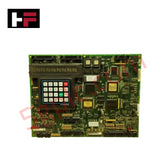
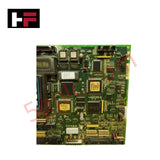
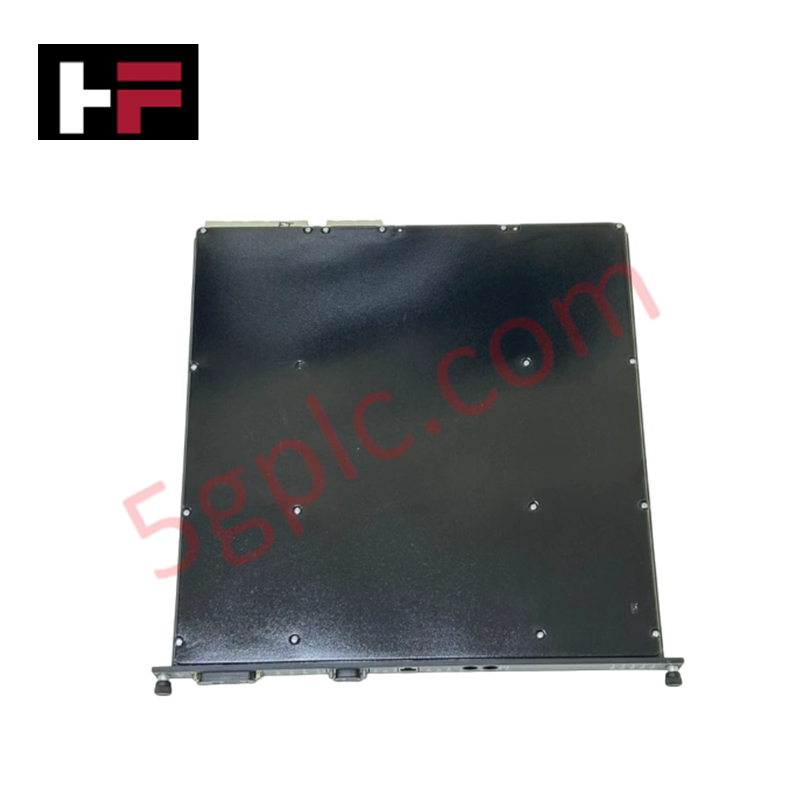
The General Electric DS200LDCCH1ALA, also cataloged as the DS200LDCCH1ALA Drive Control/LAN Communications Board, operates as a dedicated hardware component for multi-processor I/O coordination and network data exchange within Mark V drive control system platforms.
Hardware Specifications
| Parameter | Specification |
|---|---|
| Model | DS200LDCCH1ALA |
| Brand | General Electric |
| Processor Architecture | 4 (DCP, LCP, MCP, CMP) |
| Interface Support | DLAN+, Genius, CPL, C-Bus |
Industrial Control and Drive Systems
The DS200LDCCH1ALA utilizes backplane bus communication velocity to synchronize multi-processor I/O operations. The module facilitates I/O density scaling by employing four dedicated microprocessors: the DCP for analog/digital filtering, the LCP for network traffic management, and the MCP/CMP pair for motor control computations. Firmware flash compatibility supports logic-level adjustments for various protocols, including DLAN+ and Genius interfaces. Integration into DIRECTO-MATIC 2000 systems requires adherence to deterministic network timing; external terminal boards, such as the DS200ADCI, are required for CPL and C-Bus differential signaling to maintain bus integrity.
Frequently Asked Questions (FAQ)
Q: Are additional hardware modules required for specific bus system compatibility?
A: Yes. When interfacing with Genius, CPL, or C-Bus protocols, an optional DS200ADCI terminal board is required to support the specific physical layer requirements of these differential bus systems.
Q: What is the function of the onboard RESET button?
A: The physical RESET button is provided to clear operational faults and force a processor re-initialization sequence, which is used to recover the module from specific logic hang conditions without a full power cycle.
Field Installation Guidelines
- Processor Initialization: Upon system activation, verify the DCP and LCP status indicators. If the LCP fails to filter LAN signals, inspect the communication cabling and ensure correct protocol settings via the firmware configuration.
- Component Handling: The PCB is treated with conformal coating. Do not apply solvents to the surface during cleaning, as this may degrade the protective layer. Use only ESD-safe brushes for particulate removal.
- Bus Termination: When utilizing C-Bus or CPL interfaces, verify that the differential bus is properly terminated at the end-of-line nodes to prevent signal reflections that can corrupt digital communication.
- Keypad Interface: The attachable alphanumeric keypad must be seated firmly onto the board header. Ensure the ribbon cable is routed to prevent strain on the connector pins, as intermittent connections will result in input errors.
Additional Information
- 100% Genuine Parts: All products are original and authentic, ensuring reliable industrial performance.
- 30-Day Refund Guarantee: Return any in-stock item within 30 days in original, unopened packaging for a full refund (excluding shipping and fees).
- 12-Month Warranty: Covers defects in materials or workmanship; excludes misuse, normal wear, or unauthorized modifications.
- Worldwide Shipping: We ship via USPS, UPS, FedEx, and DHL. Delivery times vary by country and may be subject to customs or import fees.
- Support & Contact: Technical and warranty assistance is available anytime. Contact us here: Contact.
- Purchase Guidance: Check product specifications and compatibility carefully before ordering to ensure proper application.




Tech & Buying Guide

Understanding VFD Mechanical Brake Logic and Control in Industrial Automation
Variable Frequency Drives (VFDs) play a crucial role in modern industrial automation by controlling motor speed, torque, and acceleration. However, high-inertia loads and vertical lifting systems require precise mechanical braking logic to ensure operational safety and prevent equipment damage.

Why Programmable Logic Controllers Drop into Stop Mode: An Expert Analysis
Industrial automation systems rely heavily on Programmable Logic Controllers (PLCs) to maintain uninterrupted production. When a PLC unexpectedly shifts from Run to Stop mode, whole manufacturing lines stall.
As control systems evolve across modern factory automation, understanding the root causes of these interruptions helps engineers minimize costly downtime. This technical guide breaks down why PLCs trip into Stop mode and provides practical strategies to mitigate system faults.

Understanding Root Causes of Unplanned PLC Stop Mode in Industrial Automation
Modern Programmable Logic Controllers manage execution through distinct operational states: Run, Stop, Start-Up, and Hold. During power-up, a controller initializes memory registers within Stop mode before briefly transitioning to Start-Up mode. During this phase, internal self-diagnostics evaluate system integrity across hardware and user programs. If the controller detects no critical faults, it enters Run mode to execute the control program continuously. However, any severe system anomaly forces the CPU back into Stop mode immediately to prevent erratic machine behavior across the plant floor.