












Product Details
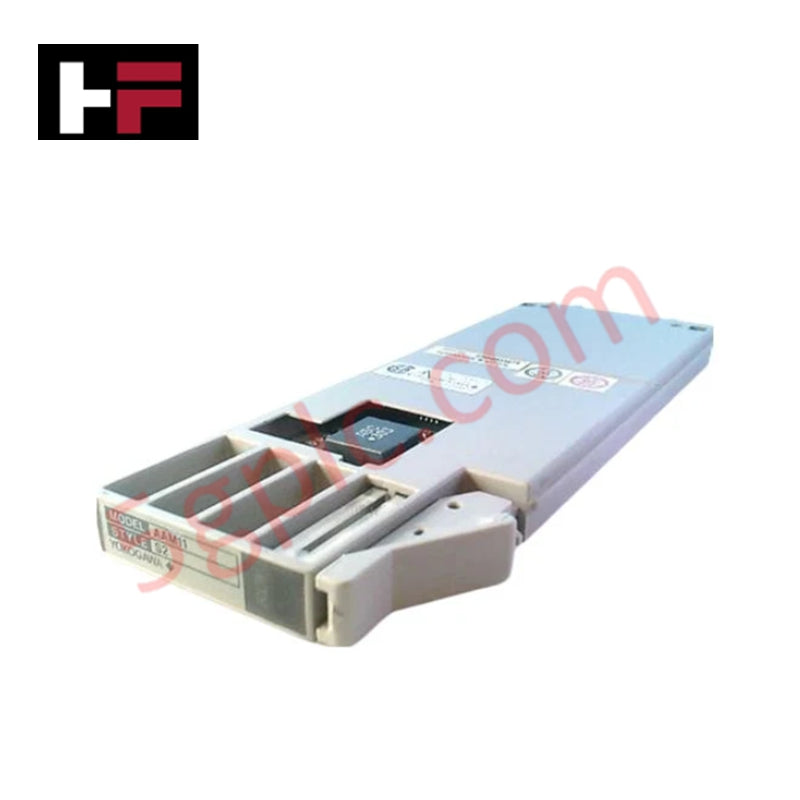
The Yokogawa AAM11 is a versatile analog input module engineered for the CENTUM CS and CENTUM VP distributed control systems. It serves as a critical interface, converting standard industrial analog signals—specifically current and voltage—into digital data for precise process monitoring and control. Designed for flexibility, the AAM11 allows engineers to configure inputs for either 4-20 mA current loops or 1-5 V voltage signals, making it a fundamental component for connecting a wide variety of field transmitters to the control system with high accuracy and reliability.
Technical Specifications
The AAM11 is built to deliver high-precision signal conversion in a compact form factor suitable for dense control panels.
| Parameter | Specification |
|---|---|
| Product Type | Current/Voltage Input Module |
| Model Number | AAM11 |
| Compatible Systems | CENTUM CS, CENTUM VP |
| Input Signal Types | Current (4-20 mA) and Voltage (1-5 V) |
| Signal Conversion | High-accuracy Analog-to-Digital |
| Configurability | Software configurable for current or voltage |
| Dimensions | 3.0" x 1.0" x 7.0" (7.6 cm x 2.5 cm x 17.8 cm) |
| Weight | 0.1 kg (4.0 oz) |
Model Code Interpretation
For Yokogawa modules, the suffix code is critical as it defines the specific communication protocol support and physical interface.
Part Number: AAM11
AAM11-AXX
-
A (Base Model): The standard AAM11 typically supports standard analog inputs.
-
Suffix Variations (e.g., AAM11B):
-
-B: Often denotes support for the BRAIN protocol, allowing for digital communication with intelligent field devices.
-
-S1 / -S2: These suffixes usually indicate specific hardware revisions or regional specifications (e.g., specific compliance standards).
-
Note: Always verify the specific suffix on the module label to ensure it meets the communication protocol requirements of your field devices (Standard Analog vs. BRAIN Protocol).
Installation and Wiring Guidelines
To ensure accurate signal acquisition and system stability, follow these installation practices:
-
Carrier Compatibility: The AAM11 is designed to mount into specific I/O carrier boxes (such as the AAM series carriers). Ensure the module is fully inserted into the slot and the locking mechanism is engaged to secure the connection to the backplane.
-
Signal Configuration:
-
Current Input (4-20 mA): Ensure the loop polarity is correct. The module typically provides a 250 Ω input impedance for current signals.
-
Voltage Input (1-5 V): When wiring for voltage, ensure the input impedance (typically 1 MΩ) is accounted for in your load calculations.
-
Wiring Connections: Use shielded twisted-pair cables to minimize electromagnetic interference (EMI). Connect the shield to the ground terminal at the cabinet end to prevent noise from affecting the analog-to-digital conversion accuracy.
-
Environmental Limits: Install the module in a control cabinet that maintains an ambient temperature within the standard industrial range (typically -20°C to +60°C) to prevent overheating.
Frequently Asked Questions (FAQ)
Q: What is the primary function of the AAM11?A: The AAM11 acts as an analog input interface. It accepts standard industrial signals (4-20 mA or 1-5 V) from field transmitters and converts them into digital data that the CENTUM control system can process.
Q: Can the AAM11 handle both current and voltage inputs?
A: Yes, the module is configurable. It can be set up to accept either 4-20 mA current signals or 1-5 V voltage signals, providing flexibility for different sensor types.
Q: Is the AAM11 compatible with CENTUM VP?
A: Yes, the AAM11 is fully compatible with both CENTUM CS and the newer CENTUM VP systems, allowing for seamless integration and hardware upgrades.
Q: What is the difference between AAM11 and AAM11B?
A: The standard AAM11 is typically used for standard analog signals. The AAM11B version usually includes support for the BRAIN protocol, which allows for digital communication and diagnostics with intelligent Yokogawa field devices.
Additional Information
- 100% Genuine Parts: All products are original and authentic, ensuring reliable industrial performance.
- 30-Day Refund Guarantee: Return any in-stock item within 30 days in original, unopened packaging for a full refund (excluding shipping and fees).
- 12-Month Warranty: Covers defects in materials or workmanship; excludes misuse, normal wear, or unauthorized modifications.
- Worldwide Shipping: We ship via USPS, UPS, FedEx, and DHL. Delivery times vary by country and may be subject to customs or import fees.
- Support & Contact: Technical and warranty assistance is available anytime. Contact us here: Contact.
- Purchase Guidance: Check product specifications and compatibility carefully before ordering to ensure proper application.







Tech & Buying Guide
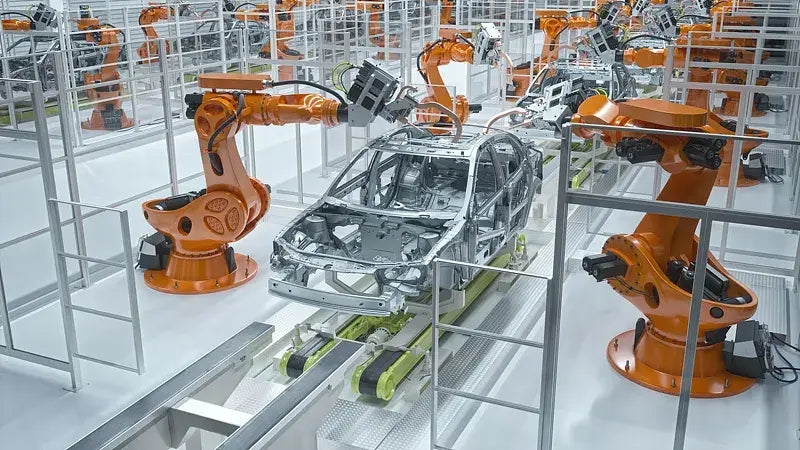
Safety Relays in Industrial Automation: Fundamentals, Design Standards, and Fail-Safe Architecture
Safety relays form the bedrock of functional safety in modern factory automation, preventing catastrophic equipment failure and protecting plant personnel. While standard electromechanical relays handle basic load switching, they lack the redundant diagnostics required for high-risk industrial environments. Modern industrial automation platforms—including programmable logic controllers (PLCs) and distributed control systems (DCS)—rely on specialized safety relays to monitor field devices and isolate hazards instantly.

Voice-Activated Industrial Automation: Integrating Speech Control into PLC and DCS Architectures
Industrial automation integrates speech recognition, IIoT protocols, and NLP with PLCs and DCS to streamline operations. By leveraging advanced edge computing, engineers enable real-time, hands-free control—allowing personnel to manage smart factory processes safely away from hazardous equipment.
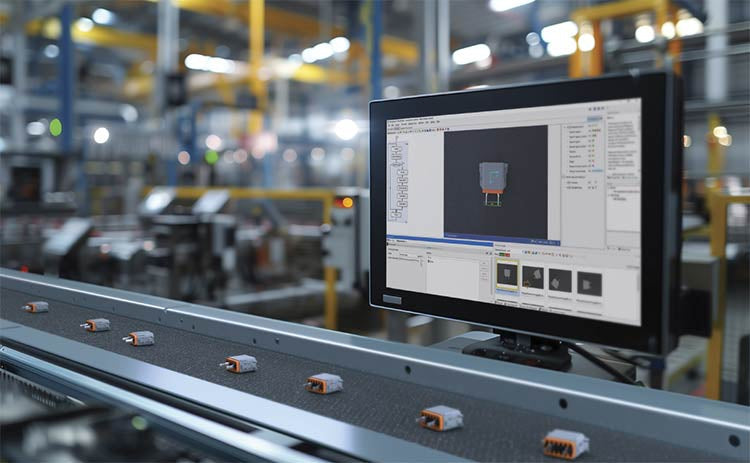
Modern Industrial Automation: Transforming Safety and Efficiency in Mining Operations
Industrial automation has evolved from a simple manufacturing tool into the operational backbone of high-risk sectors. Modern mining operations increasingly rely on advanced control systems, programmable logic controllers (PLCs), distributed control systems (DCS), and artificial intelligence to address deep-underground hazards. By replacing manual labor in high-risk zones, factory automation technologies protect personnel while significantly boosting operational throughput.