












Product Details
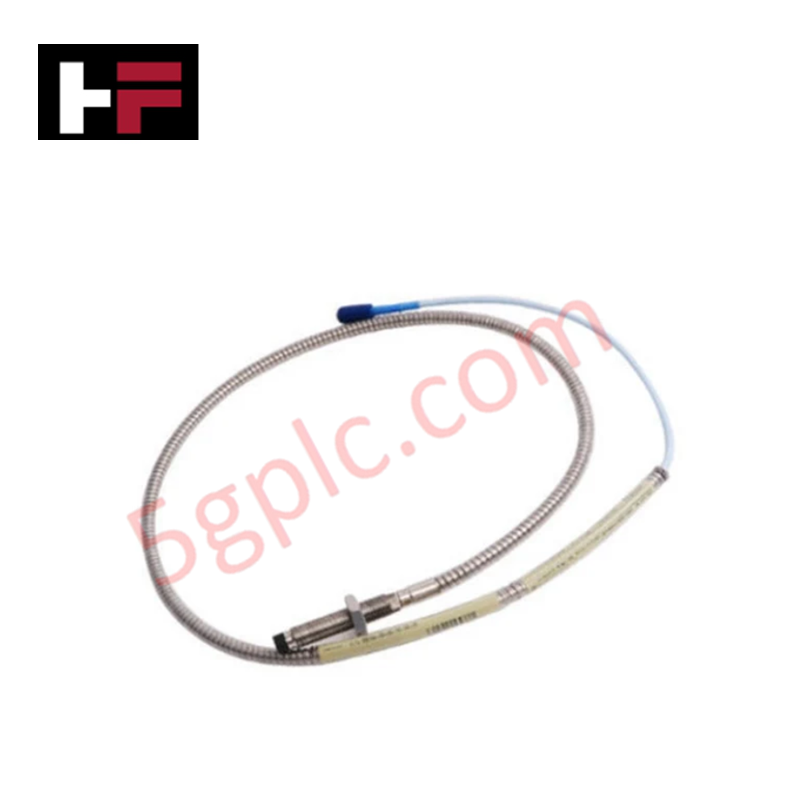
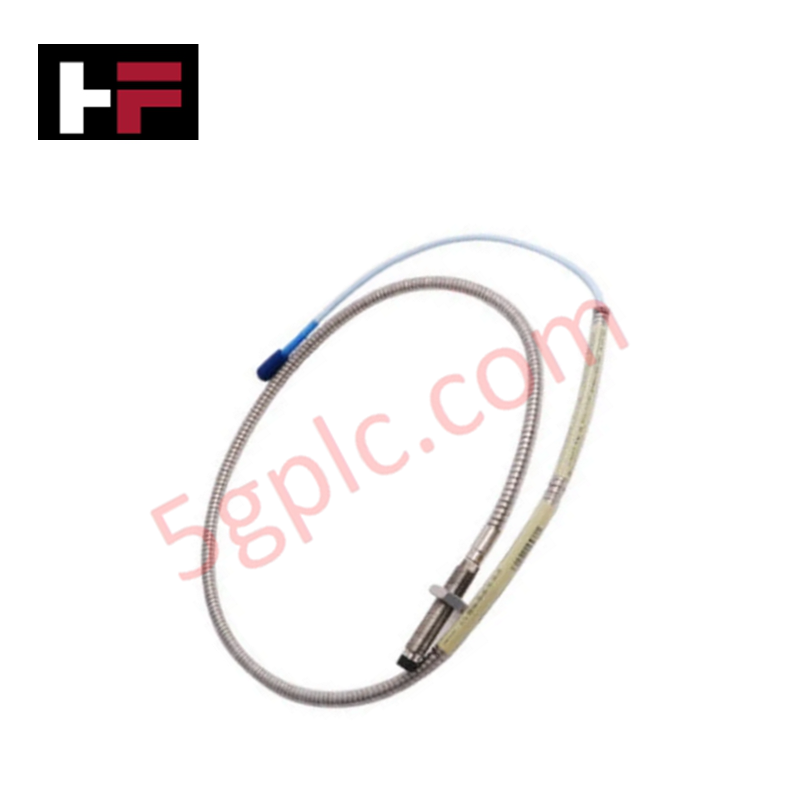
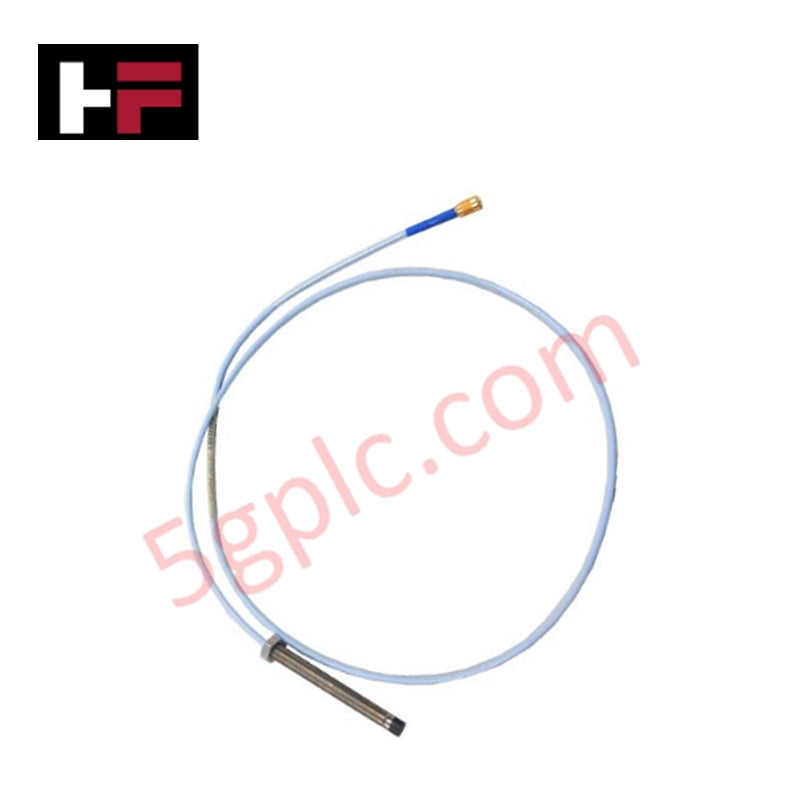
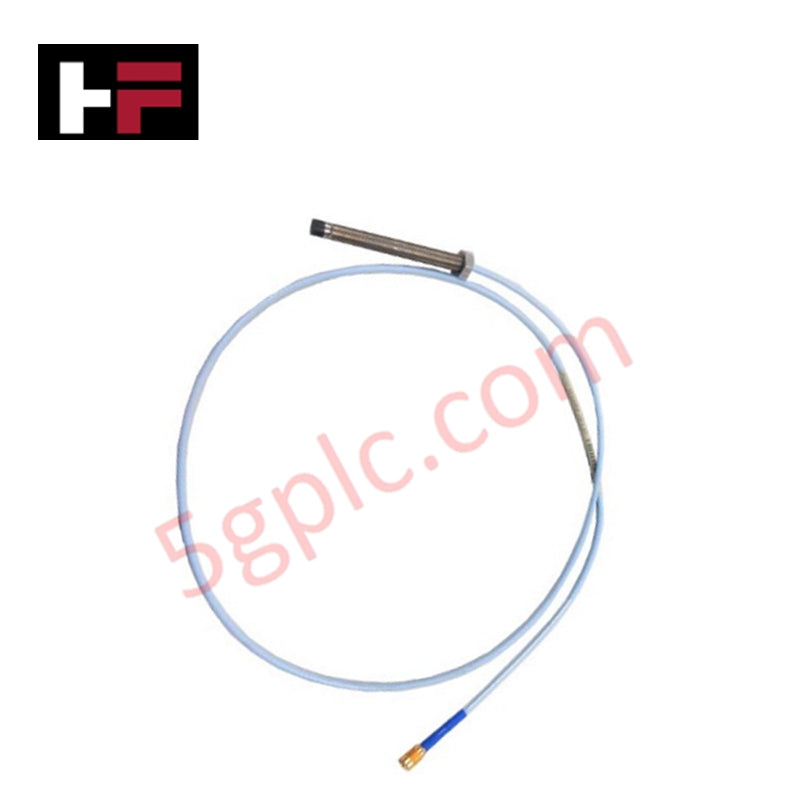
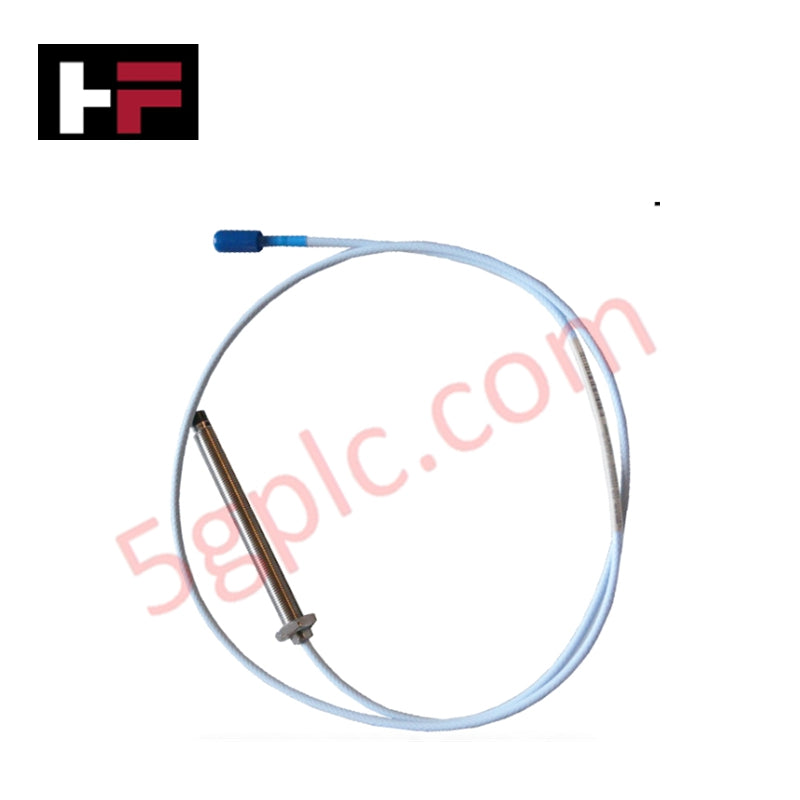
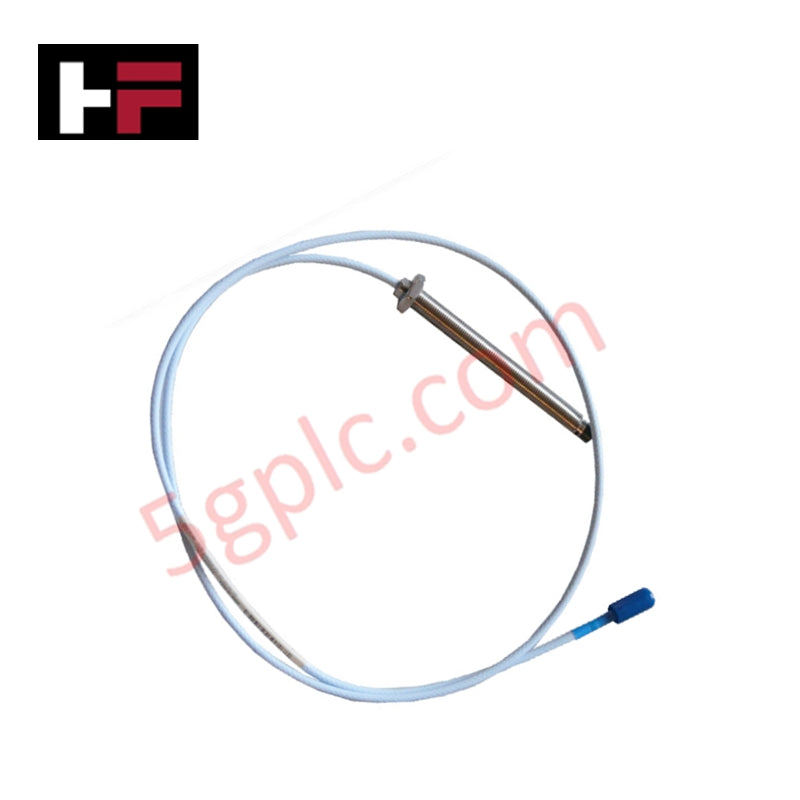
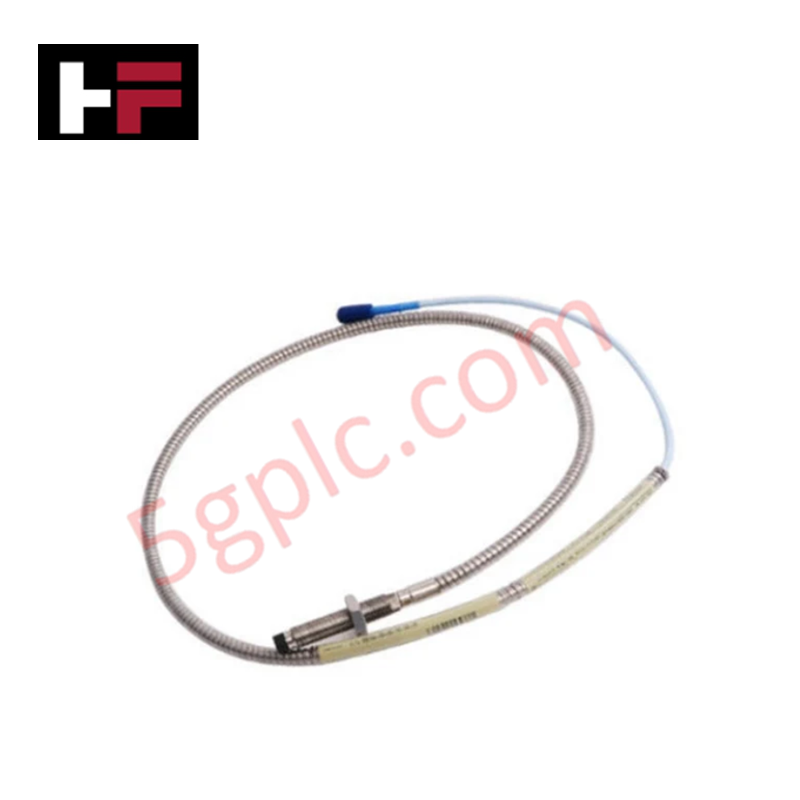
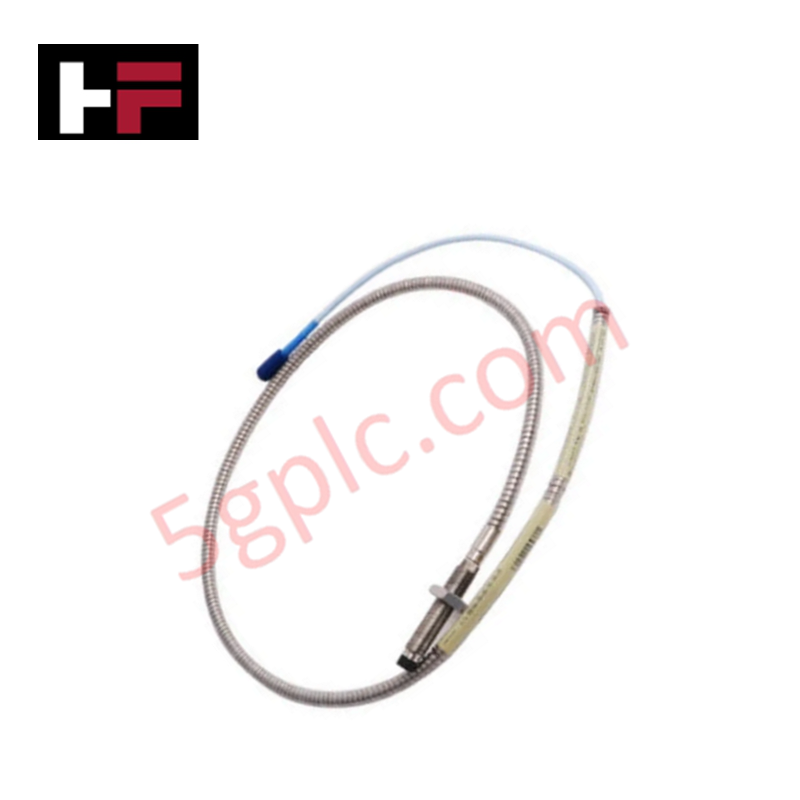
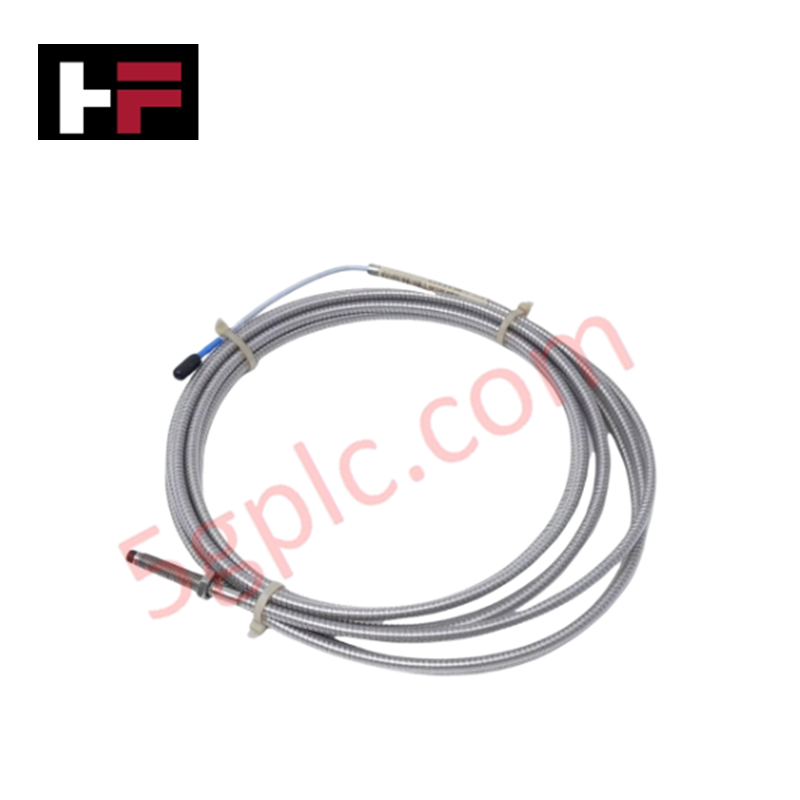
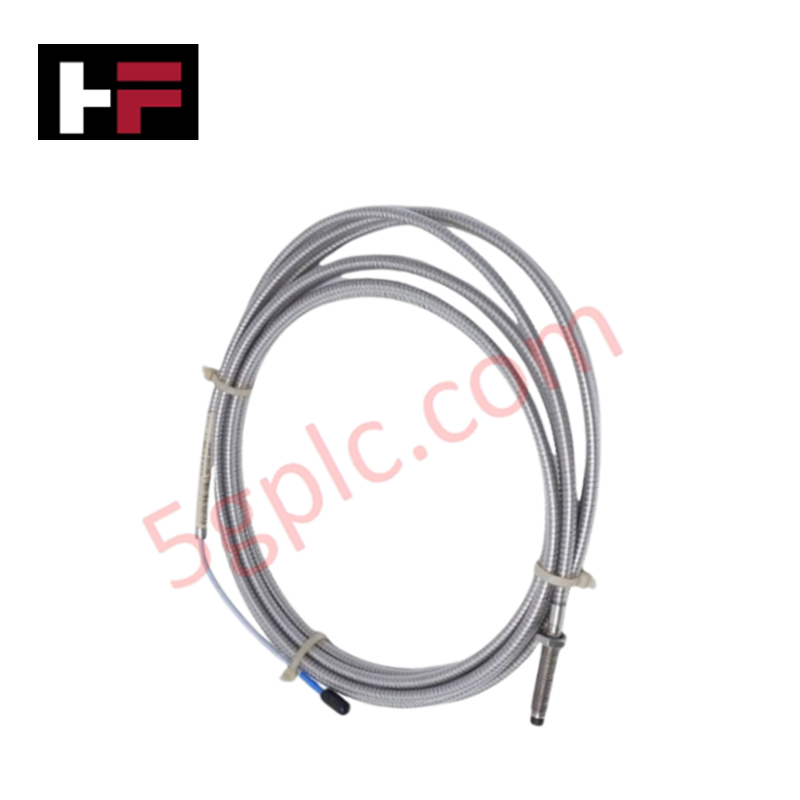
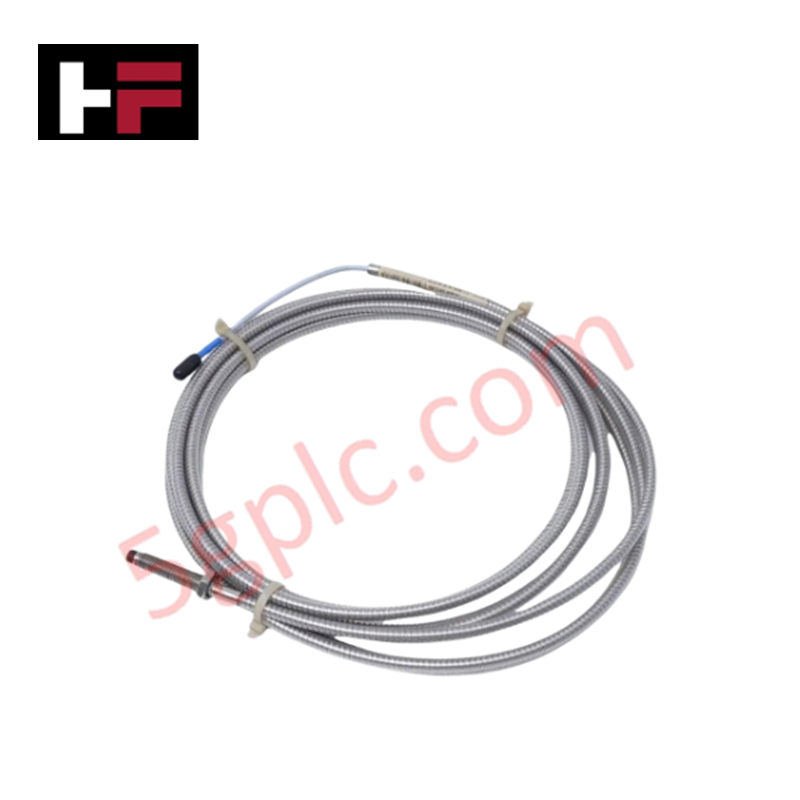
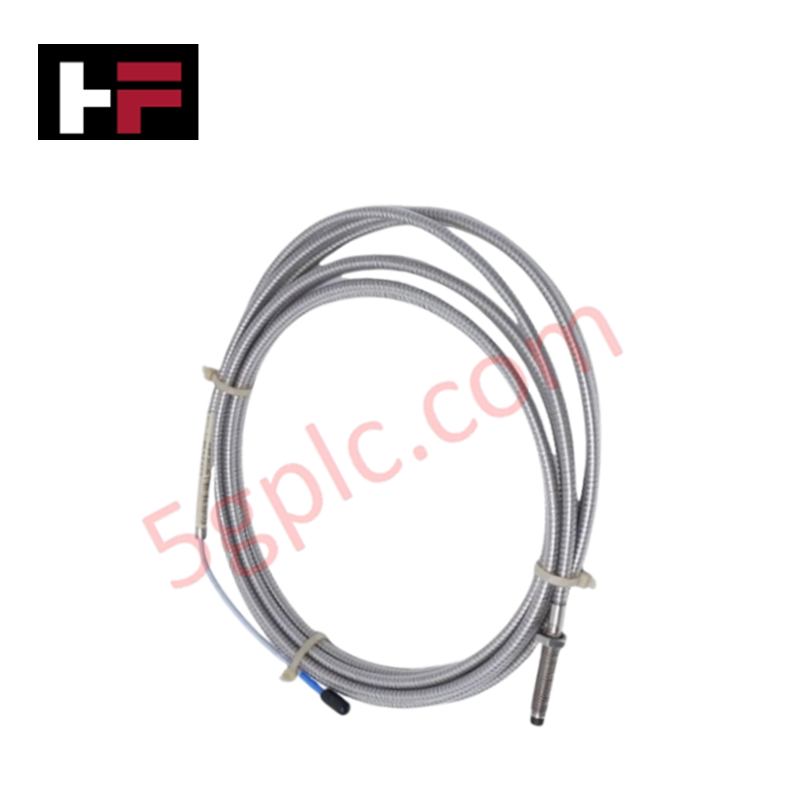
The 330105-02-12-05-02-RU is an 8 mm reverse mount proximity probe from Bently Nevada, engineered for non-contact vibration and position measurement in space-constrained industrial machinery. This unit features a 3/8-24 UNF thread size and a 0.5-meter cable length terminated with a miniature coaxial ClickLoc connector. It delivers precise monitoring data in tight installation environments where clearance behind the probe is limited.
Electrical and Measurement Performance
This proximity probe provides a sensitivity of 7.87 V/mm (200 mV/mil) across a linear range of 0.25 to 2.28 mm (10 to 90 mils). It supports an overall measurement range from 0 to 2 mm with a frequency response spanning from 0 to 10 kHz. These performance parameters ensure accurate tracking of shaft vibration and rotor position in high-speed rotating equipment.
Environmental and Physical Specifications
Designed to operate in demanding industrial settings, the sensor functions within an ambient temperature range of -35 °C to 120 °C (-31 °F to 248 °F). The unit weighs 90 grams and is manufactured in the USA. The RU suffix indicates that specific hazardous area agency approvals are not required for this configuration.
| Parameter | Specification |
|---|---|
| Model | 330105-02-12-05-02-RU |
| Brand | Bently Nevada |
| Product Type | Reverse Mount Proximity Probe |
| Probe Tip Size | 8 mm |
| Thread Size | 3/8-24 UNF |
| Measurement Range | 0 to 2 mm (0 to 80 mils) |
| Sensitivity | 7.87 V/mm (200 mV/mil) |
| Linear Range | 0.25 to 2.28 mm (10 to 90 mils) |
| Frequency Response | 0 to 10 kHz |
| Operating Temperature | -35 deg C to 120 deg C (-31 deg F to 248 deg F) |
| Cable Length | 0.5 meter (1.6 feet) |
| Connector Type | Miniature Coaxial ClickLoc |
| Agency Approval | Not required (-RU) |
| Unit Weight | 90 g (3.2 oz) |
| Country of Origin | USA |
Installation Guide
- Screw the probe directly into the matching 3/8-24 UNF mounting hole in the machinery housing.
- Ensure the probe tip is positioned perpendicularly to the target shaft surface to maintain measurement linearity.
- Adjust the initial gap voltage to the recommended system level before securing the mechanical lock.
- Fasten the miniature coaxial ClickLoc connector to the extension cable leading to the monitoring system.
Frequently Asked Questions
Q: What is the main application advantage of this reverse mount probe?
A: It is specifically engineered for confined machinery layouts and tight installation locations where clearance behind the probe mounting point is limited.
Q: What are the thread size and connector type for this model?
A: It features a 3/8-24 UNF thread size and uses a miniature coaxial ClickLoc connector with a 0.5-meter standard cable.
Additional Information
- 100% Genuine Parts: All products are original and authentic, ensuring reliable industrial performance.
- 30-Day Refund Guarantee: Return any in-stock item within 30 days in original, unopened packaging for a full refund (excluding shipping and fees).
- 12-Month Warranty: Covers defects in materials or workmanship; excludes misuse, normal wear, or unauthorized modifications.
- Worldwide Shipping: We ship via USPS, UPS, FedEx, and DHL. Delivery times vary by country and may be subject to customs or import fees.
- Support & Contact: Technical and warranty assistance is available anytime. Contact us here: Contact.
- Purchase Guidance: Check product specifications and compatibility carefully before ordering to ensure proper application.
Tech & Buying Guide

Designing Robust SCADA Systems for Electrical Substation Automation
Electrical substation automation requires rigorous engineering standards to guarantee uninterrupted power distribution and grid stability. Therefore, control engineers must design supervisory control and data acquisition (SCADA) architectures with absolute precision. In my 15 years of commissioning power protection and substation automation systems, I have witnessed how meticulous SCADA design prevents catastrophic grid failures. Below, I outline the critical engineering practices required to build reliable substation SCADA solutions.

Demystifying Earthing, Grounding, and Bonding in Industrial Process Plants
Industrial automation networks, power distribution systems, and complex control loops rely heavily on proper grounding to maintain operational integrity. Therefore, control engineers and electrical specialists must thoroughly understand the distinctions between earthing, grounding, and bonding. In my 15 years of commissioning distributed control systems (DCS) and factory automation architectures, I have encountered numerous mysterious equipment failures caused by improper grounding practices. Below, I clarify these essential concepts and outline the industry standards governing industrial electrical safety.

Empowering Predictive Maintenance in PLC and SCADA Systems Through Maintenance Management
Industrial automation networks constantly generate vast streams of diagnostic data before major equipment failures occur. Therefore, integrating control systems with maintenance management platforms is essential for maximizing plant uptime. In my 15 years of commissioning programmable logic controllers (PLCs) and supervisory control and data acquisition (SCADA) networks, I have witnessed how raw alarms sit unnoticed in controller buffers. Bridging the gap between automation software and computerized maintenance management systems (CMMS) transforms early warning signals into actionable work orders. Below, I examine how this integration drives predictive maintenance across modern industrial facilities.