












Product Details
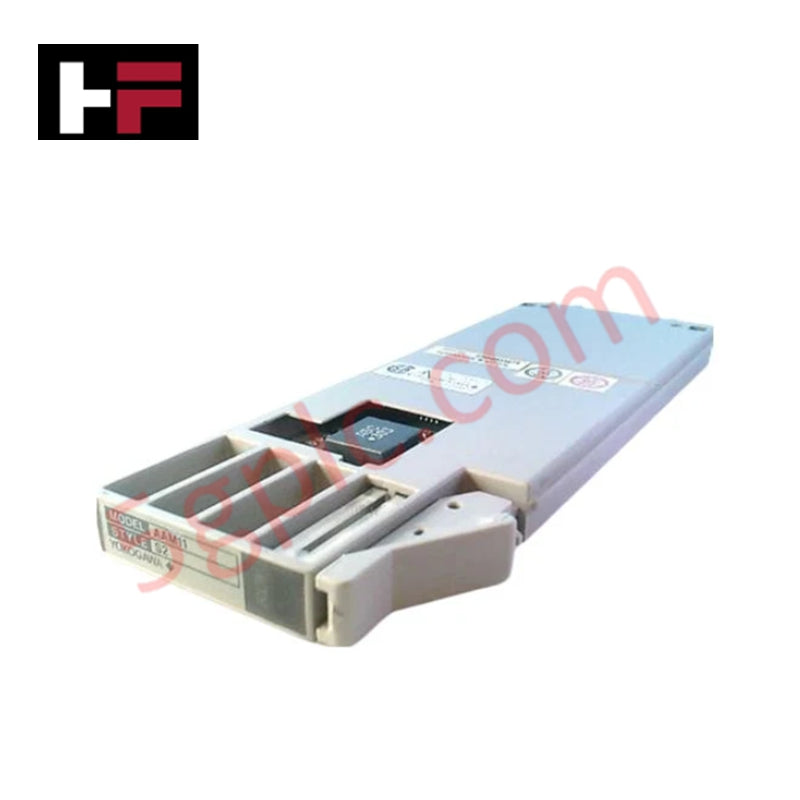
The Yokogawa AAM10 is a foundational analog input module engineered for the CENTUM CS 3000 and CENTUM CS 1000 distributed control systems. It serves as the critical bridge between field instrumentation and the control processor, converting standard analog signals into digital data for precise process monitoring. Designed to handle both current (4-20 mA) and voltage (1-5 V) inputs, the AAM10 is essential for accurately tracking variables such as pressure, temperature, and flow rates. Its rugged construction ensures reliable operation in harsh industrial environments, making it a staple in oil and gas, power generation, and chemical processing plants.
Technical Specifications
The AAM10 is built to deliver high-performance signal conversion in a compact, durable form factor.
| Parameter | Specification |
|---|---|
| Product Type | Analog Input Module (Current/Voltage) |
| Model Number | AAM10 |
| Style | STYLE 1 |
| Compatible Systems | CENTUM CS 3000, CENTUM CS 1000 |
| Input Signal Types | Current (4-20 mA) and Voltage (1-5 V) |
| Functionality | Analog-to-Digital Conversion |
| Dimensions | 3.0" x 1.0" x 7.0" (7.6 cm x 2.5 cm x 17.8 cm) |
| Weight | 0.1 kg (4.0 oz) |
Model Code Interpretation
For Yokogawa modules, the suffix code is critical as it defines the specific communication protocol support and physical interface.
Part Number: AAM10
AAM10-AXX
-
A (Base Model): The standard AAM10 typically supports standard analog inputs.
-
Suffix Variations (e.g., AAM10B):
-
-B: Often denotes support for the BRAIN protocol, allowing for digital communication with intelligent field devices.
-
-S1 / -S2: These suffixes usually indicate specific hardware revisions or regional specifications.
-
Note: Always verify the specific suffix on the module label to ensure it meets the communication protocol requirements of your field devices (Standard Analog vs. BRAIN Protocol).
Installation and Wiring Guidelines
To ensure accurate signal acquisition and system stability, follow these installation practices:
-
Carrier Compatibility: The AAM10 is designed to mount into specific I/O carrier boxes (such as the AAM series carriers). Ensure the module is fully inserted into the slot and the locking mechanism is engaged to secure the connection to the backplane.
-
Signal Configuration:
-
Current Input (4-20 mA): Ensure the loop polarity is correct. The module typically provides a 250 Ω input impedance for current signals.
-
Voltage Input (1-5 V): When wiring for voltage, ensure the input impedance (typically 1 MΩ) is accounted for in your load calculations.
-
Wiring Connections: Use shielded twisted-pair cables to minimize electromagnetic interference (EMI). Connect the shield to the ground terminal at the cabinet end to prevent noise from affecting the analog-to-digital conversion accuracy.
-
Environmental Limits: Install the module in a control cabinet that maintains an ambient temperature within the standard industrial range to prevent overheating.
Frequently Asked Questions (FAQ)
Q: What is the primary function of the AAM10?
A: The AAM10 acts as an analog input interface. It accepts standard industrial signals (4-20 mA or 1-5 V) from field transmitters and converts them into digital data that the CENTUM control system can process.
Q: Can the AAM10 handle both current and voltage inputs?
A: Yes, the module is configurable. It can be set up to accept either 4-20 mA current signals or 1-5 V voltage signals, providing flexibility for different sensor types.
Q: Is the AAM10 compatible with CENTUM VP?
A: The AAM10 is primarily designed for CENTUM CS 3000 and CENTUM CS 1000 systems. While some hardware is backward compatible, you should verify the specific I/O bus compatibility if attempting to use it in a CENTUM VP system.
Q: What is the difference between AAM10 and AAM10B?
A: The standard AAM10 is typically used for standard analog signals. The AAM10B version usually includes support for the BRAIN protocol, which allows for digital communication and diagnostics with intelligent Yokogawa field devices.
Additional Information
- 100% Genuine Parts: All products are original and authentic, ensuring reliable industrial performance.
- 30-Day Refund Guarantee: Return any in-stock item within 30 days in original, unopened packaging for a full refund (excluding shipping and fees).
- 12-Month Warranty: Covers defects in materials or workmanship; excludes misuse, normal wear, or unauthorized modifications.
- Worldwide Shipping: We ship via USPS, UPS, FedEx, and DHL. Delivery times vary by country and may be subject to customs or import fees.
- Support & Contact: Technical and warranty assistance is available anytime. Contact us here: Contact.
- Purchase Guidance: Check product specifications and compatibility carefully before ordering to ensure proper application.


Tech & Buying Guide

Step-by-Step System Cabinet Health Check Guide for PLC and DCS Infrastructure

Top 5 Operational Advantages of HMIs in Modern Factory Automation
