












Product Details
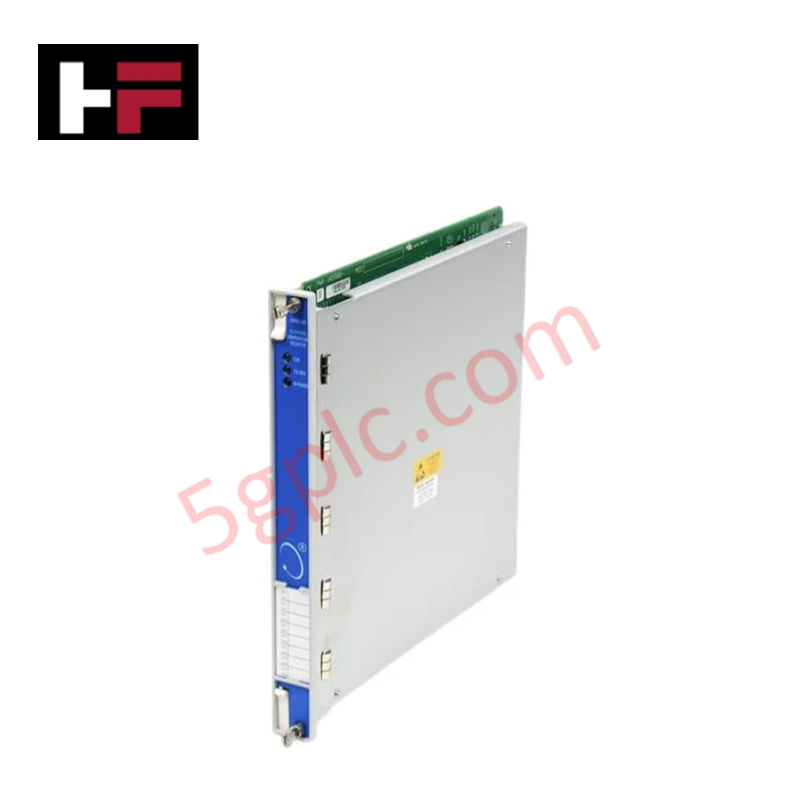
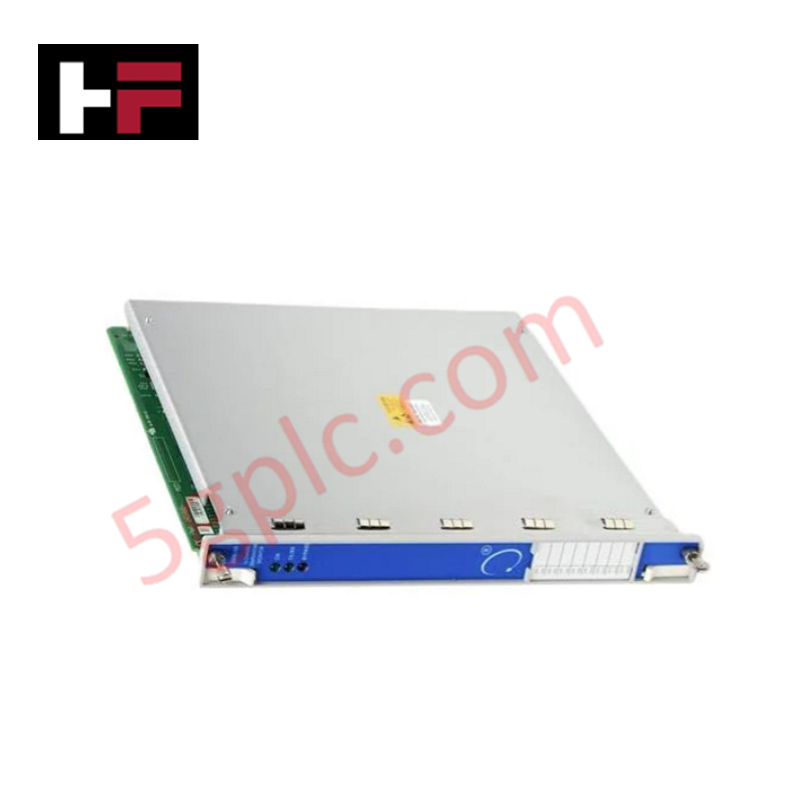
The Honeywell 9007-006, also cataloged as the 9007 DMCS Communications Card Board, operates as a dedicated hardware component for multi-protocol serial and Ethernet data exchange within Series 9000 Controller networks. This interface board establishes deterministic data flow between the controller CPU and auxiliary industrial hardware, including computers and external field controllers. It integrates serial physical layers and network ports to execute serial-to-ethernet message conversion across industrial links.
Hardware Specifications
| Parameter | Specification |
|---|---|
| Model | 9007-006 |
| Brand | Honeywell |
| Origin | USA |
| Weight | 0.56 kg (1.24 lbs) |
| Dimensions | Standard Series 9000 slot card dimensions |
| Operating Temp | 0 to 60 deg C |
| Power Consumption | Standard backplane power allocation |
| Physical Interfaces | 2x RS-232 ports, 1x RS-485 port, 1x Ethernet port |
| Protocol Support | Modbus RTU, Modbus TCP/IP |
| System Compatibility | Series 9000 Controllers with DMCS Option |
4-20 mA HART Loop Protocol & DCS Connectivity
The Honeywell 9007-006 processes asynchronous serial and network streams while maintaining galvanic channel-to-channel isolation across the internal backplane bus interface. Designed for hybrid DCS control structures, the communications board routes digital values derived from 4-20 mA HART loop protocol concentrators and field devices into the main Series 9000 database. The hardware enforces signal filtering and buffer management on RS-232 and RS-485 interfaces to eliminate line noise and common-mode transient interference during continuous packet transmission.
Frequently Asked Questions
Q: Can the RS-232 and RS-485 ports on the 9007-006 operate simultaneously with Modbus RTU?
A: Yes, the onboard communication logic manages concurrent serial traffic across the dual RS-232 ports and the single RS-485 port without causing buffer overflow or frame collisions on the controller backplane.
Q: Is hot-swapping permitted for the 9007-006 card during controller operation?
A: Insertion or extraction of the communication card should only occur when the card rack slot is de-energized or set to a stopped state to prevent transient bus errors on the Series 9000 backplane.
Field Installation Guidelines
- Verify that power to the controller rack is fully shut off before seating the 9007-006 card into the targeted Series 9000 backplane slot.
- Use shielded twisted-pair (STP) cabling for all RS-485 connections and terminate the shield directly to protective earth at one end only.
- Ensure all RS-232 cabling lengths do not exceed 15 meters (50 feet) to prevent baud rate attenuation and signal degradation.
- Maintain clear physical separation between communication lines and high-voltage AC power wiring inside the panel wireways to suppress electromagnetic interference.
Additional Information
- 100% Genuine Parts: All products are original and authentic, ensuring reliable industrial performance.
- 30-Day Refund Guarantee: Return any in-stock item within 30 days in original, unopened packaging for a full refund (excluding shipping and fees).
- 12-Month Warranty: Covers defects in materials or workmanship; excludes misuse, normal wear, or unauthorized modifications.
- Worldwide Shipping: We ship via USPS, UPS, FedEx, and DHL. Delivery times vary by country and may be subject to customs or import fees.
- Support & Contact: Technical and warranty assistance is available anytime. Contact us here: Contact.
- Purchase Guidance: Check product specifications and compatibility carefully before ordering to ensure proper application.




Tech & Buying Guide

Understanding VFD Mechanical Brake Logic and Control in Industrial Automation
Variable Frequency Drives (VFDs) play a crucial role in modern industrial automation by controlling motor speed, torque, and acceleration. However, high-inertia loads and vertical lifting systems require precise mechanical braking logic to ensure operational safety and prevent equipment damage.

Why Programmable Logic Controllers Drop into Stop Mode: An Expert Analysis
Industrial automation systems rely heavily on Programmable Logic Controllers (PLCs) to maintain uninterrupted production. When a PLC unexpectedly shifts from Run to Stop mode, whole manufacturing lines stall.
As control systems evolve across modern factory automation, understanding the root causes of these interruptions helps engineers minimize costly downtime. This technical guide breaks down why PLCs trip into Stop mode and provides practical strategies to mitigate system faults.

Understanding Root Causes of Unplanned PLC Stop Mode in Industrial Automation
Modern Programmable Logic Controllers manage execution through distinct operational states: Run, Stop, Start-Up, and Hold. During power-up, a controller initializes memory registers within Stop mode before briefly transitioning to Start-Up mode. During this phase, internal self-diagnostics evaluate system integrity across hardware and user programs. If the controller detects no critical faults, it enters Run mode to execute the control program continuously. However, any severe system anomaly forces the CPU back into Stop mode immediately to prevent erratic machine behavior across the plant floor.