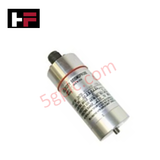
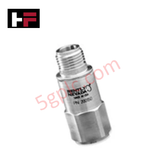
Product Details
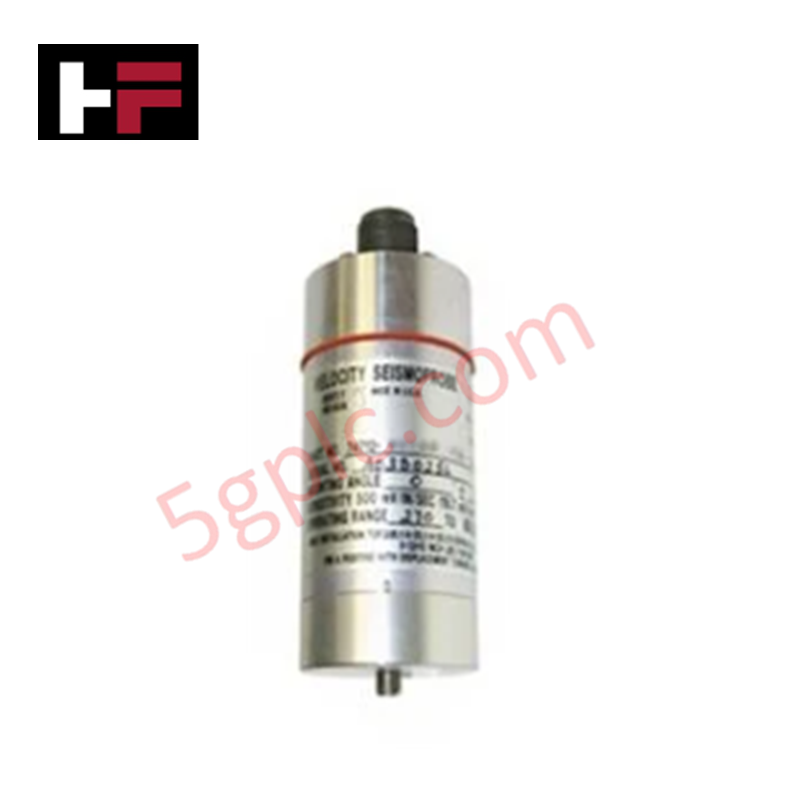
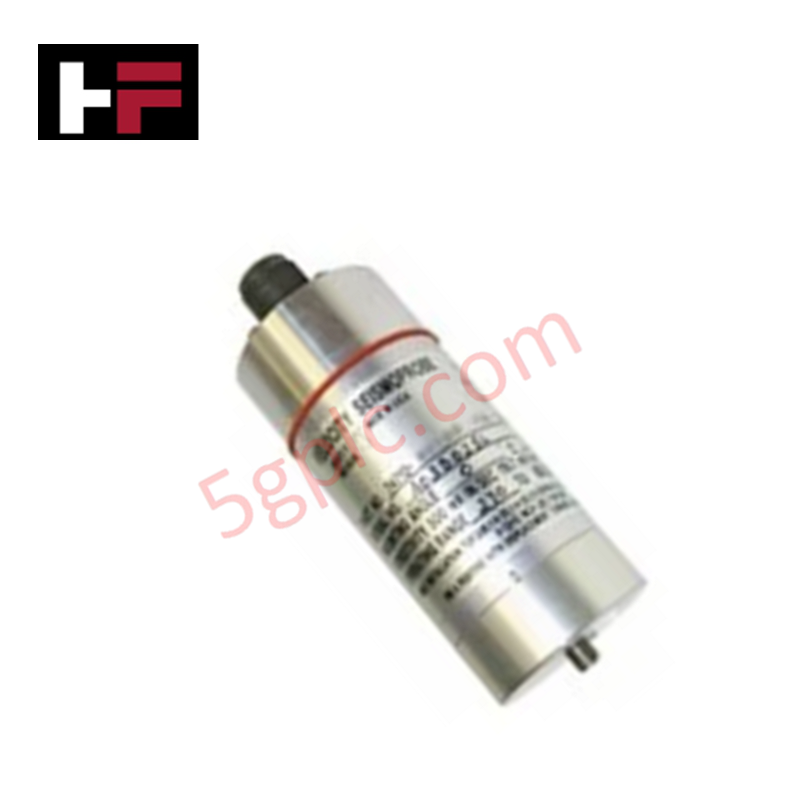
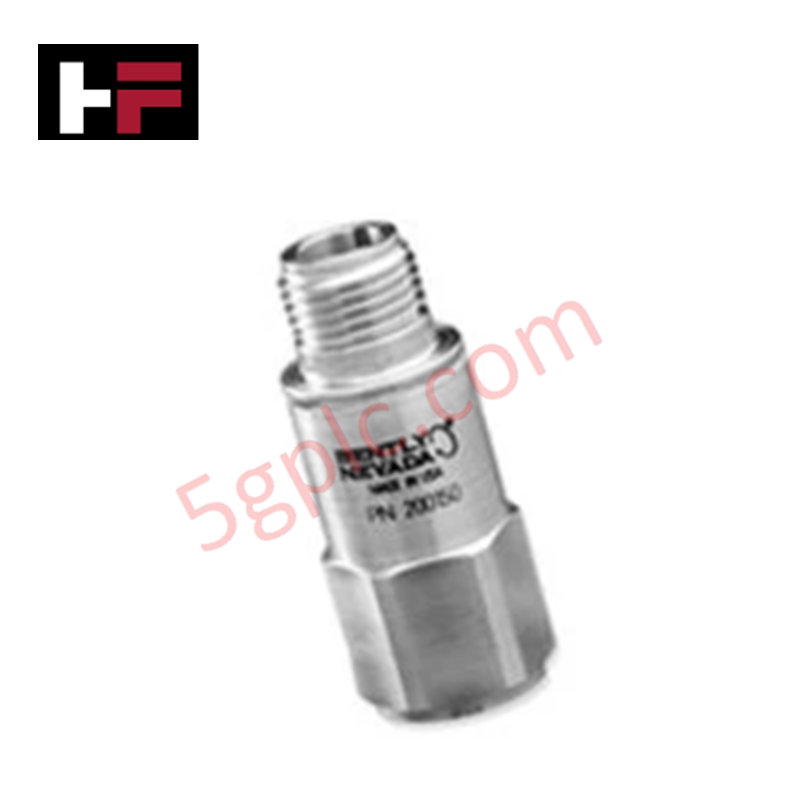
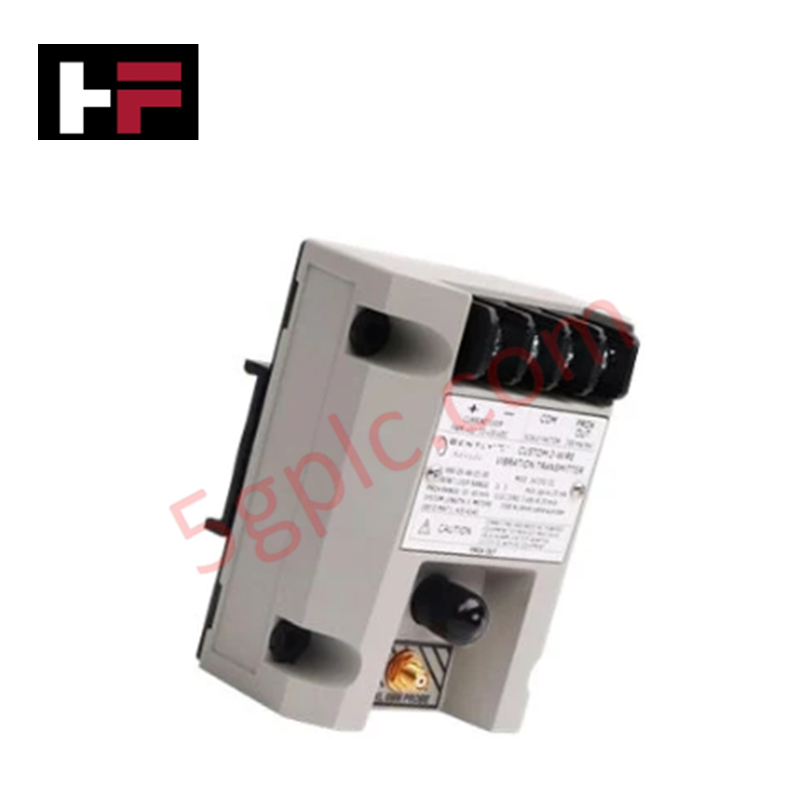
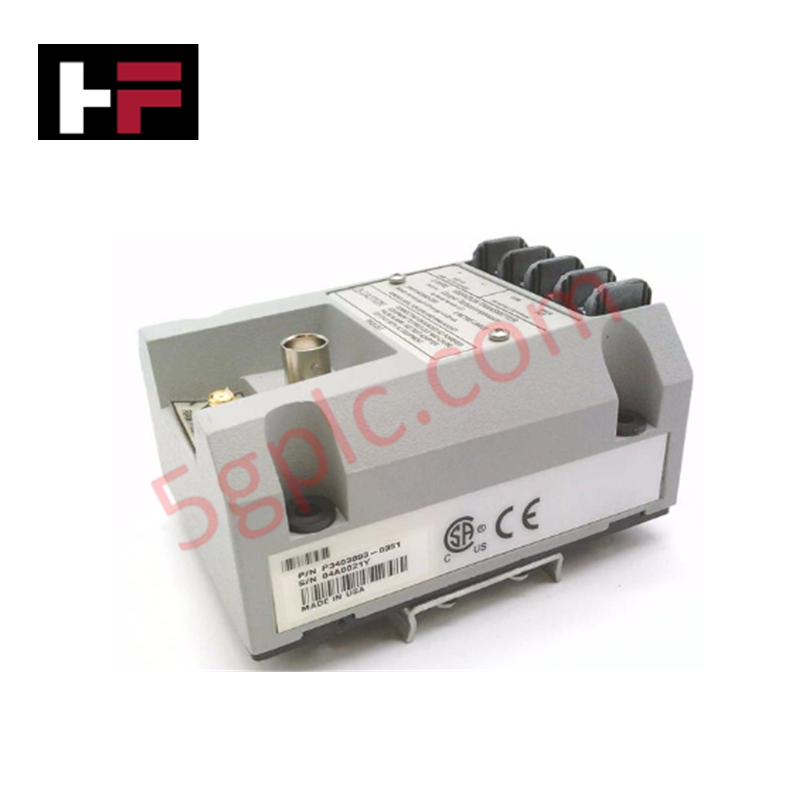
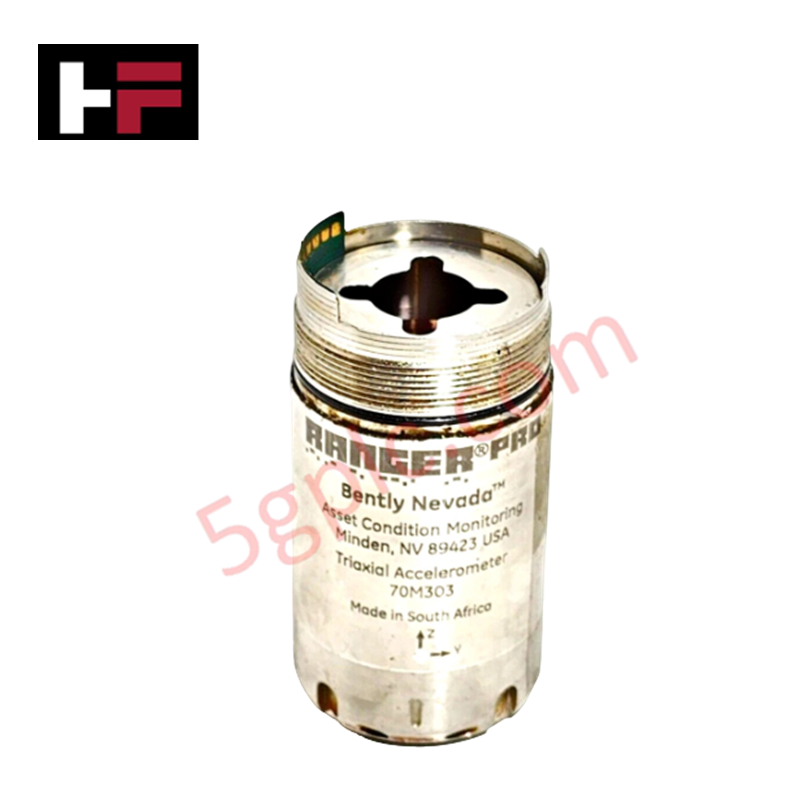
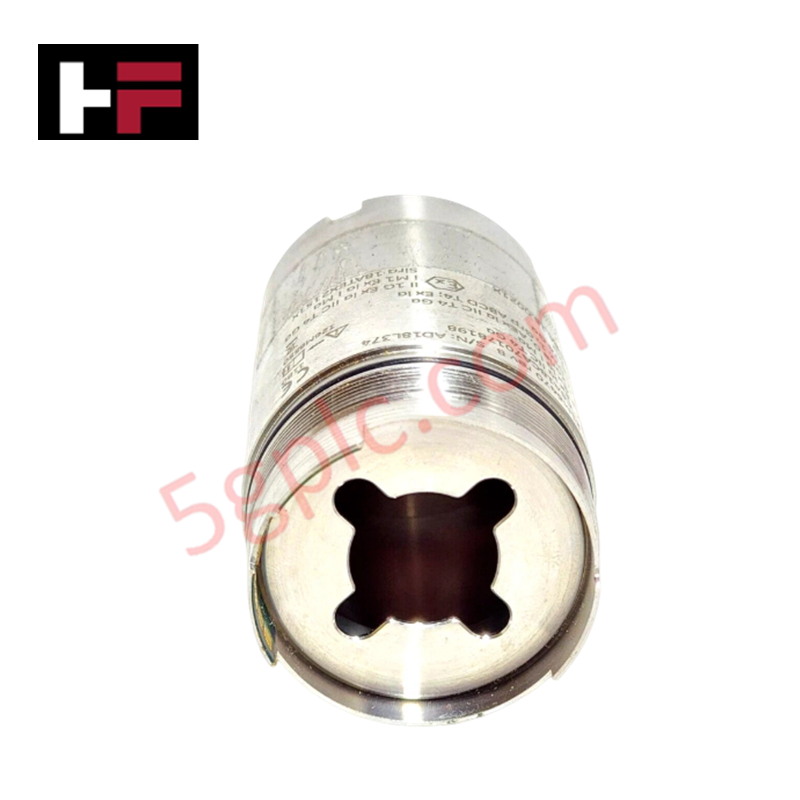
Configured for direct dynamic vibration measurement in extreme-temperature turbomachinery environments, the Bently Nevada 74712-01-02-02-00 (74712 High-Temperature Two-Wire Transducer) provides direct physical/electrical execution.
Suffix Breakdown & Model Matrix
| Option Field | Code | Configuration Detail |
|---|---|---|
| Mounting Angle / Min Freq | 01 | 0 +/-2.5 deg mounting orientation, 4.5 Hz (270 cpm) minimum operating frequency |
| Mounting Base | 02 | Standard mounting base threaded stud option |
| Connector | 02 | Top-mount integral 2-pin connector interface |
| Agency Approval | 00 | No hazardous area approvals required |
Hardware Specifications
| Parameter | Specification |
|---|---|
| Model | 74712-01-02-02-00 |
| Brand | Bently Nevada |
| Origin | USA |
| Weight | 0.48 kg |
| Dimensions | 41 mm (1.6 in) diameter x 102 mm (4 in) height |
| Operating Temp | -29 deg C to +204 deg C (-20 deg F to +400 deg F) |
| Power Consumption | Loop-powered via 2-wire dynamic vibration transmitter circuit |
| Frequency Response | Minimum operating frequency down to 4.5 Hz (270 cpm) |
| Orientation | Vertical mounting (0 +/-2.5 deg) |
| Interface Connector | Top-mount 2-pin connector |
Rotor Dynamics Analysis and Cross-Talk Suppression
The 74712 transducer integrates moving-coil velocity sensing architecture tailored for high-temperature machine casings where standard solid-state electronics fail. Internal damping and mechanical tuning ensure linear velocity output down to 4.5 Hz, delivering accurate signal tracking for low-speed shaft unbalance and overall rotor dynamics monitoring. High internal signal-to-noise ratios enable clean differential transmission over long 2-wire field cabling runs, preserving signal integrity and maintaining robust cross-talk suppression between adjacent radial and axial measurement channels.
Frequently Asked Questions
Q: How does the 01 option code restrict physical orientation during mounting?
A: Option 01 configures the internal spring suspension for vertical installation, requiring the transducer axis to remain within 0 +/-2.5 deg of vertical to operate at its 4.5 Hz minimum frequency specification.
Q: What thermal limits must be observed during high-temperature field operation?
A: The transducer housing withstands continuous ambient operating and storage temperatures ranging from -29 deg C to +204 deg C without thermal degradation.
Field Installation Guidelines
- Inspect the mounting surface to ensure a clean, flat face free of metal burrs or paint build-up.
- Torque the transducer mounting stud to standard engineering specifications to prevent mechanical resonance shifts.
- Verify that the transducer vertical axis remains within +/-2.5 deg of true vertical alignment.
- Connect the top-mount 2-pin cable connector, ensuring the locking ring is securely engaged against operational vibration.
- Route high-temperature shielded cable through dedicated protective flexible conduit, grounding the shield at the monitoring panel end only.
Additional Information
- 100% Genuine Parts: All products are original and authentic, ensuring reliable industrial performance.
- 30-Day Refund Guarantee: Return any in-stock item within 30 days in original, unopened packaging for a full refund (excluding shipping and fees).
- 12-Month Warranty: Covers defects in materials or workmanship; excludes misuse, normal wear, or unauthorized modifications.
- Worldwide Shipping: We ship via USPS, UPS, FedEx, and DHL. Delivery times vary by country and may be subject to customs or import fees.
- Support & Contact: Technical and warranty assistance is available anytime. Contact us here: Contact.
- Purchase Guidance: Check product specifications and compatibility carefully before ordering to ensure proper application.


Tech & Buying Guide

Voice-Activated Industrial Automation: Integrating Speech Control into PLC and DCS Architectures
Industrial automation integrates speech recognition, IIoT protocols, and NLP with PLCs and DCS to streamline operations. By leveraging advanced edge computing, engineers enable real-time, hands-free control—allowing personnel to manage smart factory processes safely away from hazardous equipment.
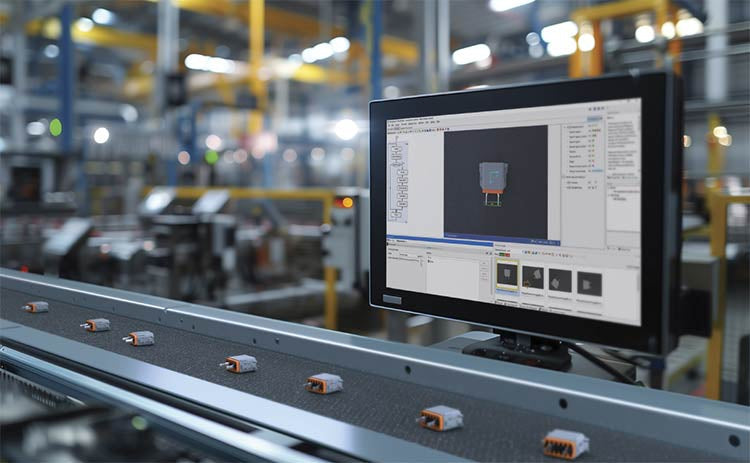
Modern Industrial Automation: Transforming Safety and Efficiency in Mining Operations
Industrial automation has evolved from a simple manufacturing tool into the operational backbone of high-risk sectors. Modern mining operations increasingly rely on advanced control systems, programmable logic controllers (PLCs), distributed control systems (DCS), and artificial intelligence to address deep-underground hazards. By replacing manual labor in high-risk zones, factory automation technologies protect personnel while significantly boosting operational throughput.