










Product Details
Product Overview
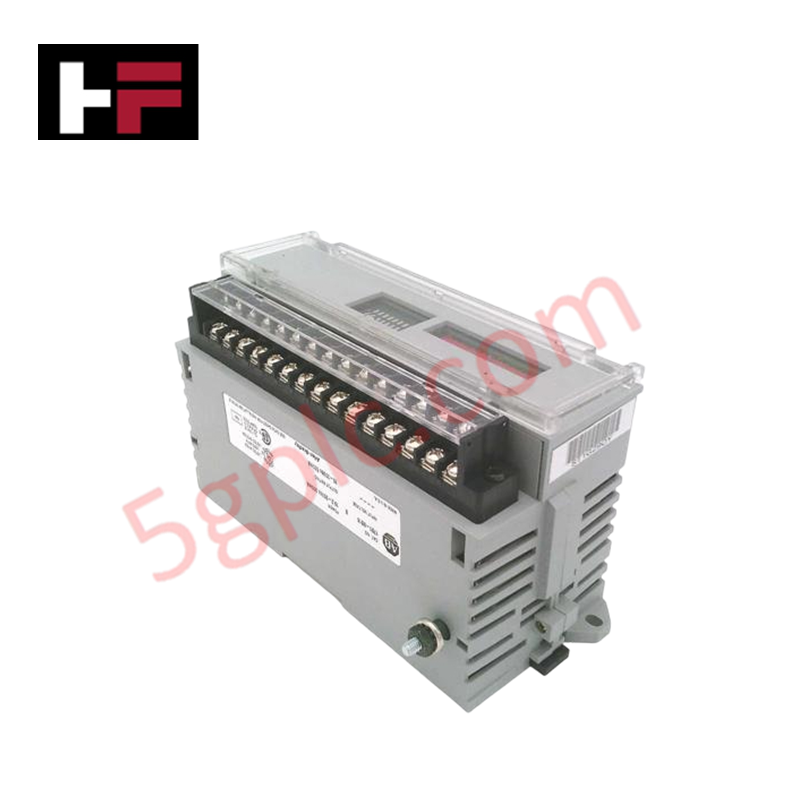
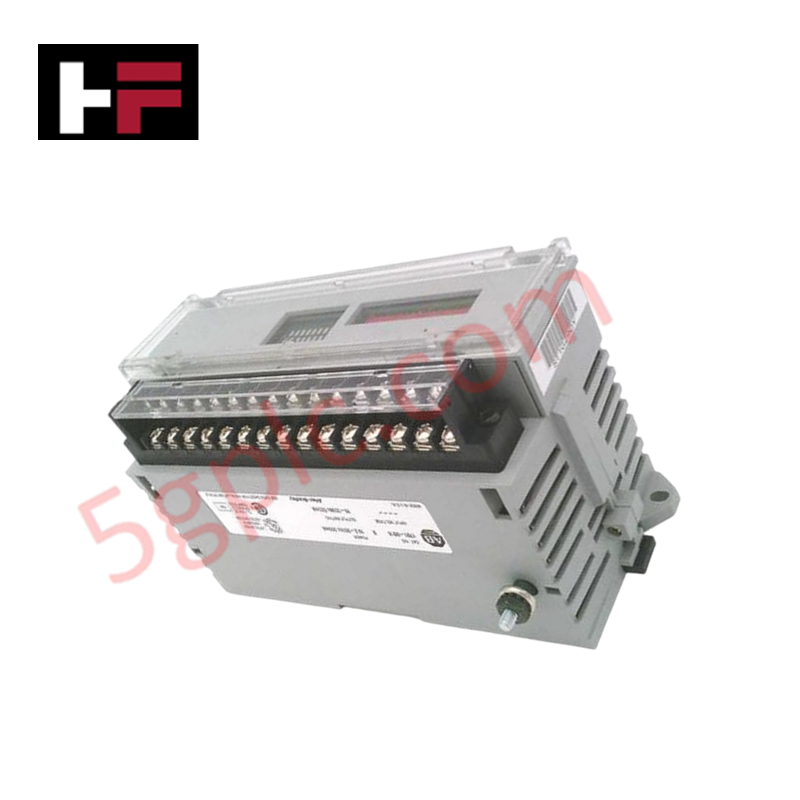
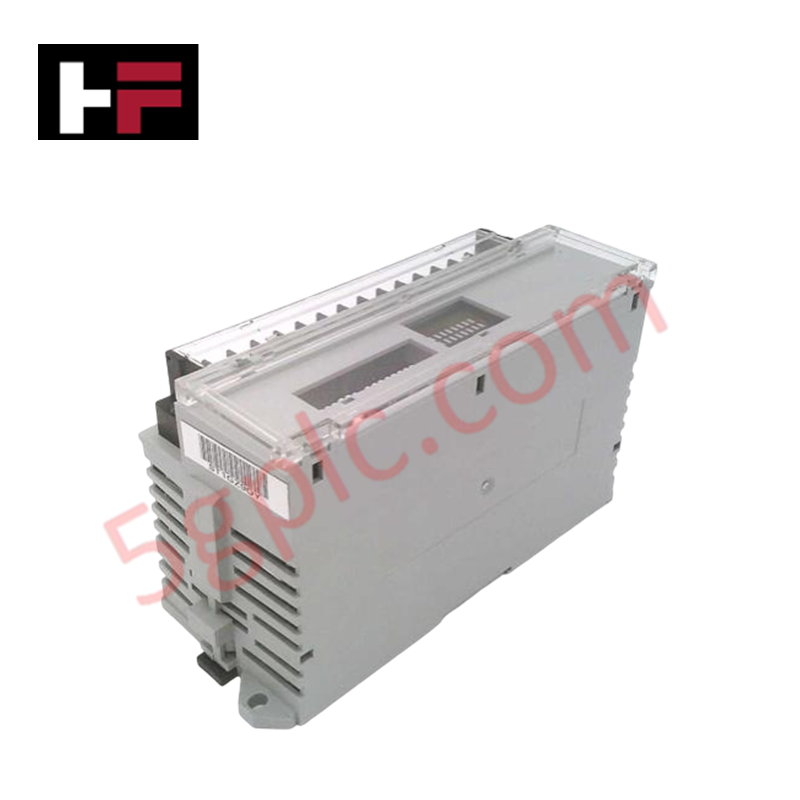
The Allen Bradley 1791-OB16 functions as a self-contained, high-density digital output interface for distributed control systems. This 24V DC Block I/O module manages sixteen independent outputs, allowing for efficient control of solenoids, actuators, and motor starters without the need for a traditional I/O chassis. We supply this unit as 100% Brand New original stock, ensuring factory-spec performance for legacy Remote I/O (RIO) network extensions.
Technical Specifications
The 1791-OB16 provides high-speed switching capabilities within a ruggedized standalone footprint.
| Feature | Specification |
| Manufacturer | Allen Bradley (Rockwell Automation) |
| Output Type | 24V DC Digital Output (Source) |
| Number of Outputs | 16 Outputs |
| Output Voltage Range | 10–30V DC |
| External DC Power | 19.2–30V DC |
| Nominal Voltage | 24V DC |
| Max. Output Current | 500 mA (Vertical) / 250 mA (Horizontal) |
| Isolation Voltage | 500V AC (Tested) |
| Communication | Universal Remote I/O (RIO) |
| Operating Temperature | 0°C to 60°C (32°F to 140°F) |
| Weight | 1.19 lbs (0.54 kg) |
Engineering Advantages
-
Space-Saving Standalone Design: The 1791-OB16 integrates the network adapter and the I/O interface into a single compact block. This eliminates the overhead of a separate power supply and chassis, drastically reducing the required enclosure depth and DIN rail length in remote terminal boxes.
-
Thermal Management Flexibility: The module supports both vertical and horizontal mounting. By adjusting the installation orientation, engineers can optimize airflow within the cabinet. Vertical mounting allows for higher current density (500 mA per output), maximizing the module's load-handling capability.
-
Superior Signal Isolation: Integrated 500V AC isolation protects the internal RIO communication logic from field-side voltage spikes and ground loops. This hardware barrier ensures that electrical noise on the 24V DC load circuit does not corrupt the data transmission back to the PLC-5 or SLC 500 controller.
-
Low-Leakage Precision: A maximum off-state leakage current of just 0.5 mA prevents "ghost" activation of sensitive field devices. This ensures that low-current indicators and high-impedance relays de-energize reliably when the PLC sends the "OFF" command.
FAQs
-
Can I use the 1791-OB16 with an SLC 500 or PLC-5 processor?
Yes. The 1791-OB16 communicates via the Universal Remote I/O (RIO) protocol. Any controller equipped with an RIO scanner port (such as a PLC-5 or an SLC 5/02 with a 1747-SN module) can address this block as a standard remote I/O rack.
-
Does the mounting orientation affect the output current rating?
Yes. Heat dissipation efficiency changes based on orientation. Vertical mounting supports up to 500 mA per output, while horizontal mounting limits the current to 250 mA per output to prevent internal overheating. Always design your thermal budget based on the intended mounting position.
-
What is the purpose of the External DC Power requirement?
The 19.2–30V DC external power input drives the output circuitry and provides the necessary voltage for the field devices. The communication link (RIO) requires this power to be stable to ensure the module remains visible on the network and maintains its output states.
-
How do I set the address for this module on the RIO network?
You configure the RIO station address and baud rate via internal DIP switches. As a 100% Brand New original unit, it arrives with factory default settings; you must set these switches to match your network configuration before applying power to the system.
Additional Information
- 100% Genuine Parts: All products are original and authentic, ensuring reliable industrial performance.
- 30-Day Refund Guarantee: Return any in-stock item within 30 days in original, unopened packaging for a full refund (excluding shipping and fees).
- 12-Month Warranty: Covers defects in materials or workmanship; excludes misuse, normal wear, or unauthorized modifications.
- Worldwide Shipping: We ship via USPS, UPS, FedEx, and DHL. Delivery times vary by country and may be subject to customs or import fees.
- Support & Contact: Technical and warranty assistance is available anytime. Contact us here: Contact.
- Purchase Guidance: Check product specifications and compatibility carefully before ordering to ensure proper application.
Tech & Buying Guide

PLC and DCS Control System Spares Strategy: Engineering Guidelines
Industrial automation lifecycle management requires robust spare parts planning for Programmable Logic Controller (PLC) and Distributed Control System (DCS) platforms. Plant engineers must correctly categorize spare components during front-end engineering design to maintain high system availability. Miscalculating spare requirements can lead to prolonged unscheduled downtime, project budget overruns, or delayed site commissioning.

Wellhead Control Panel (WHCP) Architecture in Oil and Gas Automation
Upstream oil and gas operations rely on specialized field control platforms to manage wellhead extraction safety and hydraulic actuation. A Wellhead Control Panel (WHCP) serves as a dedicated hydraulic and pneumatic power unit designed to operate critical Christmas Tree isolation valves. By interfacing field safety components directly with Programmable Logic Controller (PLC) architecture, a WHCP protects upstream extraction assets against overpressure, catastrophic leaks, and thermal emergencies.

Understanding Marshalling Cabinets in Industrial Control Systems Architecture
Industrial control system deployments rely on structured signal distribution to bridge field instrumentation with central processing hardware. A marshalling cabinet serves as the vital intermediate connection point between heavy field home-run multi-pair cables and delicate input/output (I/O) modules housed inside Programmable Logic Controller (PLC) or Distributed Control System (DCS) enclosures. By segregating field cable terminations from control hardware, engineers maintain system flexibility, safeguard controller components, and streamline commissioning workflows.