Understanding Instrumentation Control Systems in Modern Industrial Automation
- 〡
- 〡 द्वारा WUPAMBO
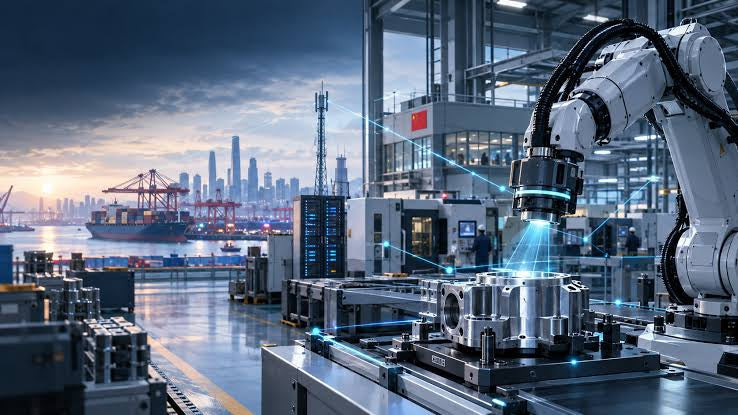
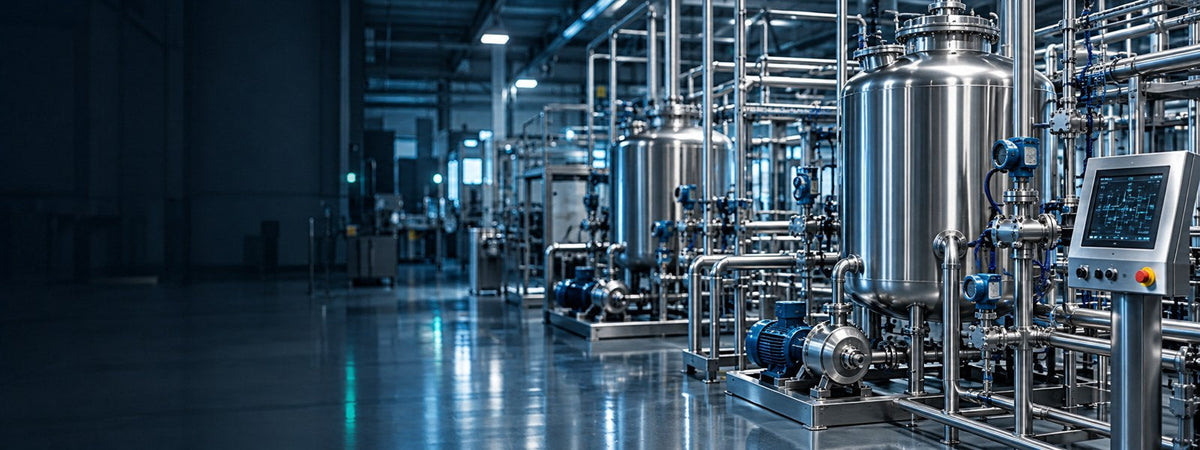
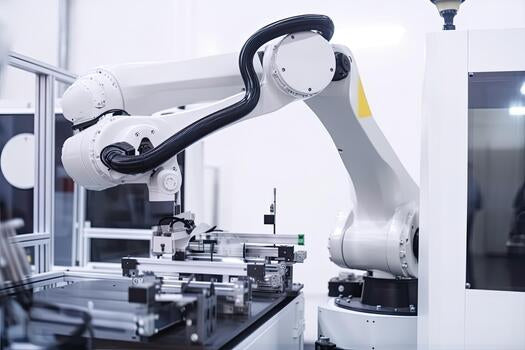
An instrumentation control system (ICS) serves as the central nervous system of modern manufacturing plants and processing facilities. Engineers classify these setups as Electrical, Electronic, or Programmable Electronic Systems (E/E/PES). In practice, an ICS bridges the physical world of industrial machinery with digital decision-making tools. Therefore, understanding its architecture is essential for anyone working in factory automation, process control, or plant safety.
Core Functions of Industrial Control Systems
An effective instrumentation control system manages daily plant operations while keeping personnel and equipment safe. Specifically, these systems execute six primary tasks across a facility:
- Data Acquisition: Sensors continuously monitor, record, and log real-time plant status and critical process parameters.
- Operator Visualization: Control rooms display clear operational data, enabling engineers to assess system health at a glance.
- Manual Intervention: Operators use dedicated interfaces to adjust setpoints and modify plant operating states directly.
- Automated Regulation: Controllers execute continuous process control and batch sequences during startup, normal runs, and shutdowns.
- Hazard Mitigation: Safety loops detect abnormal conditions early and trigger automatic shutdowns to prevent catastrophic failures.
- Interlock Protection: Logic barriers block unsafe manual or automated commands that could push equipment past safe limits.
Key Architectural Components of an ICS
To accomplish these tasks, engineers integrate several specialized subsystems. Depending on facility size, these elements may operate independently or share a unified network infrastructure.
Human-Machine Interface (HMI)
The Human-Machine Interface connects plant operators to underlying control processes. Modern control rooms rely on high-resolution graphic terminals, mimic panels, and audible alarms. Consequently, operators can spot process deviations quickly and intervene using keyboards, touchscreens, or physical pushbuttons.
Plant Interface and Field Devices
The plant interface handles direct physical interactions with the manufacturing process. Input devices—such as pressure transmitters, thermocouples, and flow meters—measure raw physical variables. In turn, output devices like control valves and variable frequency drives (VFDs) execute physical adjustments. Robust communication networks tie these field devices together using copper wiring, fiber optics, HART protocols, or industrial Fieldbus standards. Moreover, intrinsic safety barriers and trip amplifiers protect sensitive electronics in hazardous zones.
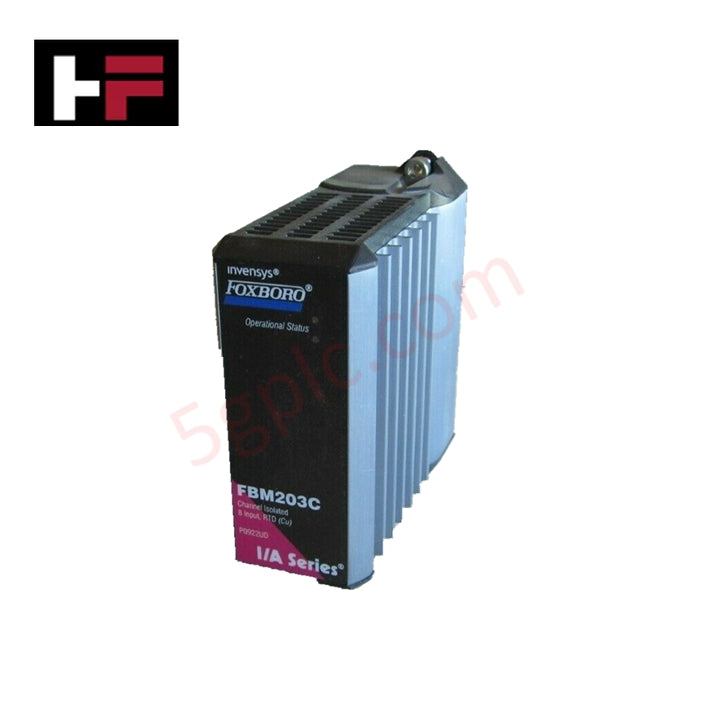
Logic Controllers: PLC, DCS, and SCADA
Logic elements act as the brain of the instrumentation control system. Engineers select specific platforms based on process complexity and speed requirements:
- Programmable Logic Controllers (PLCs): Platforms like Siemens SIMATIC or Rockwell ControlLogix excel at high-speed discrete manufacturing and machine control.
- Distributed Control Systems (DCS): Solutions such as Emerson DeltaV or Honeywell Experion manage complex, continuous processes in oil, gas, and chemical plants.
- SCADA Systems: Supervisory Control and Data Acquisition software aggregates data across geographically dispersed assets like pipelines and power grids.
Furthermore, modern smart instruments increasingly embed local logic directly inside sensors and actuators. As a result, field devices can perform self-diagnostics and basic control loops independently.
Utilities and Environmental Considerations
Even the most advanced control hardware fails without reliable support infrastructure and proper environmental protection. First, clean electrical power and dry instrument air keep pneumatic valves and electronic racks running smoothly. Therefore, facilities invest heavily in uninterruptible power supplies (UPS) and redundant air compressors.
Second, engineers must design enclosures to withstand harsh industrial environments. Control cabinets frequently face extreme temperatures, high humidity, corrosive vapors, and explosive atmospheres. In addition, electromagnetic interference (EMI) from heavy motors can corrupt low-voltage sensor signals. Thus, strict adherence to IEC 61508 and IEC 61511 functional safety standards ensures long-term system reliability.
Expert Commentary: The Evolution of ICS Architecture
Over the past fifteen years, I have commissioned dozens of brownfield upgrades across power generation and petrochemical facilities. While legacy pneumatic controllers still operate reliably in niche applications, the industry has decisively shifted toward fully digital, networked architectures.
However, this digital convergence introduces a critical challenge: cybersecurity. Connecting traditional OT (Operational Technology) networks to enterprise IT systems exposes PLCs and DCS networks to external threats. In my experience, plant managers often prioritize production uptime over network segmentation. Therefore, modern control engineers must treat cybersecurity protocols—such as ISA/IEC 62443—with the same rigor as traditional electrical safety.
Real-World Application Scenario: Refinery Boiler Safety
Consider a high-pressure steam boiler in a chemical refinery. During normal operation, a DCS regulates fuel flow and feedwater levels to maintain steady steam output. Simultaneously, an independent Safety Instrumented System (SIS) monitors drum pressure using redundant transmitters.
If a feedwater pump trips, water levels drop rapidly. The DCS immediately sounds an operator alarm and attempts to ramp down fuel intake. However, if the water level breaches a critical low threshold, the SIS overrides the DCS. Within milliseconds, safety relays close the main fuel shutoff valves, preventing a dangerous boiler explosion. This layered defense demonstrates how process control and safety systems collaborate in real-world factory automation.
About the Author
Zhang Wei is a Principal Industrial Automation Consultant with over 15 years of global field experience. He specializes in PLC programming, Distributed Control Systems (DCS), Turbine Supervisory Instrumentation (TSI), and high-voltage power protection. Throughout his career, Zhang has led control system migrations and functional safety audits for major energy and manufacturing enterprises across Asia, Europe, and North America.
- में पोस्ट किया गया:
- DCS
- Functional Safety
- Industrial Automation
- Instrumentation Control System
- PLC
- SCADA