










Detalles del producto
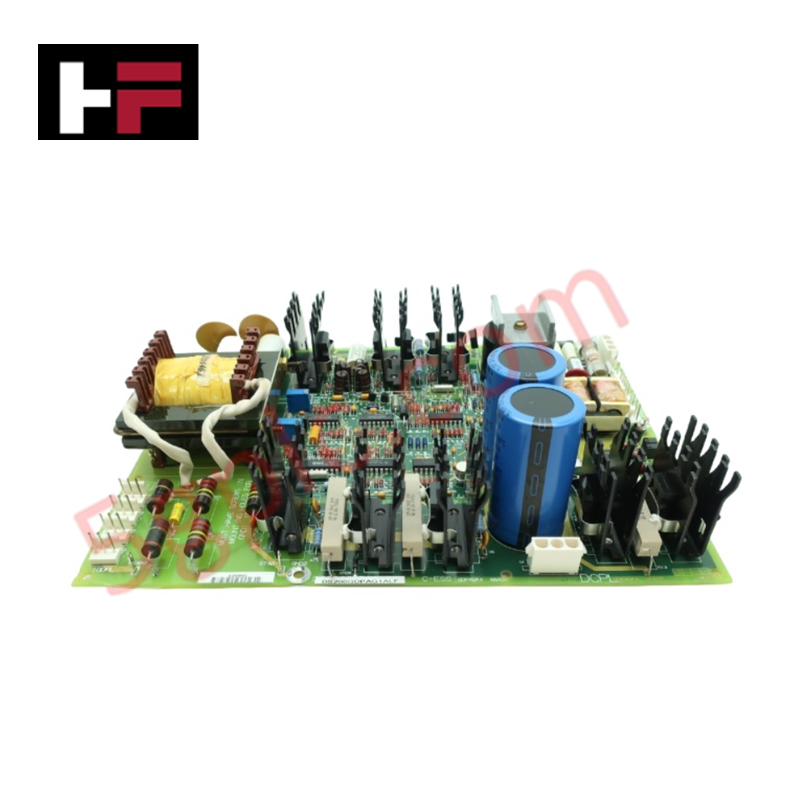
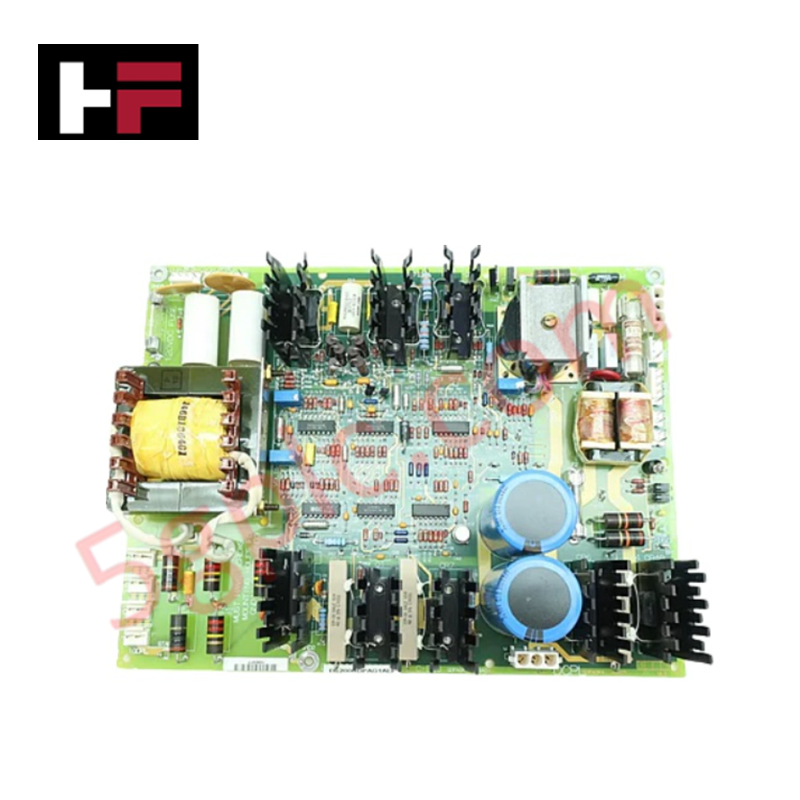
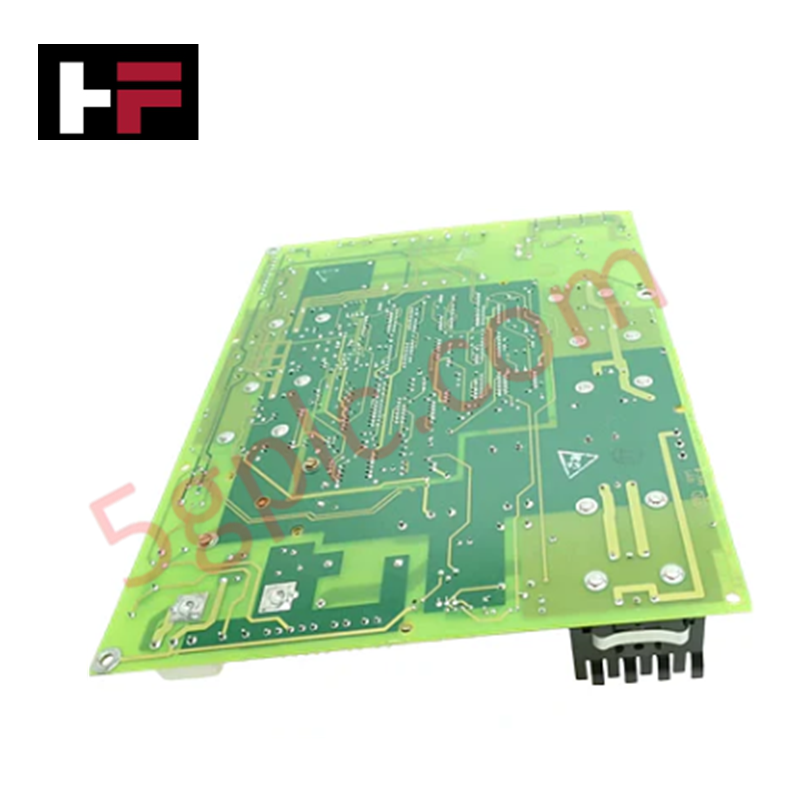
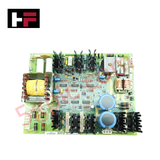
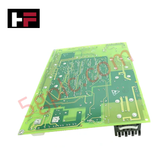
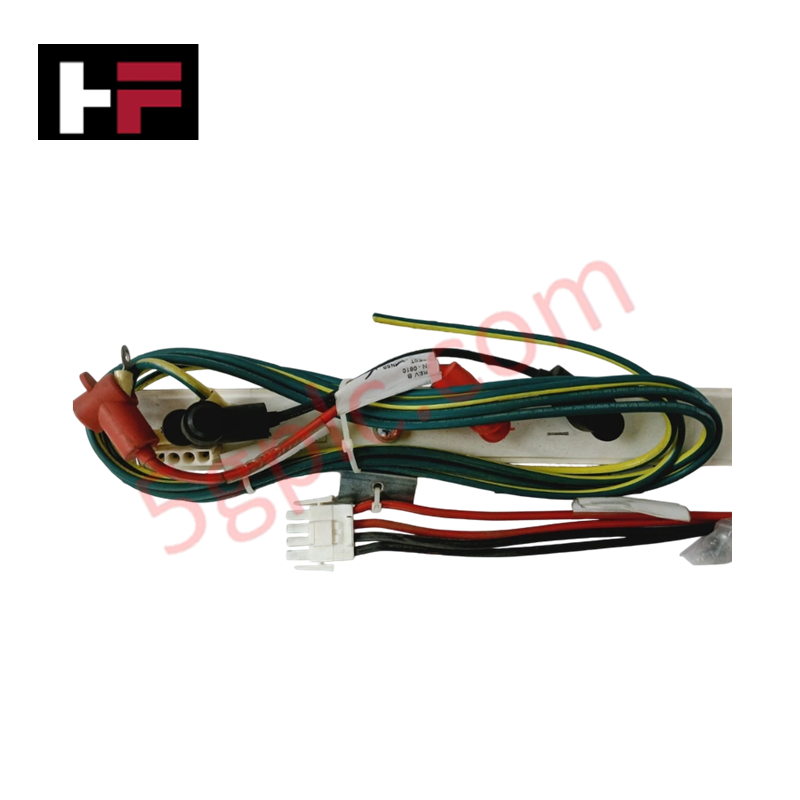
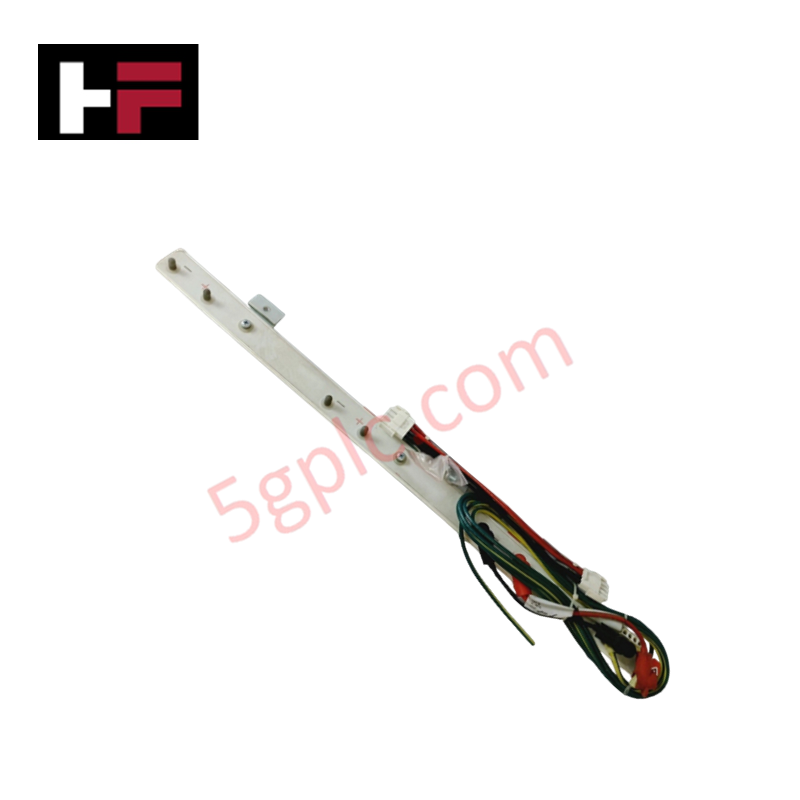
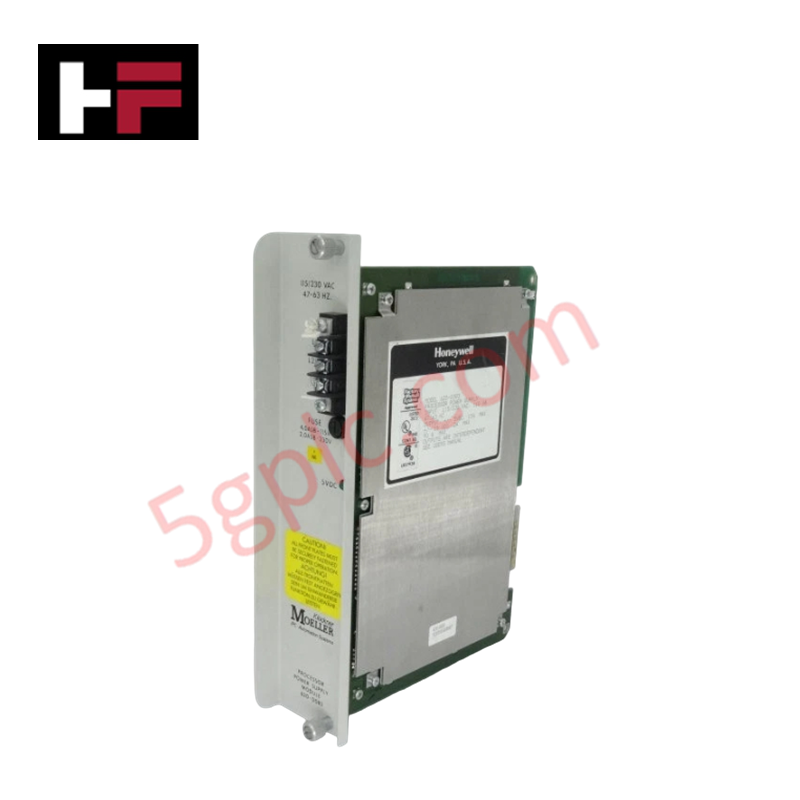
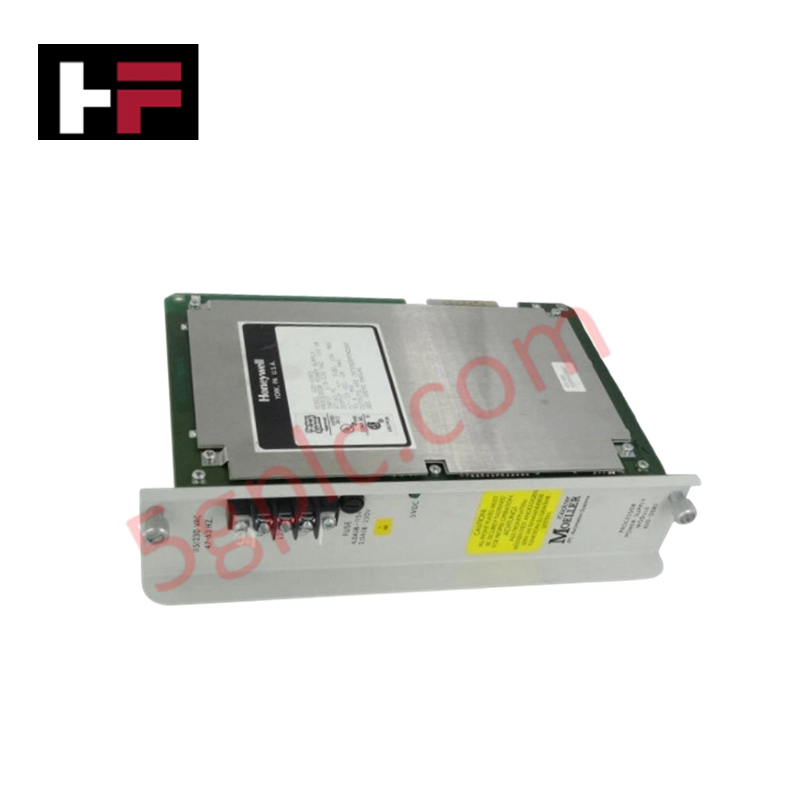
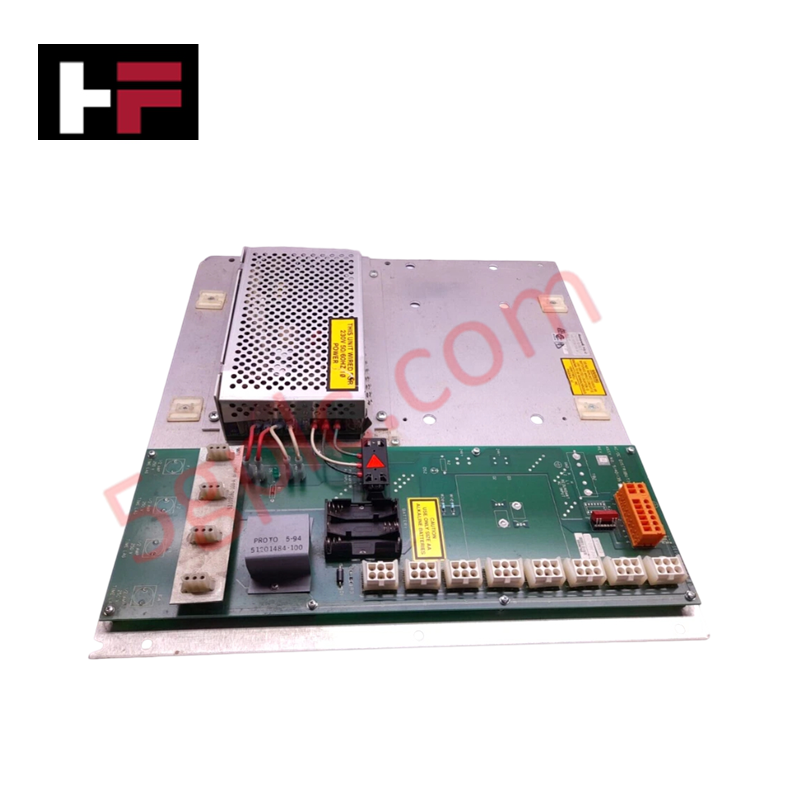
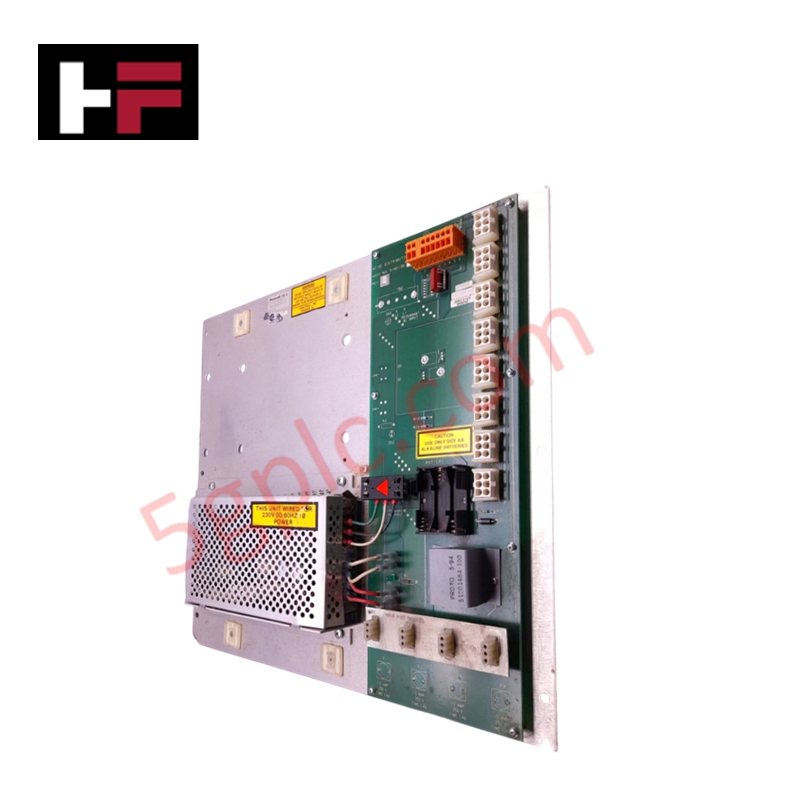
La GE DS200GDPAG1ALF, también catalogada como la tarjeta de fuente de alimentación de alta frecuencia DS200GDPAG1, funciona como un componente de hardware dedicado para la conversión y regulación de energía dentro de las plataformas del sistema de excitación EX2000.
Especificaciones de hardware
| Parámetro | Especificación |
|---|---|
| Modelo | DS200GDPAG1ALF |
| Marca | General Electric |
| Origen | EE. UU. |
| Temperatura de funcionamiento | 0 °C a 60 °C |
| Consumo de energía | 600 W a 700 W (salida) |
| Función principal | Conversión y regulación de energía CA/CC |
Compatibilidad con control industrial y firmware
La DS200GDPAG1ALF utiliza una arquitectura de alimentación de varias etapas, que incluye un rectificador de entrada, un regulador reductor tipo chopper y un inversor de 27 kHz para proporcionar rieles de salida regulados. La tarjeta gestiona la escalabilidad de la densidad de E/S a través de circuitos integrados de nivel de señal de control que coordinan la distribución de energía en todo el sistema. El rendimiento determinista se mantiene mediante estos circuitos, que interactúan con la arquitectura de control EX2000 para garantizar una regulación de voltaje constante. La compatibilidad con flash de firmware no es aplicable a este módulo, ya que sus parámetros operativos se rigen por la regulación a nivel de hardware y la lógica de conmutación, lo que garantiza salidas estables (50 V CA, 120 V CC y fuentes de nivel de control) independientemente de las fluctuaciones menores de la fuente de entrada.
Preguntas frecuentes
P: ¿Esta tarjeta admite fuentes de entrada de CA y CC?
R: Sí. La tarjeta está diseñada para aceptar energía de fuentes de corriente alterna (CA) y corriente continua (CC), utilizando un rectificador de entrada integrado y un mecanismo de filtro para acondicionar la energía para la regulación posterior.
P: ¿Cuál es la función principal del chopper reductor integrado?
R: El chopper reductor actúa como regulador para el bus de CC interno. Mantiene un nivel de voltaje constante para las etapas posteriores del inversor y de salida, asegurando que el inversor de 27 kHz y otros rieles de alimentación funcionen dentro de las tolerancias requeridas.
Pautas de instalación en campo
- Verificación de la potencia de entrada: Antes de energizar, verifique que los voltajes de alimentación de CA/CC entrantes estén dentro de las especificaciones de diseño para el sistema de excitación EX2000. Los niveles de entrada incorrectos pueden activar los circuitos de protección dentro de la etapa del rectificador de entrada.
- Disipación de calor de los componentes: La tarjeta maneja salidas de hasta 700 W. Asegúrese de que los sistemas de ventilación del gabinete estén operativos y de que el flujo de aire a través de los componentes generadores de calor de la tarjeta no esté obstruido para mantener las temperaturas de funcionamiento por debajo de los 60 °C.
- Blindaje y conexión a tierra: Para evitar interferencias electromagnéticas de la conmutación del inversor de 27 kHz, asegúrese de que todos los cables de señal y alimentación estén correctamente enrutados y blindados. Termine los blindajes en los puntos de conexión a tierra del chasis designados para mantener la integridad de la señal de los circuitos de nivel de control.
- Conexiones de terminales: Inspeccione todas las terminales de salida de energía para asegurar conexiones seguras. Las terminaciones sueltas en las salidas de 50 V CA o 120 V CC pueden provocar arcos o caídas de voltaje que pueden causar fallas intermitentes en el control del accionamiento.
Información adicional
- 100% Piezas Originales: Todos los productos son originales y auténticos, garantizando un rendimiento industrial confiable.
- Garantía de Reembolso de 30 Días: Devuelva cualquier artículo en stock dentro de los 30 días en su embalaje original y sin abrir para un reembolso completo (excluyendo envío y tarifas).
- Garantía de 12 Meses: Cubre defectos en materiales o mano de obra; excluye mal uso, desgaste normal o modificaciones no autorizadas.
- Envío Mundial: Enviamos vía USPS, UPS, FedEx y DHL. Los tiempos de entrega varían según el país y pueden estar sujetos a aduanas o tarifas de importación.
- Soporte y Contacto: Asistencia técnica y de garantía disponible en cualquier momento. Contáctenos aquí: Contacto.
- Guía de Compra: Verifique cuidadosamente las especificaciones y compatibilidad del producto antes de ordenar para asegurar la aplicación correcta.
Guía de Tecnología y Compras

El cambio hacia módulos de E/S flexibles en la automatización industrial moderna
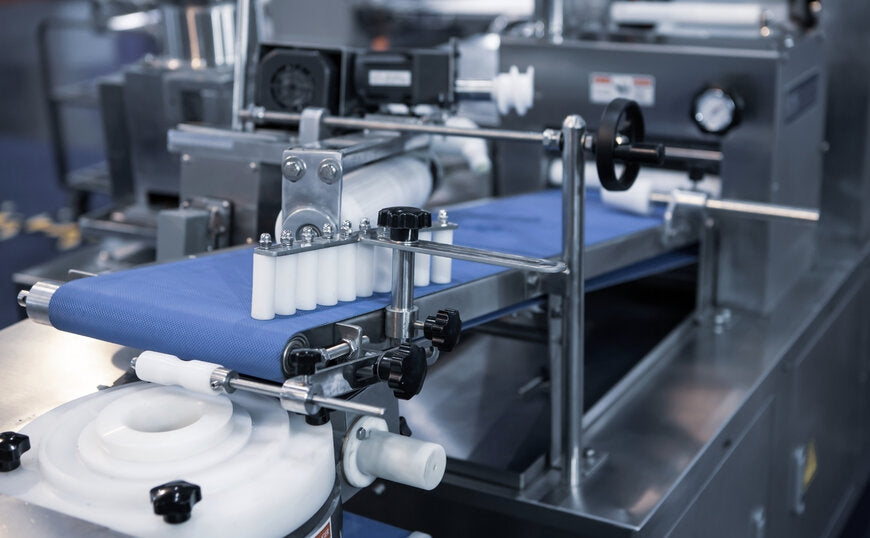
Los sistemas de control tradicionales dependen de tarjetas de Entrada/Salida (E/S) dedicadas para la automatización industrial. Cada módulo convencional procesa un único tipo de señal, como Entrada Digital (DI), Salida Digital (DO), Entrada Analógica (AI) o Salida Analógica (AO). Una tarjeta estándar de 16 canales solo acepta un tipo de canal específico en todos sus puertos. Este diseño de hardware inflexible suele crear graves cuellos de botella de ingeniería durante la ejecución de los proyectos. Con frecuencia, los ingenieros deben instalar tarjetas completamente nuevas para incorporar un solo sensor adicional. En consecuencia, los cambios de diseño tardíos aumentan el espacio necesario en el armario de control y elevan los costes del proyecto.
Pasos de puesta en servicio de DCS en proyectos de automatización industrial
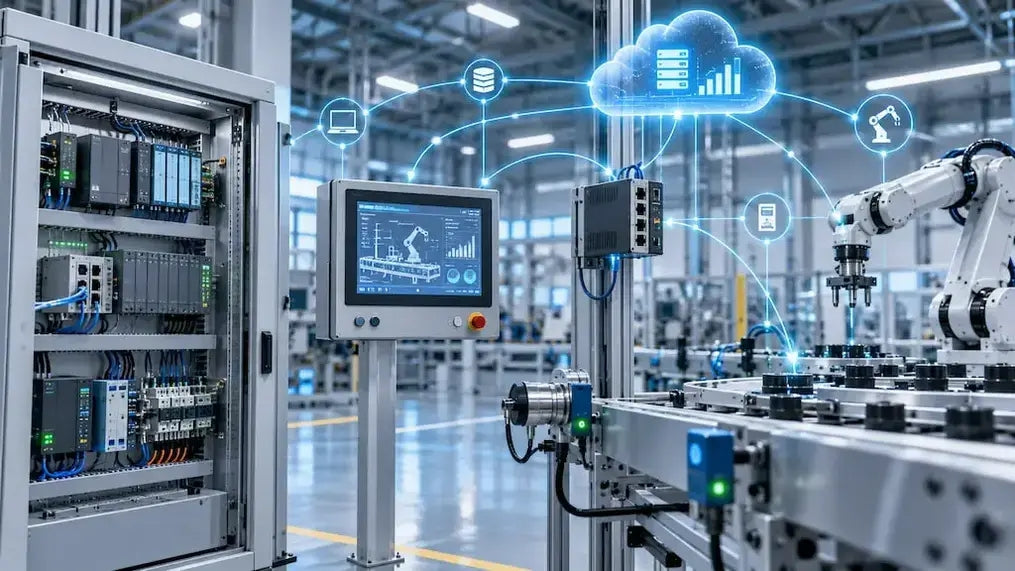
La puesta en marcha de un Sistema de Control Distribuido (DCS) representa un hito crucial al implementar una infraestructura moderna de automatización de procesos. Los ingenieros de campo deben ejecutar pasos de verificación sistemáticos para pasar de la instalación estática del complejo hardware de control al control dinámico de la planta. Una puesta en marcha adecuada garantiza que los controladores, los módulos de E/S, los conmutadores de red y el software HMI funcionen en estricto cumplimiento de las especificaciones de diseño de ingeniería antes de introducir fluidos de proceso reales.
Estrategia de repuestos para sistemas de control PLC y DCS: directrices de ingeniería
La automatización industrial moderna depende de redes troncales de fibra óptica de alta velocidad para conectar sistemas de control distribuidos en entornos industriales con mucho ruido. A diferencia del cableado de cobre, las fibras ópticas transmiten datos mediante pulsos de luz, por lo que son completamente inmunes a las interferencias electromagnéticas (EMI). Los ingenieros de campo deben dominar las técnicas de unión y empalme por fusión de cables ópticos para garantizar una transmisión de datos de baja pérdida entre nodos críticos de controladores lógicos programables (PLC) y sistemas de control distribuido (DCS).