










Detalles del producto
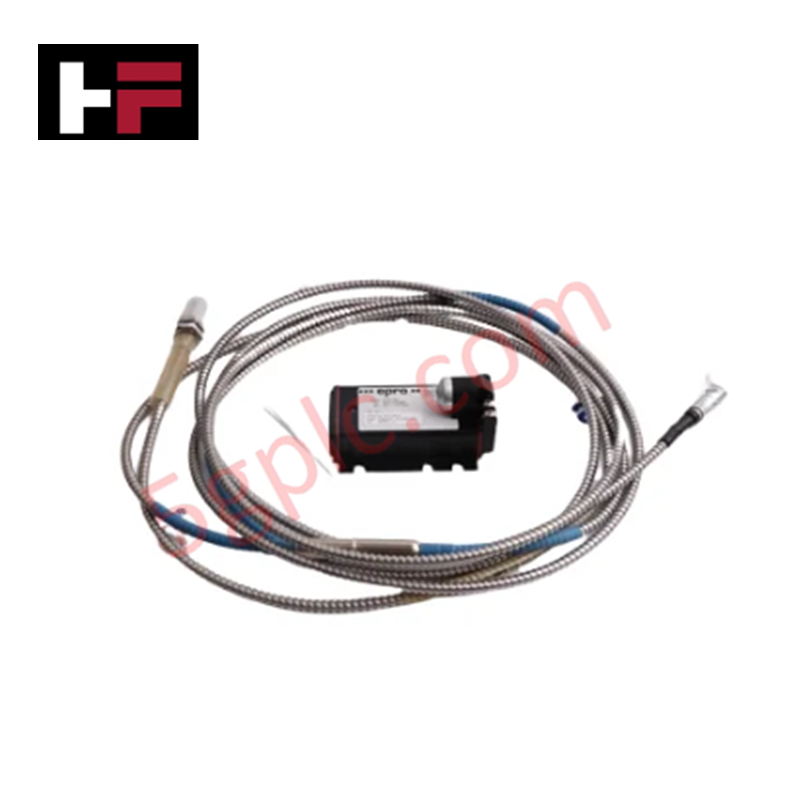
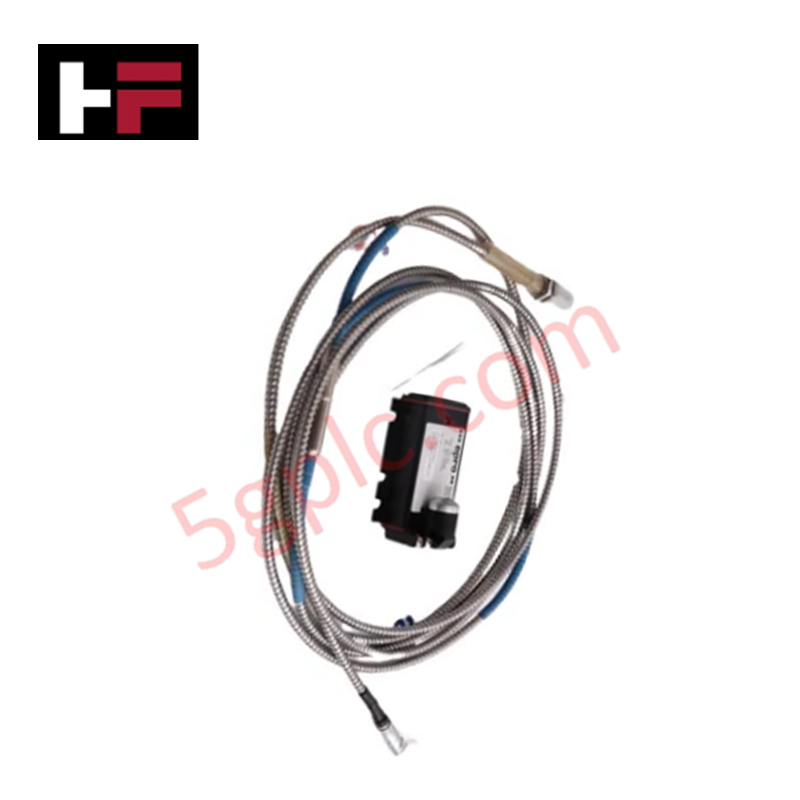
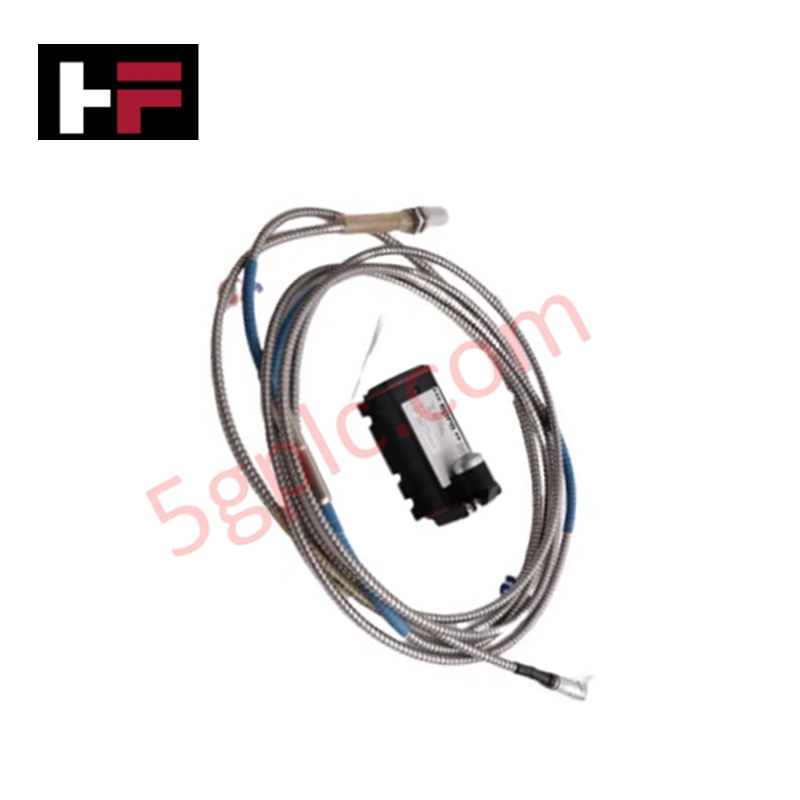
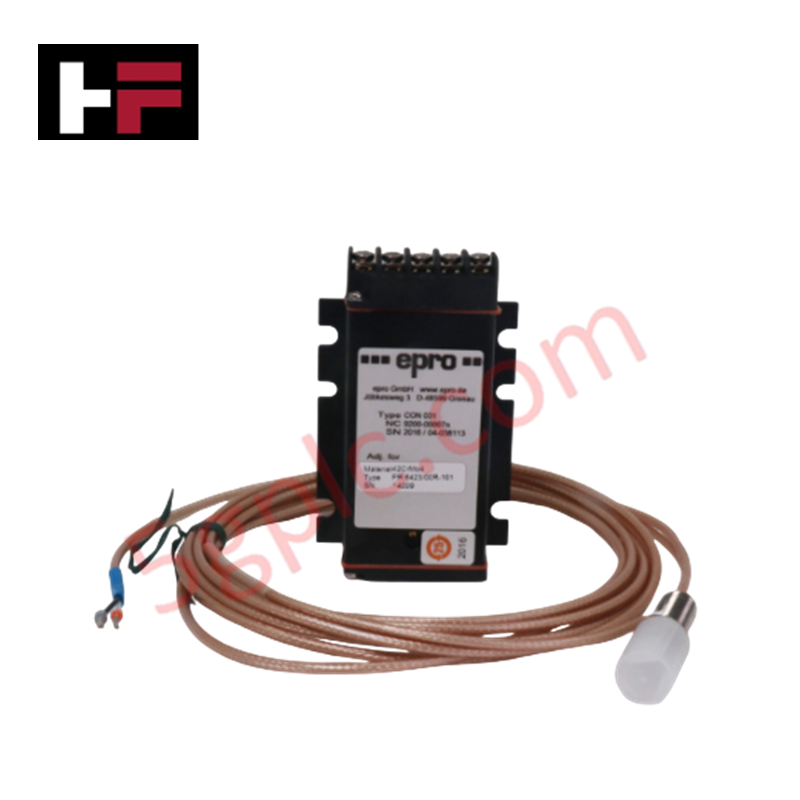
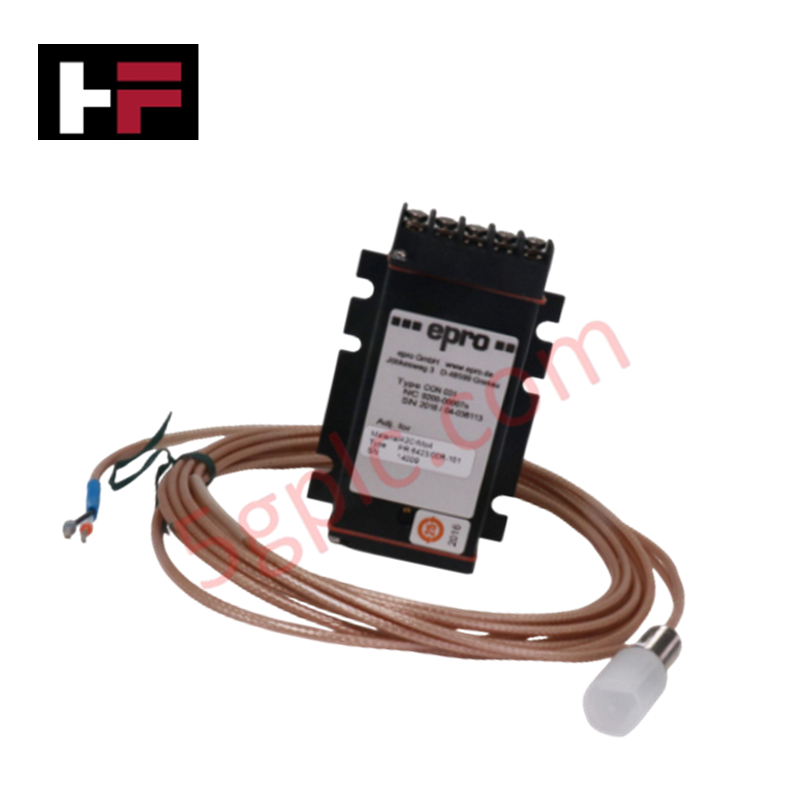
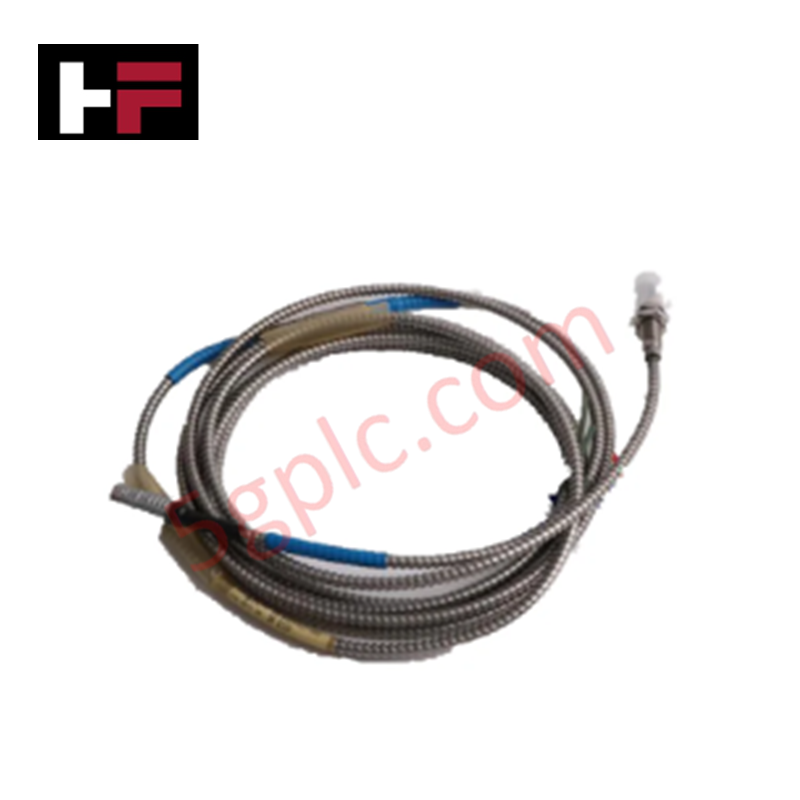
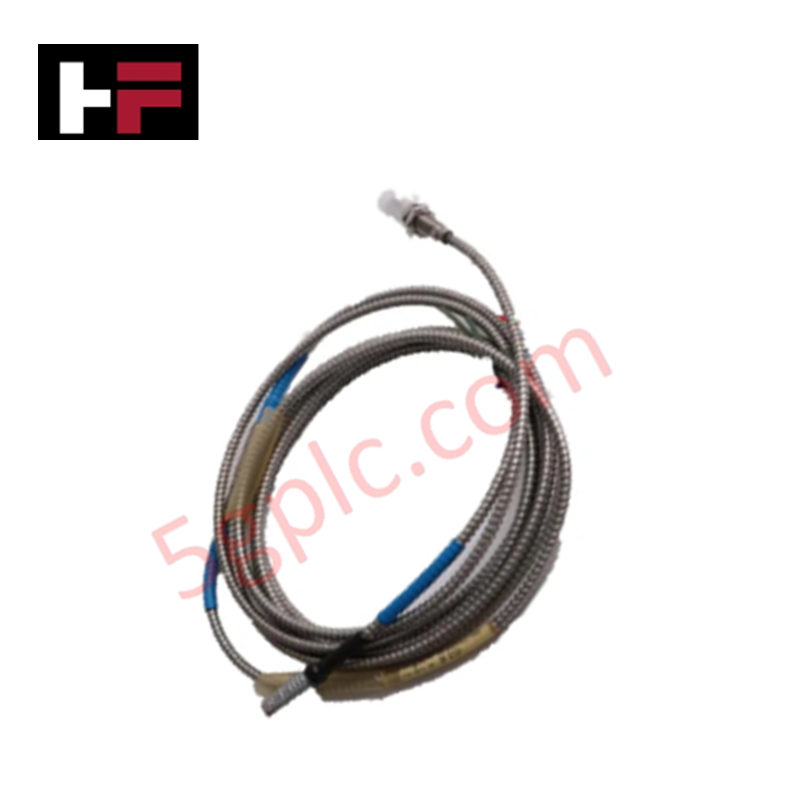
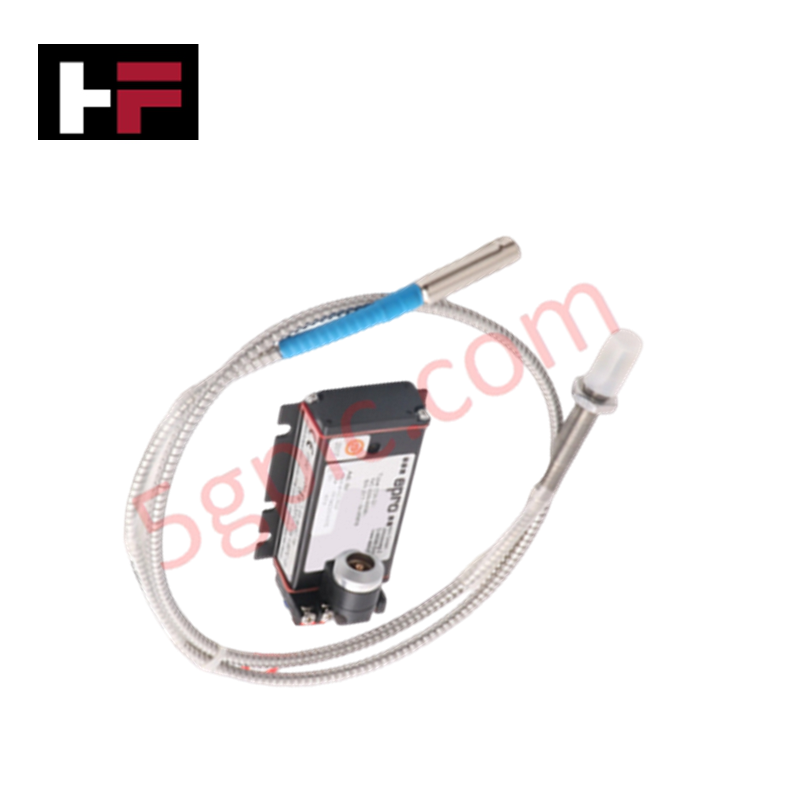
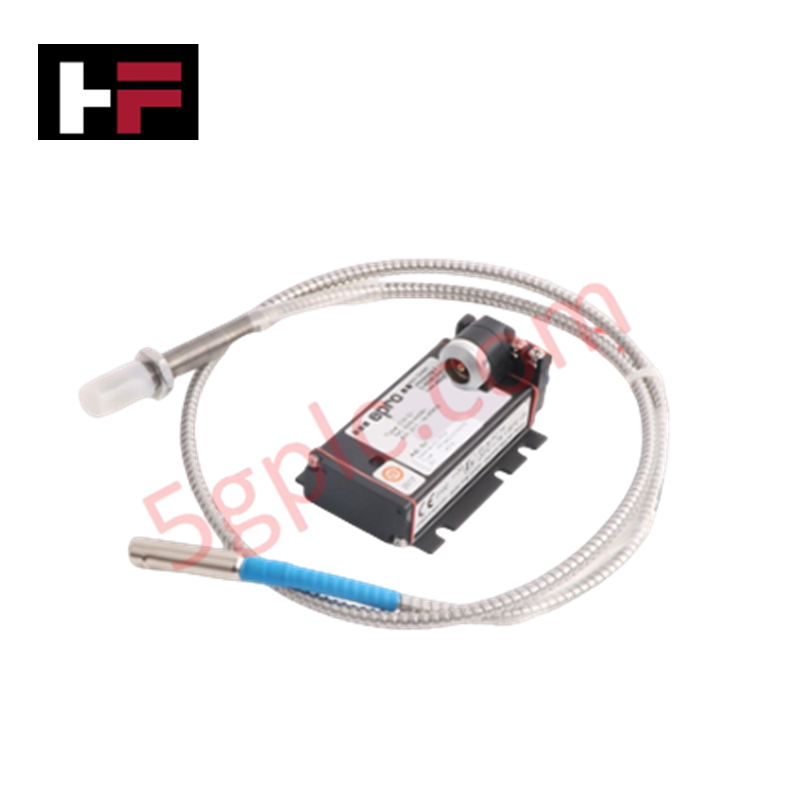
Configurado para el acondicionamiento de señales de vibración de alta frecuencia en sistemas de monitoreo de turbomaquinaria, el convertidor Epro CON021/916-240 (CON021/916-240) emparejado con el transductor PR6426/010-140 (PR6426/010-140) proporciona una ejecución física/eléctrica directa.
Especificaciones del hardware
| Parámetro | Especificación |
|---|---|
| Modelo | CON021/916-240 + PR6426/010-140 |
| Marca | Epro (Emerson) |
| Origen | Alemania |
| Peso | 0,92 kg (combinado) |
| Dimensiones | Sonda estándar y carcasa del convertidor LMgSi 0.5 F22 |
| Temperatura de funcionamiento | -30 °C a +175 °C |
| Consumo de energía | Depende del voltaje de entrada -21 VCC a -32 VCC |
| Rango de medición | 24,0 mm |
| Precisión | +/- 1,5 % (sensibilidad del sensor) |
| Señal de salida | -4 VCC a -20 VCC o -2 VCC a -18 VCC |
Validación de la tensión de entrehierro (objetivos de -10 VCC)
El sistema utiliza un circuito oscilador para accionar la sonda del transductor. Para garantizar una linealización precisa en el rango de medición extendido de 24,0 mm, el sistema requiere una validación precisa de la tensión de entrehierro. El convertidor centra su característica de salida en un objetivo nominal de -10 VCC, que representa el punto medio del entrehierro de medición físico. El mantenimiento de esta línea base de -10 VCC es obligatorio durante la puesta en servicio estática; las desviaciones significativas indican una desalineación mecánica, saturación del transductor o degradación de la superficie conductora objetivo.
Preguntas frecuentes
P: ¿Se puede utilizar el convertidor CON021/916-240 con sensores de menor alcance?
R: No. El convertidor está calibrado específicamente para el rango de 24,0 mm de la serie PR6426. El uso de un transductor diferente dará lugar a errores de linealidad significativos que superarán el umbral especificado del 3,5 %.
P: ¿El sistema es capaz de funcionar en entornos presurizados?
R: El cabezal del sensor PR6426 está clasificado para una resistencia a la presión de hasta 6.500 hPa (94 psi). Asegúrese de que las roscas de instalación estén selladas adecuadamente para el entorno de presión de la aplicación.
Pautas de instalación en campo
- Monte la carcasa del convertidor con cuatro tornillos M5x20 en una superficie rígida y con toma de tierra para garantizar la integridad estructural.
- Instale la sonda PR6426 en el soporte de montaje, asegurando un espacio libre de al menos 200 mm de diámetro del eje y una separación adecuada de las estructuras metálicas adyacentes para evitar la diafonía.
- Termine el cableado de alimentación y salida utilizando manguitos de extremo de cable de alta calidad en los terminales de tornillo, asegurándose de que el tamaño del conductor del cable no exceda los 1,5 mm².
- Verifique la polaridad de la fuente de alimentación antes de aplicar voltaje, ya que la unidad requiere una entrada lógica negativa de -21 VCC a -32 VCC.
- Conecte a tierra el blindaje del cable de señal solo en el rack del sistema de monitoreo (DCS/TSI) para evitar la inyección de ruido electromagnético de 50/60 Hz por bucle de tierra.
Información adicional
- 100% Piezas Originales: Todos los productos son originales y auténticos, garantizando un rendimiento industrial confiable.
- Garantía de Reembolso de 30 Días: Devuelva cualquier artículo en stock dentro de los 30 días en su embalaje original y sin abrir para un reembolso completo (excluyendo envío y tarifas).
- Garantía de 12 Meses: Cubre defectos en materiales o mano de obra; excluye mal uso, desgaste normal o modificaciones no autorizadas.
- Envío Mundial: Enviamos vía USPS, UPS, FedEx y DHL. Los tiempos de entrega varían según el país y pueden estar sujetos a aduanas o tarifas de importación.
- Soporte y Contacto: Asistencia técnica y de garantía disponible en cualquier momento. Contáctenos aquí: Contacto.
- Guía de Compra: Verifique cuidadosamente las especificaciones y compatibilidad del producto antes de ordenar para asegurar la aplicación correcta.




Guía de Tecnología y Compras

El cambio hacia módulos de E/S flexibles en la automatización industrial moderna
Los sistemas de control tradicionales dependen de tarjetas de Entrada/Salida (E/S) dedicadas para la automatización industrial. Cada módulo convencional procesa un único tipo de señal, como Entrada Digital (DI), Salida Digital (DO), Entrada Analógica (AI) o Salida Analógica (AO). Una tarjeta estándar de 16 canales solo acepta un tipo de canal específico en todos sus puertos. Este diseño de hardware inflexible suele crear graves cuellos de botella de ingeniería durante la ejecución de los proyectos. Con frecuencia, los ingenieros deben instalar tarjetas completamente nuevas para incorporar un solo sensor adicional. En consecuencia, los cambios de diseño tardíos aumentan el espacio necesario en el armario de control y elevan los costes del proyecto.

Pasos de puesta en servicio de DCS en proyectos de automatización industrial
La puesta en marcha de un Sistema de Control Distribuido (DCS) representa un hito crucial al implementar una infraestructura moderna de automatización de procesos. Los ingenieros de campo deben ejecutar pasos de verificación sistemáticos para pasar de la instalación estática del complejo hardware de control al control dinámico de la planta. Una puesta en marcha adecuada garantiza que los controladores, los módulos de E/S, los conmutadores de red y el software HMI funcionen en estricto cumplimiento de las especificaciones de diseño de ingeniería antes de introducir fluidos de proceso reales.

Estrategia de repuestos para sistemas de control PLC y DCS: directrices de ingeniería
La automatización industrial moderna depende de redes troncales de fibra óptica de alta velocidad para conectar sistemas de control distribuidos en entornos industriales con mucho ruido. A diferencia del cableado de cobre, las fibras ópticas transmiten datos mediante pulsos de luz, por lo que son completamente inmunes a las interferencias electromagnéticas (EMI). Los ingenieros de campo deben dominar las técnicas de unión y empalme por fusión de cables ópticos para garantizar una transmisión de datos de baja pérdida entre nodos críticos de controladores lógicos programables (PLC) y sistemas de control distribuido (DCS).