










Detalles del producto
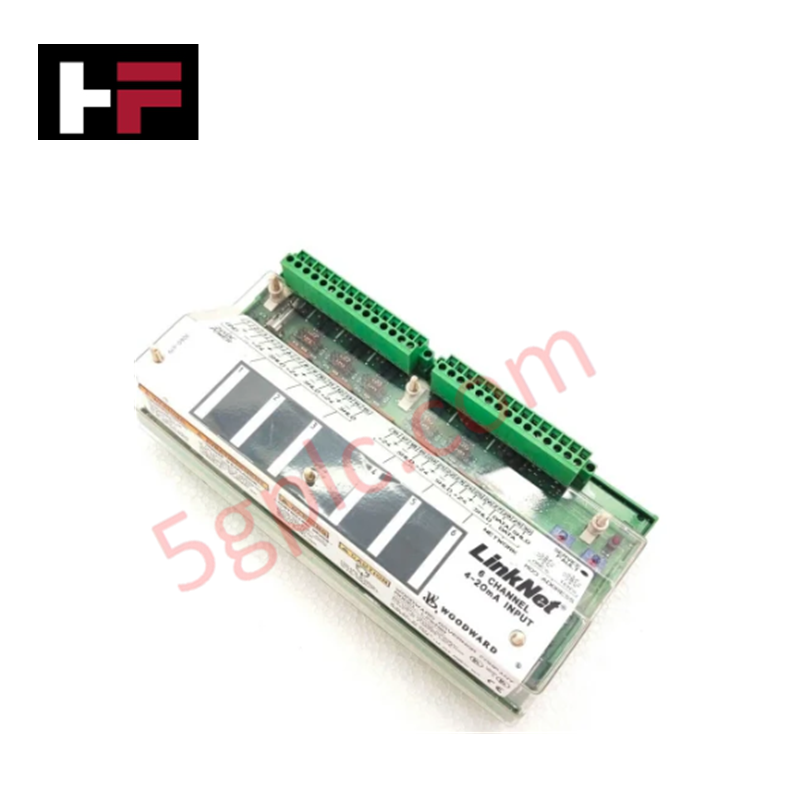
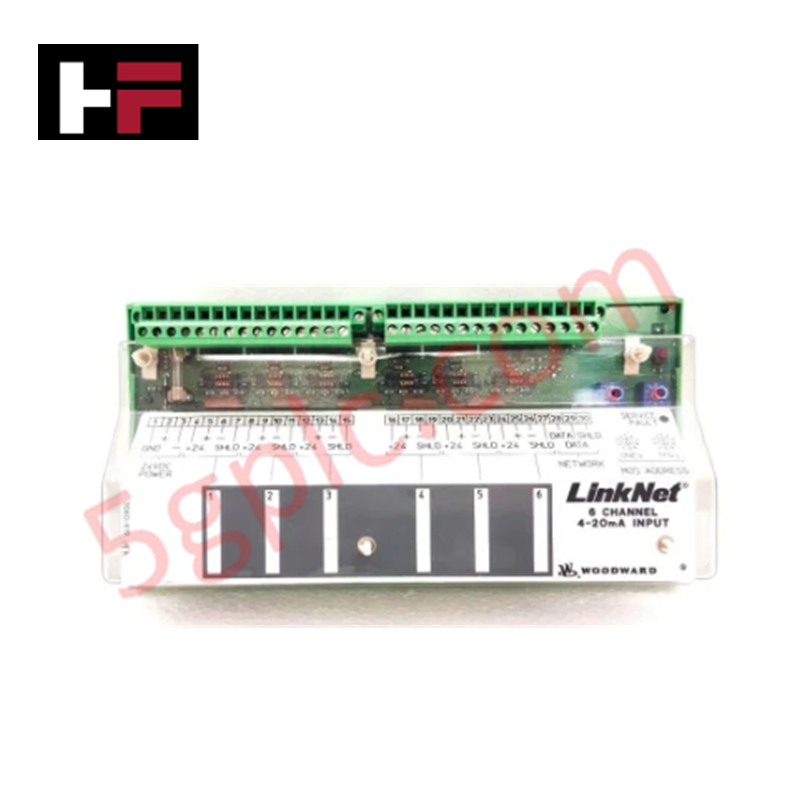
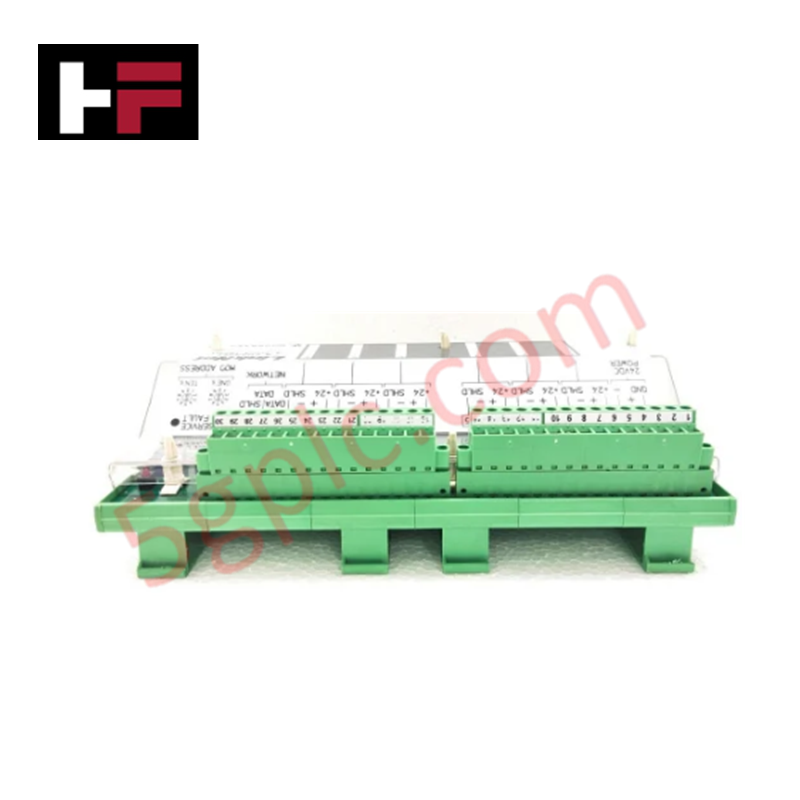
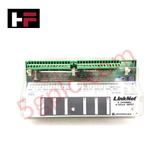
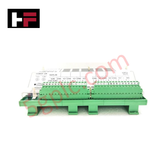
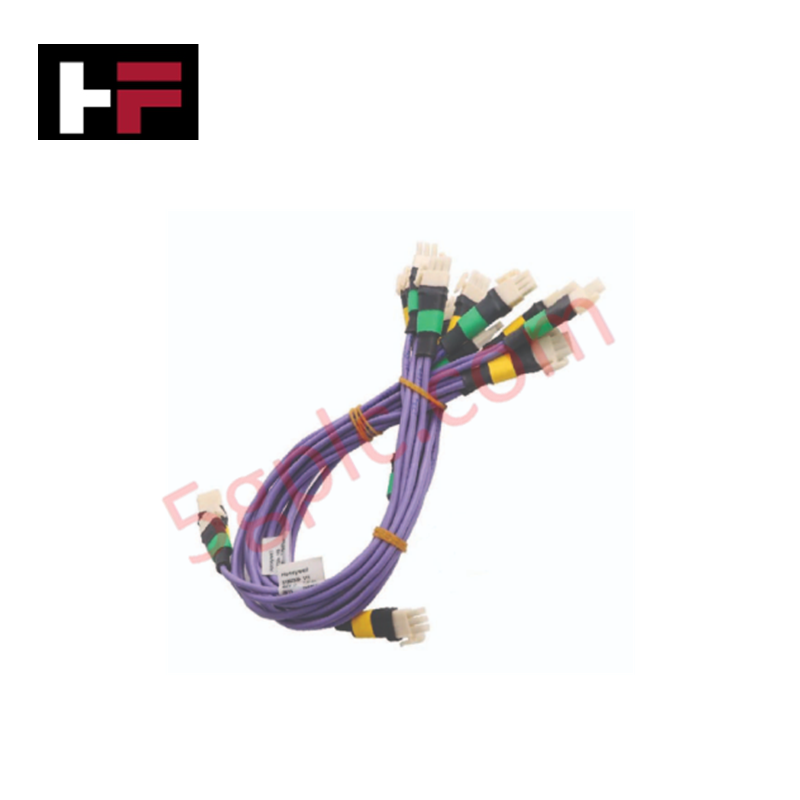
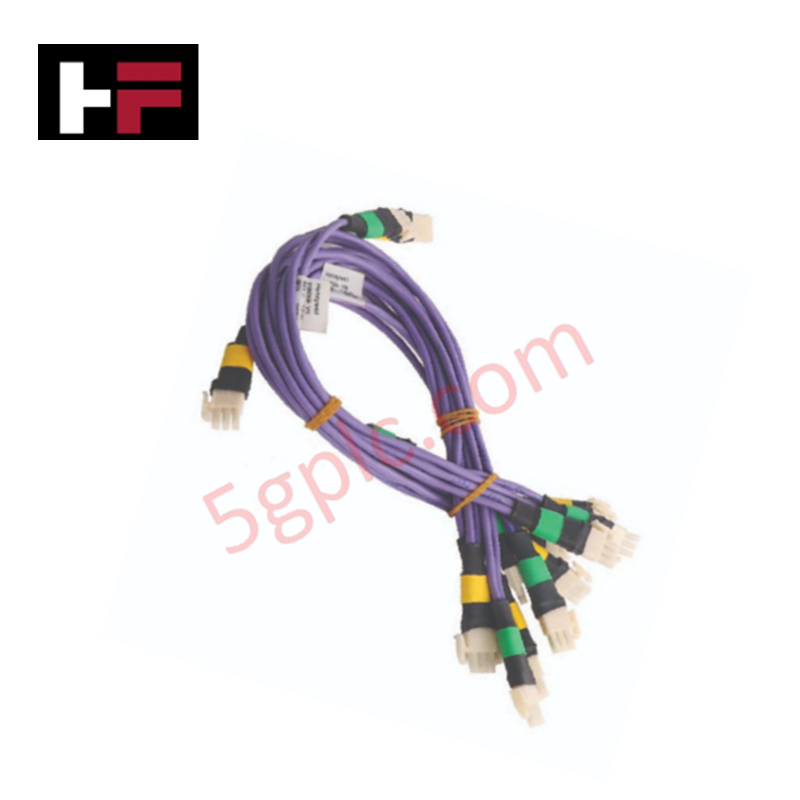
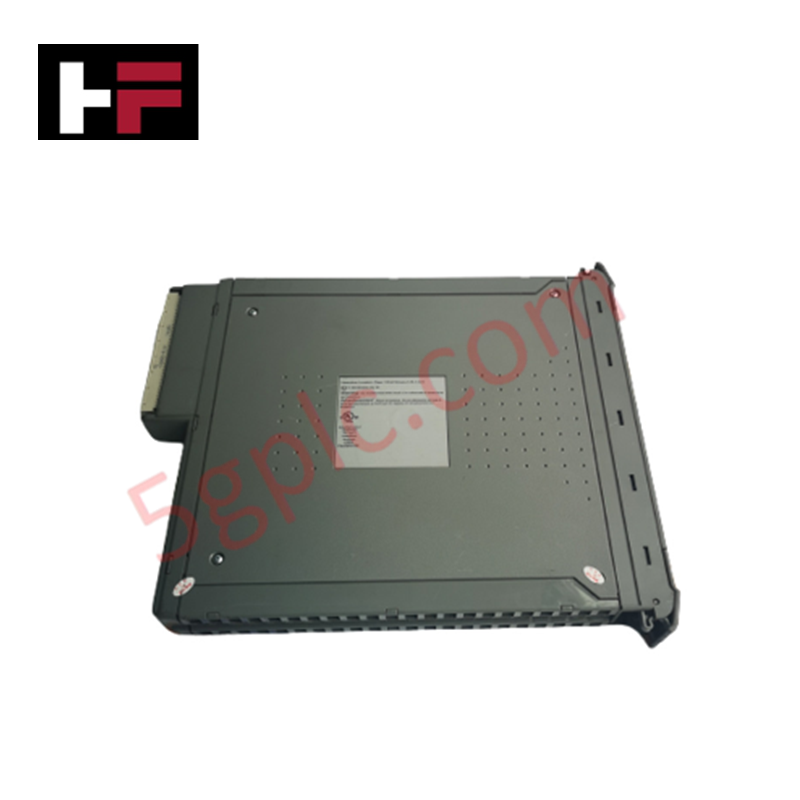
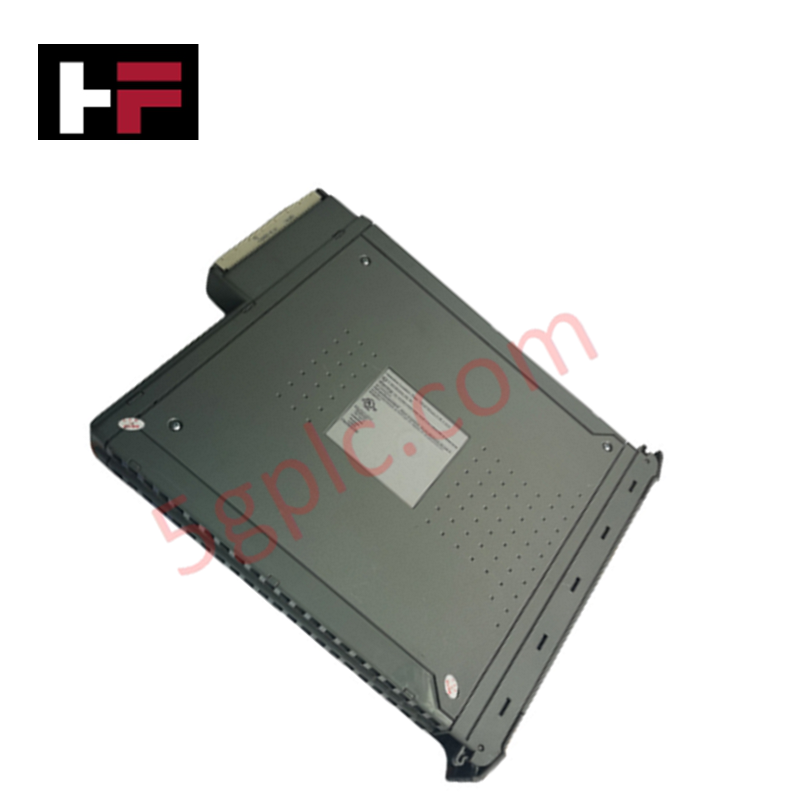
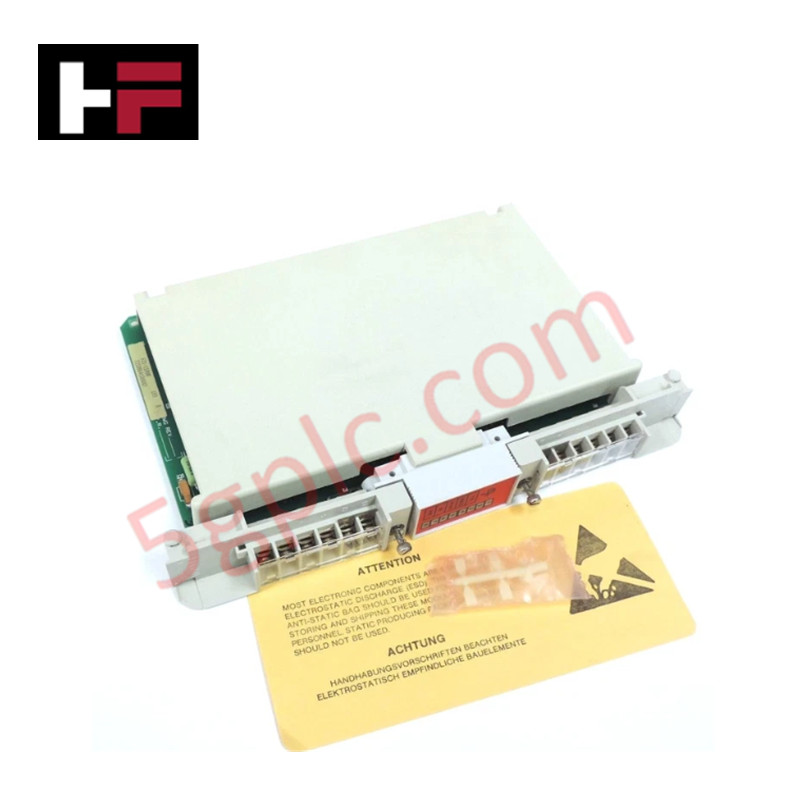
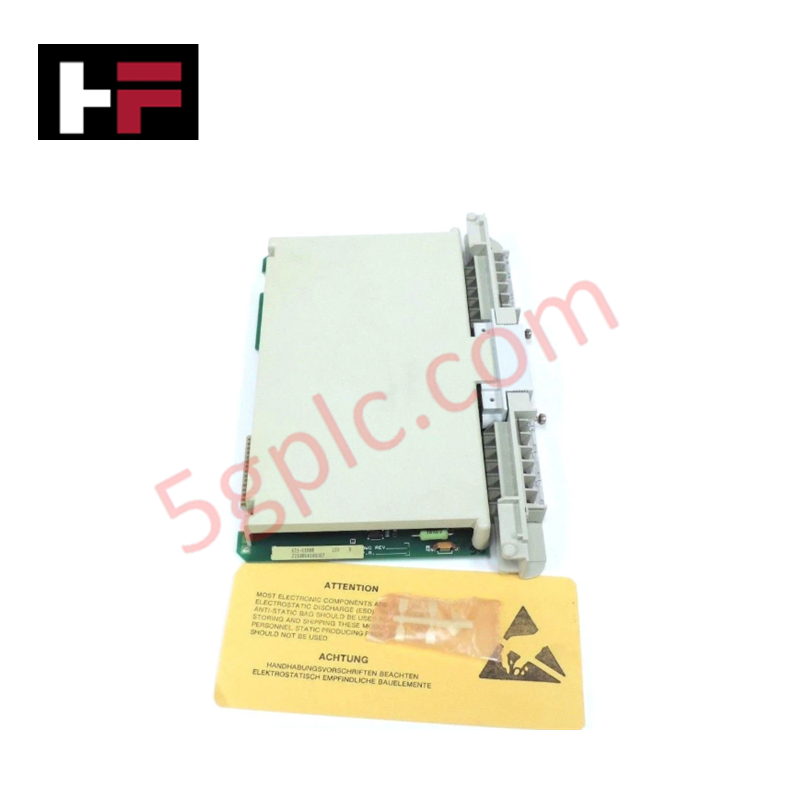
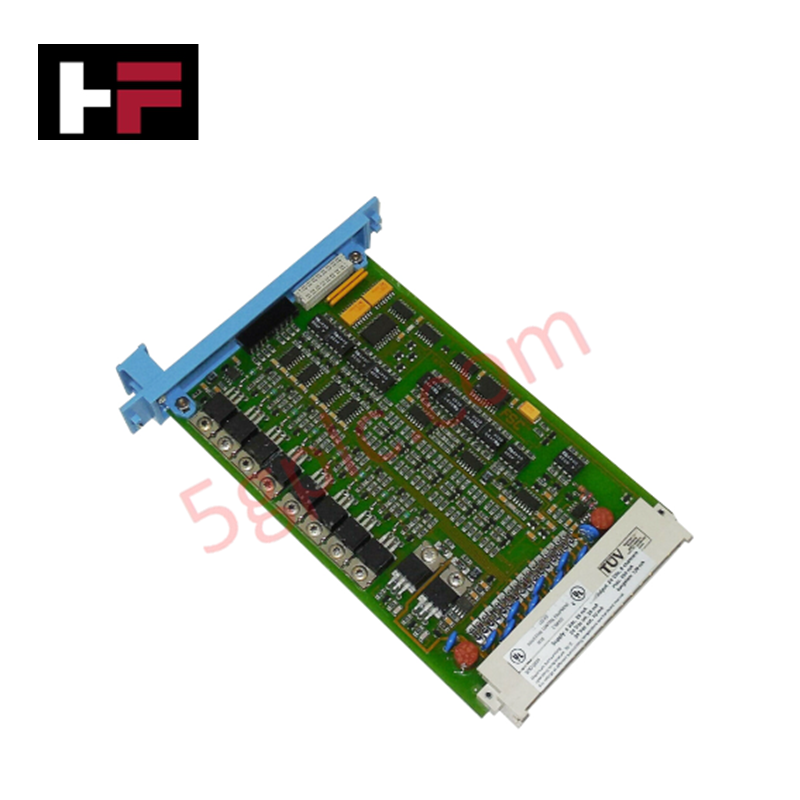
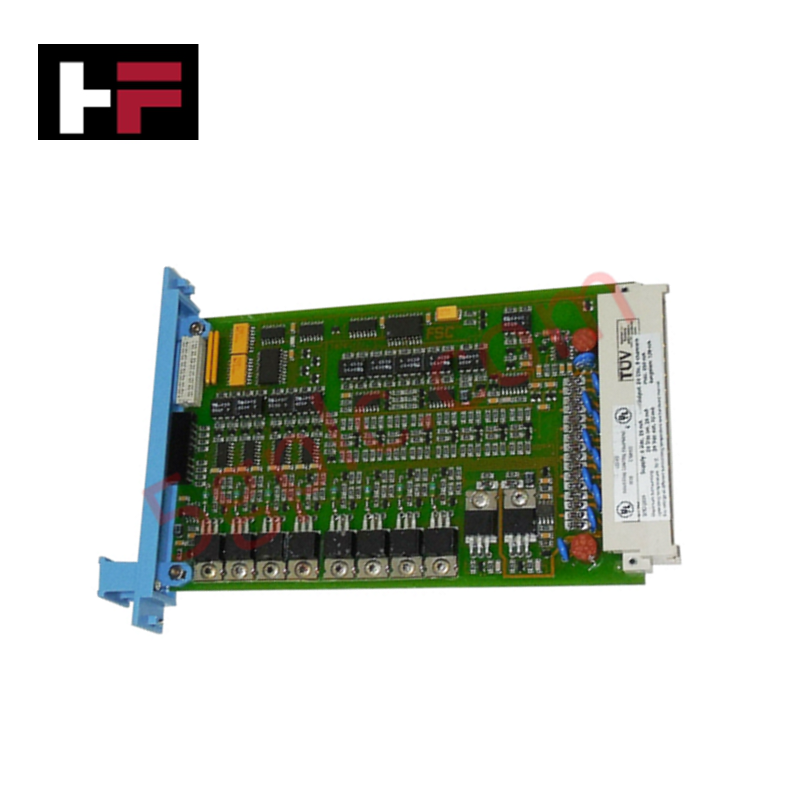
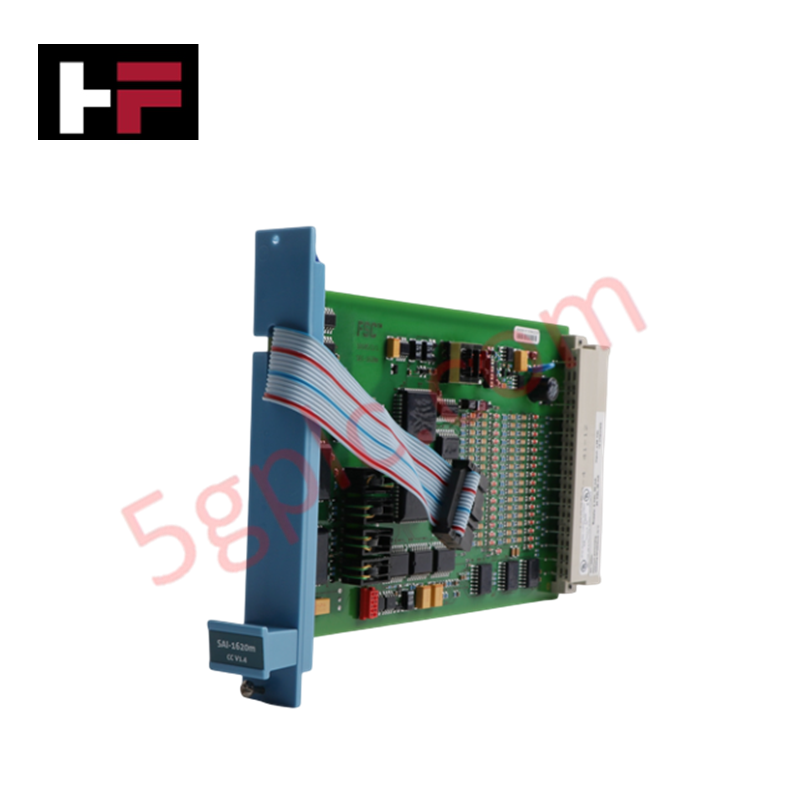
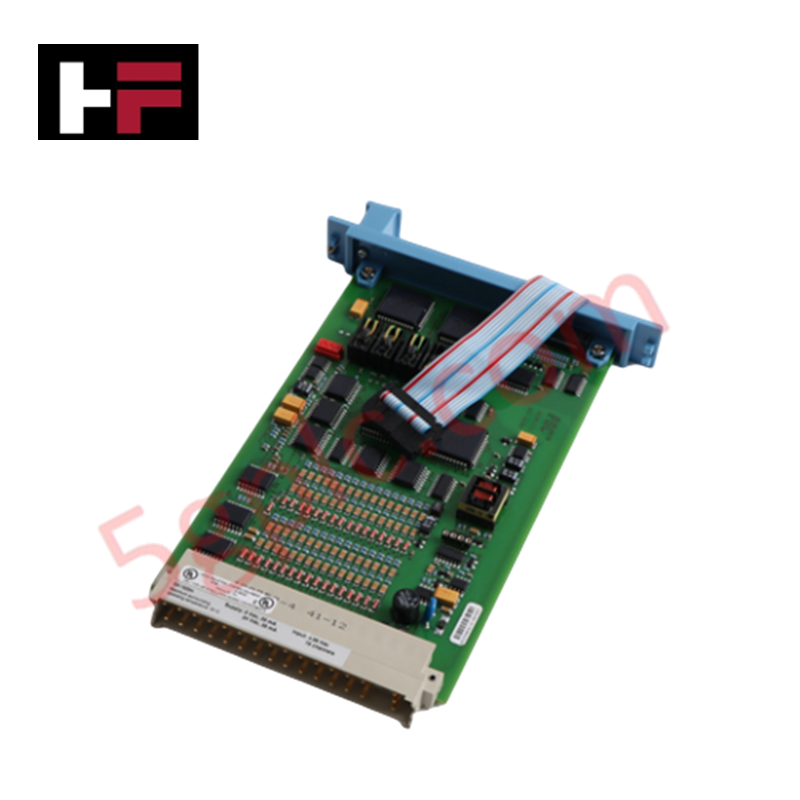
Configurado para la adquisición distribuida de señales analógicas en arquitecturas de control de turbinas LinkNet, el Woodward 9905-970 (módulo de entrada LinkNet 9905-970) proporciona una ejecución física/eléctrica directa de la conversión de la señal del sensor.
Especificaciones del hardware
| Parámetro | Especificación |
|---|---|
| Modelo | 9905-970 |
| Marca | Woodward |
| Dimensiones | 14 x 11 x 4 pulgadas |
| Temperatura de funcionamiento | -40 a 85 °C |
| Consumo de energía | Entrada de 24 VCC |
| Impedancia de la señal | 33 K Ohms |
| Protección transitoria | 900 VCC |
Respuesta de retroalimentación del lazo del actuador
El módulo 9905-970 funciona como un nodo remoto dentro de la red de E/S distribuida LinkNet, traduciendo las entradas de los sensores de campo en paquetes de datos para el controlador anfitrión. La impedancia de entrada de 33 K Ohms del módulo está diseñada para minimizar los efectos de carga en la instrumentación de procesos sensible. Los circuitos internos incluyen protección transitoria de hasta 900 VCC para salvaguardar el módulo contra sobretensiones eléctricas comunes. Para mantener un rendimiento estable de la retroalimentación del lazo del actuador, el cableado de campo debe enrutarse para evitar interferencias electromagnéticas de alta energía, y la dirección del módulo debe sincronizarse correctamente con la configuración del grupo de velocidad de la red en el controlador maestro.
Preguntas frecuentes
P: ¿Cuál es la función principal de la pantalla LED de 24 caracteres de este módulo?
R: La pantalla LED integrada proporciona indicación de estado local para el módulo, incluida la actividad del canal y la notificación de condiciones de error, lo que facilita el diagnóstico durante la puesta en marcha en campo.
P: ¿Es este módulo capaz de mantener el funcionamiento a la temperatura máxima especificada de 85 °C?
R: El módulo está clasificado para funcionar hasta 85 °C. Sin embargo, asegúrese de que la ubicación de montaje del armario de control proporcione suficiente convección natural o forzada para evitar la acumulación de calor localizada que podría exceder la temperatura de funcionamiento nominal en la superficie del módulo.
Pautas de instalación en campo
- Montaje: Fije el módulo dentro de la carcasa del panel utilizando los orificios de montaje provistos. Asegúrese de que las dimensiones de 14 x 11 x 4 pulgadas permitan un espacio adecuado para el cableado de comunicación y señal.
- Cableado: Utilice cableado de par trenzado blindado para la conexión troncal de LinkNet. Conecte los cables de señal a los bloques de terminales, asegurándose de que se mantengan las polaridades según el diagrama de cableado del sistema.
- Blindaje y toma de tierra: Conecte los blindajes de los cables al terminal de tierra designado en el panel de control para mitigar el ruido inducido y garantizar la integridad de los datos en la red distribuida.
- Configuración: Establezca los interruptores internos de direccionamiento de nodos para que coincidan con la configuración programada en el software del controlador anfitrión antes de aplicar energía.
- Validación: Después de la instalación, verifique el estado de la pantalla LED para confirmar que el módulo ha establecido comunicación con el tronco de la red.
Información adicional
- 100% Piezas Originales: Todos los productos son originales y auténticos, garantizando un rendimiento industrial confiable.
- Garantía de Reembolso de 30 Días: Devuelva cualquier artículo en stock dentro de los 30 días en su embalaje original y sin abrir para un reembolso completo (excluyendo envío y tarifas).
- Garantía de 12 Meses: Cubre defectos en materiales o mano de obra; excluye mal uso, desgaste normal o modificaciones no autorizadas.
- Envío Mundial: Enviamos vía USPS, UPS, FedEx y DHL. Los tiempos de entrega varían según el país y pueden estar sujetos a aduanas o tarifas de importación.
- Soporte y Contacto: Asistencia técnica y de garantía disponible en cualquier momento. Contáctenos aquí: Contacto.
- Guía de Compra: Verifique cuidadosamente las especificaciones y compatibilidad del producto antes de ordenar para asegurar la aplicación correcta.
Guía de Tecnología y Compras

El cambio hacia módulos de E/S flexibles en la automatización industrial moderna
Los sistemas de control tradicionales dependen de tarjetas de Entrada/Salida (E/S) dedicadas para la automatización industrial. Cada módulo convencional procesa un único tipo de señal, como Entrada Digital (DI), Salida Digital (DO), Entrada Analógica (AI) o Salida Analógica (AO). Una tarjeta estándar de 16 canales solo acepta un tipo de canal específico en todos sus puertos. Este diseño de hardware inflexible suele crear graves cuellos de botella de ingeniería durante la ejecución de los proyectos. Con frecuencia, los ingenieros deben instalar tarjetas completamente nuevas para incorporar un solo sensor adicional. En consecuencia, los cambios de diseño tardíos aumentan el espacio necesario en el armario de control y elevan los costes del proyecto.

Pasos de puesta en servicio de DCS en proyectos de automatización industrial
La puesta en marcha de un Sistema de Control Distribuido (DCS) representa un hito crucial al implementar una infraestructura moderna de automatización de procesos. Los ingenieros de campo deben ejecutar pasos de verificación sistemáticos para pasar de la instalación estática del complejo hardware de control al control dinámico de la planta. Una puesta en marcha adecuada garantiza que los controladores, los módulos de E/S, los conmutadores de red y el software HMI funcionen en estricto cumplimiento de las especificaciones de diseño de ingeniería antes de introducir fluidos de proceso reales.

Estrategia de repuestos para sistemas de control PLC y DCS: directrices de ingeniería
La automatización industrial moderna depende de redes troncales de fibra óptica de alta velocidad para conectar sistemas de control distribuidos en entornos industriales con mucho ruido. A diferencia del cableado de cobre, las fibras ópticas transmiten datos mediante pulsos de luz, por lo que son completamente inmunes a las interferencias electromagnéticas (EMI). Los ingenieros de campo deben dominar las técnicas de unión y empalme por fusión de cables ópticos para garantizar una transmisión de datos de baja pérdida entre nodos críticos de controladores lógicos programables (PLC) y sistemas de control distribuido (DCS).