













Detalles del producto
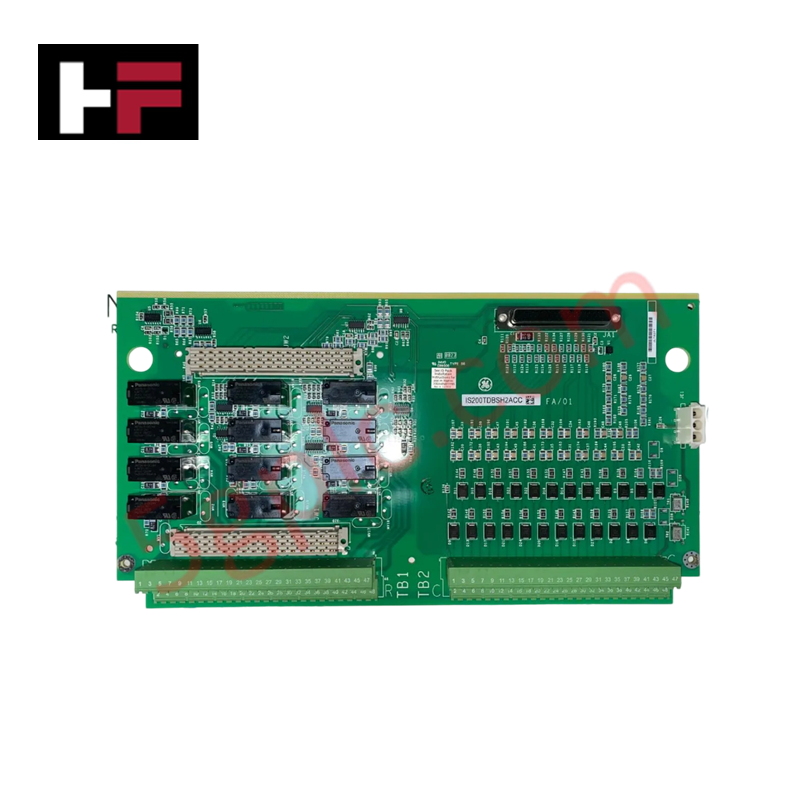
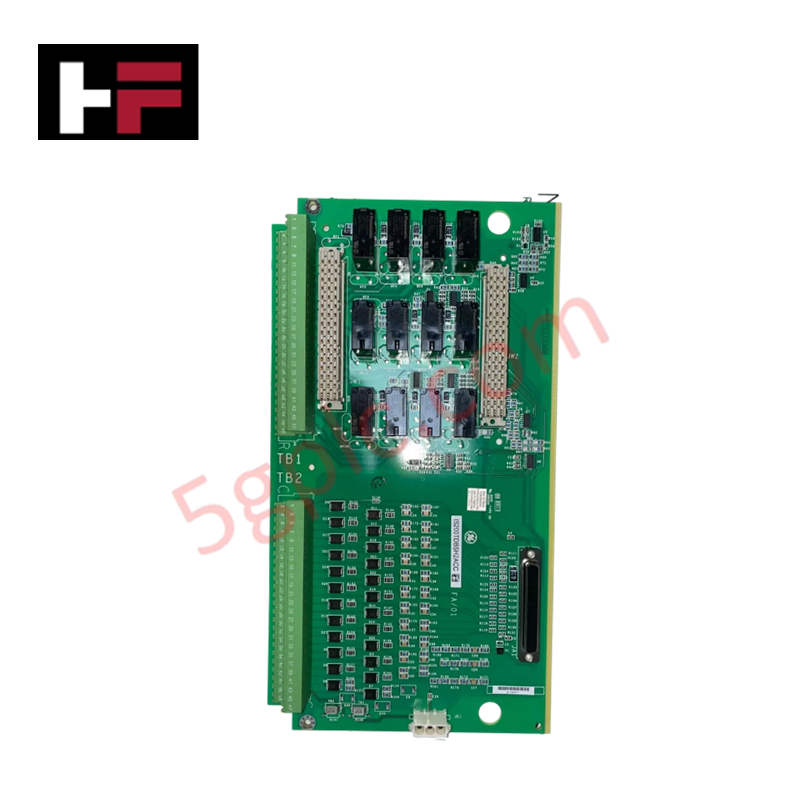
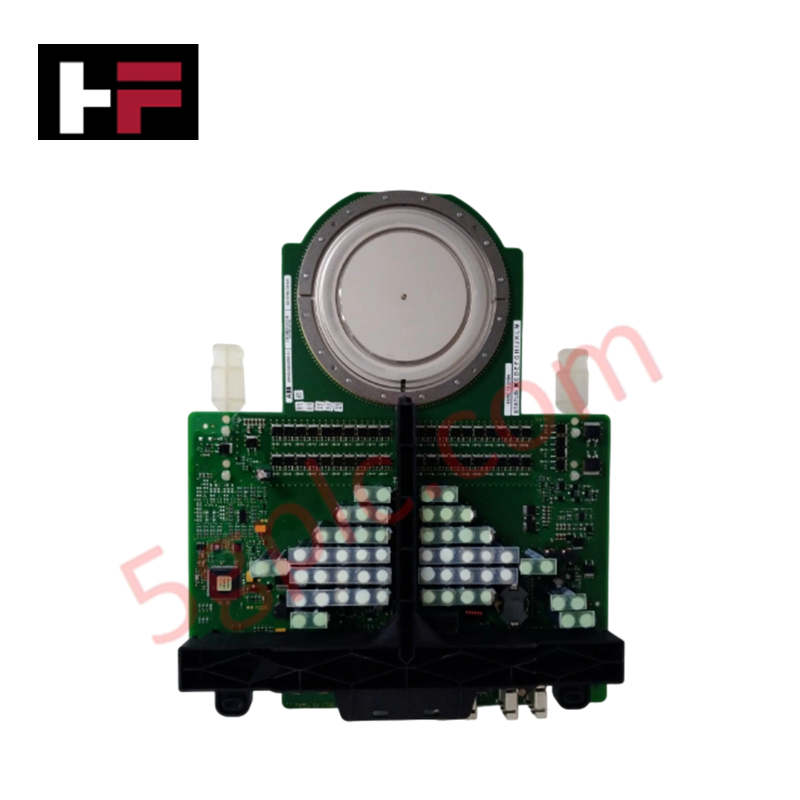
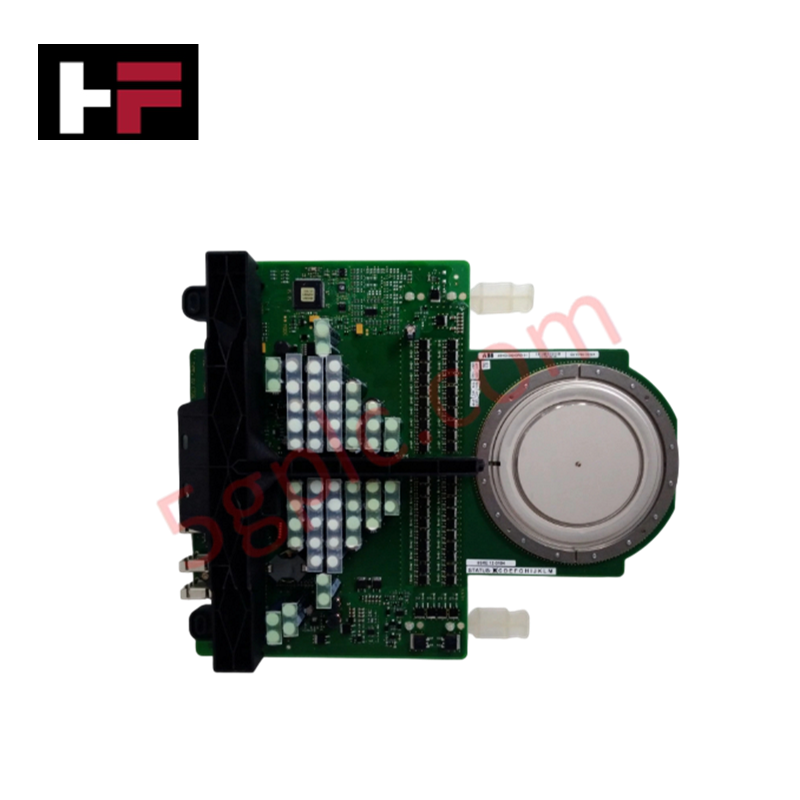
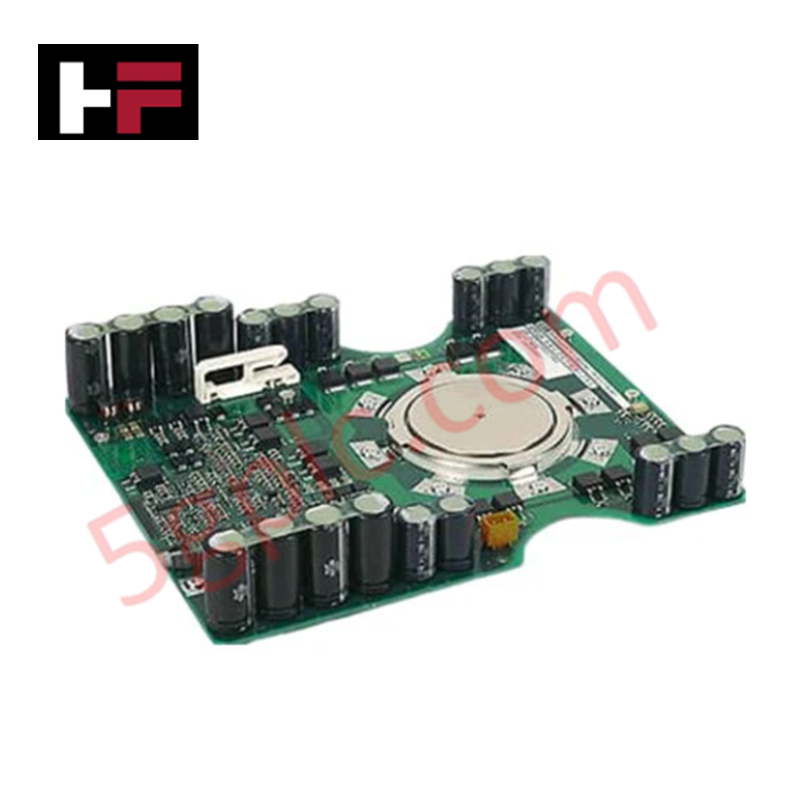
Configurado para la terminación de señales discretas en arquitecturas de control Mark VI, el GE IS200TDBTH2A (Tarjeta TMR Discreta IS200TDBTH2A) proporciona la ejecución física y eléctrica directa del enrutamiento de señales I/O multicanal para aplicaciones de control de turbinas.
Especificaciones de Hardware
| Parámetro | Especificación |
|---|---|
| Modelo | IS200TDBTH2A |
| Marca | General Electric |
| Origen | EE.UU. |
| Peso | Ensamblaje estándar de PCB |
| Dimensiones | Factor de forma estándar Mark VI |
| Temperatura de operación | Rango industrial certificado |
| Consumo de energía | Dependiente del bus del sistema |
| Capacidad I/O | Terminación discreta multicanal |
| Conectores | 3 puertos hembra de alta densidad |
Redes determinísticas Profinet / EtherNet/IP
El IS200TDBTH2A funciona como un nodo de interfaz dentro del ecosistema Mark VI, facilitando el acondicionamiento estandarizado de señales entre la instrumentación montada en campo y los paquetes I/O del sistema. La arquitectura de la tarjeta soporta la velocidad de comunicación determinística del bus de backplane, asegurando que la adquisición de estados discretos permanezca sincronizada con los ciclos de escaneo del controlador. La compatibilidad con la actualización de firmware flash se gestiona a través de la configuración del paquete I/O anfitrión, que define el mapeo lógico para los sensores y actuadores conectados. El módulo soporta la escalabilidad de densidad I/O mediante su diseño integrado de bloque terminal, permitiendo una transmisión de señal de alta integridad mientras minimiza la degradación de la señal en el cableado de campo. La construcción del PCB utiliza un capacitor esférico y puertos de conector de alta densidad para mantener una impedancia eléctrica estable durante operaciones de conmutación de alta velocidad.
Preguntas Frecuentes
P: ¿El IS200TDBTH2A soporta intercambio en caliente bajo carga?
R: No. La sustitución de la tarjeta terminal requiere que el lazo I/O asociado esté desenergizado para evitar que corrientes transitorias dañen el circuito de entrada/salida o los dispositivos de campo conectados.
P: ¿Son intercambiables los tres puertos de conector?
R: No. Cada uno de los tres puertos de conector de alta densidad está codificado para una interfaz específica del paquete I/O. Asegúrese de que los cables estén correctamente etiquetados y emparejados con sus puertos designados para evitar errores de cableado y posibles fallos lógicos.
Guías para la Instalación en Campo
- Montaje: Fije la tarjeta dentro del gabinete de control usando los orificios de montaje proporcionados. Mantenga una distancia adecuada de las líneas de CA de alto voltaje para evitar ruido inducido en las rutas de señal discreta.
- Cableado: Termine el cableado de campo usando los bloques terminales tipo cubo designados. Mantenga la polaridad consistente en todos los lazos discretos y asegure que las mallas de los cables estén conectadas a tierra en un solo punto de baja impedancia para minimizar el ruido en modo común.
- Conexiones: Asegúrese de que los tres conectores hembra de alta densidad estén completamente insertados y asegurados a los cables del paquete I/O correspondiente. Verifique que no haya pines doblados o dañados durante el proceso de conexión.
- Ambiente: Verifique que la temperatura interna del gabinete se mantenga dentro del rango industrial especificado. Proporcione suficiente flujo de aire para evitar la acumulación de calor alrededor de los componentes pasivos y activos de la tarjeta.
- Verificación: Antes de energizar, realice una comprobación eléctrica punto a punto para verificar la integridad del cableado y la polaridad. Use la herramienta de diagnóstico Mark VI para confirmar que todas las entradas y salidas discretas sean registradas correctamente por la lógica del controlador.
Información adicional
- 100% Piezas Originales: Todos los productos son originales y auténticos, garantizando un rendimiento industrial confiable.
- Garantía de Reembolso de 30 Días: Devuelva cualquier artículo en stock dentro de los 30 días en su embalaje original y sin abrir para un reembolso completo (excluyendo envío y tarifas).
- Garantía de 12 Meses: Cubre defectos en materiales o mano de obra; excluye mal uso, desgaste normal o modificaciones no autorizadas.
- Envío Mundial: Enviamos vía USPS, UPS, FedEx y DHL. Los tiempos de entrega varían según el país y pueden estar sujetos a aduanas o tarifas de importación.
- Soporte y Contacto: Asistencia técnica y de garantía disponible en cualquier momento. Contáctenos aquí: Contacto.
- Guía de Compra: Verifique cuidadosamente las especificaciones y compatibilidad del producto antes de ordenar para asegurar la aplicación correcta.


Guía de Tecnología y Compras
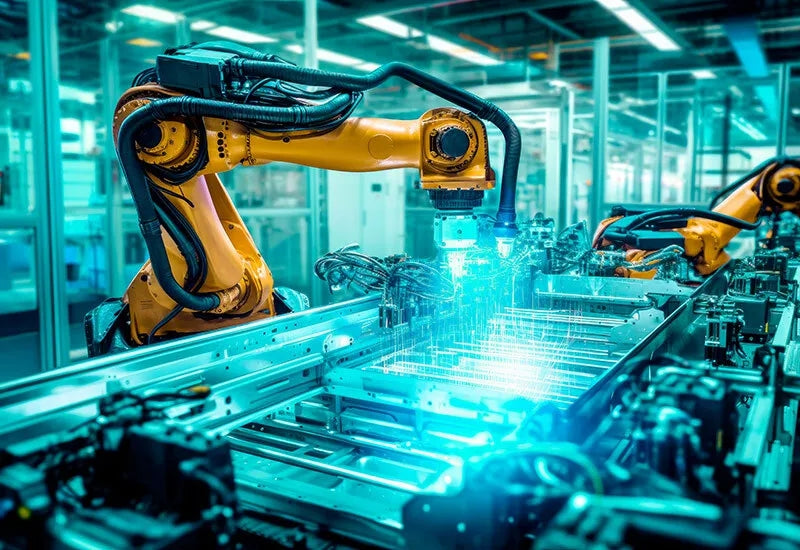
Por qué las fuentes de alimentación de 24V DC estandarizan la automatización industrial moderna
Los armarios de control industrial en todo el mundo dependen de 24V CC como el estándar universal de alimentación para instrumentación de campo, sensores y controladores. Entra en cualquier planta de fabricación y encontrarás PLCs, interfaces hombre-máquina (HMI) y actuadores inteligentes funcionando con corriente continua de muy bajo voltaje. Estandarizar en 24V CC mejora la seguridad operativa, reduce el espacio del armario y mantiene un rendimiento de control constante en las redes de la fábrica.

Comandos Esenciales de Control de Movimiento: Una Guía Práctica para Ingenieros
Los ingenieros de automatización a menudo dependen del control preciso de posición y velocidad para manejar la maquinaria moderna de las fábricas. Los sistemas industriales modernos, como los Controladores Lógicos Programables (PLC) y los Sistemas de Control Distribuido (DCS), dependen en gran medida de instrucciones de movimiento estandarizadas. Dominar estos comandos garantiza la seguridad operativa, protege los componentes mecánicos y optimiza los tiempos de ciclo en las líneas de producción.
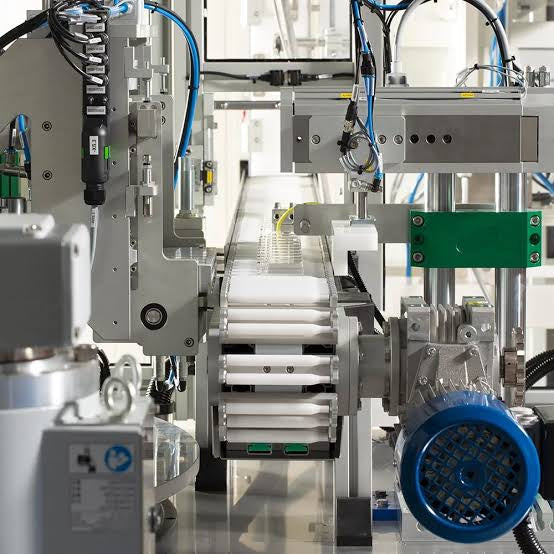
Dominando los controles modernos de joystick industrial en la automatización pesada
Los joysticks industriales desempeñan un papel fundamental en la interacción humano-máquina en el manejo de materiales pesados y la hidráulica móvil. Estos controladores táctiles traducen movimientos complejos del operador en señales eléctricas precisas para PLC, controladores de movimiento y redes DCS. Por lo tanto, seleccionar e instalar la arquitectura de joystick adecuada garantiza la seguridad del operador, reduce la fatiga y optimiza el rendimiento del equipo.