










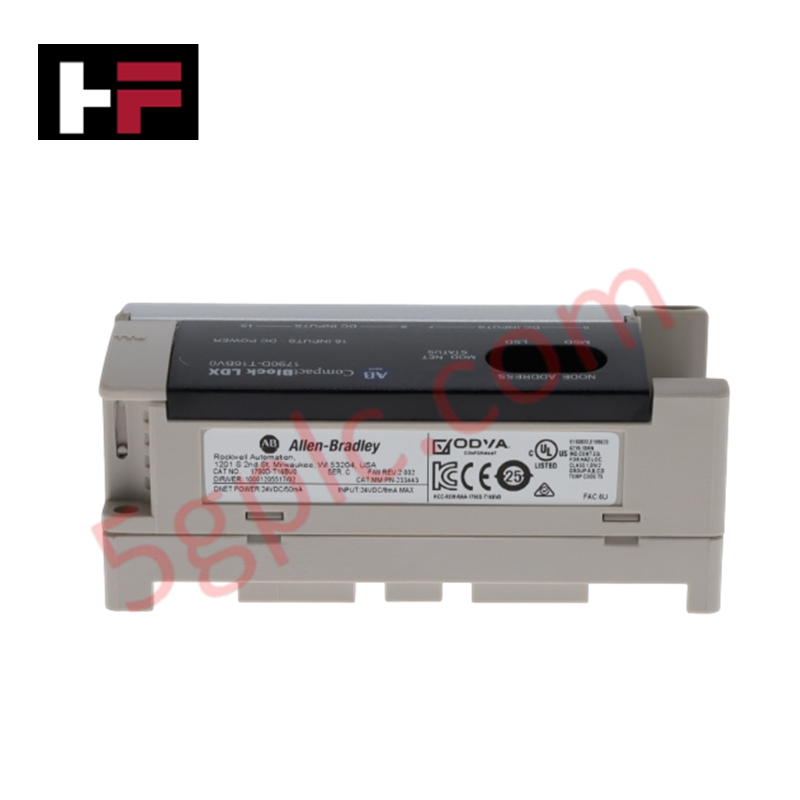
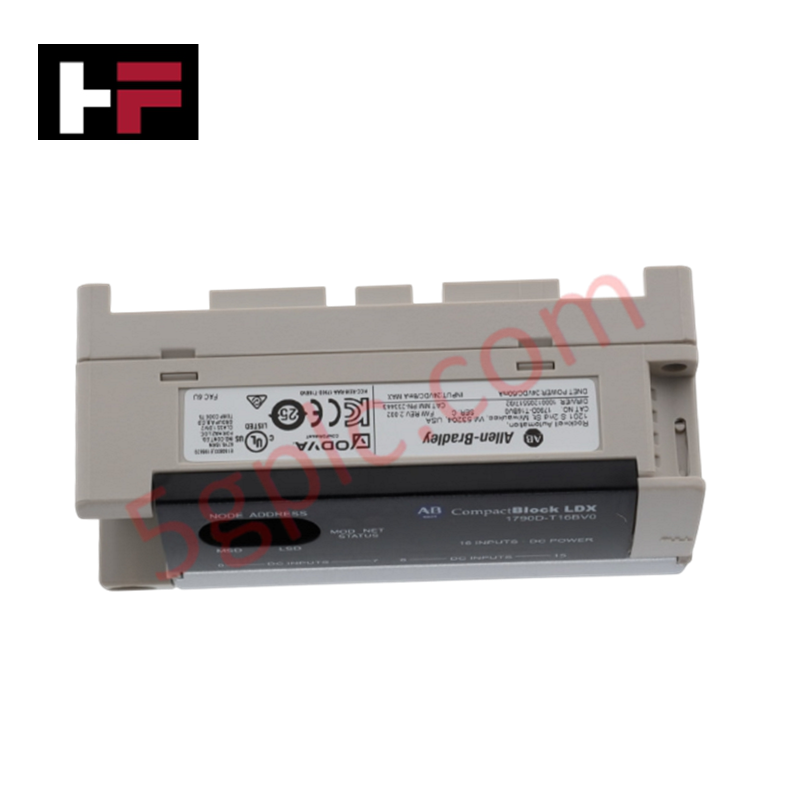
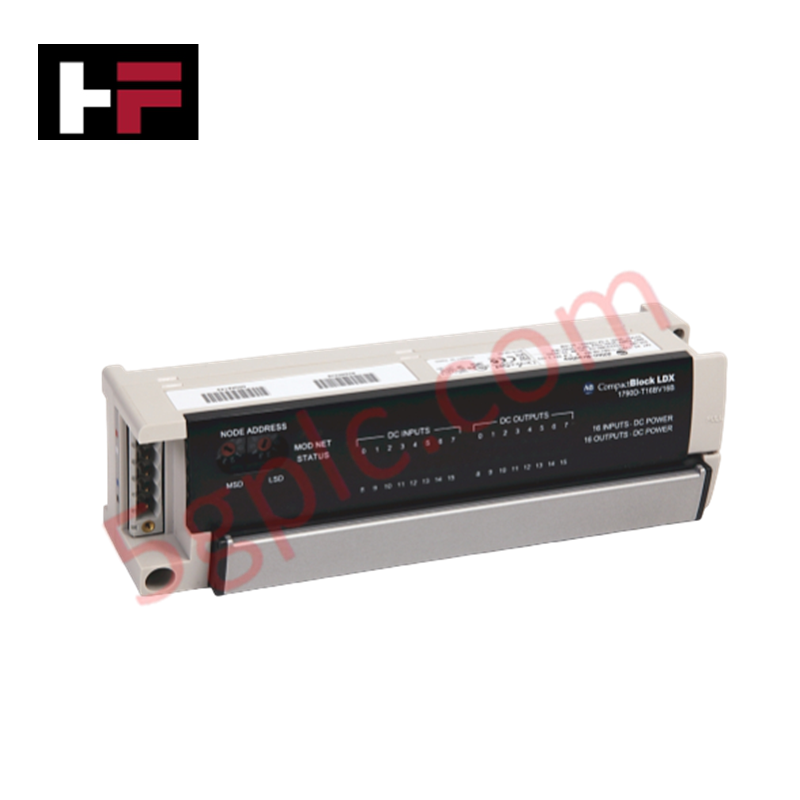
Detalles del producto
Descripción del producto
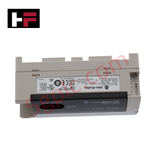
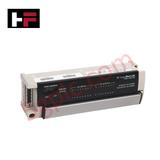
El Allen-Bradley 1790D-T16BV0 es un robusto bloque de entrada de CC universal de 16 puntos diseñado específicamente para el sistema de E/S distribuida CompactBlock LDX. Este dispositivo ofrece una flexibilidad de cableado excepcional al admitir configuraciones de sumidero y fuente en sus entradas de CC de 24 V, lo que permite una integración perfecta con una amplia variedad de sensores e interruptores de campo. Diseñado para entornos industriales hostiles, soporta vibraciones y golpes significativos, lo que lo hace ideal para aplicaciones de automatización a nivel de máquina. Suministramos este artículo como una unidad 100% nueva y sellada de fábrica.
Especificaciones técnicas
| Parámetro | Especificación |
|---|---|
| Fabricante | Allen-Bradley (Rockwell Automation) |
| Línea de producto | CompactBlock LDX |
| Tipo de dispositivo | Bloque base de entrada de CC universal |
| Número de entradas | 16 entradas digitales |
| Tipo de entrada | 24V CC sumidero / fuente (universal) |
| Tensión nominal de estado "encendido" | 24V CC |
| Rango de tensión de estado "encendido" | 9.6V CC (mín.) a 28.8V CC (máx.) |
| Tensión de estado "apagado" | 5V CC (máx.) |
| Corriente de estado "encendido" | 8 mA a 24V CC por canal |
| Corriente de estado "apagado" | 1.5 mA a 5V CC (máx.) |
| Temperatura de funcionamiento | 0 a 60°C (32 a 140°F) |
| Choque operativo | 30 g pico |
| Vibración | 5 g a 10 a 500 Hz |
| Humedad | 5 a 90% (sin condensación) |
| Peso | 3.00 lbs (1.36 kg) |
Ventajas de ingeniería
Flexibilidad universal de sumidero y fuente
El 1790D-T16BV0 elimina las complejas soluciones de cableado al aceptar señales de CC de 24 V tanto de sumidero como de fuente en el mismo módulo. Esta capacidad de entrada universal permite a los ingenieros conectar diversos dispositivos de campo, como sensores de proximidad PNP y NPN, interruptores de límite y pulsadores, sin necesidad de módulos separados para diferentes tipos de sensores, lo que simplifica significativamente el inventario y el diseño del panel.
Robustez para entornos de alta vibración
Construido para soportar las exigencias físicas de la automatización en el piso de la fábrica, este bloque de entrada presenta un diseño mecánico altamente duradero. Soporta golpes operativos de hasta 30 g de pico y vibraciones continuas de 5 g en un rango de frecuencia de 10 a 500 Hz. Esta robustez garantiza una adquisición de señales estable y evita falsos disparos en aplicaciones dinámicas como maquinaria de envasado, transportadores y líneas de montaje de automóviles.
E/S a nivel de máquina compacta y escalable
Como parte del sistema CompactBlock LDX, este módulo ofrece un tamaño compacto perfecto para el montaje directo en o cerca de la maquinaria. Su diseño modular permite encadenar varios bloques de E/S, reduciendo la cantidad de cableado de retorno al armario de control principal y permitiendo construcciones y reacondicionamientos de máquinas más rápidos y rentables.
Preguntas frecuentes
P: ¿Puede el 1790D-T16BV0 manejar sensores de sumidero y de fuente?
R: Sí, este es un bloque de entrada de CC universal. Admite completamente configuraciones de entrada de CC de 24 V tanto de sumidero como de fuente, lo que le brinda total flexibilidad al integrar varios sensores e interruptores de campo.
P: ¿Cuál es el rango de voltaje de funcionamiento para que las entradas registren un estado "Encendido"?
R: El módulo detecta de forma fiable un estado "Encendido" cuando el voltaje de entrada está entre 9.6 V CC (mínimo) y 28.8 V CC (máximo), con una clasificación nominal de 24 V CC.
P: ¿Con qué sistema de E/S es compatible el 1790D-T16BV0?
R: Este bloque base de entrada está diseñado exclusivamente para el sistema de E/S distribuida CompactBlock LDX de Allen-Bradley, lo que permite una expansión e integración perfectas con adaptadores de red compatibles.
P: ¿Cuánta corriente consume cada canal de entrada cuando está activo?
R: Cada canal consume un máximo de 8 mA a 24 V CC cuando está en estado "Encendido". Asegúrese de que el presupuesto de energía de su sistema tenga en cuenta el consumo total de corriente de todas las entradas activas.
Información adicional
- 100% Piezas Originales: Todos los productos son originales y auténticos, garantizando un rendimiento industrial confiable.
- Garantía de Reembolso de 30 Días: Devuelva cualquier artículo en stock dentro de los 30 días en su embalaje original y sin abrir para un reembolso completo (excluyendo envío y tarifas).
- Garantía de 12 Meses: Cubre defectos en materiales o mano de obra; excluye mal uso, desgaste normal o modificaciones no autorizadas.
- Envío Mundial: Enviamos vía USPS, UPS, FedEx y DHL. Los tiempos de entrega varían según el país y pueden estar sujetos a aduanas o tarifas de importación.
- Soporte y Contacto: Asistencia técnica y de garantía disponible en cualquier momento. Contáctenos aquí: Contacto.
- Guía de Compra: Verifique cuidadosamente las especificaciones y compatibilidad del producto antes de ordenar para asegurar la aplicación correcta.


Guía de Tecnología y Compras

Comprendiendo los tipos de ruido en circuitos electrónicos y sistemas de control
La integridad de la señal determina directamente la precisión de la medición y la estabilidad del lazo en entornos de automatización industrial. El ruido electrónico introduce interferencias estocásticas no deseadas en los lazos analógicos, las líneas de retroalimentación de sensores y las redes digitales de campo. Comprender cómo se manifiestan el ruido electrónico intrínseco y la interferencia electromagnética externa permite a los ingenieros de control optimizar el acondicionamiento de la señal y proteger eficazmente los instrumentos sensibles.

Por qué las fuentes de alimentación de 24V DC estandarizan la automatización industrial moderna
Los armarios de control industrial en todo el mundo dependen de 24V CC como el estándar universal de alimentación para instrumentación de campo, sensores y controladores. Entra en cualquier planta de fabricación y encontrarás PLCs, interfaces hombre-máquina (HMI) y actuadores inteligentes funcionando con corriente continua de muy bajo voltaje. Estandarizar en 24V CC mejora la seguridad operativa, reduce el espacio del armario y mantiene un rendimiento de control constante en las redes de la fábrica.

Comandos Esenciales de Control de Movimiento: Una Guía Práctica para Ingenieros
Los ingenieros de automatización a menudo dependen del control preciso de posición y velocidad para manejar la maquinaria moderna de las fábricas. Los sistemas industriales modernos, como los Controladores Lógicos Programables (PLC) y los Sistemas de Control Distribuido (DCS), dependen en gran medida de instrucciones de movimiento estandarizadas. Dominar estos comandos garantiza la seguridad operativa, protege los componentes mecánicos y optimiza los tiempos de ciclo en las líneas de producción.