










Detalles del producto
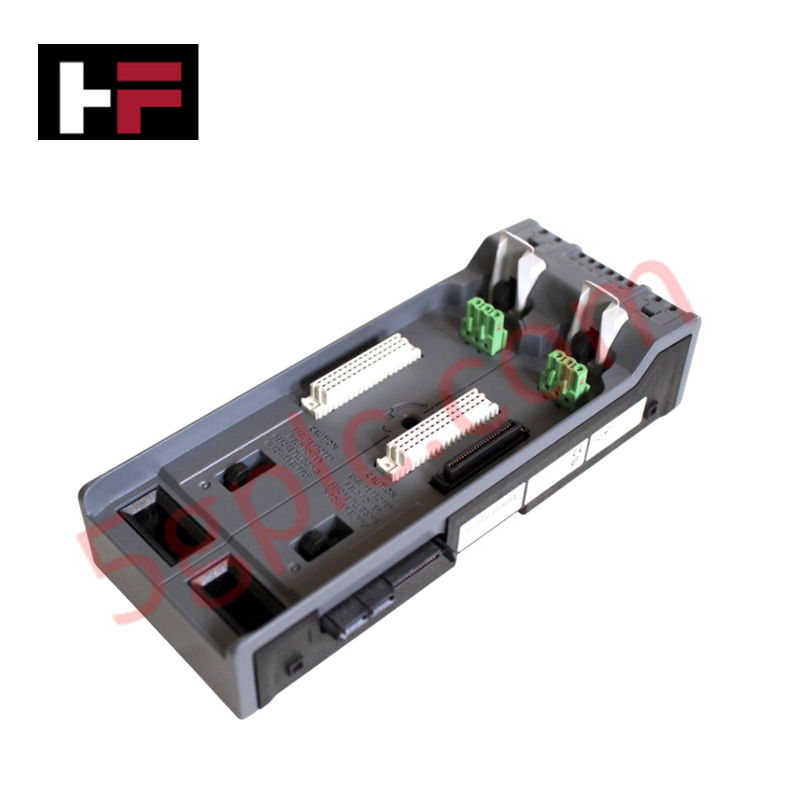
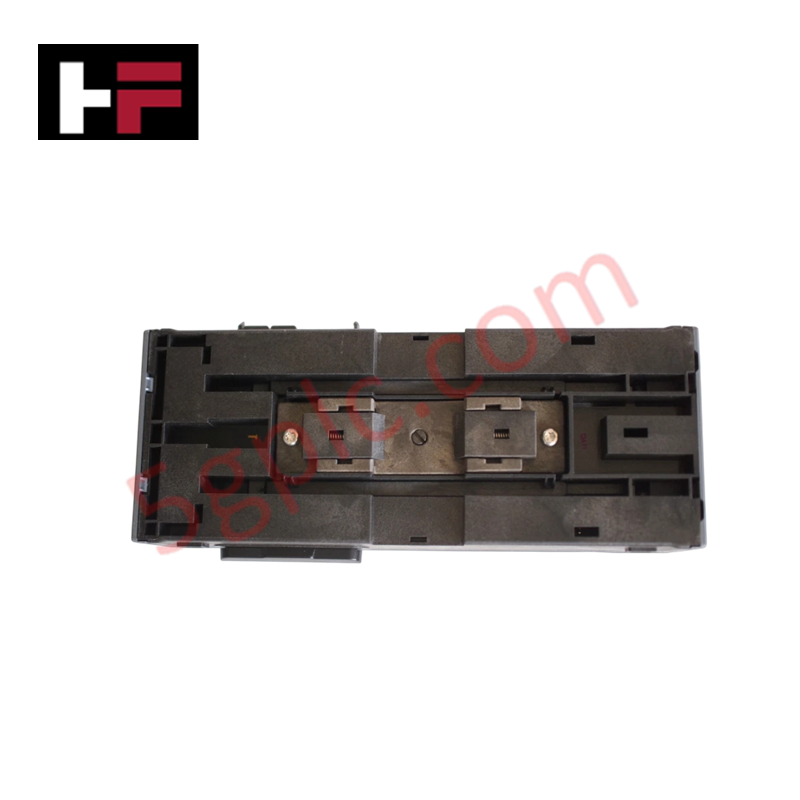
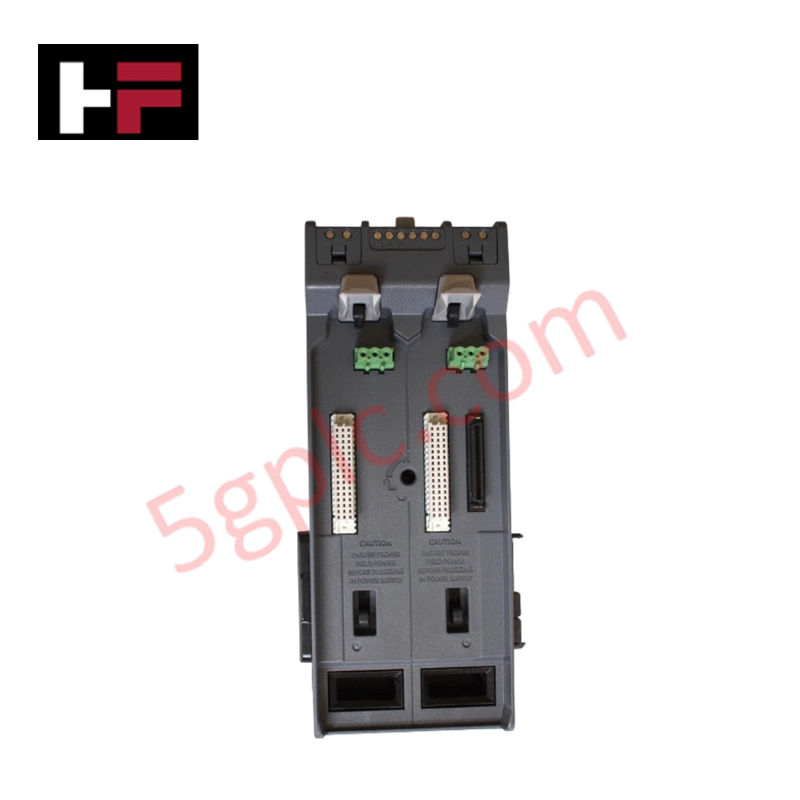
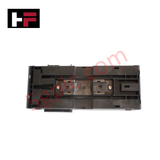
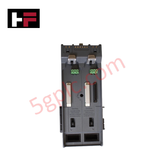
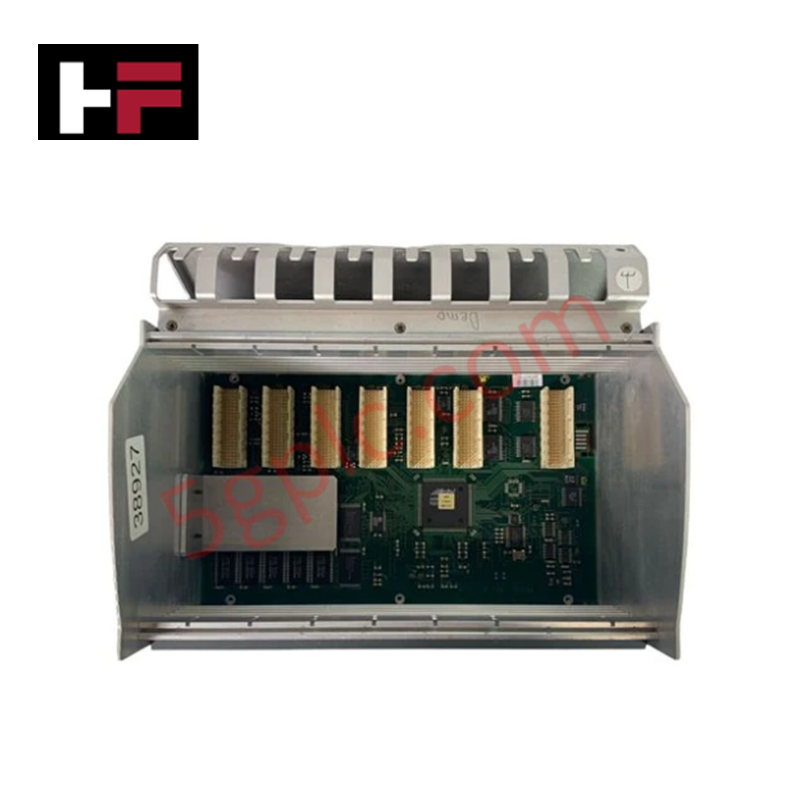
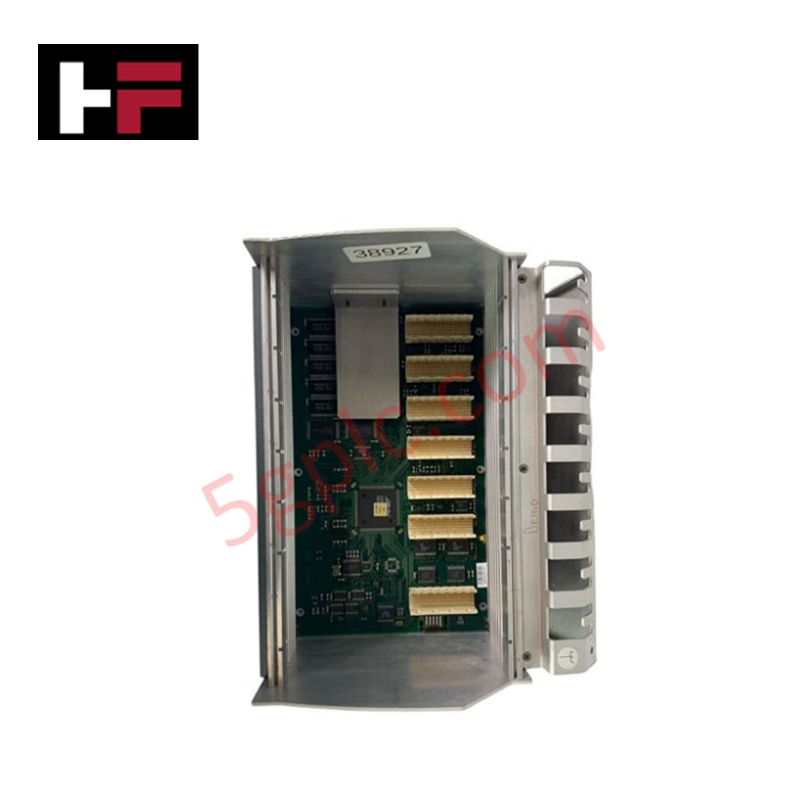
Configurado para la distribución y gestión de energía en redes de control DeltaV, el Emerson KJ4005X1-BA1 (KJ4005X1-BA1 Portador de Controlador de Energía de 2 Anchos) proporciona la ejecución física/eléctrica directa de la regulación de energía del bus y la distribución de energía de campo.
Especificaciones de Hardware
| Parámetro | Especificación |
| Modelo | KJ4005X1-BA1 |
| Marca | Emerson |
| Origen | EE.UU. |
| Peso | 0.5 kg (1.0 lb) |
| Dimensiones | 10.2 cm x 22.9 cm x 6.3 cm |
| Temperatura de operación | -40 °C a +70 °C |
| Consumo de energía | 12 VCC Bus Local / 30 VCC Energía de Campo |
| Energía del Bus Local | 12 VCC a 15 A |
| Energía de Campo | 30 VCC a 3 A por tarjeta |
Control de Procesos: Aislamiento Canal a Canal
El portador KJ4005X1-BA1 está diseñado para mantener la separación eléctrica entre la energía del bus local y las rutas de distribución de energía de campo. Esta arquitectura utiliza aislamiento galvánico integrado para evitar la transmisión de ruido desde los lazos de actuadores del lado de campo hacia el bus principal del controlador. Al mantener límites dieléctricos estrictos y utilizar un plano de tierra de baja impedancia, el portador asegura que las transitorias o cortocircuitos localizados en los circuitos de campo no comprometan la estabilidad del bus local de 12 VCC. El diseño soporta específicamente configuraciones de alta densidad, garantizando que el aislamiento siga siendo efectivo incluso bajo condiciones de carga máxima de 15 A en el bus local y 3 A por tarjeta en las líneas de energía de campo.
Preguntas Frecuentes (FAQ)
P: ¿Se puede usar este portador en ambientes de alta corrosión?
R: Sí. El KJ4005X1-BA1 está certificado para cumplir con los estándares ISA-S71.04-1985 Clase G3 para contaminantes en el aire, permitiendo una operación confiable en ambientes donde hay gases corrosivos, siempre que se cumplan los requisitos estándar de sellado del gabinete.
P: ¿Es este portador susceptible a la degradación del rendimiento por vibración mecánica?
R: El portador está clasificado para resistencia a vibraciones de hasta 1 mm pico a pico (2-13.2 Hz) y 0.7 g (13.2-150 Hz). Asegúrese de que todos los mecanismos de bloqueo de los módulos estén completamente enganchados y que el portador esté montado en un panel trasero rígido del gabinete para cumplir con estas especificaciones mecánicas.
Guías para la Instalación en Campo
-
Montaje: Asegure el portador a la superficie de montaje usando los puntos de fijación proporcionados. Asegúrese de que el portador esté orientado verticalmente para optimizar la convección natural y la disipación de calor para los circuitos de energía de 12 VCC y 30 VCC.
-
Puesta a tierra: Conecte el chasis del portador al bus de tierra del gabinete. Es obligatorio un conexión a tierra de baja impedancia para mantener la integridad de los planos de blindaje integrados y la protección contra picos de voltaje transitorios.
-
Cableado: Utilice conductores de tamaño adecuado para la entrada de energía de campo de 30 VCC para minimizar la caída de voltaje. Todo el cableado de energía de campo debe estar separado del cableado de señales analógicas de bajo nivel para evitar acoplamientos inductivos.
-
Balance de carga: Verifique que el consumo de corriente de las tarjetas I/O conectadas no exceda el límite de 3 A por tarjeta en las líneas de energía de campo. Controle la carga del bus local para asegurar que la corriente total se mantenga dentro de la clasificación de 15 A.
Información adicional
- 100% Piezas Originales: Todos los productos son originales y auténticos, garantizando un rendimiento industrial confiable.
- Garantía de Reembolso de 30 Días: Devuelva cualquier artículo en stock dentro de los 30 días en su embalaje original y sin abrir para un reembolso completo (excluyendo envío y tarifas).
- Garantía de 12 Meses: Cubre defectos en materiales o mano de obra; excluye mal uso, desgaste normal o modificaciones no autorizadas.
- Envío Mundial: Enviamos vía USPS, UPS, FedEx y DHL. Los tiempos de entrega varían según el país y pueden estar sujetos a aduanas o tarifas de importación.
- Soporte y Contacto: Asistencia técnica y de garantía disponible en cualquier momento. Contáctenos aquí: Contacto.
- Guía de Compra: Verifique cuidadosamente las especificaciones y compatibilidad del producto antes de ordenar para asegurar la aplicación correcta.


Guía de Tecnología y Compras

Por qué las fuentes de alimentación de 24V DC estandarizan la automatización industrial moderna
Los armarios de control industrial en todo el mundo dependen de 24V CC como el estándar universal de alimentación para instrumentación de campo, sensores y controladores. Entra en cualquier planta de fabricación y encontrarás PLCs, interfaces hombre-máquina (HMI) y actuadores inteligentes funcionando con corriente continua de muy bajo voltaje. Estandarizar en 24V CC mejora la seguridad operativa, reduce el espacio del armario y mantiene un rendimiento de control constante en las redes de la fábrica.

Comandos Esenciales de Control de Movimiento: Una Guía Práctica para Ingenieros
Los ingenieros de automatización a menudo dependen del control preciso de posición y velocidad para manejar la maquinaria moderna de las fábricas. Los sistemas industriales modernos, como los Controladores Lógicos Programables (PLC) y los Sistemas de Control Distribuido (DCS), dependen en gran medida de instrucciones de movimiento estandarizadas. Dominar estos comandos garantiza la seguridad operativa, protege los componentes mecánicos y optimiza los tiempos de ciclo en las líneas de producción.
Dominando los controles modernos de joystick industrial en la automatización pesada
Los joysticks industriales desempeñan un papel fundamental en la interacción humano-máquina en el manejo de materiales pesados y la hidráulica móvil. Estos controladores táctiles traducen movimientos complejos del operador en señales eléctricas precisas para PLC, controladores de movimiento y redes DCS. Por lo tanto, seleccionar e instalar la arquitectura de joystick adecuada garantiza la seguridad del operador, reduce la fatiga y optimiza el rendimiento del equipo.