










Detalles del producto
Descripción general del producto
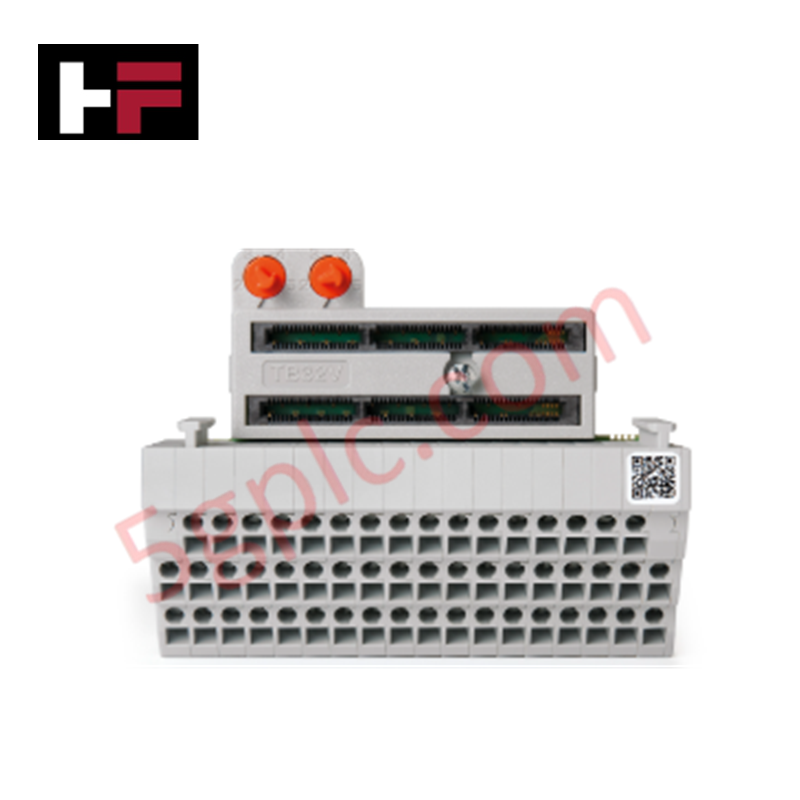
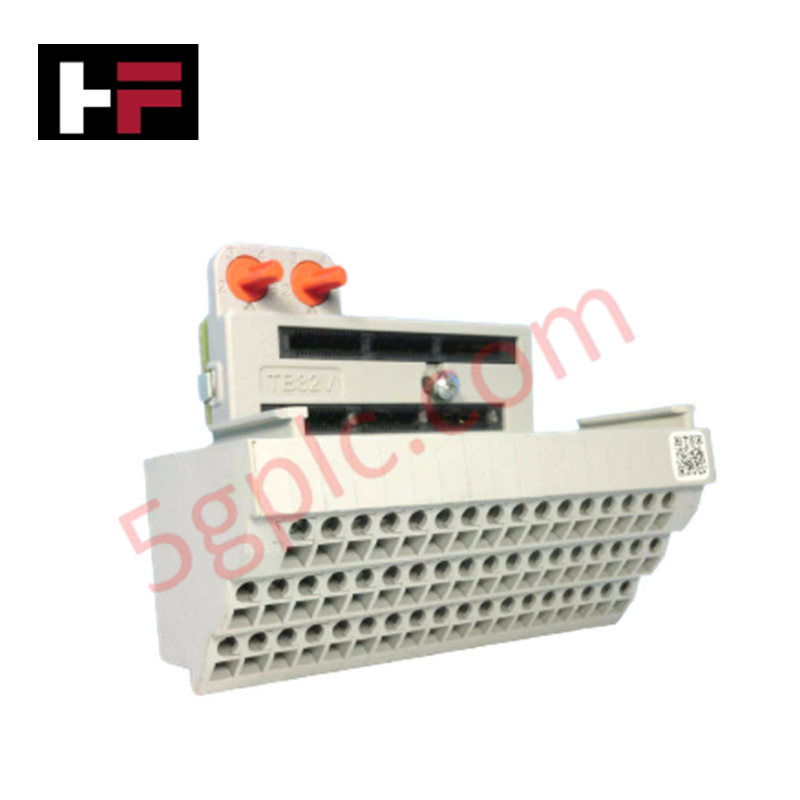
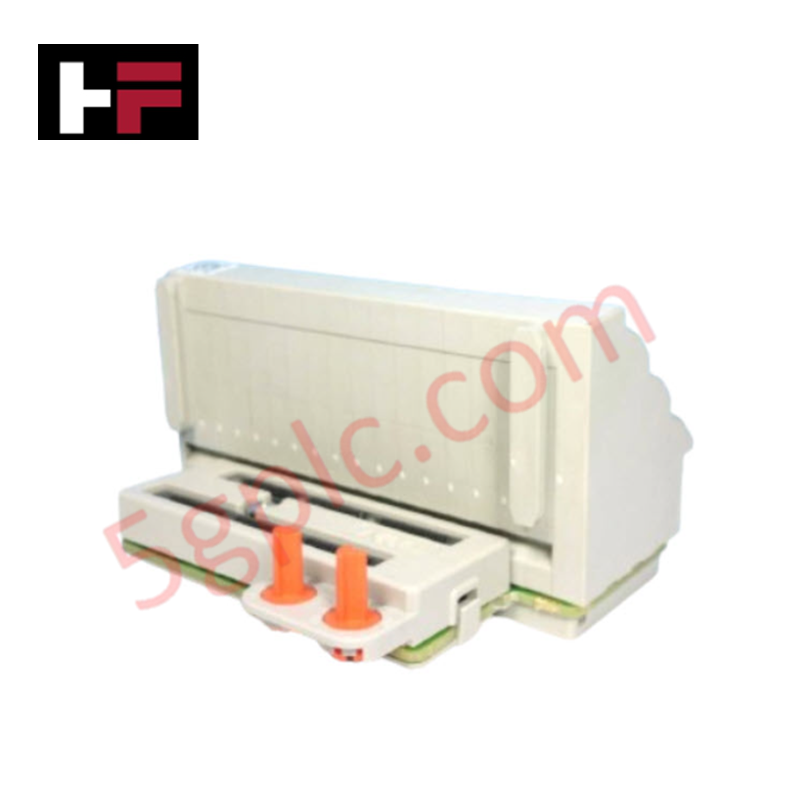
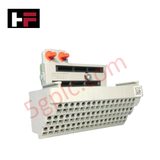
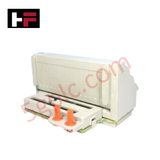
El Allen-Bradley 5094-RTB32V sirve como una interfaz de cableado crítica para el sistema de E/S FLEX 5000. Este bloque de terminales extraíble (RTB) de 32 puntos facilita la instalación y el mantenimiento rápidos del cableado de campo para módulos digitales y analógicos compatibles de FLEX 5000. Admite cables de cobre estándar de 14-22 AWG y maneja clasificaciones de E/S de hasta 2 amperios a 32 voltios de CC. Suministramos este artículo como una unidad 100 % nueva y sellada de fábrica.
Especificaciones técnicas
| Parámetro | Especificación |
|---|---|
| Fabricante | Allen-Bradley (Rockwell Automation) |
| Línea de producto | FLEX 5000 |
| Tipo de producto | Bloque de terminales extraíble (RTB) |
| Clasificación de E/S | 2 amperios a 32 voltios CC |
| Alimentación del sensor/actuador | 10 amperios a 18-32 voltios CC |
| Tamaño del cable | 14-22 AWG (solo cobre) |
| Voltaje de aislamiento | 250 voltios continuos |
| Ensamblaje base compatible | 5094-TB32V |
| Base de montaje compatible | 5094-MB |
| Peso | 0.25 lbs (0.11 kg) |
Ventajas de ingeniería
Sustitución rápida de módulos
El 5094-RTB32V presenta un diseño extraíble robusto que permite a los técnicos desconectar todo el bloque de terminales del módulo de E/S sin soltar cables individuales. Esta capacidad reduce drásticamente el tiempo medio de reparación (MTTR) durante los cambios de módulo o las actualizaciones del sistema, minimizando el costoso tiempo de inactividad de la producción en la fábrica.
Capacidad de cableado de alta densidad
Diseñado para tareas de automatización complejas, este bloque de terminales proporciona 32 puntos de conexión distintos en un tamaño compacto. Gestiona de manera eficiente la distribución de energía de sensores y actuadores, soportando hasta 10 amperios a 18-32 voltios de CC para energía auxiliar, lo que simplifica el cableado de múltiples dispositivos de campo a un solo módulo de E/S.
Conexiones seguras y estandarizadas
El RTB acepta cables de cobre estándar de 14-22 AWG, lo que garantiza la compatibilidad con el cableado industrial común. Su carcasa abierta permite una fácil inspección visual de la ubicación del cable, mientras que el voltaje de aislamiento continuo de 250 V proporciona una sólida barrera de seguridad entre el cableado del lado del campo y la lógica interna del sistema FLEX 5000.
Preguntas frecuentes
P: ¿Qué base de montaje es compatible con el 5094-RTB32V?
R: Este bloque de terminales extraíble está diseñado para enchufarse directamente en el conjunto de base de terminales 5094-TB32V, que se monta en la base de montaje 5094-MB dentro del sistema FLEX 5000.
P: ¿Cuál es el tamaño máximo de cable admitido por este bloque de terminales?
R: El 5094-RTB32V admite cables de cobre que van de 14 AWG a 22 AWG. El uso de cables fuera de este rango puede provocar una colocación incorrecta o fallas de conexión.
P: ¿Puede este bloque de terminales manejar la alimentación de sensores y actuadores?
R: Sí. Además de las señales de E/S estándar, el bloque de terminales admite clasificaciones de alimentación de sensores y actuadores de hasta 10 amperios a 18-32 voltios de CC, lo que le permite alimentar directamente múltiples dispositivos de campo.
P: ¿Cuál es la clasificación de voltaje de aislamiento para este componente?
R: El bloque de terminales proporciona un voltaje de aislamiento continuo de 250 voltios, protegiendo el backplane y el controlador FLEX 5000 de picos de voltaje en el lado del cableado de campo.
Información adicional
- 100% Piezas Originales: Todos los productos son originales y auténticos, garantizando un rendimiento industrial confiable.
- Garantía de Reembolso de 30 Días: Devuelva cualquier artículo en stock dentro de los 30 días en su embalaje original y sin abrir para un reembolso completo (excluyendo envío y tarifas).
- Garantía de 12 Meses: Cubre defectos en materiales o mano de obra; excluye mal uso, desgaste normal o modificaciones no autorizadas.
- Envío Mundial: Enviamos vía USPS, UPS, FedEx y DHL. Los tiempos de entrega varían según el país y pueden estar sujetos a aduanas o tarifas de importación.
- Soporte y Contacto: Asistencia técnica y de garantía disponible en cualquier momento. Contáctenos aquí: Contacto.
- Guía de Compra: Verifique cuidadosamente las especificaciones y compatibilidad del producto antes de ordenar para asegurar la aplicación correcta.
Guía de Tecnología y Compras
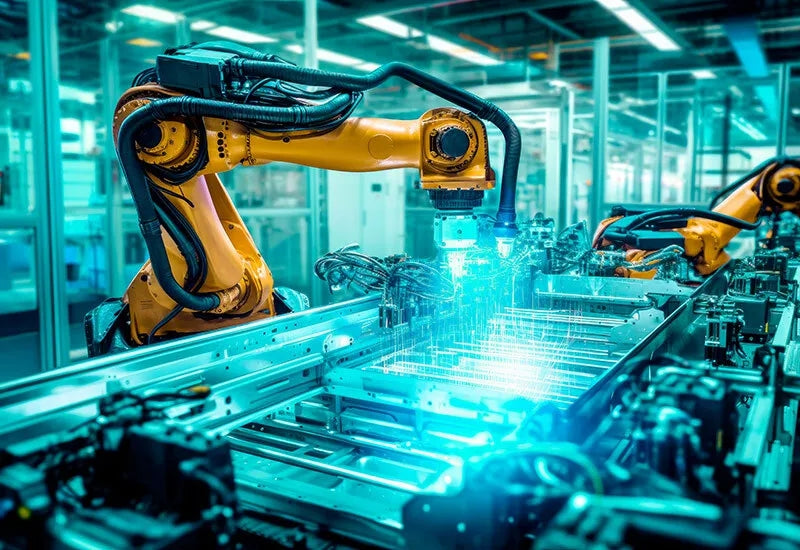
Por qué las fuentes de alimentación de 24V DC estandarizan la automatización industrial moderna
Los armarios de control industrial en todo el mundo dependen de 24V CC como el estándar universal de alimentación para instrumentación de campo, sensores y controladores. Entra en cualquier planta de fabricación y encontrarás PLCs, interfaces hombre-máquina (HMI) y actuadores inteligentes funcionando con corriente continua de muy bajo voltaje. Estandarizar en 24V CC mejora la seguridad operativa, reduce el espacio del armario y mantiene un rendimiento de control constante en las redes de la fábrica.

Comandos Esenciales de Control de Movimiento: Una Guía Práctica para Ingenieros
Los ingenieros de automatización a menudo dependen del control preciso de posición y velocidad para manejar la maquinaria moderna de las fábricas. Los sistemas industriales modernos, como los Controladores Lógicos Programables (PLC) y los Sistemas de Control Distribuido (DCS), dependen en gran medida de instrucciones de movimiento estandarizadas. Dominar estos comandos garantiza la seguridad operativa, protege los componentes mecánicos y optimiza los tiempos de ciclo en las líneas de producción.
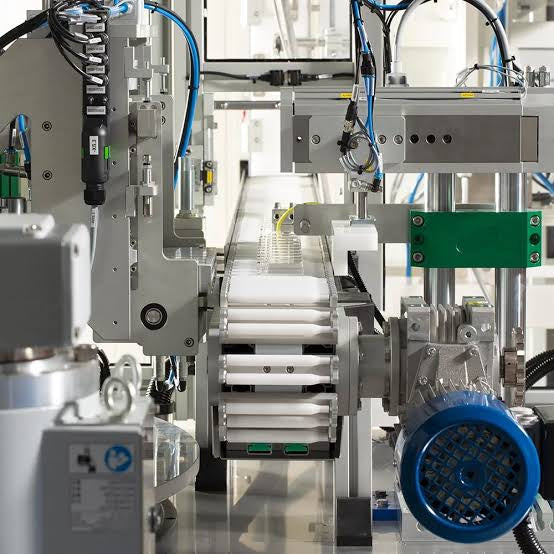
Dominando los controles modernos de joystick industrial en la automatización pesada
Los joysticks industriales desempeñan un papel fundamental en la interacción humano-máquina en el manejo de materiales pesados y la hidráulica móvil. Estos controladores táctiles traducen movimientos complejos del operador en señales eléctricas precisas para PLC, controladores de movimiento y redes DCS. Por lo tanto, seleccionar e instalar la arquitectura de joystick adecuada garantiza la seguridad del operador, reduce la fatiga y optimiza el rendimiento del equipo.