










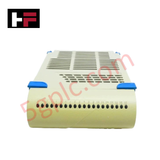
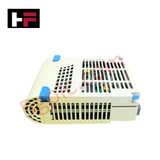
Detalles del producto
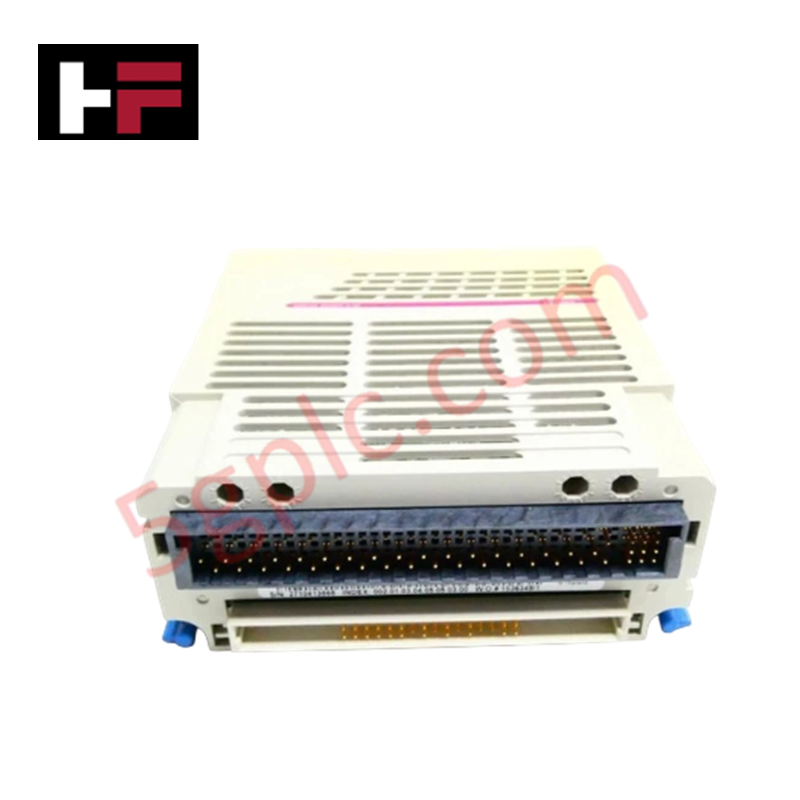
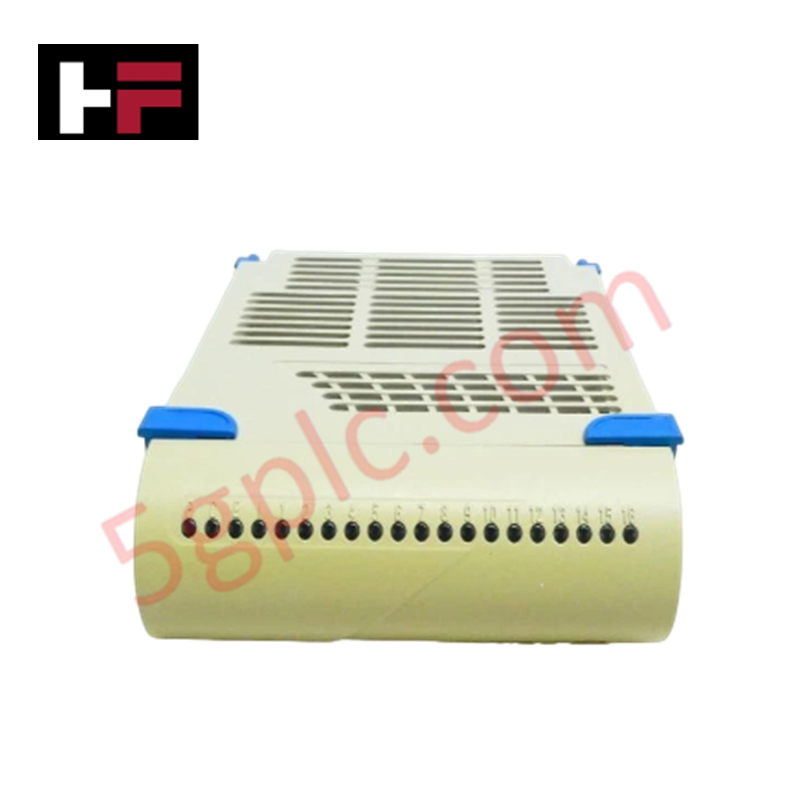
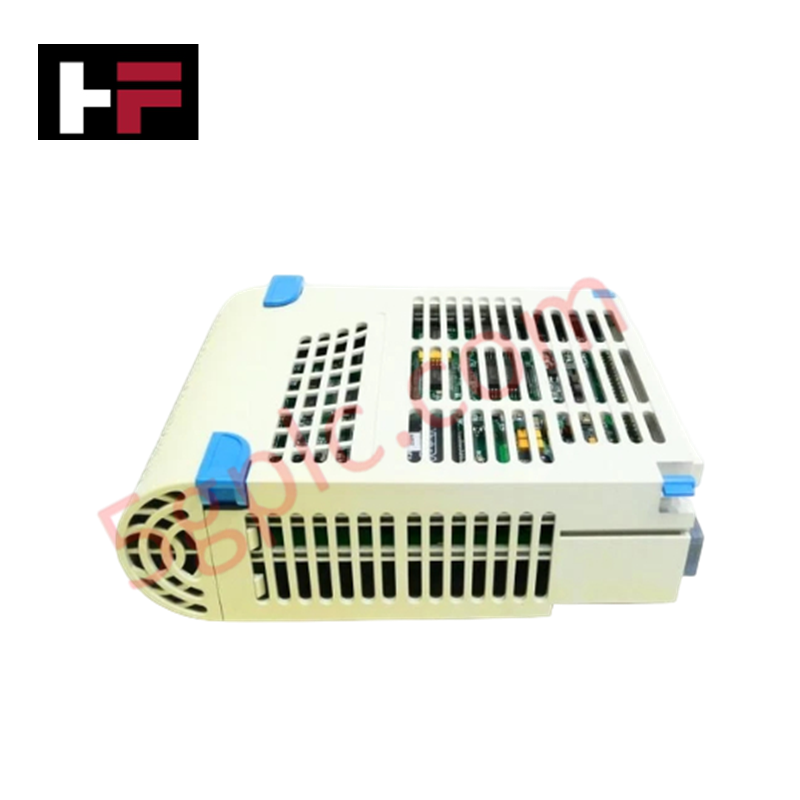
Configurado para la adquisición distribuida de señales en sistemas de control Ovation, el Emerson 1C31179G02 (Unidad Maestra de Entrada/Salida Remota 1C31179G02) proporciona ejecución eléctrica física directa para la interfaz de instrumentación de campo con redes de controladores centrales. El módulo funciona como un nodo de comunicación principal, facilitando el intercambio de datos entre sensores/actuadores de campo y el DCS anfitrión a través de múltiples interfaces industriales seriales y fieldbus compatibles.
Especificaciones de Hardware
| Parámetro | Especificación |
|---|---|
| Modelo | 1C31179G02 |
| Marca | Emerson |
| Peso | 0.3 kg |
| Dimensiones | 12.1 cm x 5.1 cm x 14.0 cm |
| Temperatura de operación | -40 a 85 °C |
| Consumo de energía | 24 VCC a 48 VCC |
| Capacidad de E/S | 16 Entradas Digitales, 8 Salidas Digitales |
Aislamiento entre canales y conectividad del proceso
La arquitectura del 1C31179G02 incorpora aislamiento entre canales para evitar que el ruido eléctrico y las transientes en modo común interrumpan la transmisión de datos entre los dispositivos de campo y el sistema de control. Este aislamiento es necesario para mantener la fidelidad de la señal a través de los diversos protocolos de comunicación, incluyendo RS-232, RS-422, RS-485, Modbus y Profibus DP. El módulo soporta diagnósticos integrados que monitorean el estado de los enlaces de comunicación, asegurando que las latencias de transmisión se mantengan dentro de límites deterministas durante ciclos de control de proceso de alta velocidad.
Preguntas Frecuentes (FAQ)
P: ¿El 1C31179G02 soporta intercambio en caliente durante la operación normal del sistema?
R: El módulo soporta la funcionalidad de intercambio en caliente dentro del chasis de E/S remota. Asegúrese de que toda la alimentación de campo esté aislada y que el bus de E/S esté en estado de mantenimiento antes de intentar extraer el módulo para evitar estados inesperados de salida o daños en el conector del backplane.
P: ¿Existen requisitos específicos de terminación para las líneas de comunicación RS-485?
R: Sí, se aplican prácticas estándar de terminación industrial. Asegúrese de que resistencias de 120 ohmios estén instaladas en ambos extremos físicos del segmento del bus RS-485 para mitigar reflexiones de señal y mantener la integridad de los datos.
Guías para la instalación en campo
- Confirme que el chasis de E/S remota esté montado de forma segura en un riel DIN o superficie plana.
- Alinee el módulo con los rieles guía del chasis y asiente la unidad firmemente hasta que el mecanismo de bloqueo enganche el conector del backplane.
- Termine todo el cableado de señal en el bloque de terminales; asegúrese de utilizar cables apantallados para las líneas de comunicación serial para reducir la interferencia electromagnética (EMI).
- Conecte las pantallas de los cables a una tierra de referencia común en el punto de entrada del gabinete, manteniendo un camino de baja impedancia para la descarga de transientes.
- Verifique la configuración del protocolo de comunicación mediante el software de control para asegurar que la velocidad en baudios y la paridad del módulo coincidan con la configuración de la red antes de la puesta en marcha final.
Información adicional
- 100% Piezas Originales: Todos los productos son originales y auténticos, garantizando un rendimiento industrial confiable.
- Garantía de Reembolso de 30 Días: Devuelva cualquier artículo en stock dentro de los 30 días en su embalaje original y sin abrir para un reembolso completo (excluyendo envío y tarifas).
- Garantía de 12 Meses: Cubre defectos en materiales o mano de obra; excluye mal uso, desgaste normal o modificaciones no autorizadas.
- Envío Mundial: Enviamos vía USPS, UPS, FedEx y DHL. Los tiempos de entrega varían según el país y pueden estar sujetos a aduanas o tarifas de importación.
- Soporte y Contacto: Asistencia técnica y de garantía disponible en cualquier momento. Contáctenos aquí: Contacto.
- Guía de Compra: Verifique cuidadosamente las especificaciones y compatibilidad del producto antes de ordenar para asegurar la aplicación correcta.




Guía de Tecnología y Compras

Desmitificando los puertos de comunicación de la CPU en las arquitecturas de PLC de Siemens
La automatización industrial depende en gran medida de un intercambio de datos sólido entre dispositivos. Sin una conectividad fluida, los instrumentos de campo, los switches de red, las interfaces hombre-máquina y los controladores lógicos programables no pueden coordinarse eficazmente. Por lo tanto, comprender los diversos puertos de comunicación de la CPU disponibles en el hardware de Siemens garantiza un diseño eficiente de la automatización de fábrica y una integración fluida del sistema.

Dominio del ciclo de escaneo del PLC de Siemens: cómo la CPU ejecuta los programas de automatización
La automatización industrial depende en gran medida de los controladores lógicos programables (PLC) para gestionar procesos de fabricación complejos. Muchos ingenieros se adentran directamente en la programación sin dominar la arquitectura subyacente. Sin embargo, comprender cómo una CPU de PLC ejecuta un programa garantiza un diseño fiable del sistema. Por lo tanto, dominar el ciclo de escaneo optimiza tanto el rendimiento como la resolución de problemas en los sistemas de control modernos.

Cómo conectarse a PLC Siemens S7: 5 métodos esenciales de comunicación
Establecer un enlace de hardware fiable entre un terminal de programación y un controlador Siemens SIMATIC es esencial para los flujos de trabajo de ingeniería. Los ingenieros de campo dependen de distintas capas físicas, desde las conexiones serie heredadas hasta los protocolos Industrial Ethernet de alta velocidad. Los entornos modernos de automatización industrial priorizan la transferencia rápida de datos y la integración fluida de controladores. Seleccionar el método de conexión correcto simplifica las descargas de programas, la supervisión en línea y la resolución de problemas del sistema en sistemas de control complejos.