










Produktdetails
Produktübersicht
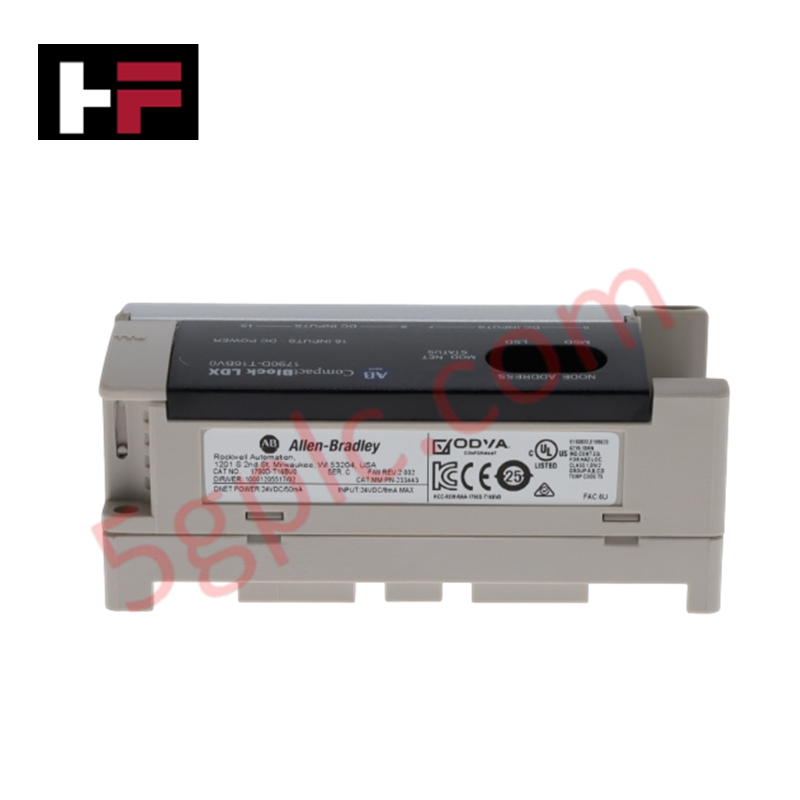
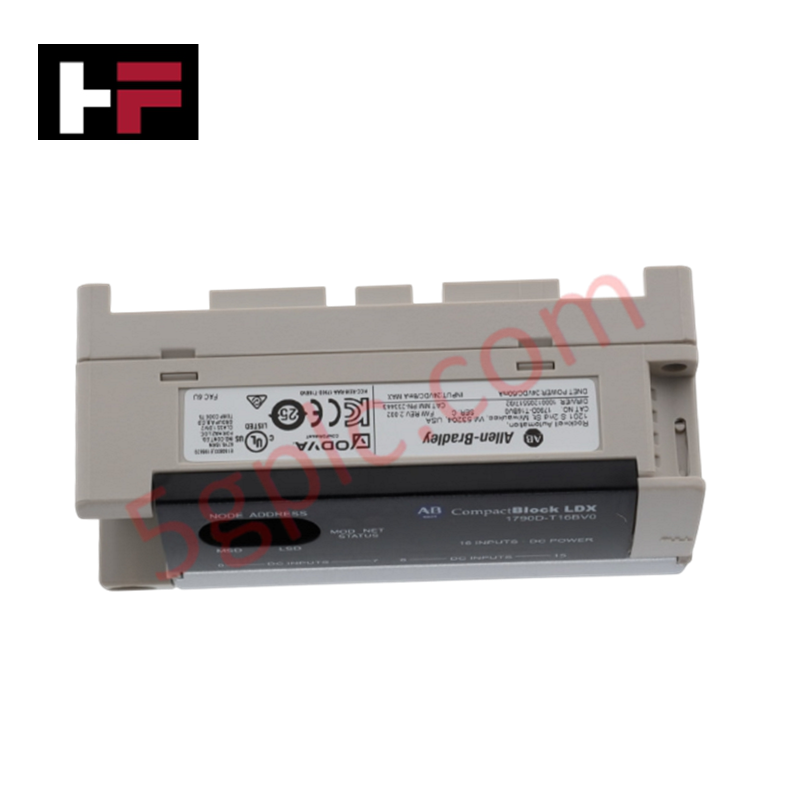
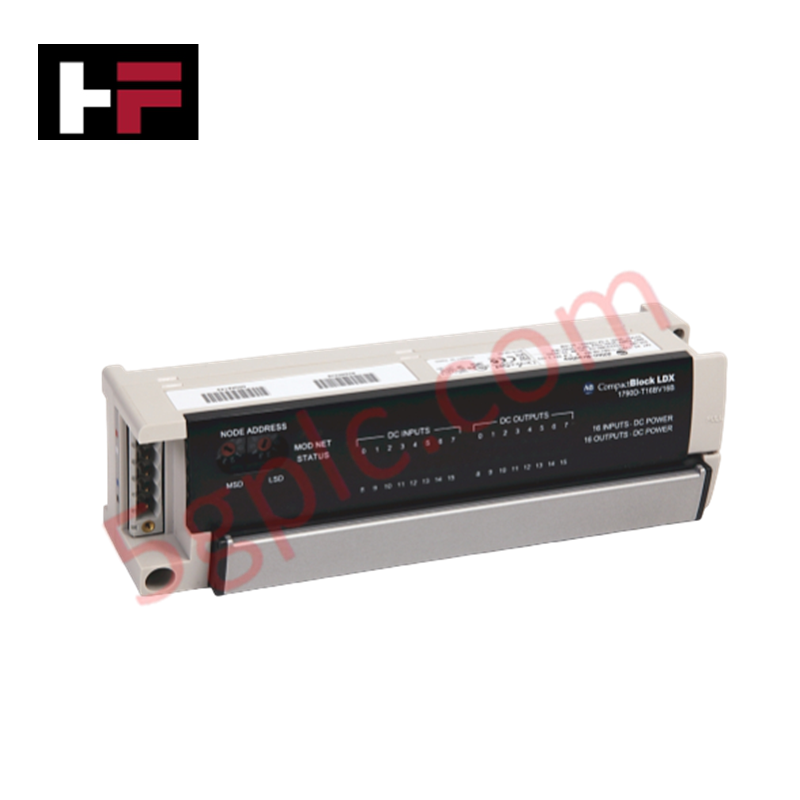
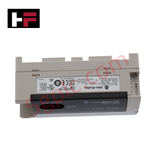
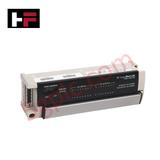
Der Allen-Bradley 1790D-T16BV0 ist ein robuster 16-Punkt-Universal-Gleichstromeingangsblock, der speziell für das CompactBlock LDX verteilte I/O-System entwickelt wurde. Dieses Gerät bietet außergewöhnliche Verdrahtungsflexibilität, da es sowohl Sinking- als auch Sourcing-Konfigurationen an seinen 24V-Gleichstromeingängen unterstützt und so eine nahtlose Integration mit einer Vielzahl von Feldsensoren und Schaltern ermöglicht. Entwickelt für raue Industrieumgebungen, hält es erheblichen Vibrationen und Stößen stand und ist ideal für Automatisierungsanwendungen auf Maschinenebene. Wir liefern diesen Artikel als 100 % fabrikneues, werkseitig versiegeltes Gerät.
Technische Spezifikationen
| Parameter | Spezifikation |
|---|---|
| Hersteller | Allen-Bradley (Rockwell Automation) |
| Produktlinie | CompactBlock LDX |
| Gerätetyp | Universal-Gleichstromeingangs-Basisblock |
| Anzahl der Eingänge | 16 digitale Eingänge |
| Eingangstyp | 24V DC Sink / Source (Universal) |
| Nennspannung im Ein-Zustand | 24V DC |
| Spannungsbereich im Ein-Zustand | 9,6V DC (Min) bis 28,8V DC (Max) |
| Spannung im Aus-Zustand | 5V DC (Max) |
| Strom im Ein-Zustand | 8 mA bei 24V DC pro Kanal |
| Strom im Aus-Zustand | 1,5 mA bei 5V DC (Max) |
| Betriebstemperatur | 0 bis 60°C (32 bis 140°F) |
| Betriebsstoß | 30 g Spitze |
| Vibration | 5 g bei 10 bis 500 Hz |
| Feuchtigkeit | 5 bis 90 % (nicht kondensierend) |
| Gewicht | 3,00 lbs (1,36 kg) |
Technische Vorteile
Universelle Sinking- und Sourcing-Flexibilität
Der 1790D-T16BV0 eliminiert komplexe Verdrahtungsumgehungen, indem er sowohl Sinking- als auch Sourcing-24V-DC-Signale am selben Modul akzeptiert. Diese universelle Eingangsfähigkeit ermöglicht es Ingenieuren, verschiedene Feldgeräte – wie PNP- und NPN-Näherungssensoren, Endschalter und Taster – ohne separate Module für unterschiedliche Sensortypen anzuschließen, was die Lagerhaltung und Schaltschrankgestaltung erheblich vereinfacht.
Robust für hochvibrationsintensive Umgebungen
Dieses Eingangsmodul ist für die physischen Anforderungen der Fabrikbodenautomatisierung ausgelegt und verfügt über ein äußerst robustes mechanisches Design. Es hält Betriebsstößen von bis zu 30 g Spitze und kontinuierlichen Vibrationen von 5 g im Frequenzbereich von 10 bis 500 Hz stand. Diese Robustheit gewährleistet eine stabile Signalaufnahme und verhindert Fehlauslösungen in dynamischen Anwendungen wie Verpackungsmaschinen, Förderanlagen und Automobilmontagelinien.
Kompakte und skalierbare I/O auf Maschinenebene
Als Teil des CompactBlock LDX-Systems bietet dieses Modul eine platzsparende Bauform, die sich ideal für die Montage direkt an oder in der Nähe von Maschinen eignet. Sein modulares Design ermöglicht das Kaskadieren mehrerer I/O-Blöcke, wodurch die Menge der Einzelverdrahtung zum Hauptschaltschrank reduziert und schnellere sowie kostengünstigere Maschinenaufbauten und Nachrüstungen ermöglicht werden.
FAQs
F: Kann der 1790D-T16BV0 sowohl Sinking- als auch Sourcing-Sensoren verarbeiten?
A: Ja, dies ist ein universeller Gleichstromeingangsblock. Er unterstützt vollständig sowohl Sinking- als auch Sourcing-24V-DC-Eingangskonfigurationen und bietet Ihnen somit volle Flexibilität bei der Integration verschiedener Feldsensoren und Schalter.
F: Welcher Betriebs-Spannungsbereich wird benötigt, damit die Eingänge einen „Ein“-Zustand registrieren?
A: Das Modul erkennt zuverlässig einen Ein-Zustand, wenn die Eingangsspannung zwischen 9,6V DC (Minimum) und 28,8V DC (Maximum) liegt, mit einer Nennspannung von 24V DC.
F: Mit welchem I/O-System ist der 1790D-T16BV0 kompatibel?
A: Dieser Eingangs-Basisblock ist exklusiv für das Allen-Bradley CompactBlock LDX verteilte I/O-System konzipiert und ermöglicht eine nahtlose Erweiterung und Integration mit kompatiblen Netzwerkadaptern.
F: Wie viel Strom zieht jeder Eingangskanal im aktiven Zustand?
A: Jeder Kanal zieht im Ein-Zustand maximal 8 mA bei 24V DC. Stellen Sie sicher, dass Ihr Systemleistungsbudget den Gesamtstromverbrauch aller aktiven Eingänge berücksichtigt.
Zusätzliche Informationen
- 100% Originalteile: Alle Produkte sind original und authentisch, was eine zuverlässige industrielle Leistung gewährleistet.
- 30-Tage Rückgabegarantie: Rückgabe aller vorrätigen Artikel innerhalb von 30 Tagen in der originalen, ungeöffneten Verpackung für eine volle Rückerstattung (ohne Versandkosten und Gebühren).
- 12 Monate Garantie: Deckt Material- oder Verarbeitungsfehler ab; schließt Missbrauch, normalen Verschleiß oder unautorisierte Änderungen aus.
- Weltweiter Versand: Wir versenden über USPS, UPS, FedEx und DHL. Die Lieferzeiten variieren je nach Land und können Zoll- oder Einfuhrgebühren unterliegen.
- Support & Kontakt: Technische und Garantieunterstützung ist jederzeit verfügbar. Kontaktieren Sie uns hier: Kontakt.
- Kaufberatung: Überprüfen Sie vor der Bestellung sorgfältig die Produktspezifikationen und Kompatibilität, um eine korrekte Anwendung sicherzustellen.


Technik- & Kaufberatung

Verstehen der Arten von Rauschen in elektronischen Schaltungen und Steuerungssystemen
Die Signalintegrität bestimmt direkt die Messgenauigkeit und die Stabilität der Regelkreise in industriellen Automatisierungsumgebungen. Elektronisches Rauschen führt unerwünschte stochastische Störungen in analoge Schleifen, Sensor-Rückführungsleitungen und digitale Feldbusnetzwerke ein. Das Verständnis darüber, wie intrinsisches elektronisches Rauschen und externe elektromagnetische Störungen auftreten, ermöglicht es Steuerungsingenieuren, die Signalaufbereitung zu optimieren und empfindliche Messinstrumente effektiv abzuschirmen.

Warum 24V-Gleichstromnetzteile die moderne industrielle Automatisierung standardisieren
Industriesteuerungsschränke weltweit verwenden 24V DC als universellen Stromstandard für Feldinstrumentierung, Sensoren und Steuerungen. Betreten Sie eine beliebige Produktionsanlage, finden Sie SPS, Mensch-Maschine-Schnittstellen (HMIs) und intelligente Aktoren, die mit Niederspannungs-Gleichstrom betrieben werden. Die Standardisierung auf 24V DC erhöht die Betriebssicherheit, reduziert den Platzbedarf im Schrank und sorgt für eine stabile Steuerungsleistung in Fabriknetzwerken.

Wesentliche Bewegungssteuerungsbefehle: Ein praktischer Leitfaden für Ingenieure
Automatisierungsingenieure verlassen sich häufig auf präzise Positions- und Geschwindigkeitssteuerung, um moderne Fabrikmaschinen anzutreiben. Moderne Industriesysteme wie speicherprogrammierbare Steuerungen (SPS) und verteilte Steuerungssysteme (DCS) sind stark auf standardisierte Bewegungsbefehle angewiesen. Die Beherrschung dieser Befehle gewährleistet Betriebssicherheit, schützt mechanische Komponenten und optimiert die Zykluszeiten in den Produktionslinien.