










Product Details
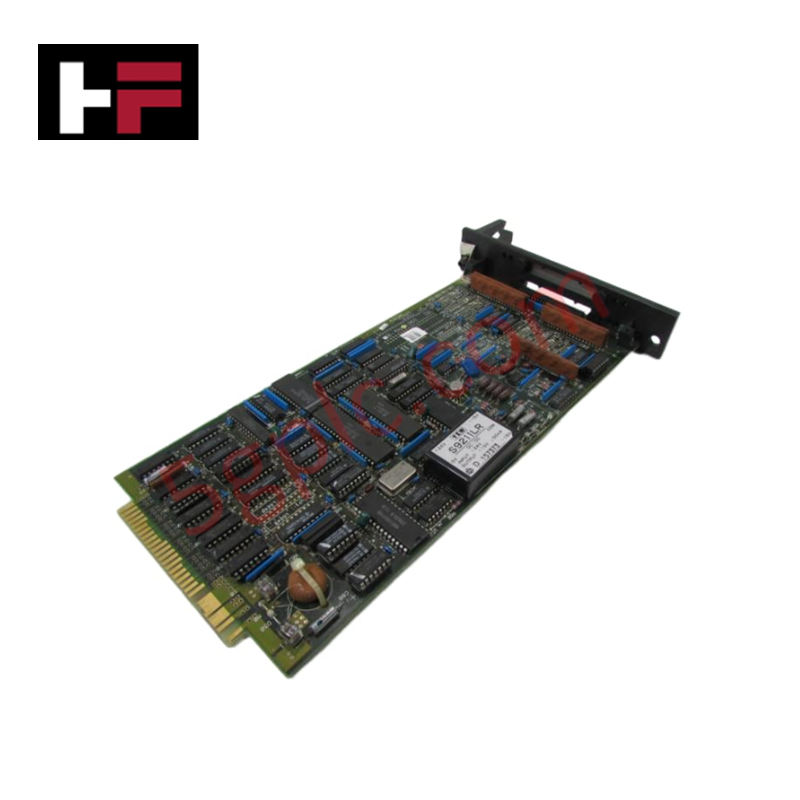
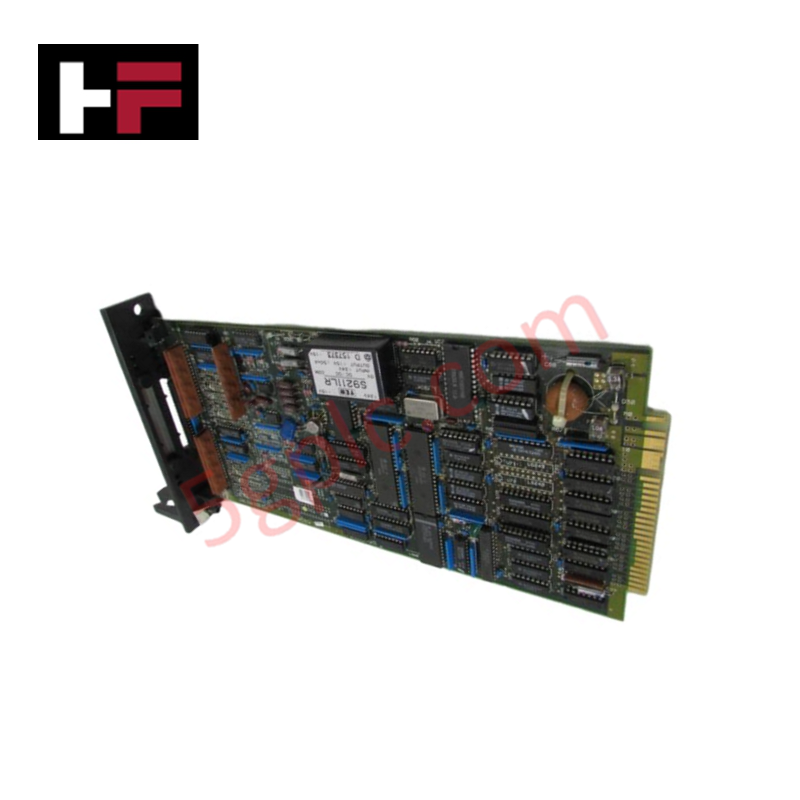
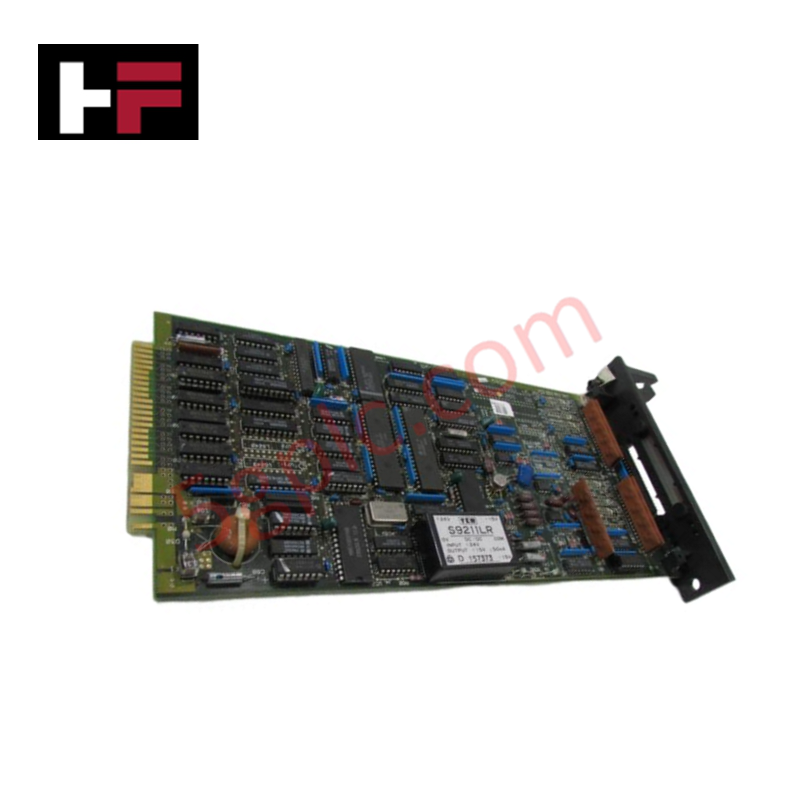
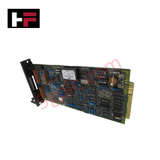
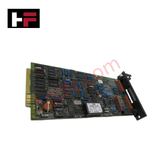
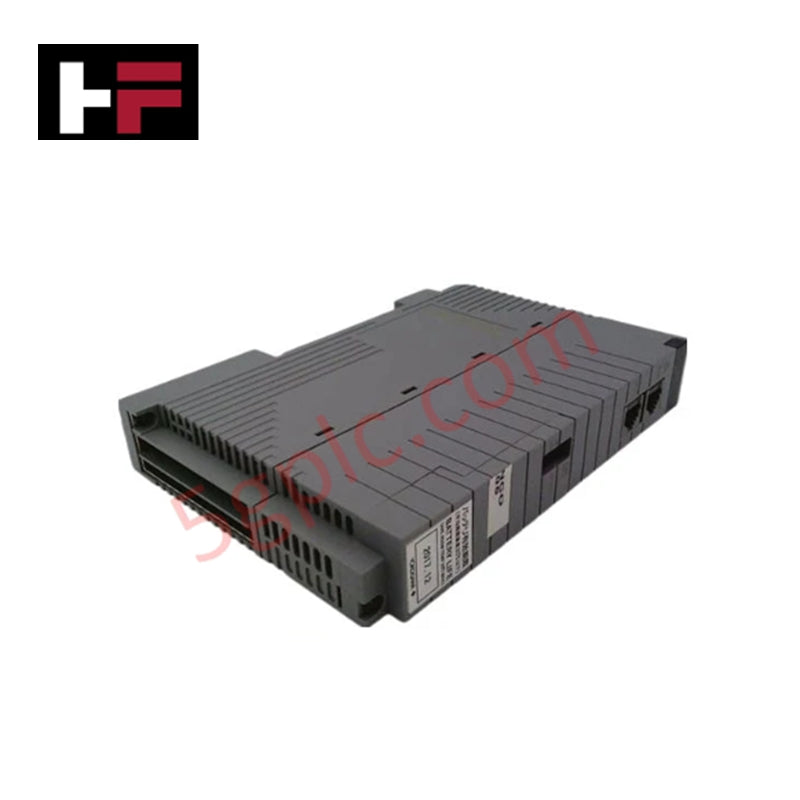
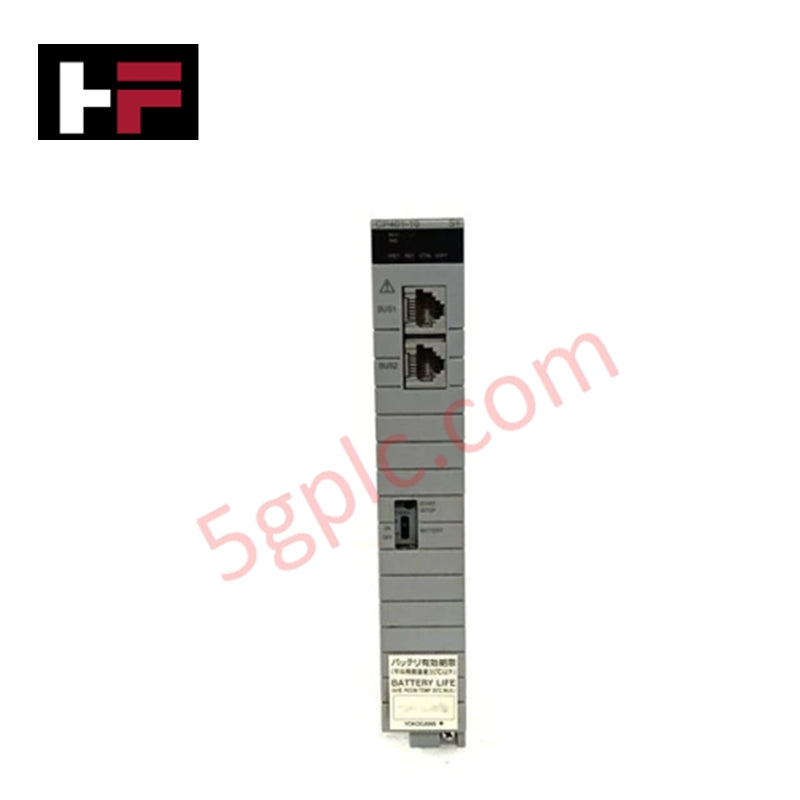
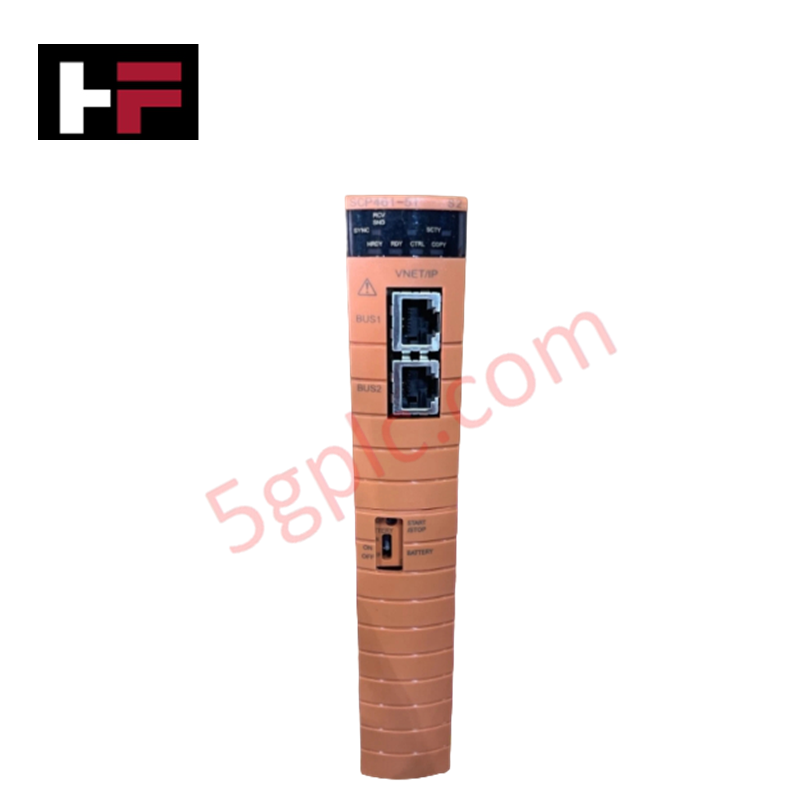
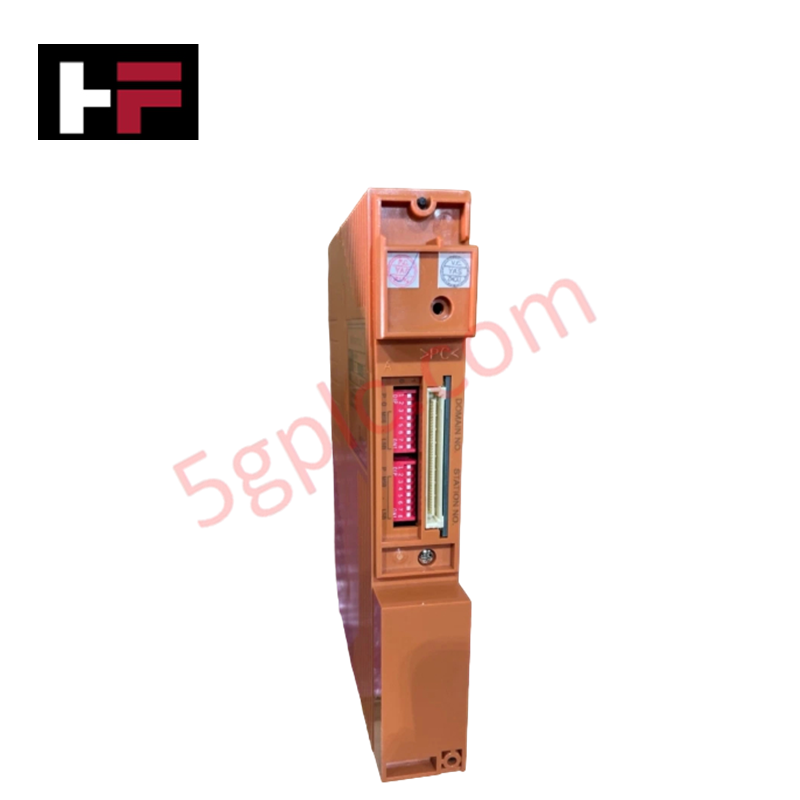
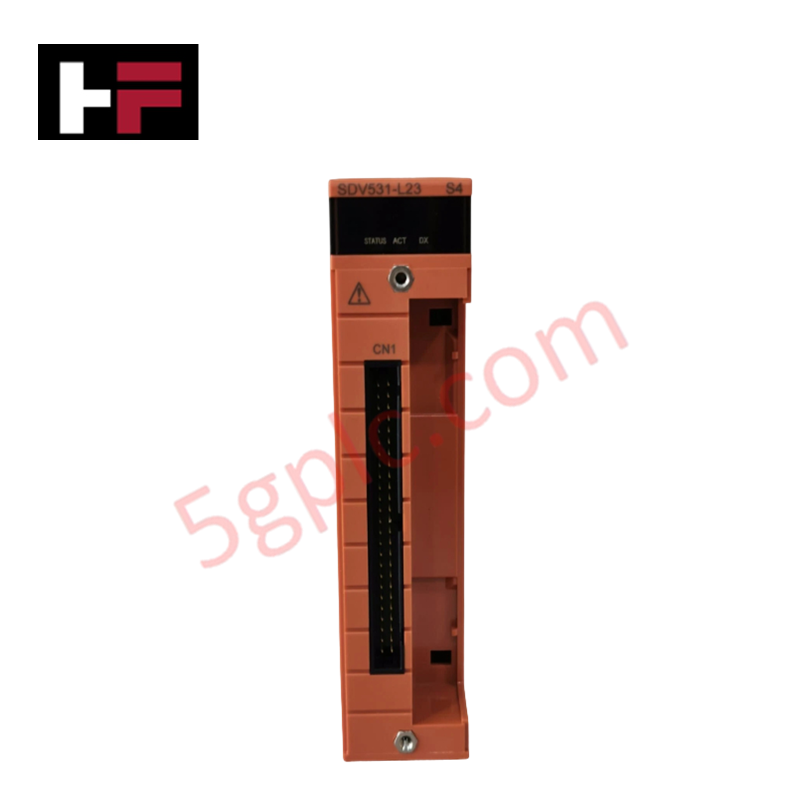
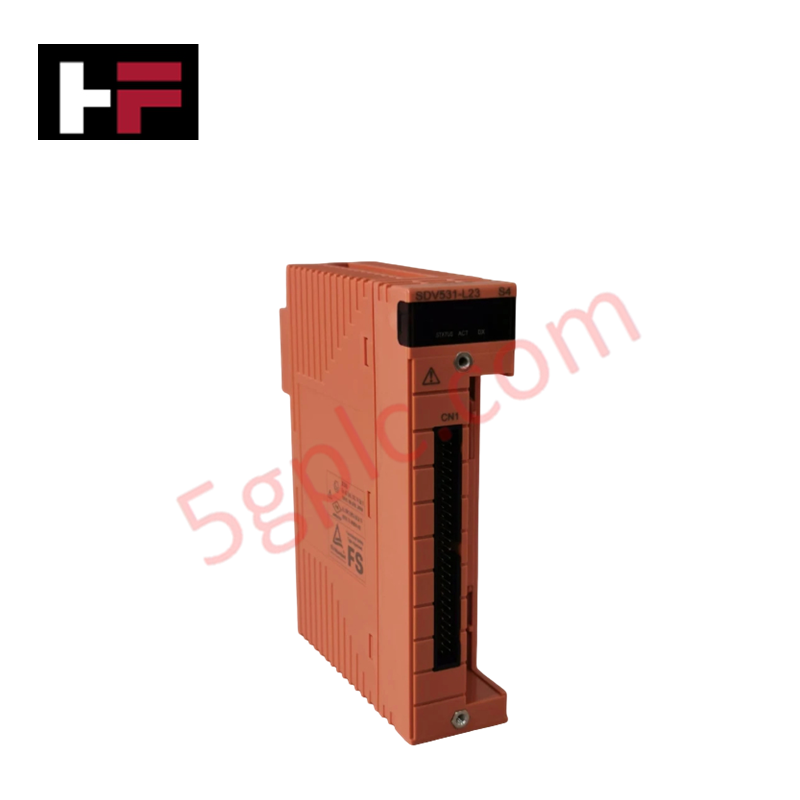
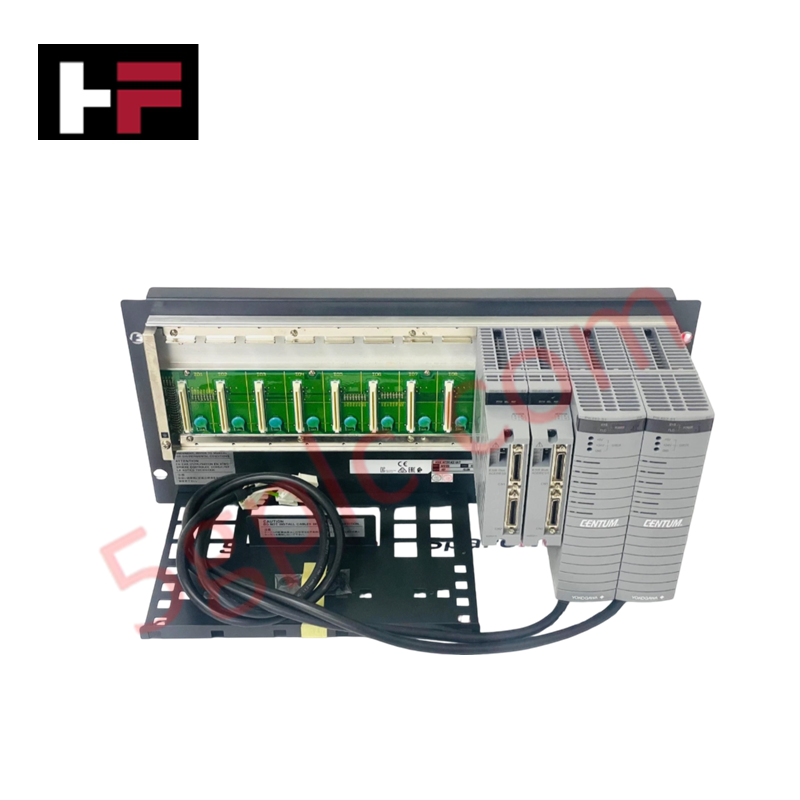
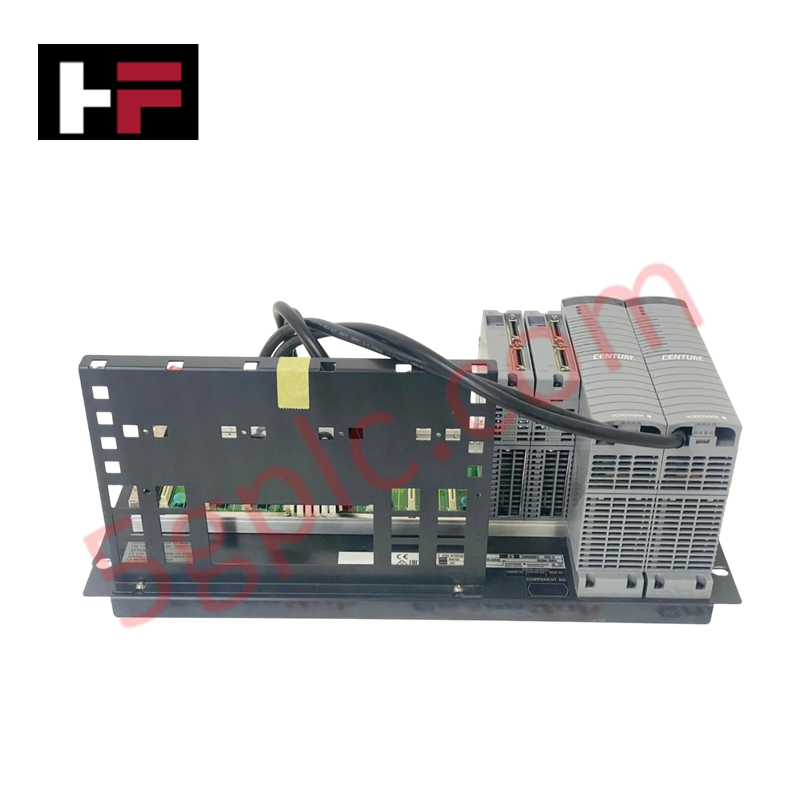
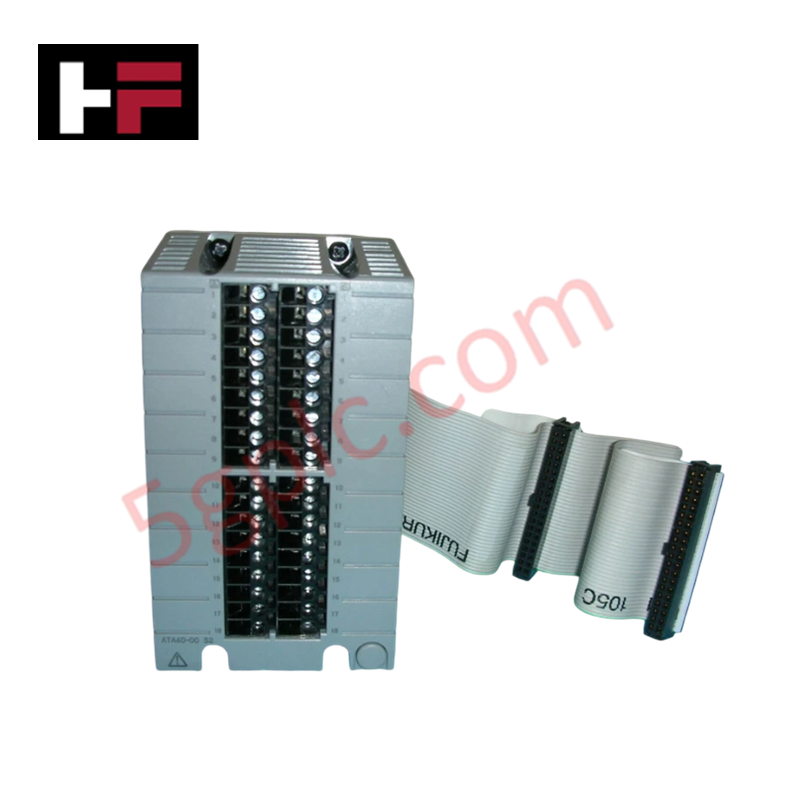
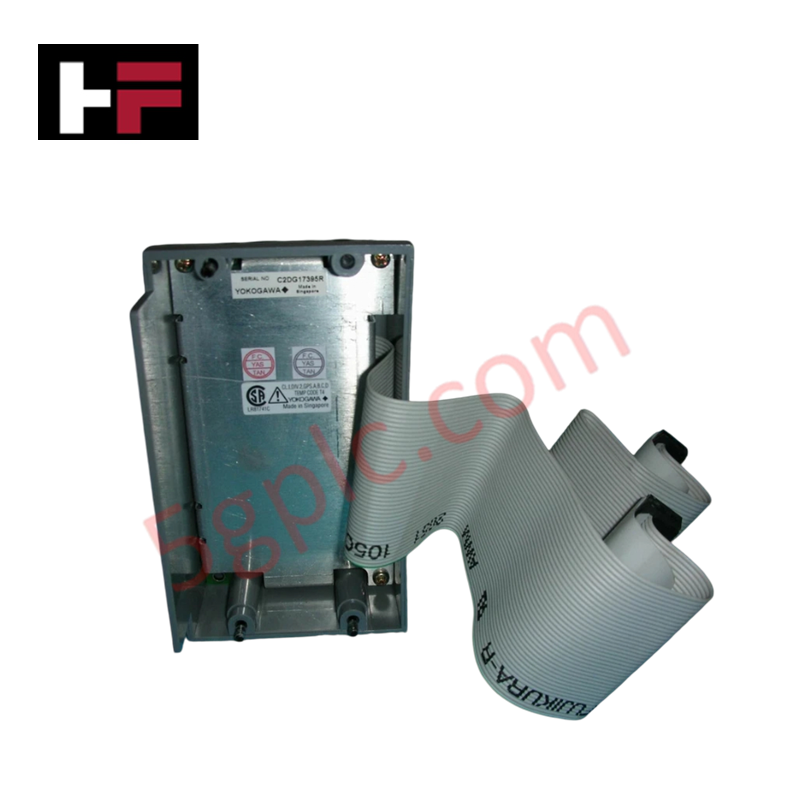
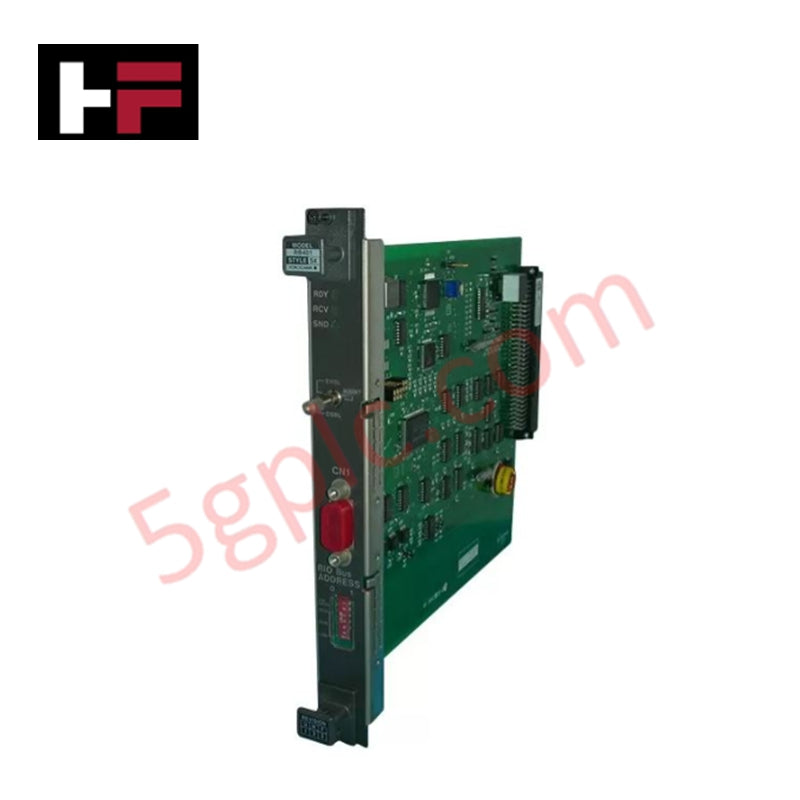
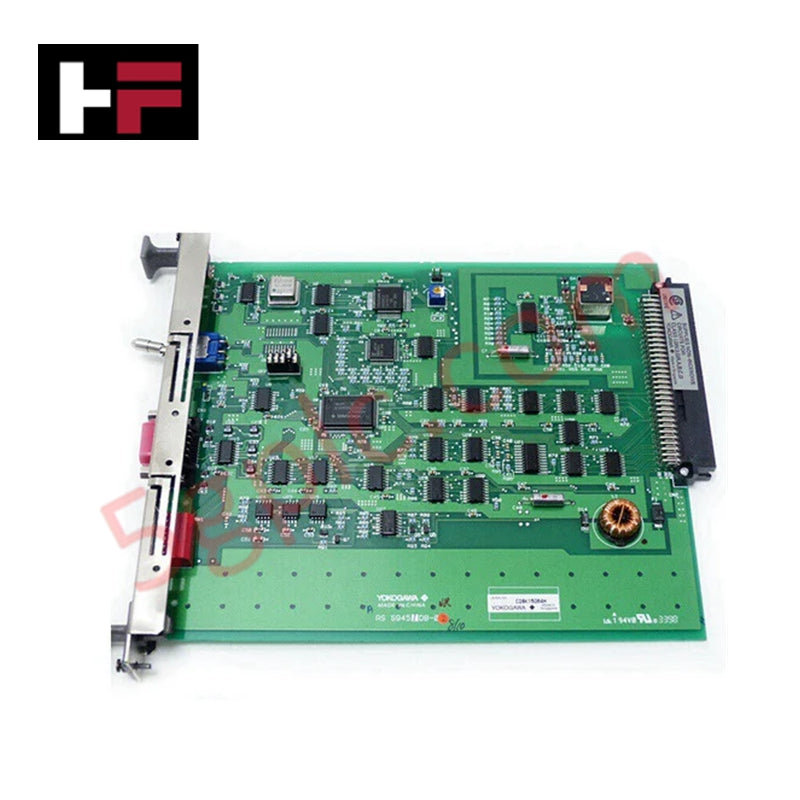
The Yokogawa VM1*S, also cataloged as the VM1 Multipoint Analog I/O Card, operates as a dedicated hardware component for simultaneous analog signal acquisition and generation within CENTUM VP and CENTUM CS 3000 platforms.
Hardware Specifications
| Parameter | Specification |
|---|---|
| Model | VM1*S |
| Brand | Yokogawa |
| Origin | Japan |
| Module Type | Multipoint Analog I/O Card |
| Input Channels | 8 Analog Inputs (4-20 mA DC) |
| Output Channels | 8 Analog Outputs (4-20 mA DC) |
| Weight | 0.4 kg |
| Dimensions | Standard Rack Slot Module Form Factor |
| Operating Temp | 0 to 50 deg C |
| Power Consumption | Max. 3.5 W |
Channel Isolation & Loop Protocol Infrastructure
The VM1*S card integrates galvanically isolated analog signal paths across its 16 total channels to isolate internal system buses from field side transients. This channel isolation structure prevents ground loops across the 8 analog input and 8 analog output loops, preserving signal linearity for attached 4-20 mA HART loop protocol field devices. High-density input and output conversion stages maintain analog accuracy across parallel loop runs without crosstalk interference.
Frequently Asked Questions
Q: How does the VM1*S manage system backplane power distribution across its input and output channels?
A: The card draws a maximum of 3.5 W directly from the rack backplane power supply, distributing internal regulated DC rails across both the 8 input conversion circuits and 8 output driver stages.
Q: Can the VM1*S card be hot-swapped during active controller rack operation?
A: Module removal or replacement during active operation depends on system redundancy settings; online replacement requires following controller slot deactivation procedures to prevent loop interruption or backplane bus faulting.
Field Installation Guidelines
Insert the VM1*S card vertically into the assigned CENTUM VP or CS 3000 node slot, sliding the module along the chassis card guides until the backplane multi-pin connector is fully seated. Fasten the front panel retention screws to secure physical mounting and establish low-impedance frame ground continuity. Route all 4-20 mA input and output cabling through shielded twisted pairs, connecting cable shields to a dedicated cabinet earth bar to prevent external noise coupling.
Additional Information
- 100% Genuine Parts: All products are original and authentic, ensuring reliable industrial performance.
- 30-Day Refund Guarantee: Return any in-stock item within 30 days in original, unopened packaging for a full refund (excluding shipping and fees).
- 12-Month Warranty: Covers defects in materials or workmanship; excludes misuse, normal wear, or unauthorized modifications.
- Worldwide Shipping: We ship via USPS, UPS, FedEx, and DHL. Delivery times vary by country and may be subject to customs or import fees.
- Support & Contact: Technical and warranty assistance is available anytime. Contact us here: Contact.
- Purchase Guidance: Check product specifications and compatibility carefully before ordering to ensure proper application.
Tech & Buying Guide

Transforming Shop Floor Data into Actionable Insights: A Deep Dive into MES
Manufacturing Execution Systems serve as the digital backbone of modern factory floors. Positioned at Level 3 of the ISA-95 automation pyramid, MES links enterprise resource planning with real-time shop floor control systems. Today, industrial operators rely on MES software to bridge operational strategy with physical production execution.
Managed Switch vs. Unmanaged Switch: Industrial Ethernet Architecture

Hot Standby vs. Cold Standby Redundancy in Industrial Automation
System availability determines process safety and productivity in industrial automation. Control engineers deploy redundancy to eliminate single points of failure. This technical guide evaluates Hot Standby vs. Cold Standby architectures, comparing failover speeds, memory sync, cost trade-offs, and field selection criteria.