










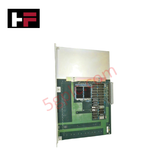
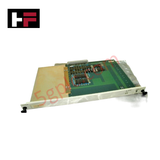
Product Details
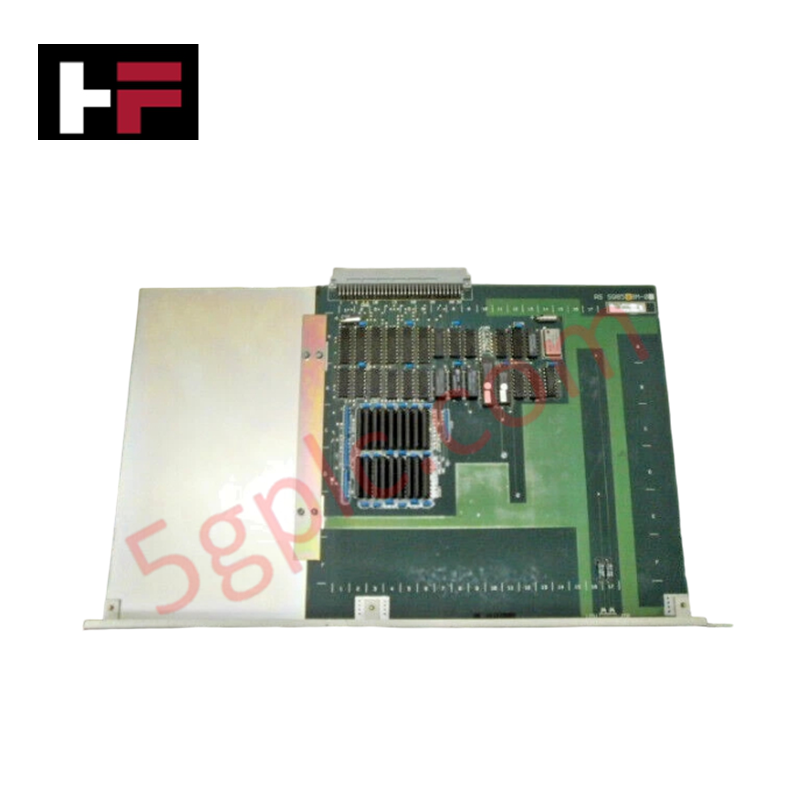
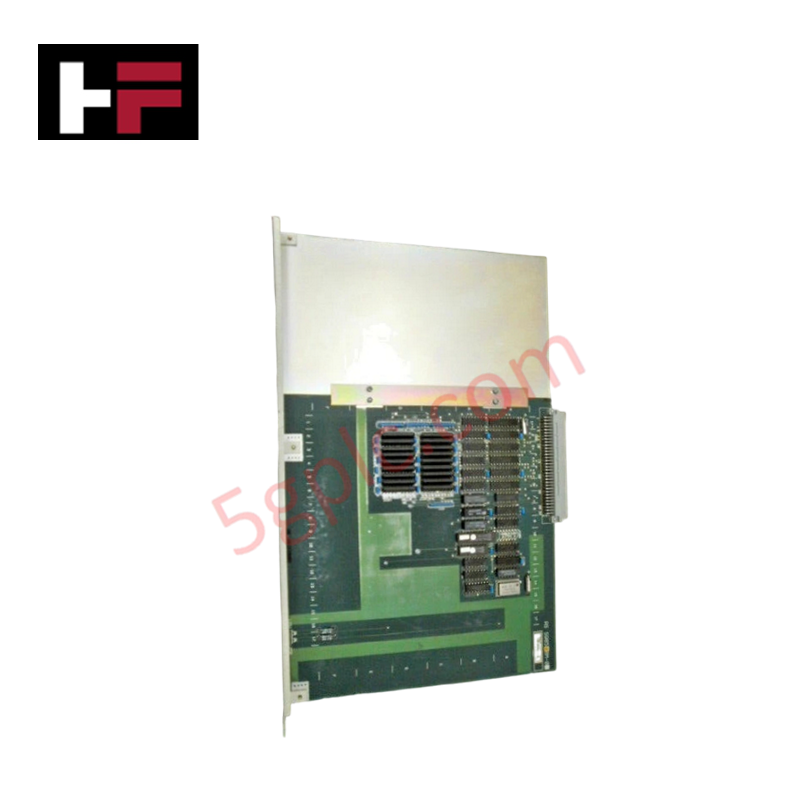
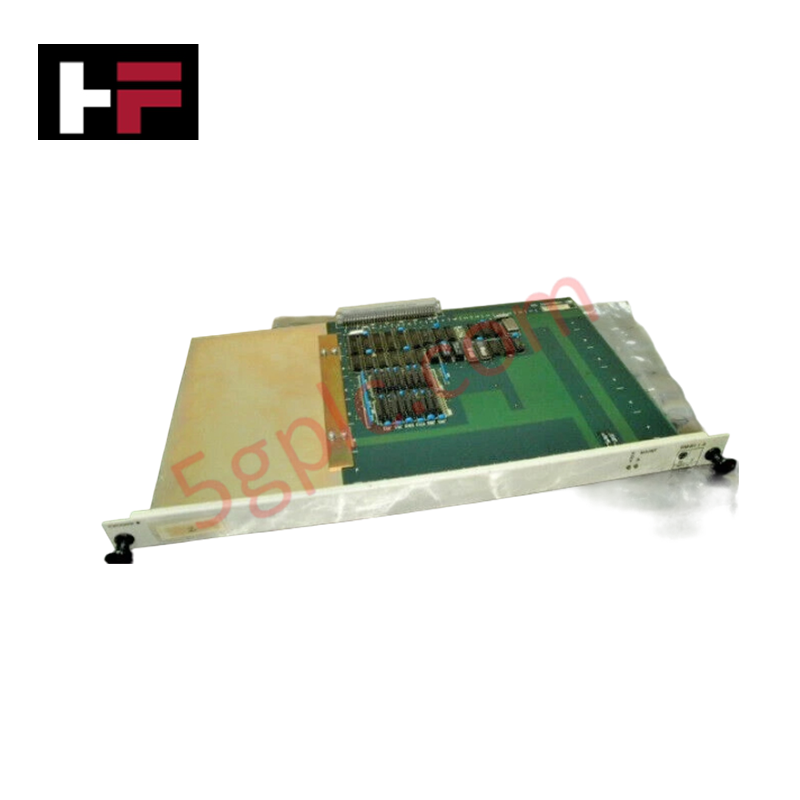
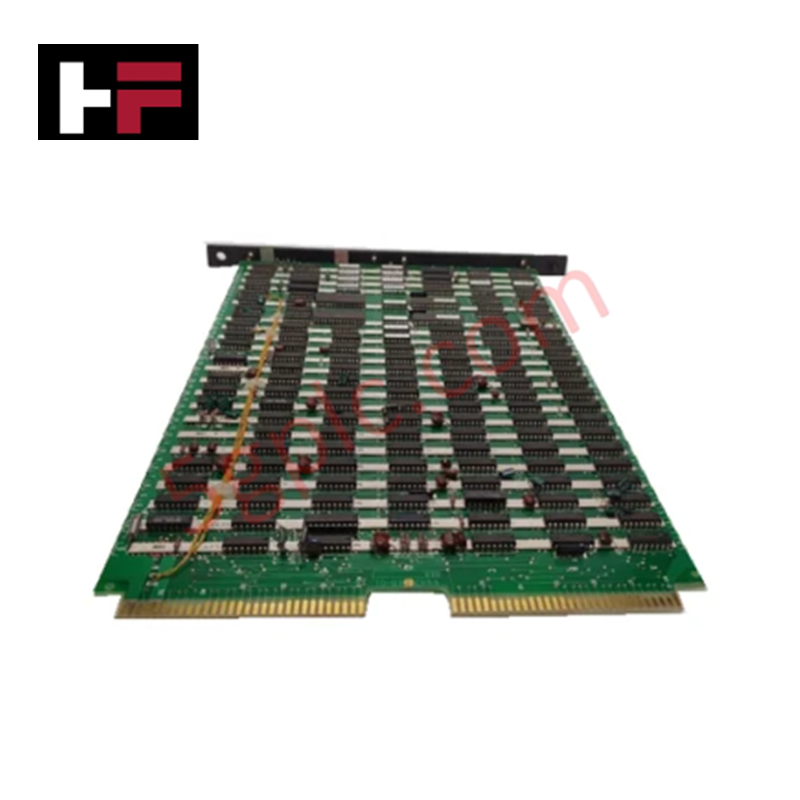
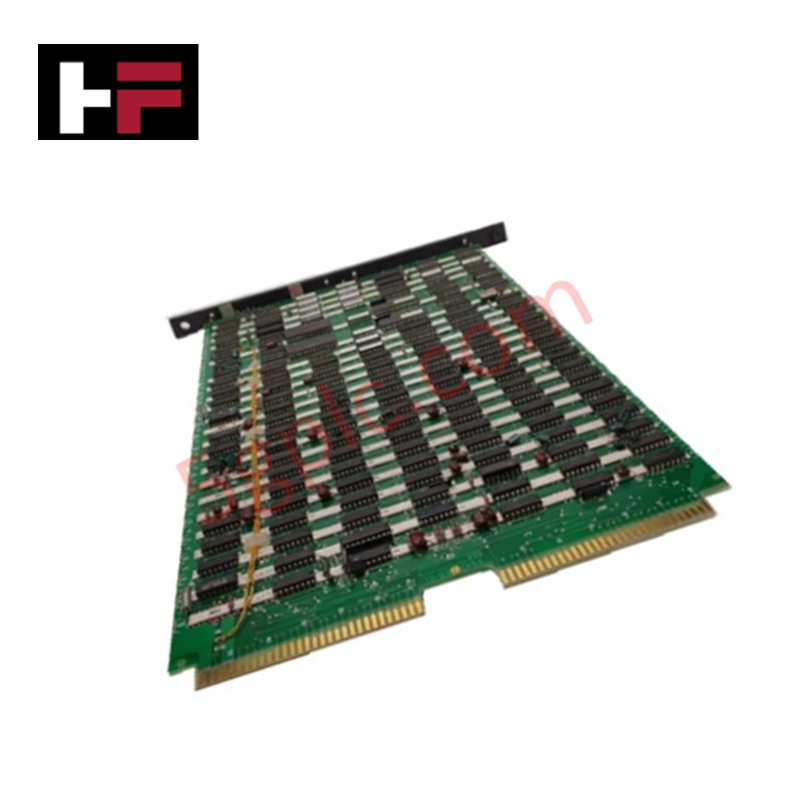
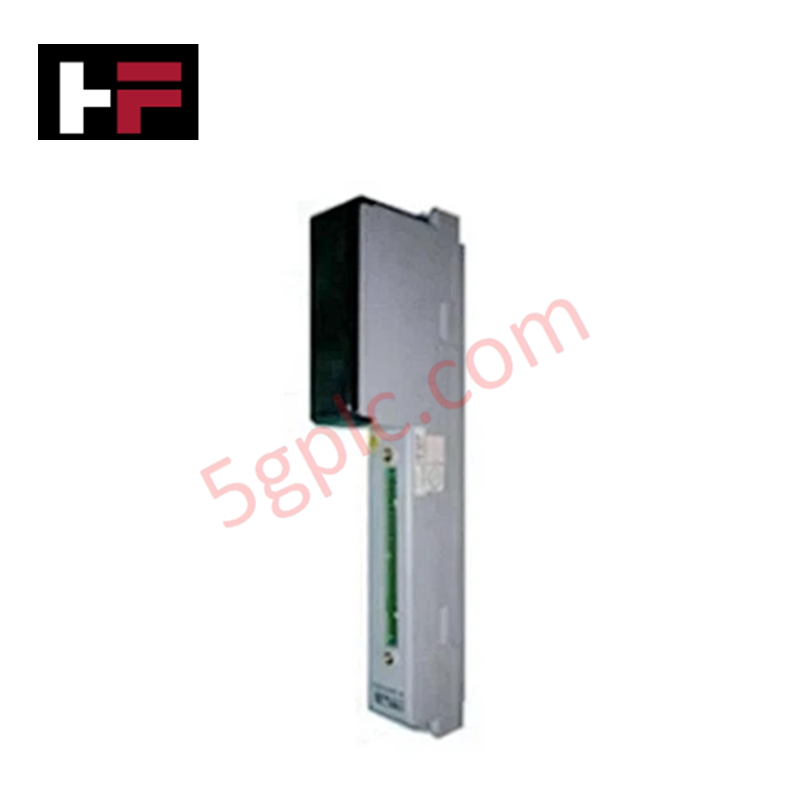
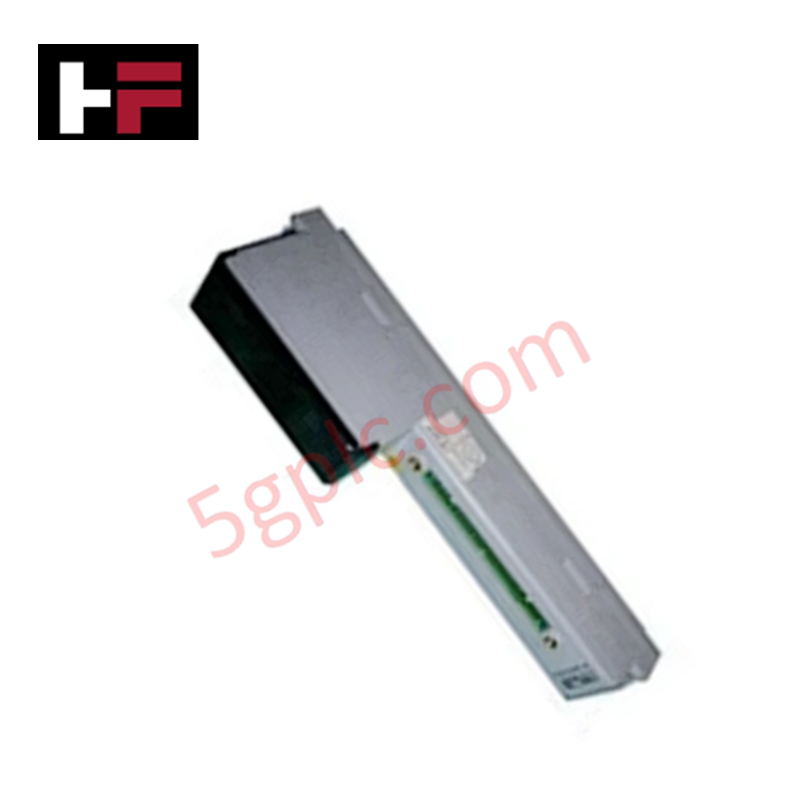
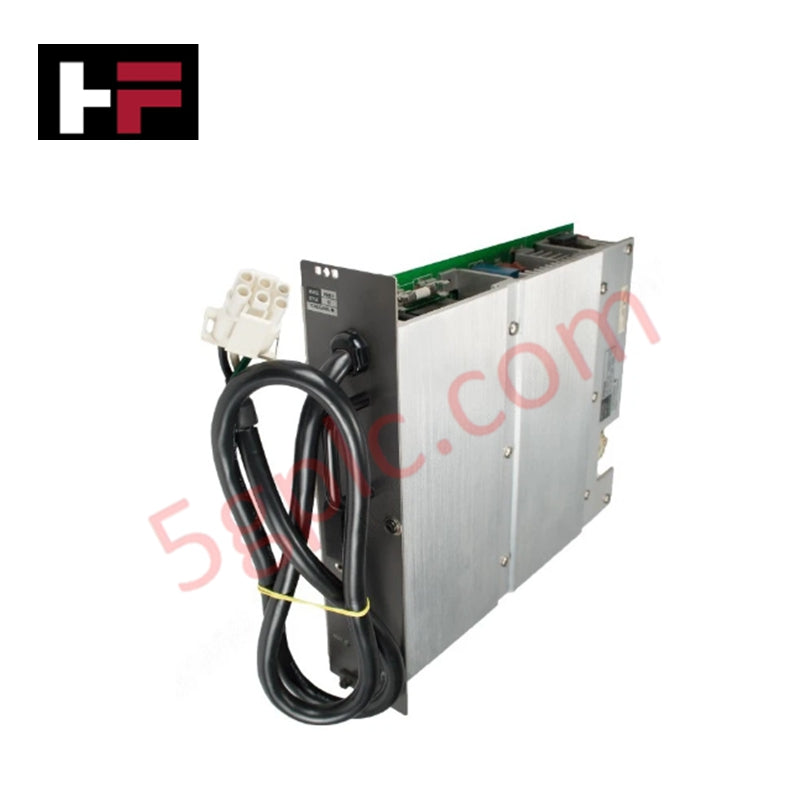
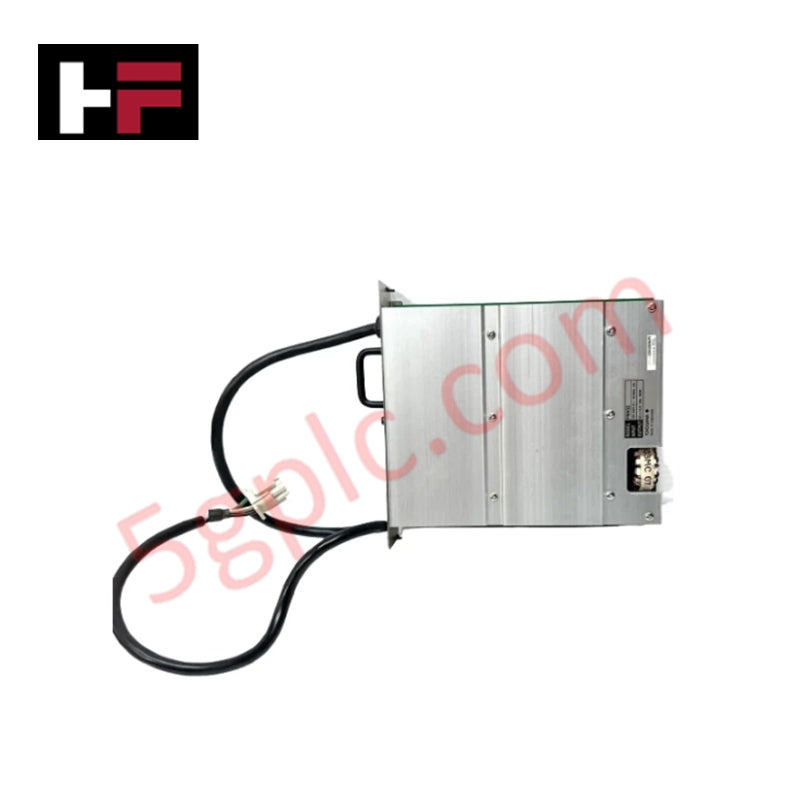
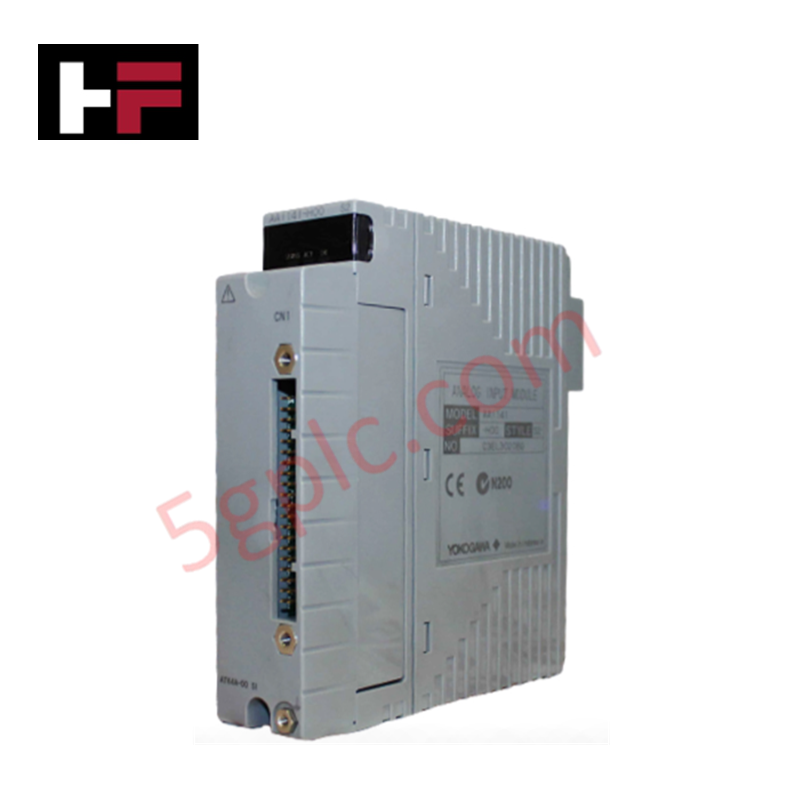
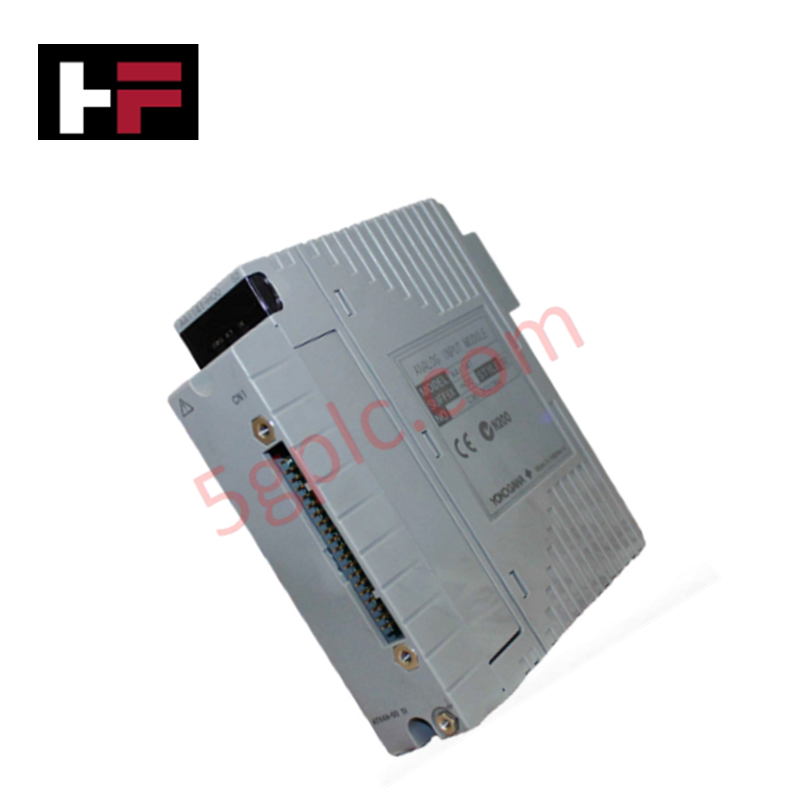
The Yokogawa RM81*A, also cataloged as the RM81 Memory Card Module, operates as a dedicated hardware component for firmware storage and system parameter retention within CENTUM XL and MICRO XL platforms.
Hardware Specifications
| Parameter | Specification |
|---|---|
| Model | RM81*A |
| Brand | Yokogawa |
| Origin | Japan |
| Weight | 1.25 lbs (0.57 kg) |
| Dimensions | Standard Rack Slot Module Form Factor |
| Operating Temp | 0 to 50 deg C |
| Power Consumption | Backplane logic rail power draw |
| Memory Type | Solid-state retention card interface |
Fieldbus Connectivity & Loop Data Storage
The RM81*A memory card module stores essential system parameter maps and execution blocks used to coordinate 4-20 mA HART loop protocol transactions across field instrumentation subnodes. By providing dedicated memory buffering directly on the system rack backplane, the unit maintains data access integrity across digital communication interfaces, preventing parameter loss during system power cycles or fieldbus network reconfigurations.
Frequently Asked Questions
Q: How is data integrity verified on the RM81*A memory module during system boot routines?
A: The host controller performs checksum validation upon power-up to verify memory block consistency before executing loaded control configurations.
Q: Can the RM81*A memory module be hot-swapped while the system rack is powered?
A: Card removal or insertion must be performed with the slot powered down or in an offline state to prevent backplane signal corruption and data write errors.
Field Installation Guidelines
Insert the RM81*A module vertically into the designated system rack card slot until the backplane connectors establish full contact. Secure the module using the top and bottom panel retention screws to ensure mechanical stability and proper frame grounding. Ensure the installation environment is free from conductive dust and that anti-static grounding precautions are observed during card handling and slot placement.
Additional Information
- 100% Genuine Parts: All products are original and authentic, ensuring reliable industrial performance.
- 30-Day Refund Guarantee: Return any in-stock item within 30 days in original, unopened packaging for a full refund (excluding shipping and fees).
- 12-Month Warranty: Covers defects in materials or workmanship; excludes misuse, normal wear, or unauthorized modifications.
- Worldwide Shipping: We ship via USPS, UPS, FedEx, and DHL. Delivery times vary by country and may be subject to customs or import fees.
- Support & Contact: Technical and warranty assistance is available anytime. Contact us here: Contact.
- Purchase Guidance: Check product specifications and compatibility carefully before ordering to ensure proper application.
Tech & Buying Guide

Transforming Shop Floor Data into Actionable Insights: A Deep Dive into MES
Manufacturing Execution Systems serve as the digital backbone of modern factory floors. Positioned at Level 3 of the ISA-95 automation pyramid, MES links enterprise resource planning with real-time shop floor control systems. Today, industrial operators rely on MES software to bridge operational strategy with physical production execution.

Managed Switch vs. Unmanaged Switch: Industrial Ethernet Architecture

Hot Standby vs. Cold Standby Redundancy in Industrial Automation
System availability determines process safety and productivity in industrial automation. Control engineers deploy redundancy to eliminate single points of failure. This technical guide evaluates Hot Standby vs. Cold Standby architectures, comparing failover speeds, memory sync, cost trade-offs, and field selection criteria.