










Product Details
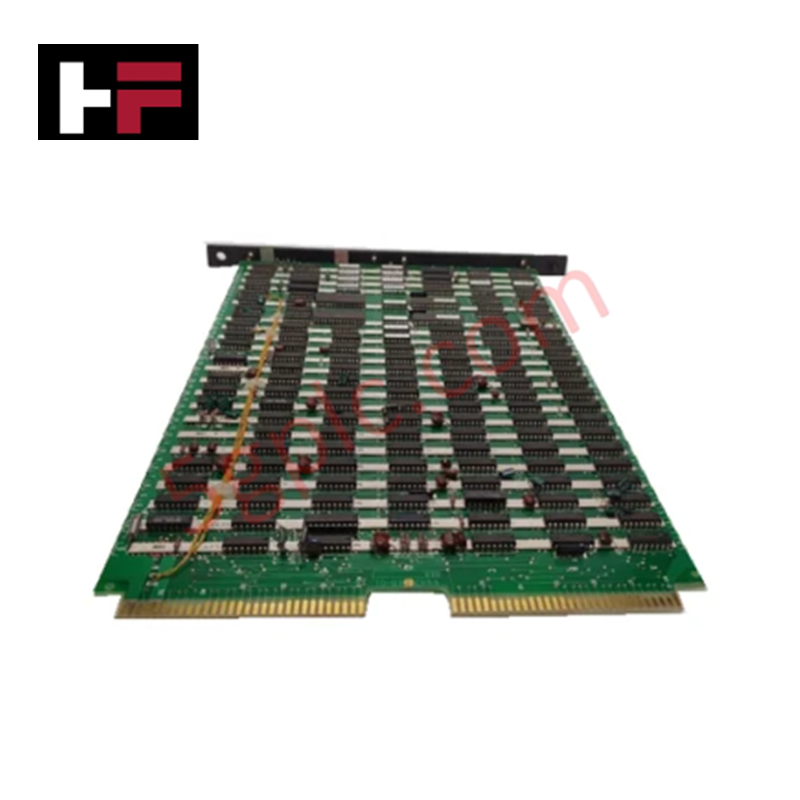
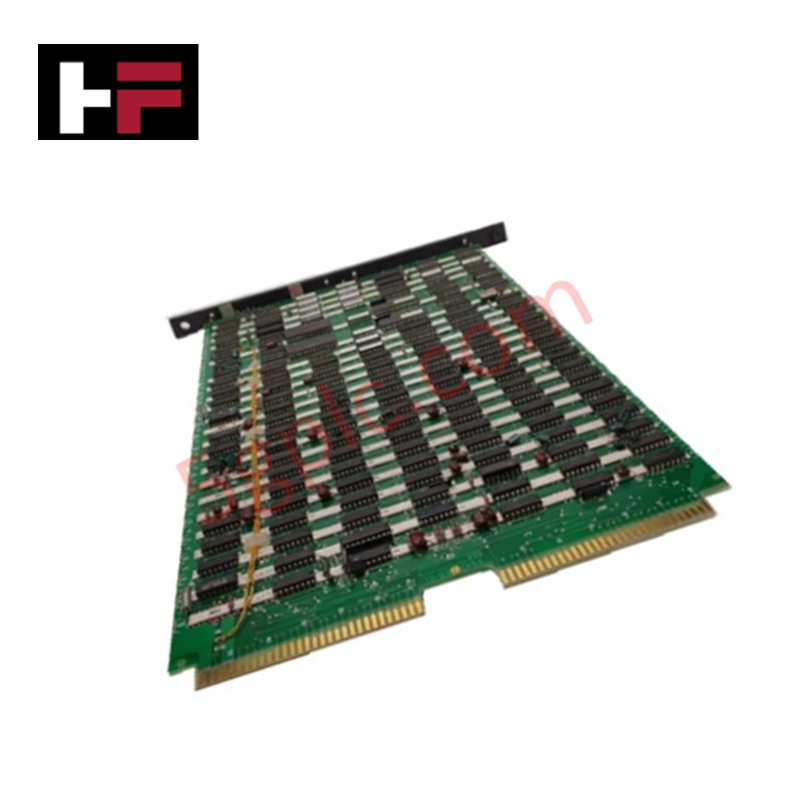
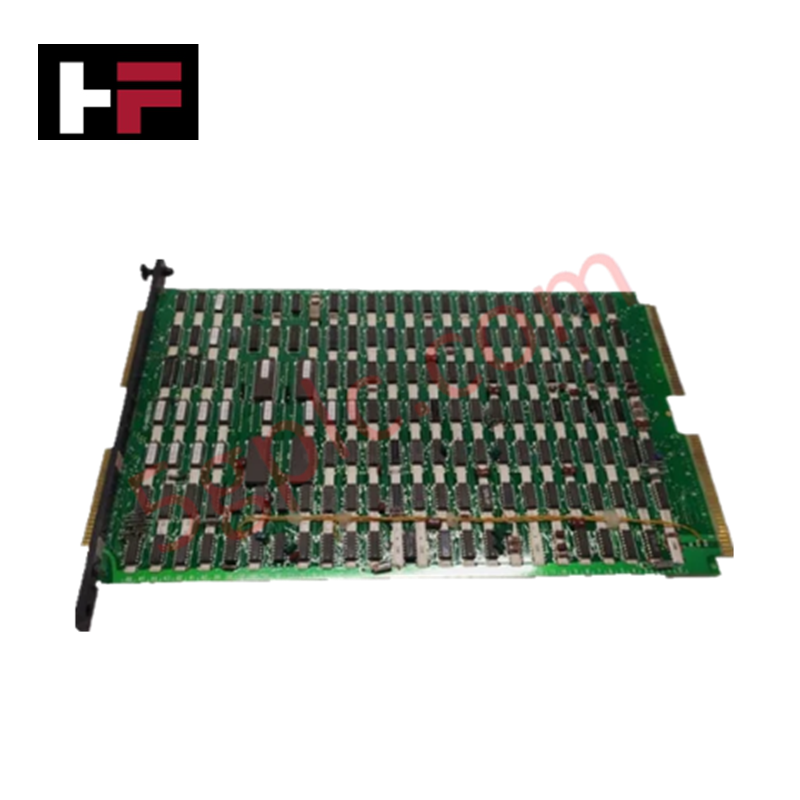
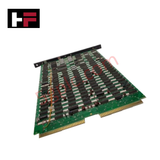
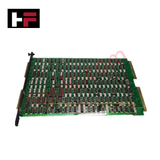
Configured for multi-parameter liquid analytical measurement in CENTUM VP and ProSafe-RS control networks, the Yokogawa FCA4*A (FCA4*A 4-wire Analyzer Module) provides direct physical/electrical execution.
Hardware Specifications
| Parameter | Specification |
|---|---|
| Model | FCA4*A (FLXA402) |
| Brand | Yokogawa |
| Origin | Japan |
| Architecture | 4-Wire Configuration |
| Measurement Options | pH/ORP, Conductivity, Dissolved Oxygen |
| Sensor Capacity | Up to 5 Sensors (Dual Sensor Simultaneous Measurement) |
| Display / HMI | Color Touchscreen Panel (9 Languages Supported) |
| Weight | 2.50 kg |
| Dimensions | 144 x 144 x 150 mm |
| Operating Temp | -20 to 55 deg C |
| Power Consumption | 15 VA (AC Units) / 10 W (DC Units) |
Yokogawa Channel-to-Channel Isolation & Process Control Integration
Yokogawa industrial analytical systems implement dedicated signal processing to integrate high-density liquid sensors into centralized process controllers. Independent sensor channel-to-channel isolation prevents ground loop interference across pH/ORP and conductivity measurement paths. Signal conversion algorithms support standard 4-20 mA HART loop protocol transmission and FOUNDATION Fieldbus connectivity to deliver continuous real-time diagnostic values directly into operator workstations without data corruption.
Frequently Asked Questions
Q: How does the module handle sensor replacement without interrupting overall system operation?
A: The device architecture supports multi-sensor configurations up to five sensors, permitting continuous measurement on secondary channels while primary sensor calibration or physical maintenance is performed.
Q: What grounding practices are required for 4-20 mA HART analog output loops?
A: Connect the signal cable shield at a single termination point on the system side. Avoid grounding the shield at both ends to prevent circulating ground currents from disturbing low-level sensor millivolt signals.
Field Installation Guidelines
Mount the analyzer enclosure to a rigid surface or pipe stand, verifying that all cable glands are tightened to meet NEMA 4X / IP66 ingress ratings. Route low-voltage sensor inputs in dedicated conduits separate from AC power lines to prevent electromagnetic interference. Ensure protective earth grounding is established before connecting power leads to the internal terminal block.
Additional Information
- 100% Genuine Parts: All products are original and authentic, ensuring reliable industrial performance.
- 30-Day Refund Guarantee: Return any in-stock item within 30 days in original, unopened packaging for a full refund (excluding shipping and fees).
- 12-Month Warranty: Covers defects in materials or workmanship; excludes misuse, normal wear, or unauthorized modifications.
- Worldwide Shipping: We ship via USPS, UPS, FedEx, and DHL. Delivery times vary by country and may be subject to customs or import fees.
- Support & Contact: Technical and warranty assistance is available anytime. Contact us here: Contact.
- Purchase Guidance: Check product specifications and compatibility carefully before ordering to ensure proper application.


Tech & Buying Guide

How to Connect to Siemens S7 PLCs: 5 Essential Communication Methods
Establishing a reliable hardware link between a programming terminal and a Siemens SIMATIC controller is essential for engineering workflows. Field engineers rely on distinct physical layers, ranging from legacy serial connections to high-speed Industrial Ethernet protocols. Modern factory automation environments prioritize fast data transfer and seamless driver integration. Selecting the correct connection method simplifies program downloads, online monitoring, and system troubleshooting in complex control systems.

Will PLCs Become Obsolete? The Future of Control Systems in Industry 4.0
Modern manufacturing is undergoing a rapid technological transformation driven by Industry 4.0 innovations. Technologies like Artificial Intelligence (AI), Machine Learning (ML), and the Industrial Internet of Things (IIoT) are dominating discussions across the factory automation sector. Consequently, many engineers wonder if these advanced digital tools will eventually replace traditional Programmable Logic Controllers (PLCs). However, evaluating the core physics of industrial operations reveals a very different reality for control systems.

Demystifying Open Platform Communication (OPC): The Backbone of Industrial Interoperability
Interoperability remains a cornerstone requirement for modern smart factories and process automation. Open Platform Communication (OPC) bridges the gap between disparate hardware platforms, control systems, and visualization software. By establishing a universal communication standard, OPC allows field controllers, SCADA platforms, and enterprise software from different vendors to exchange real-time data seamlessly.