












Product Details
Product Overview
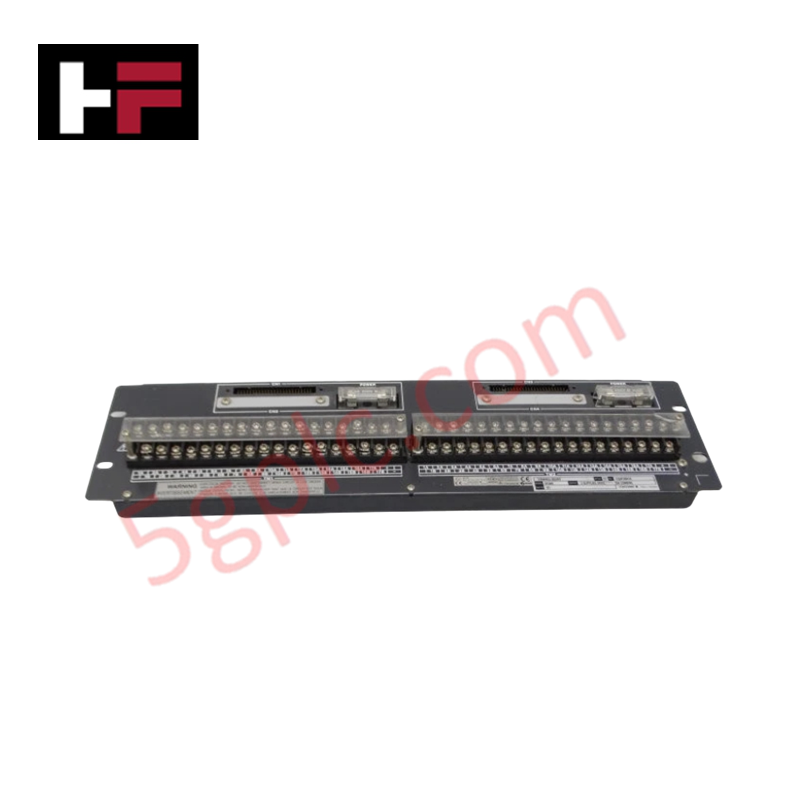
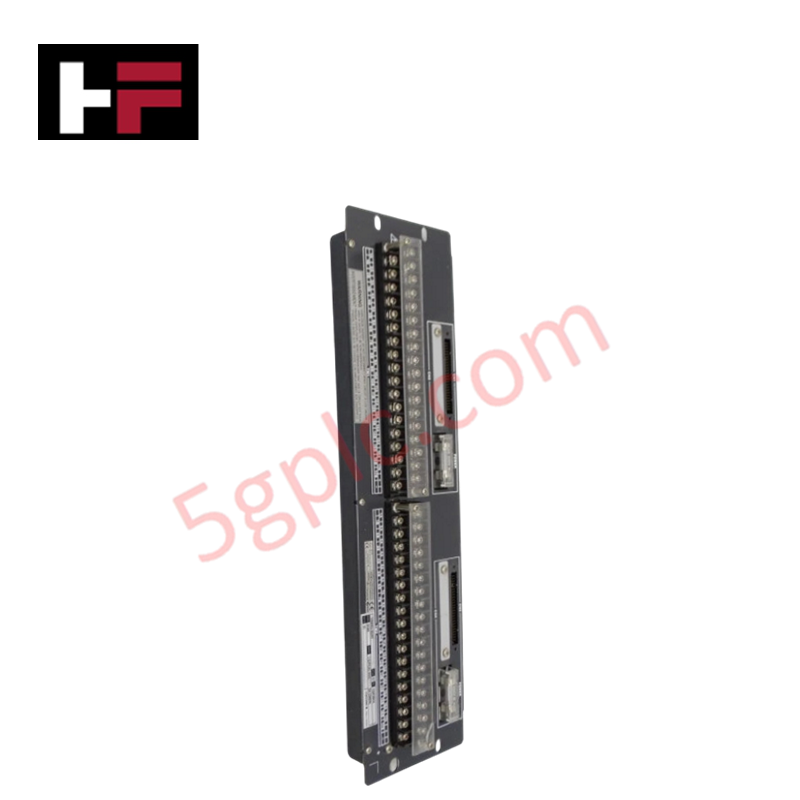
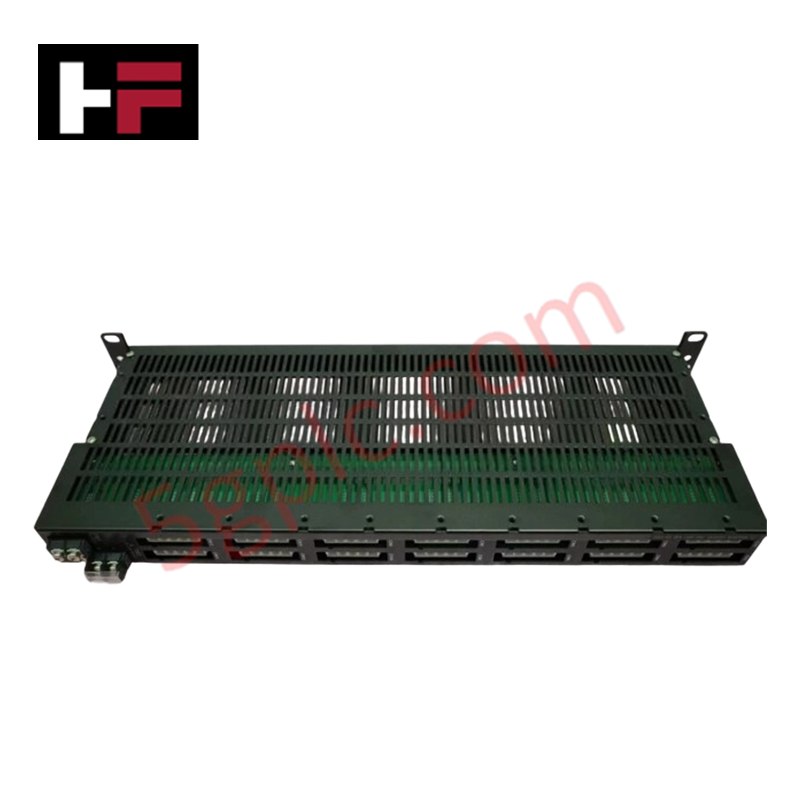
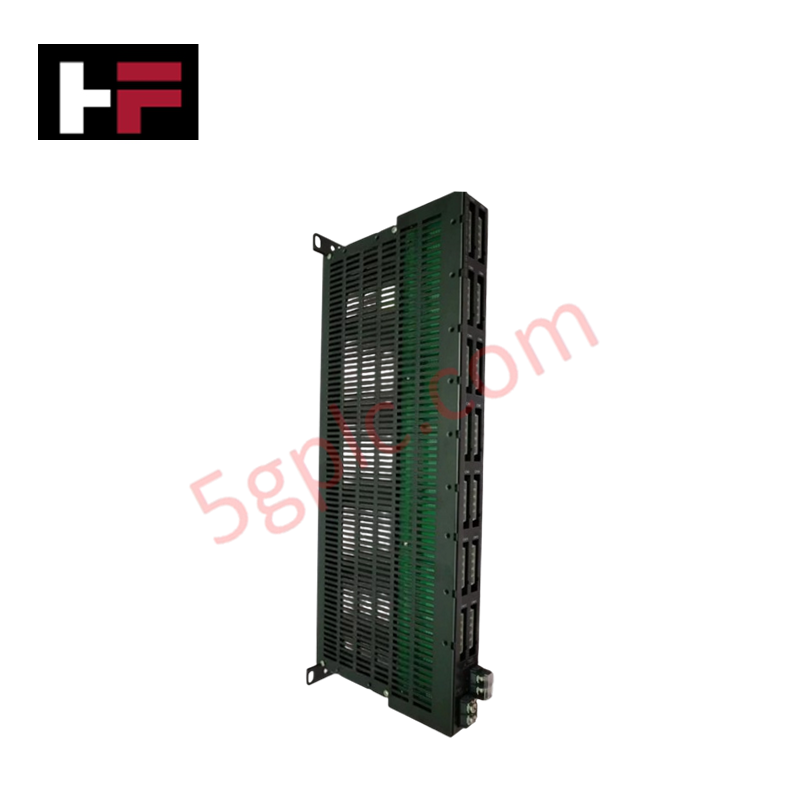
The Yokogawa ARM55C-000 serves as a high-density mechanical relay output board for industrial control systems. This module provides 32 independent dry-contact relay channels, allowing for the switching of diverse AC and DC loads in automation environments. We supply this unit as 100% Brand New and Original, ensuring optimal contact resistance and mechanical integrity for critical interlock and signaling applications.
Technical Specifications
| Feature | Specifications |
| Output Type | Dry-contact Mechanical Relay |
| Number of Channels | 32 Channels |
| Max Load (AC) | 250 V AC @ 2 A |
| Max Load (DC) | 30 V DC @ 2 A / 125 V DC @ 0.1 A |
| Min Load | 5 V DC @ 10 mA |
| Insulation Resistance | $\ge 10$ M$\Omega$ @ 500 V DC |
| Dielectric Strength | 1500 V AC between field terminals and case |
| Power Supply | 24 V DC, Max 0.85 A |
| Operating Temp | 0 to 50°C |
| Weight | 2.2 kg |
Engineering Advantages
-
High-Capacity Switching: The ARM55C-000 manages significant electrical loads up to 250V AC or 30V DC at 2 Amps. This capability eliminates the need for intermediate relay terminals for many standard industrial actuators and solenoids, saving cabinet space and reducing wiring complexity.
-
Superior Galvanic Isolation: The board provides a dielectric strength of 1500 V AC between field terminals and the chassis. This robust isolation protects the sensitive 5V DC control logic from high-voltage transients and potential ground loops originating from field devices.
-
Secure Mechanical Termination: The module utilizes M3.5 screws for field connections, facilitating a high-torque mechanical grip. This ensures that field wiring remains secure under vibration, preventing the intermittent contact issues often found in tension-style terminals.
-
Standardized Rack Integration: The hardware fits perfectly into standard 19-inch racks. This standardized footprint simplifies the organization of high-density I/O clusters and ensures efficient airflow for the 24 V DC power supply components.
FAQs
-
Can the ARM55C-000 handle low-current logic signals?
Yes. While it handles high loads, it also supports a minimum load of 5 V DC @ 10 mA. This versatility allows you to use the same board for both power switching and high-impedance logic feedback.
-
What precautions should I take during installation on a 19-inch rack?
Ensure you tighten all M3.5 screws to the specified torque to prevent arcing at high loads. Also, maintain the ambient temperature within the 0 to 50°C range, as excessive heat can degrade the mechanical lifespan of the relays.
-
Does this board require external power for the relays?
The board requires a 24 V DC external power supply (up to 0.85 A) to drive the relay coils. The control logic itself operates on 5V DC at 10 mA per channel.
-
Is this module a direct replacement for older ARM55 series boards?
The ARM55C-000 represents the latest revision. It maintains backward compatibility with the mounting and electrical specifications of previous ARM55 models. We guarantee this unit is 100% Brand New, providing a longer MTBF (Mean Time Between Failure) than refurbished alternatives.
Additional Information
- 100% Genuine Parts: All products are original and authentic, ensuring reliable industrial performance.
- 30-Day Refund Guarantee: Return any in-stock item within 30 days in original, unopened packaging for a full refund (excluding shipping and fees).
- 12-Month Warranty: Covers defects in materials or workmanship; excludes misuse, normal wear, or unauthorized modifications.
- Worldwide Shipping: We ship via USPS, UPS, FedEx, and DHL. Delivery times vary by country and may be subject to customs or import fees.
- Support & Contact: Technical and warranty assistance is available anytime. Contact us here: Contact.
- Purchase Guidance: Check product specifications and compatibility carefully before ordering to ensure proper application.
Tech & Buying Guide

Why 24V DC Power Supplies Standardize Modern Industrial Automation
Industrial control cabinets worldwide rely on 24V DC as the universal power standard for field instrumentation, sensors, and controllers. Walk into any manufacturing plant, and you will find PLCs, human-machine interfaces (HMIs), and smart actuators running on extra-low voltage DC. Standardizing on 24V DC enhances operational safety, lowers cabinet footprint, and maintains steady control performance across factory networks.

Essential Motion Control Commands: A Practical Guide for Engineers
Automation engineers often rely on precise position and speed control to drive modern factory machinery. Modern industrial systems, such as Programmable Logic Controllers (PLCs) and Distributed Control Systems (DCS), depend heavily on standardized motion instructions. Mastering these commands ensures operational safety, protects mechanical components, and optimizes cycle times across production lines.
Mastering Modern Industrial Joystick Controls in Heavy Automation
Industrial joysticks play a pivotal role in human-machine interaction across heavy material handling and mobile hydraulics. These tactile controllers translate complex operator movements into precise electrical signals for PLCs, motion controllers, and DCS networks. Consequently, selecting and installing the right joystick architecture ensures operator safety, reduces fatigue, and optimizes equipment performance.